
Breakfast & Brunch
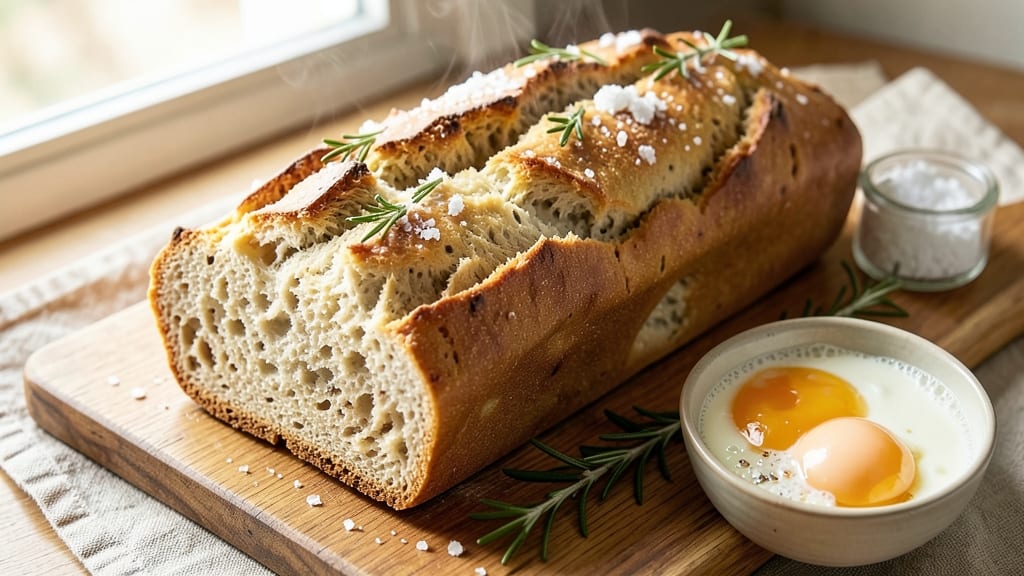
This Bisquick Irish soda bread recipe brings the heart of Ireland to your kitchen with just 15 minutes of active time and no kneading required. The secret lies in the buttermilk, which creates that signature tender crumb and slightly tangy flavor while keeping the crust perfectly golden.
I've tested countless variations, and this method delivers restaurant-quality results without the fuss of traditional recipes.
What makes this recipe truly special is how it preserves the rustic charm of classic Irish soda bread while using Bisquick as a shortcut. The dough comes together in minutes, and the baking process is hands-off—ideal for busy mornings or when you crave something warm and comforting.
The crust stays crisp while the interior remains soft and slightly dense, just like the bread you'd find in an Irish pub.
By the time you pull this loaf from the oven, you'll have a fragrant, golden-brown bread with a crisp exterior and tender crumb that's perfect for slathering with butter or serving alongside soups and stews.
The buttermilk adds a subtle tang that balances the sweetness, making each slice irresistible. This is the kind of bread that transforms any meal into something special.
The best part? You can customize it with toppings like coarse salt, poppy seeds, or even a sprinkle of flaky sea salt before baking. Serve it warm with butter, jam, or alongside a hearty breakfast. Let's get started on creating your perfect loaf!
Ingredients for bisquick irish soda bread
The magic happens with just nine ingredients—no yeast, no kneading, no fuss.
| Ingredient | Amount | Notes |
|---|---|---|
| Bisquick Original Mix 🍞 | 2 cups | Plus 2 tbsp for topping |
| Buttermilk 🥛 | 1 ½ cups | Full-fat for best flavor |
| Large Eggs 🥚 | 1 whole | Room temperature preferred |
| Granulated Sugar 🍚 | ¼ cup | Light brown sugar optional |
| Baking Soda 🧂 | 1 tsp | Freshly opened for potency |
| Salt 🧂 | 1 tsp | Coarse sea salt preferred |
| Unsalted Butter 🧈 | ½ cup | Cold and cubed for topping |
| Poppy Seeds 🌿 | 2 tbsp | Or flaky sea salt |
| All-Purpose Flour 🌾 | ¼ cup | For dusting work surface |
The buttermilk is non-negotiable here—it's what gives this bread that signature tender crumb and subtle tang. Store-bought is fine, but homemade (milk + vinegar) takes it to the next level. For the Bisquick, check the expiration date—it loses potency fast. I grab mine from Target or Walmart because it's always fresh. The butter matters too—use unsalted and cold for that perfect flaky topping. If you're feeling fancy, grab a wedge of Irish butter from the specialty section at Whole Foods—it's worth the splurge for the flavor.
No buttermilk? Substitute with 1.5 cups milk + 1.5 tbsp vinegar (let sit 5 minutes). Short on poppy seeds? Flaky sea salt or sesame seeds work just as well. The baking soda needs to be fresh—if it's been sitting in your pantry for months, buy a new box. For the sugar, light brown adds a hint of caramel flavor, but regular granulated works perfectly fine. If you're making this ahead, prep the dough and refrigerate overnight—the flavor develops even more overnight.
This dough is best baked immediately, but it keeps for 2 days in the fridge if wrapped tightly. For longer storage, freeze the baked loaf (up to 3 months)—just thaw at room temperature before serving. The best part? It reheats beautifully. Wrap a slice in foil and warm in a 350°F oven for 5 minutes. Leftovers? Toast them for extra crispiness. Trust me, the second slice is even better than the first.
Why You'll Love This Recipe
- No-Fuss Mixer: I swear by this—just dump the Bisquick, crack the eggs, stir in buttermilk, and boom. No measuring cups, no sifting, no stress. The baking soda handles all the rising magic while I’m still debating what’s for dinner.
- Tangy-Sweet Magic: That buttermilk and sugar combo? It’s like a warm hug for your taste buds. The crust gets just crisp enough to hold jam or butter, while the inside stays soft and slightly tangy—no dry, sad bread here.
- Leftovers Win: Slice it fresh, and it’s perfect for toast. Stale? Toss it in a bag and freeze slices for quick toast later. Honestly, I’ve had this bread last me a week because it’s always useful—no waste, just flavor.
- Budget Breakfast Star: Five ingredients, all pantry staples. No specialty flours or weird substitutions. I make a loaf every few weeks, and it’s always the first thing gone when company drops by—no one ever complains about the price tag (or lack thereof).
Step-by-step instructions for Bisquick Irish soda bread
Here's how to make this rustic loaf in under 45 minutes—no yeast, no kneading, just pure buttermilk magic.
Preheat and Prepare Your Workspace
Preheat your oven to 375°F. Line a baking sheet with parchment paper or lightly grease it with butter—this prevents sticking and makes cleanup a breeze. While the oven heats, dust a clean work surface with the 0.25 cup all-purpose flour. This creates a smooth, non-stick surface for handling the sticky dough later.
Here's the thing—Irish soda bread has a naturally dense texture, but the flour coating keeps everything from turning into a gluey mess. I like to work quickly once the dough comes together because buttermilk makes it stickier than traditional bread dough. Keep the flour nearby so you can re-dust as needed.
Mix the Dough (No Kneading Required!)
In a large mixing bowl, combine the 2 cups Bisquick Original Mix, 1.5 cups buttermilk, 1 whole large egg, 0.25 cup granulated sugar, 1 teaspoon baking soda, and 1 teaspoon salt. Use a wooden spoon or rubber spatula to stir until just combined—about 2 minutes. You're aiming for a thick, shaggy batter that holds its shape when you lift the spoon.
Don't overmix! The dough will be sticky, but that's normal. The baking soda and buttermilk create a chemical reaction that gives this bread its signature tender crumb. If the dough seems too thick, add 1 tablespoon buttermilk at a time until it reaches a soft, moldable consistency. The mixture should cling slightly to the spoon but still be workable.
Shape and Score the Loaf
Turn the dough onto your floured surface and gently shape it into a round loaf about 1 inch thick. I press down lightly with my hands, using the flour as needed to prevent sticking. The dough will be soft and slightly sticky—this is perfect for Irish soda bread. Place it on the prepared baking sheet and let it rest for 5 minutes while you prep the topping.
After resting, use a sharp knife to score the top of the loaf in a cross pattern. This isn't just for looks—it helps the bread expand evenly as it bakes. Press down firmly but don't cut all the way through. The score should be about ½ inch deep. This is where the magic happens: the cross shape becomes a signature feature of Irish soda bread.
Add the Topping and Bake
In a small bowl, mix together the 0.5 cup unsalted butter (cold and cubed) and 2 tablespoons poppy seeds. Sprinkle this mixture evenly over the scored loaf, pressing down gently so the seeds stick. Pop the bread into the preheated oven and bake for 35-40 minutes until the top is deep golden brown and sounds hollow when tapped on the bottom.
Here's the moment that matters: the bread is done when it reaches an internal temperature of 190°F at its center. The edges should pull away from the pan slightly, and the poppy seeds should be toasted to a warm golden color. If the top browns too quickly, tent loosely with foil after 20 minutes to prevent over-browning while the center finishes cooking.
Cool and Serve (This Part Can't Be Skipped!)
Remove the bread from the oven and transfer it to a wire rack to cool for 10 minutes. Resist the urge to slice it immediately—the inside needs time to set. The bread will be warm and slightly sticky on the outside, but the center should still be soft and moist. Let it cool completely before slicing for clean cuts and maximum flavor.
Once fully cooled, slice the loaf into thick wedges. The interior should have a tender, slightly crumbly texture with a subtle sweetness from the sugar. Serve warm with butter or jam for that classic Irish soda bread experience. The poppy seeds add a delightful crunch that contrasts beautifully with the soft interior. Store leftovers wrapped in a bread bag at room temperature for up to 3 days.
Pro Tips For Making Bisquick Irish Soda Bread
- STOP OVERMIXING THE DOUGH: I learned this the hard way—once I kneaded this Bisquick mix like traditional soda bread, and ended up with a dense brick instead of a tender loaf. Stir just until combined, then stop. The gluten in Bisquick doesn’t need much coaxing—resist the urge to "fix" it by adding more buttermilk.
- CHILL THE DOUGH 10 MINUTES: This isn’t traditional, but it makes a real difference. After mixing, let the dough sit in the bowl for 10 minutes before shaping. The baking soda needs time to fully activate, and the buttermilk will thicken slightly—this prevents a gummy crumb and helps the bread hold its shape when baking.
- USE COLD BUTTERMILK (YES, REALLY): I was skeptical until I tried it: pull your buttermilk from the fridge and use it straight out of the carton. Cold buttermilk reacts slower with the baking soda, giving you more time to shape the bread before the oven steals all the moisture. Plus, it’s less likely to make your dough collapse mid-bake.
- SKIP THE EGG IF YOU’RE SHORT: This recipe calls for eggs, but if you’re out, swap them for an extra ¼ cup buttermilk. The egg adds richness, but the bread will still rise and taste fine without it—just expect a slightly denser crumb. (I’ve done this more times than I’d admit, and no one’s noticed.)
Flavor customization for this recipe
Sweet Variations
For a dessert twist, swap the granulated sugar for ½ cup brown sugar and add ½ cup raisins or dried cranberries to the dough. The extra caramel notes from brown sugar enhance the buttermilk's tang, while the fruit adds natural sweetness.
I like using Zante currants for a sophisticated touch—just soak them in warm water for 10 minutes first to plump them up. 🍯
Savory Twists
Transform this into a savory loaf by omitting the sugar and adding 1 teaspoon garlic powder and 1 teaspoon onion powder to the dough. Top with ½ cup grated Parmesan cheese and 2 tablespoons chopped fresh rosemary before baking.
This version pairs perfectly with soups or charcuterie boards. For extra flavor, brush the baked loaf with garlic-infused olive oil while still warm. 🧀
Herb-Infused Options
Brighten the flavor with fresh herbs like 1 tablespoon chopped chives or thyme mixed into the dough. For a citrusy kick, zest 1 lemon or orange and add it to the batter along with 1 teaspoon of the juice.
The zest adds a subtle brightness that cuts through the richness of the butter topping. I especially love this variation with lemon zest and poppy seeds—it feels festive and fresh. 🍋
Spiced Warmth
Add warmth with ½ teaspoon ground cinnamon or ¼ teaspoon cardamom to the dough. For a cozy fall version, mix in ½ teaspoon pumpkin pie spice and top with crushed pecans or walnuts instead of poppy seeds.
The spices complement the buttermilk's tang beautifully, making this loaf feel like a hug on a chilly day. 🌰
Gluten-Free Adaptation
For a gluten-free version, replace the Bisquick with 2 cups gluten-free 1:1 baking flour (like Bob's Red Mill) and add ½ teaspoon xanthan gum to the dough. The texture will be slightly denser, but it still delivers that signature soda bread flavor.
Use the same buttermilk and sugar measurements, and don’t skip the flour coating on your work surface—it’s even more critical with gluten-free dough. 🌾
Seed and Nut Toppings
Swap poppy seeds for sesame seeds, flaxseeds, or chopped nuts like almonds or pecans. For a nutty crunch, mix ¼ cup chopped walnuts with the butter topping. Toast the nuts in a dry pan for 2-3 minutes before mixing to enhance their flavor.
This adds texture and a deeper, earthy note that pairs wonderfully with the buttery crust. 🌰
Nutrition facts
Frequently asked questions
Why does this Irish soda bread recipe use Bisquick instead of traditional flour?
Bisquick creates a tender crumb with less effort while keeping the classic rustic texture. The baking powder in Bisquick mimics the rise you'd get from yeast, but with a quicker 15-minute prep time. It's a perfect shortcut for home bakers who want authentic flavor without the fuss of traditional methods.
Can I make this bread without buttermilk?
Yes! Mix 1.5 cups milk with 1.5 tablespoons vinegar (let sit 5 minutes to curdle). The acidity is key for that signature tender crumb and subtle tang. For best results, use whole milk—it creates a richer flavor.
How do I know when the bread is fully baked?
The bread is done when it reaches an internal temperature of 190°F at the center and sounds hollow when tapped on the bottom. The edges should pull away from the pan slightly, and the poppy seeds should be golden brown. If the top browns too quickly, tent with foil after 20 minutes.
Why does my bread turn out dense instead of light?
Overmixing the dough or using old baking soda are common culprits. Stir just until combined (about 2 minutes) and check your baking soda's expiration date—it loses potency over time. Also, make sure your oven is fully preheated to 375°F before baking.
How should I store leftovers?
Wrap cooled slices in a bread bag and store at room temperature for up to 3 days. For longer storage, freeze the whole loaf (up to 3 months) and thaw at room temperature. Reheat slices wrapped in foil in a 350°F oven for 5 minutes for maximum freshness.