
Side Dishes
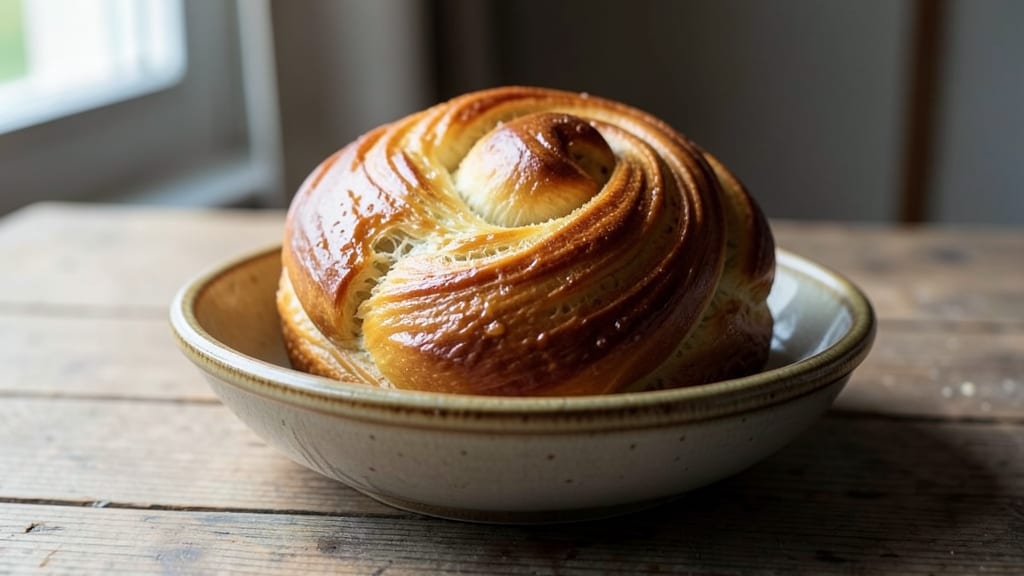
This authentic brioche bread recipe delivers the buttery swirls and pillowy layers that define French bakery perfection—no shortcuts, just traditional technique. The secret lies in incorporating cold butter into a rich, slightly sweet dough, then letting it proof slowly to develop maximum flavor and texture.
I’ve perfected this method over years of baking, ensuring every bite has that signature tender crumb and golden crust.
The process begins with a foolproof dough formula that balances flour, eggs, milk, and butter in precise proportions. Using a stand mixer (or hand-kneading for authenticity) creates the ideal gluten structure, while a two-stage proofing—room temperature followed by refrigeration—prevents overproofing and enhances flavor.
For the best results, bake in a steam-injected oven to achieve that signature shine and crackly crust.
What sets this recipe apart is its versatility—use it for classic French toast, sandwiches, or even a decadent chocolate brioche. The dough’s rich, buttery aroma fills your kitchen, and the final product has a melt-in-your-mouth texture that rivals artisanal bakery loaves.
With patience and attention to detail, you’ll master the art of brioche in your own kitchen.
Troubleshooting common issues like dense texture or underproofing is simple with the right adjustments. Whether you’re a beginner or an experienced baker, this recipe builds confidence while delivering restaurant-quality results at home. Let’s get started on your journey to perfect brioche.
Ingredients for authentic brioche bread
Buttery, golden brioche requires just these twelve ingredients—traditional French technique in your kitchen.
| Ingredient | Amount | Notes |
|---|---|---|
| All-Purpose Flour 🌾 | 4 cups | High-protein preferred for structure |
| Unsalted Butter 🧈 | 1 lb | European-style, 80% fat, cold |
| Large Eggs 🥚 | 6 whole | Room temperature for even mixing |
| Whole Milk 🥛 | 1 cup | Full-fat for richness |
| Granulated Sugar 🍚 | ½ cup | Fine grain for smooth texture |
| Active Dry Yeast 🍞 | 2 ¼ tsp | Fresh yeast if available |
| Diamond Crystal Kosher Salt 🧂 | 1 ½ tsp | Fine grain for even distribution |
| Vanilla Extract 🍯 | 1 tsp | Pure, high-quality extract |
| Honey 🍯 | 1 tbsp | For subtle sweetness |
| Large Egg Yolks 🥚 | 4 whole | Separated from whites |
| Granulated Sugar 🍚 | ¼ cup | For egg yolk wash |
| Water 💧 | ¼ cup | For yeast activation |
The butter is non-negotiable—European-style, 80% fat from brands like Plugrá or Kerrygold delivers that signature richness. Keep it cold until incorporation to prevent gluten development too early. King Arthur or Caputo flour are my go-tos for that perfect structure, but any high-protein flour works. The yeast should be fresh; if using active dry, proof it in warm milk first (not water—milk's natural sugars help activate it faster). For the eggs, room temperature is critical—they blend more smoothly into the dough. I always buy extra yolks for the wash; they create that signature glossy crust.
No European butter? High-fat American butter (86% fat) works in a pinch, though the flavor won't be identical. Running short on eggs? Replace 1 whole egg with 3 tbsp whole milk plus 1 tbsp cornstarch—it mimics the binding properties. The honey can be swapped for maple syrup or agave at equal amounts, though honey adds subtle floral notes. For the sugar, turbinado sugar adds texture if you want a slightly crunchy crust. And if your yeast isn't fresh? Test it first—drop a pinch in warm water with a pinch of sugar; if it bubbles in 5 minutes, it's active.
Store shaped brioche dough in the fridge for up to 24 hours before baking—this actually improves flavor. For longer storage, wrap tightly in plastic and freeze for up to 3 months. The baked loaf keeps at room temperature for 2 days, wrapped in a clean kitchen towel. To revive stale brioche, warm it in a 200°F oven for 5 minutes—it'll taste fresh again. And if you make extra dough? Shape into small rolls and freeze—perfect for quick French toast mornings.
Why You'll Love This Recipe
- Butter So Simple: I swear, the kneading takes longer than the actual baking. You just mix the warm milk, eggs, and sugar with the flour—then fold in that cold butter until it melts into a cloud. No fancy equipment, no stress.
- Rich Without Effort: That first pull-apart bite? Pure luxury. The sugar caramelizes just enough to give it a subtle sweetness, while the butter makes every slice irresistibly tender. (Yes, even my picky husband doesn’t skip the toast.)
- Breakfast to Dessert: Use it for French toast in the morning, sandwiches at lunch, and even a quick bread pudding at night. Freezes like a dream too—just slice and toast when you’re tired of cereal.
- Leftovers That Pay Off: One batch feeds my family for days. The butter keeps it fresh longer than regular bread, and I always end up with extra for croutons or garlic bread. Budget win, flavor win.
Step-by-step instructions for authentic brioche bread
Here's the classic French method that delivers those signature buttery swirls and ultra-soft crumb.
Activate the Yeast and Prepare the Dough Base
In a small bowl, combine the 0.25 cup water with 1 tbsp honey and 0.5 cup granulated sugar. Sprinkle the 2.25 tsp active dry yeast on top and let it sit for 5-10 minutes until it becomes foamy and bubbly. This activates the yeast and ensures proper fermentation later.
In a stand mixer fitted with the dough hook attachment, combine the 4 cups all-purpose flour and 1.5 tsp diamond crystal kosher salt. Add the 6 whole large eggs, 1 cup whole milk, and the yeast mixture. Mix on low speed until just combined, then increase to medium speed and knead for 5 minutes until the dough becomes smooth and elastic. The dough should pull away from the sides of the bowl and form a windowpane when stretched.
Incorporate the Butter and Develop Gluten
Remove the dough from the mixer and let it rest for 10 minutes at room temperature. This brief rest prevents the butter from melting when incorporated. Divide the 1 lb unsalted butter into 8 equal pieces and chill them in the freezer for 10 minutes to firm them up.
Return the dough to the mixer and add the chilled butter pieces. Mix on low speed until the butter is fully incorporated and the dough becomes smooth and homogeneous. Increase the speed to medium and knead for another 8-10 minutes until the dough is silky and elastic. The butter should be fully absorbed, leaving no visible pieces. If the dough feels sticky, you may need to add 1-2 tablespoons of flour to bring it together.
First Fermentation and Layering
Shape the dough into a rectangle and fold it in thirds like a letter, sealing the edges tightly. Place the dough seam-side down in a lightly greased bowl, cover it with a damp kitchen towel, and let it rise in a warm place for 1-2 hours or until it has doubled in size. The dough should be soft and slightly springy to the touch.
Once the dough has risen, turn it out onto a lightly floured surface and divide it into 4 equal pieces. Roll each piece into a rectangle measuring about 8x12 inches. Spread each rectangle evenly with a thin layer of the remaining 4 whole large egg yolks mixed with 0.25 cup granulated sugar and 1 tsp vanilla extract. Roll up each rectangle tightly from the long side, sealing the edges to form a log. Arrange the logs side by side in a greased 9x13-inch baking pan.
Second Fermentation and Shaping
Cover the pan with a damp towel and let the dough rise again for 1-2 hours or until the logs have puffed up and nearly fill the pan. Preheat your oven to 350°F and place a baking sheet on the middle rack to heat up.
Remove the towel and gently press down on the dough to release any air bubbles. Use a sharp knife to score the top of the brioche into diamond or square shapes, cutting about ½ inch deep. This step not only creates a beautiful pattern but also allows the bread to expand evenly as it bakes. Transfer the pan to the preheated baking sheet and bake for 35-40 minutes until the brioche is golden brown and the internal temperature reaches 190°F.
Cool and Serve for Maximum Flavor
Remove the brioche from the oven and let it cool in the pan for 10 minutes. Transfer it to a wire rack to cool completely. The brioche will continue to set as it cools, becoming even more tender and flavorful. Slice it into thick pieces and serve warm for the best texture and aroma.
For an authentic touch, brush the warm slices with a little melted butter and sprinkle with a pinch of diamond crystal kosher salt. The layers should be pillowy, the swirls rich and buttery, and each bite should deliver that signature brioche flavor. Store any leftovers in an airtight container at room temperature for up to 3 days or freeze for up to 3 months.
Pro Tips For Making Authentic Brioche Bread
- SOFTEN BUTTER FIRST: Cold butter from the fridge will never cream properly—it’ll just turn into tiny lumps. Microwave it in 10-second bursts until it’s pliable but not melted (about 30-40 seconds total), then let it sit for 2 minutes. I learned this the hard way after kneading dough that felt like sandpaper.
- WEIGH YOUR FLOUR: Scooping flour from the bag packs in too much air, and your brioche will end up denser than a brick. Use a kitchen scale and measure by weight—1 cup of all-purpose flour is roughly 120 grams, but packing varies wildly. My first loaf was a sad, flat pancake until I switched.
- DON’T OVERPROOF THE DOUGH: Brioche dough is delicate—let it rise just until it’s doubled, then stop. Overproofing makes it collapse like a sad soufflé. Test by poking gently: if it springs back slowly, it’s ready. If it stays indented, you’ve waited too long.
- USE ROOM-TEMP EGGS: Cold eggs in warm dough slow fermentation and make the texture uneven. Take them out of the fridge 30 minutes before mixing. I was skeptical until I tried it—now my brioche has that silky, uniform crumb every time. No more chewy bits.
Creative variations of this recipe
Sweet Brioche Twists
Transform your brioche into decadent chocolate brioche by adding ½ cup melted dark chocolate to the egg yolk wash before rolling. Spread it evenly over the dough logs for rich, gooey pockets.
For a citrus brioche, mix 1 tbsp orange zest into the dough base—it brightens the flavor beautifully. 🍫
Savory Variations
Swap the sugar in the egg yolk wash for 1 tbsp Dijon mustard and 1 tsp garlic powder for a herb and garlic brioche. Top with fresh rosemary sprigs before baking.
For a cheesy brioche, fold ½ cup shredded Gruyère into the dough before shaping—it melts into creamy pockets. Perfect for charcuterie boards!
Mini Brioche Rolls
Divide the dough into 12 small balls (about 2 oz each) and place them in a greased mini muffin tin. Let rise until puffy, then bake at 350°F for 12-15 minutes.
These are ideal for breakfast pastries—fill with jam or cream cheese for a French-style treat. Store in an airtight container for up to 3 days.
Gluten-Free Adaptation
Replace 2 cups of all-purpose flour with a 1:1 gluten-free flour blend (like Bob’s Red Mill). Add 1 tsp xanthan gum to improve elasticity. Keep butter cold and knead longer—gluten-free dough needs extra time to develop structure. Expect a slightly denser but still rich brioche. 💪
Make-Ahead Brioche
Shape the dough logs and refrigerate overnight for enhanced flavor. The next day, let them rise at room temperature for 1-2 hours before baking. For freezer-friendly brioche, bake fully, cool, slice, and freeze between parchment paper.
Toast directly from frozen for crispy, warm bread. Perfect for lazy mornings! ⏰
Nutrition facts
Frequently asked questions
Why does my brioche turn out dense instead of light and fluffy?
Dense brioche usually means underproofing or overworking the dough. Make sure your yeast is active (test it in warm water first), and let the dough rise until it doubles in size—this can take 1-2 hours at room temperature. Also, avoid over-kneading after adding butter; the dough should be silky, not tough. Chill the dough between kneading sessions if needed to prevent gluten from overdeveloping.
Can I make brioche without a stand mixer?
Hand-kneading is the traditional method. Use a dough scraper to cut and fold the butter into the dough instead of mixing it. Knead on a floured surface for 10-15 minutes until smooth and elastic. The process just takes more time and elbow grease—patience is key for that authentic texture.
How do I get that signature golden crust and crackly top?
Steam is your secret weapon! Place a baking sheet on the oven rack before preheating, then pour ½ cup boiling water into it when you load the brioche. The steam creates that glossy, crackly crust. Also, score the top with a sharp knife before baking—this directs expansion and creates beautiful patterns while preventing over-rising.
What's the best way to store leftover brioche?
Wrap cooled brioche tightly in plastic wrap or an airtight container to keep it fresh for 2-3 days at room temperature. For longer storage, freeze slices between parchment paper for up to 3 months. To revive stale brioche, warm it in a 200°F oven for 5-10 minutes—it'll taste fresh again. Never refrigerate baked brioche unless you plan to eat it within 24 hours, as this can dry it out.
Can I use salted butter instead of unsalted?
Yes, but you'll need to adjust the salt in the recipe. Use ½ lb salted butter and reduce the kosher salt in the dough to 1 tsp instead of 1.5 tsp. The flavor will be slightly different—salted butter adds a subtle savory note—but it works in a pinch. For best results, stick with unsalted butter to control the seasoning precisely.