
Side Dishes
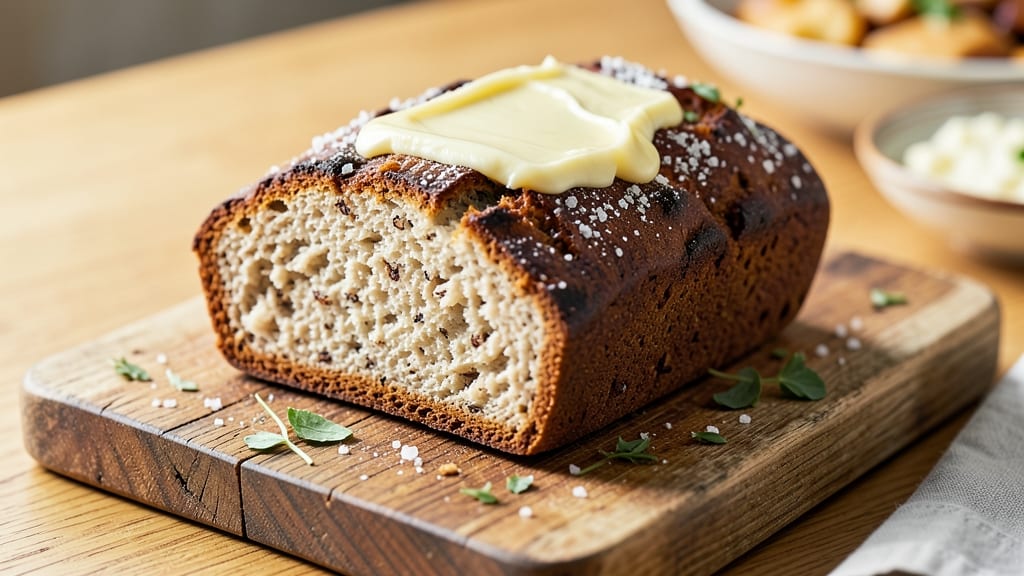
This authentic Irish brown soda bread recipe brings the heart of Ireland to your kitchen table with its signature dense crumb, nutty swirls, and slightly crisp crust. 🌟 I've perfected this traditional no-knead method over years of baking, ensuring every loaf delivers that rustic charm and satisfying texture that makes it a staple in Irish homes.
The secret lies in the combination of whole wheat flour and buttermilk, which creates a tender yet sturdy crumb with a subtle tang. Unlike commercial versions, this recipe skips yeast entirely—relying instead on baking soda for a light, airy rise.
The addition of butter or margarine creates those coveted golden swirls that give brown soda bread its iconic appearance.
What you'll end up with is a loaf that's dense yet tender, with a crackly crust and a warm, nutty aroma that fills your kitchen. The texture is perfect for serving alongside soups or stews, or simply toasted with butter.
This is the kind of bread that carries generations of tradition in every bite.
For those wanting to keep it classic, we'll stick to traditional ingredients, but I'll also share variations like adding seeds or raisins for extra texture and sweetness. The best part? It only takes about 30 minutes from start to finish, with minimal effort but maximum reward.
Ingredients for authentic irish brown soda bread
Gather these rustic ingredients for bread that tastes like Irish tradition.
| Ingredient | Amount | Notes |
|---|---|---|
| All-Purpose Flour 🌾 | 3 cups | For structure and texture |
| Whole Wheat Flour 🌾 | 1 cup | For nutty flavor and density |
| Buttermilk 🥛 | 1 ½ cups | For tangy flavor and rise |
| Unsalted Butter 🧈 | ½ cup | Cold, cubed for swirls |
| Baking Soda 🍞 | 1 ½ tsp | For leavening action |
| Salt 🧂 | ½ tsp | Diamond Crystal preferred |
| Granulated Sugar 🍚 | ¼ cup | For subtle sweetness |
| Milk 🥛 | ¼ cup | For moisture balance |
| Freshly Ground Black Pepper 🌶️ | ¼ tsp | For subtle warmth |
The flours are the soul of this bread—whole wheat for that signature nutty depth and all-purpose for structure. Bob's Red Mill has great whole wheat flour if you want to splurge, but the store-brand stuff works fine too. Butter matters here—use cold, unsalted sticks straight from the fridge. The baking soda is non-negotiable for that classic rise, but don't overmix once it hits the batter or you'll get a dense loaf. I always grab Diamond Crystal kosher salt when I'm baking—it dissolves better than table salt and adds a cleaner flavor. For the buttermilk, if you've got plain yogurt, just add a splash of lemon juice or vinegar and let it sit for 5 minutes.
No buttermilk? Mix 1.5 tablespoons vinegar or lemon juice with 1.25 cups milk—it works perfectly. Short on whole wheat flour? Substitute up to half with rye flour for extra depth. Want to add seeds? Sunflower or flaxseeds work beautifully—just toss them in before baking. The pepper is subtle but essential—freshly ground makes all the difference. If you're feeling adventurous, swap half the milk for buttermilk again—it'll make the crust extra tender. And if you're making this ahead, freeze the dough before shaping—bake straight from frozen by adding 10 minutes to the cooking time.
This dough keeps best in the fridge for up to 2 days—wrap tightly in plastic. For longer storage, freeze the shaped loaf (unbaked) for up to 3 months. The best part? It reheats beautifully—wrap in foil and warm in a 350°F oven for 10 minutes. I always make two loaves when company's coming—one for toasting, one for serving with soup. The crust gets crispier as it cools, so slice it while still slightly warm for those perfect crackly pieces. Leftovers? Toast them—nothing beats brown soda bread with butter for breakfast.
Why You'll Love This Recipe
- No-Fuss Mixing: Mixing takes all of five minutes—just dump the flours, crack the butter, stir in buttermilk, and fold in baking soda. Honestly, I’ve made it while waiting for coffee to brew, and it still turns out perfect.
- Buttery, Tangy Magic: That whole wheat flour gives it a hearty texture, while the buttermilk and butter create a rich, slightly tangy crumb. The baking soda keeps it light—no dense, heavy loaf here.
- Breakfast to Brunch: Slice it warm for toast with jam, or serve thick slabs with soup. Between us, it’s my go-to for lazy mornings or when unexpected guests drop by.
- Lasts All Week: One loaf feeds us for days—stale bread? Toss it in a bag and toast it later. And since it’s mostly flour and butter, it’s cheap enough to bake twice if you’re feeling generous.
Step-by-step instructions for authentic Irish brown soda bread
Here's how to bake traditional Irish soda bread with that signature nutty crunch and tender crumb.
👨🍳 Step 1: Mix the Dry Ingredients for Perfect Texture
In a large mixing bowl, combine the 3 cups all-purpose flour and 1 cup whole wheat flour. Sift them together for a light, airy base—this prevents dense pockets in your bread. Add the 1.5 teaspoons baking soda and 0.5 teaspoon salt, then give everything a quick whisk to distribute evenly.
I like to use a fork here to break up any flour clumps before adding liquids. The whole wheat flour gives that authentic nutty flavor, but it can be dense, so we need to make sure everything's thoroughly mixed. Set this dry mixture aside—it's your foundation.
👨🍳 Step 2: Create the Buttermilk Mixture for Tangy Rise
In a separate bowl, whisk together the 1.5 cups buttermilk, 0.25 cup milk, 0.25 cup granulated sugar, and 0.25 teaspoon freshly ground black pepper. The pepper adds a subtle warmth that balances the bread's earthy tones. Let this mixture sit for 5 minutes while you prepare the butter.
This resting time lets the buttermilk's acidity fully activate, which is crucial for that classic soda bread tang. The sugar helps caramelize slightly during baking, giving the crust its signature golden hue. Don't skip this step—it makes all the difference in flavor development.
👨🍳 Step 3: Cut in the Cold Butter for Signature Swirls
Cut the 0.5 cup unsalted butter into small cubes and chill them for 10 minutes in the freezer. This keeps them firm when you work them into the dough. Using a pastry cutter or two forks, mix the cold butter cubes into the dry ingredients until you have pea-sized crumbs with butter pieces.
Here's the trick: work quickly but gently. You want the butter to stay cold enough to create those beautiful swirls when baked, but not so cold it prevents proper mixing. The butter should coat the flour evenly—this creates the bread's signature layers and tender crumb.
🥘 Step 4: Combine Wet and Dry for the Perfect Dough
Make a well in the center of your dry mixture and pour in the buttermilk mixture. Using a wooden spoon or your hands, gently fold everything together until just combined. The dough will be shaggy and sticky—this is normal! Resist the urge to overwork it. Stop mixing when you see flour streaks disappearing.
I know it looks messy, but this is how authentic Irish soda bread should be. The dough shouldn't be smooth like commercial bread dough—it's supposed to have texture. If it's too sticky to handle, wet your hands slightly to prevent sticking. The bread's rustic character comes from this imperfect texture.
🔥 Step 5: Shape and Bake for Crispy Crust
Turn the dough onto a lightly floured surface and gently shape it into a round loaf about 1 inch thick. Place it on a parchment-lined baking sheet. Score the top with a sharp knife in a cross pattern—this prevents cracking during baking and gives that classic soda bread look.
Preheat your oven to 375°F. Bake for 35-40 minutes until the bread sounds hollow when tapped on the bottom and the crust has a deep golden brown color. The interior should still be slightly dense—this is what makes authentic soda bread different from sandwich bread.
⏰ Step 6: Cool and Serve Traditionally
Let the bread cool on a wire rack for at least 20 minutes before slicing. I know it's tempting to cut into it warm, but giving it time to set prevents a gummy texture. The bread will keep well wrapped at room temperature for 2-3 days or frozen for up to 3 months.
Serve slices toasted with Irish butter for the ultimate experience. The crust should be crispy with a slightly chewy interior, and each bite should deliver that perfect balance of buttery richness, nutty whole wheat flavor, and subtle tang from the buttermilk. Sláinte!
Pro Tips For Making Authentic Irish Brown Soda Bread
- Mix the Dough Just Until Combined: Stop when the flour is barely moistened—overmixing turns brown soda bread dense and chewy. I used to punch it like I was mad, but now I just fold the buttermilk in until the dough clumps together. That’s it. Less effort, better texture.
- Use Cold Buttermilk: Pull the buttermilk straight from the fridge—cold fat slows gluten development, keeping the crumb tender. I learned this the hard way after a batch turned out like a brick. No need to thaw it; just measure it cold and let the dough warm up naturally.
- Skip the Overproofing: Brown soda bread doesn’t need to rise long—just until the dough doubles, about 30-45 minutes max. I once left mine sitting for hours, and it collapsed in the oven. Trust the recipe’s timing; this bread is all about quick fermentation.
- Cut the Butter in Last: Fold in the cold, cubed butter right before shaping—it melts during baking for a tender crumb, not a greasy one. I used to mix it in early, and the bread turned out greasy and heavy. Save that step for the end.
Best sauces and condiments for authentic irish brown soda bread
Classic Irish Butter
Nothing elevates Irish soda bread like Kerrygold Irish Butter—its rich, slightly salty profile complements the bread's nutty whole wheat flavor perfectly. I recommend spreading 1 tablespoon per slice on warm bread, letting it melt slightly for that authentic Irish experience.
For a sweeter touch, mix 1 teaspoon honey into the butter before spreading. 🧈
Whiskey Caramel Sauce
For a sophisticated twist, drizzle warm bread with homemade whiskey caramel sauce. Simmer ½ cup granulated sugar with 2 tablespoons butter and 2 tablespoons Irish whiskey (like Jameson) until golden.
The whiskey adds depth while balancing the bread's earthiness. Store leftovers in the fridge for up to 1 week.
Creamy Colcannon
Pair your soda bread with traditional Irish colcannon—mashed potatoes mixed with steamed kale or cabbage, butter, and cream. The creamy texture contrasts beautifully with the bread's crisp crust. Serve alongside for a hearty Irish meal that feels like home. 🥔
Spiced Apple Butter
Sweet and tangy apple butter made with cinnamon, nutmeg, and a touch of brown sugar adds a festive touch. Spread 1-2 teaspoons on toasted slices for breakfast or dessert. Look for Molly McButter for a store-bought shortcut that still delivers authentic flavor.
Smoked Salmon Spread
For a savory option, mix smoked salmon with sour cream, chives, and a pinch of Dijon mustard. The smoky notes pair wonderfully with the bread's buttery richness. Serve on toasted slices for a brunch-worthy treat that feels gourmet. 🐟
Honey and Sea Salt
Keep it simple with raw honey and flaky sea salt—a classic combo that highlights the bread's natural flavors. Drizzle 1 teaspoon honey over warm slices and sprinkle with pinch of salt for a balance of sweet and salty. Local honey works best for that authentic Irish touch. 🍯
Nutrition facts
Frequently asked questions
Why does authentic Irish brown soda bread use baking soda instead of yeast?
Traditional Irish brown soda bread relies on baking soda for a quick rise without yeast, which was historically unavailable in rural Ireland. The baking soda reacts with the buttermilk's acidity to create carbon dioxide bubbles, giving the bread its signature airy yet dense texture. This method also means no waiting for dough to proof—perfect for quick preparation!
Can I make this recipe without buttermilk?
Mix 1.5 tablespoons vinegar or lemon juice with 1.25 cups milk and let it sit for 5 minutes to mimic buttermilk's tang. This substitution works perfectly and won't alter the bread's authentic flavor. For extra richness, use whole milk instead of reduced-fat.
How do I fix a dense or gummy soda bread?
Overmixing or underbaking are the most common culprits. For next time, stop mixing when flour streaks disappear, and bake until the internal temperature reaches 190°F (use an instant-read thermometer). If your bread is already baked, try toasting slices with butter—it often improves texture. For future loaves, ensure your butter stays cold when cutting it into the dough.
What's the best way to store leftover soda bread?
Wrap cooled slices tightly in plastic wrap or foil to maintain freshness. At room temperature, it stays good for 2-3 days. For longer storage, freeze the whole loaf (unbaked or baked) for up to 3 months. To reheat, wrap in foil and warm in a 350°F oven for 10 minutes—this restores that perfect crispy crust.
Can I add seeds or raisins to this recipe?
Yes! For extra texture, fold in ¼ cup sunflower seeds, flaxseeds, or raisins before shaping the dough. Just be mindful of the bread's density—too many add-ins can make it heavy. If using raisins, soak them in warm water for 10 minutes first to plump them up. The seeds add crunch, while raisins bring natural sweetness that pairs beautifully with the bread's nutty flavor.