
Side Dishes
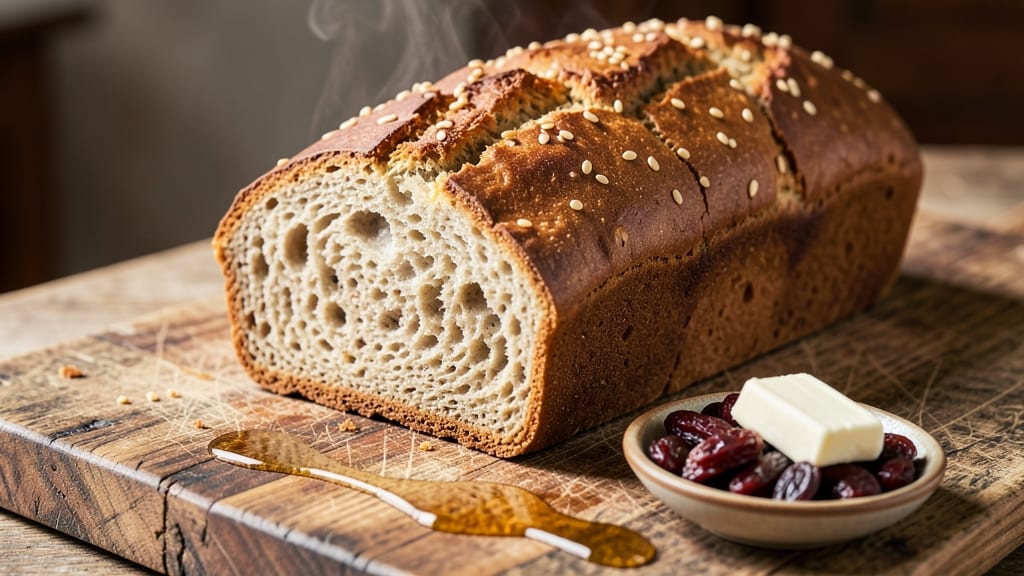
America's Test Kitchen Irish soda bread recipe delivers the perfect balance of buttery crust and tangy spice that defines this Irish classic. This no-knead method transforms simple pantry staples into a rustic loaf with a crisp exterior and tender crumb—no yeast, no fuss, just foolproof results.
The secret lies in precise ingredient ratios and a gentle baking approach that ensures even browning without overcooking the center.
What sets this recipe apart is its adaptability while staying true to tradition. The base formula—flour, buttermilk, baking soda, and salt—creates that signature tangy flavor, while optional add-ins like raisins, seeds, or even caramelized onions let you customize without sacrificing texture.
The bread develops its signature flavor as it bakes, with a golden crust that crackles when sliced open to reveal a moist, slightly dense interior.
Baking takes just 45 minutes, making it ideal for weekend breakfasts or holiday sides. The aroma alone—warm, buttery, with hints of caramelized sugar—will fill your kitchen and have everyone reaching for seconds. This recipe proves you don’t need yeast or hours of kneading to create restaurant-quality bread at home.
Serve warm with butter, jam, or alongside soups and stews for a hearty meal. The versatility of this bread makes it perfect for any occasion, from casual weeknight dinners to festive gatherings. Here’s how to achieve that perfect Irish soda bread every time.
Ingredients for america's test kitchen irish soda bread
Fourteen simple ingredients transform into the perfect Irish soda bread with buttery crust and tangy spice perfection.
| Ingredient | Amount | Notes |
|---|---|---|
| All-Purpose Flour 🌾 | 3 ½ cups | Sifted for even texture |
| Buttermilk 🥛 | 1 ½ cups | Room temperature preferred |
| Baking Soda 🧂 | 1 tbsp | Pure, not baking powder |
| Salt 🧂 | ¾ tsp | Diamond Crystal preferred |
| Unsalted Butter 🧈 | ½ cup | Cold, cubed for texture |
| Honey 🍯 | ¼ cup | Wildflower preferred |
| Raisins 🍇 | ½ cup | Plump, soaked optional |
| Sesame Seeds 🌱 | ¼ cup | Toasted for aroma |
| Milk 🥛 | ¼ cup | For brushing crust |
The flour is non-negotiable—King Arthur or Gold Medal brands yield the best texture. King Arthur has higher protein for that signature chew, but Gold Medal works in a pinch. The buttermilk needs to be room temperature (cold buttermilk creates dense bread), so pull it from the fridge 30 minutes before mixing. Whole Foods sells buttermilk in glass bottles—worth the splurge for freshness. Honey should be liquid (not crystallized)—microwave for 10 seconds if needed. Sesame seeds toast in a dry pan for 2 minutes until golden—game-changer for nutty depth.
No buttermilk? Mix 1 cup milk + 1 tbsp white vinegar, let sit 5 minutes. Substitute honey with maple syrup if you prefer, but honey’s floral notes are traditional. Raisins can be swapped for chopped dates or dried cranberries—just adjust sweetness to taste. The sesame seeds? Poppy seeds or sunflower seeds work too, but sesame’s toasted aroma is iconic. For extra richness, add 1 tbsp sour cream to the wet ingredients. And if you’re feeling fancy, fold in caramelized onions (about 0.5 cup) for a sweet-savory twist.
This dough keeps 2 days in the fridge, wrapped in plastic. For best results, bake immediately—the longer it sits, the denser it gets. The bread reheats beautifully: wrap in foil and warm at 350°F for 10 minutes. Stale slices? Toast or warm in a dry pan for 2 minutes per side. Freeze slices for up to 3 months—wrap individually in parchment for crispiness. Pro tip: Brush the crust with melted butter while warm for that restaurant-quality sheen.
Why You'll Love This Recipe
- Here’s what sold me: that tangy buttermilk cuts through the richness of the butter, giving it a bright, almost citrusy lift. It’s not sweet or heavy—it’s got this clean, slightly sour edge that makes every bite feel fresh, like a morning in a Dublin bakery.
- No-Knead Magic: I swear by this recipe because it’s the only bread I make without a single knead or a stand mixer. Just mix flour, buttermilk, baking soda, and a pat of butter—then pop it in the oven. That’s it. The baking soda does all the work, so you get a tender crumb without the effort.
- Buttermilk Secret: Here’s what sold me: that tangy buttermilk cuts through the richness of the butter, giving it a bright, almost citrusy lift. It’s not sweet or heavy—it’s got this clean, slightly sour edge that makes every bite feel fresh, like a morning in a Dublin bakery.
- Weeknight & Picnic Hero: Between us, this bread is my go-to for breakfast toast, lunch sandwiches, or picnic sides. Slice it warm with butter, or pack it cold for a day out—it holds up perfectly. Honestly, I’ve even used it to soak up soup when I’m lazy.
Step-by-step instructions for america's test kitchen Irish soda bread recipe
This method delivers that signature buttery crust and tangy crumb—every slice will be perfect.
Prepare the Raisins and Toast Sesame Seeds
First, give the raisins a quick soak in warm water for 5 minutes to plump them up. Drain well and pat dry with a paper towel—this ensures they stay moist during baking without making the bread soggy. In a dry skillet over medium heat, toast the sesame seeds for 2-3 minutes until they release their nutty aroma and turn a deeper golden color. Let them cool completely before using; this prevents them from cooking further when mixed into the dough.
Here's the thing—properly toasted sesame seeds add a whole new dimension of flavor. If you skip this step, you'll miss that subtle crunch and aroma that makes this bread truly special. Keep them in a small bowl until ready to fold into the dough.
Mix the Dry Ingredients and Butter
In a large mixing bowl, combine the 3.5 cups all-purpose flour, 1 tablespoon baking soda, and 0.75 teaspoon salt. Whisk them together until evenly distributed—this ensures no pockets of baking soda remain that could make your bread taste bitter. Add the 0.5 cup cold cubed unsalted butter and use your fingers or a pastry cutter to work it into the flour until the mixture resembles coarse crumbs with pea-sized butter pieces. You're aiming for a texture that still has visible fat—this creates those signature pockets of butter flavor when baked.
Don't overwork the butter here. You want it broken down just enough to create steam during baking, which develops that perfect crumb. If you turn it into a fine powder, you'll lose that buttery richness that makes this bread so irresistible.
Combine Wet Ingredients and Form the Dough
In a separate bowl, whisk together the 1.5 cups buttermilk, 0.25 cup honey, and 0.25 cup milk. The honey adds just the right amount of subtle sweetness that balances the tangy buttermilk. Pour this liquid mixture into the dry ingredients and stir gently with a wooden spoon until just combined. You'll notice the dough comes together quickly—this is normal with soda bread. Fold in the drained raisins and toasted sesame seeds, mixing just until evenly distributed throughout.
The dough will be sticky, but don't add more flour. This recipe relies on the moisture from the buttermilk to create that tender crumb. If it seems too wet to handle, wet your hands slightly before shaping—this prevents sticking. Turn the dough out onto a lightly floured surface and shape it into a round loaf about 3 inches thick. The round shape helps create that classic soda bread texture with a crispy crust.
Create the Signature Crust and Bake
Preheat your oven to 375°F with a baking sheet inside to warm. Place the shaped dough on the baking sheet and make a deep cross cut about ½ inch wide on top. This isn't just for show—it allows steam to escape, preventing a dense crumb. In a small bowl, brush the dough generously with additional 0.25 cup milk mixed with 1 tablespoon melted unsalted butter. This creates that golden, buttery crust we're after.
Bake for 45-50 minutes until the crust is deep golden brown and the internal temperature reaches 190°F when measured with an instant-read thermometer. You'll know it's done when the bread sounds hollow when tapped on the bottom. The crust should be crackly and crisp—this is where the magic happens. If the top browns too quickly, tent loosely with foil after 30 minutes to prevent over-browning while the center finishes baking.
Cool and Serve for Maximum Flavor
Remove the bread from the oven and let it cool on a wire rack for at least 30 minutes before slicing. This resting period allows the internal structure to set properly, making each slice clean and easy to serve. The bread will continue to develop its full flavor as it cools—this is when the buttery aroma really comes through. I know it's tempting to cut into it warm, but patience here pays off with perfect texture.
Slice the bread into ½-inch thick pieces and serve warm. Each bite should deliver that perfect balance of crispy crust, tender crumb, and bursts of sweet raisins and nutty sesame seeds. The buttermilk tang and honey sweetness will make this your new go-to bread for breakfast or as a side dish. Store any leftovers wrapped in a clean kitchen towel to keep them fresh for up to 3 days.
Pro Tips For Making America'S Test Kitchen Irish Soda Bread
- Chill the Dough: The ATK recipe calls for resting the dough for 10 minutes, but I learned the hard way—skip the rush. Let it sit for a full 15 minutes (or up to 30) if you can. This isn’t just about ease of shaping; it’s what gives you that signature tender crumb. Cold dough also means less spread when baking, so your loaf stays compact and sturdy.
- Measure Buttermilk Precisely: The recipe specifies 1 1/4 cups buttermilk, but I used to eyeball it—big mistake. Buttermilk separates when overmeasured, and that’s when your bread turns dense. Use a liquid measuring cup, fill to the line, then stir. If it’s too thick, add a splash of water to hit the 1 1/4-cup mark. Trust me, your bread will thank you.
- Don’t Overmix the Butter: The ATK method folds in softened butter until it’s "just combined," but I used to work it like dough until it looked smooth. That’s how you end up with a gummy, heavy loaf. The butter should be in pea-sized chunks, barely incorporated—just enough to coat the flour. Think "rustic crumb," not "homogeneous paste."
- Bake Until Internal Temp Hits 190°F: The recipe says "golden brown," but I ignored the thermometer for years. That’s how you get a loaf that’s almost done on the outside but still doughy inside. Use an instant-read thermometer—190°F at the center guarantees a fully baked, even crumb. No more slicing into a sad, underdone center.
Pro cooking tips for perfect results
Buttermilk Temperature Matters
The buttermilk’s temperature is non-negotiable for perfect soda bread. Use room-temperature buttermilk—cold buttermilk creates dense bread because the fat solidifies too quickly during baking. I pull mine from the fridge 30 minutes before mixing.
For extra insurance, place the buttermilk jar in warm water for 10 minutes if your kitchen runs cold. This small step ensures that signature tender crumb we all crave. 🥛
Honey’s Role Beyond Sweetness
Honey isn’t just for sweetness—it’s the secret to that caramelized crust. Use liquid honey (not crystallized) and make sure it’s wildflower or clover variety for floral depth. If your honey is thick, microwave it for 10 seconds to restore flow.
The honey’s enzymes help create a slightly chewy texture in the crumb while promoting browning. I’ve found that local honey adds subtle regional flavor notes that store-bought varieties can’t match. 🍯
Butter Texture is Critical
Cold, cubed butter creates those signature pockets of flavor in soda bread. Cut ½ cup unsalted butter into ½-inch cubes and chill them for 15 minutes before mixing. When you work the butter into the flour, aim for pea-sized pieces—this ensures steam develops during baking, creating that tender crumb.
Overworking the butter turns it into a paste, which robs the bread of its buttery richness. I use my fingers for this step because it’s faster than a pastry cutter and gives better control. 🧈
Cross Cutting Technique
The deep cross cut on top isn’t just decorative—it’s functional. Use a sharp serrated knife to make a ½-inch wide cross about ½ inch deep into the dough before baking. This allows steam to escape, preventing a dense crumb.
The cuts also create those beautiful crackly crust edges. I make the first cut straight down the center, then rotate the loaf 90 degrees and cut perpendicular. This ensures even steam release from all sides. ✨
Baking Sheet Prep
Preheat your baking sheet in the oven for 10 minutes before adding the dough. This ensures even heat distribution and prevents the bottom from cooking too quickly. Line the sheet with parchment paper for easy removal, but don’t grease it—excess fat can make the crust soggy.
I use a half-sheet pan for this recipe because it provides enough surface area for even baking without overcrowding. The bread should bake on the middle rack for consistent results. 🔥
Internal Temp is Key
Your bread is done when it reaches 190°F internal temperature at the center. I use an instant-read thermometer for accuracy—don’t rely on color alone. The bread should sound hollow when tapped on the bottom.
If the crust browns too quickly, tent loosely with foil after 30 minutes to prevent over-browning while the center finishes baking. This technique helps maintain moisture in the crumb. 🌡️
Nutrition facts
Frequently asked questions
Why does this Irish soda bread have a buttery crust when it doesn't contain much butter?
The secret lies in the cold cubed butter mixed into the dry ingredients and the milk-butter wash brushed on top before baking. The cold butter creates steam during baking, which develops flavor and crispness in the crust. The milk-butter wash adds richness and promotes caramelization.
Can I make this soda bread without buttermilk?
Yes! Mix 1 cup milk + 1 tablespoon white vinegar and let sit for 5 minutes to curdle. For extra tang, add ½ teaspoon lemon juice instead of vinegar. The buttermilk's acidity is crucial for that signature flavor, but this substitute works well in a pinch.
What's the best way to store leftover Irish soda bread?
Wrap cooled slices in a clean kitchen towel to maintain freshness for up to 3 days at room temperature. For longer storage, freeze slices individually wrapped in parchment for up to 3 months. To revive stale bread, warm slices in a dry skillet for 2 minutes per side or toast until crispy.
Why did my soda bread turn out dense instead of tender?
Dense bread usually results from overmixing the dough, cold buttermilk, or overbaking. Mix just until combined (the dough will be sticky), use room-temperature buttermilk, and bake until the internal temp reaches 190°F. The cross cut helps prevent density by allowing steam to escape.
Can I add other mix-ins besides raisins and sesame seeds?
Try chopped dried cranberries, sunflower seeds, or caramelized onions for sweet-savory flavor. For extra richness, fold in 1 tablespoon sour cream with the wet ingredients. Just don't exceed ½ cup total add-ins to maintain the perfect texture.