
Side Dishes
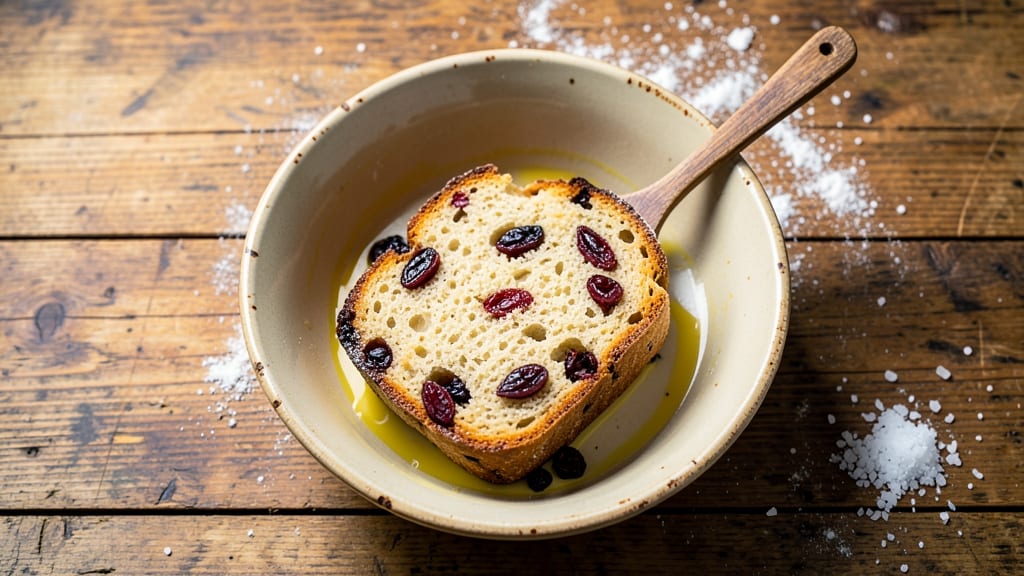
Grandma's Irish soda bread recipe brings warmth and tradition to your kitchen with its signature buttery crumb and tangy depth. This no-knead loaf requires just five simple ingredients—flour, baking soda, buttermilk, salt, and butter—yet delivers a texture that’s impossible to resist.
The secret lies in the baking soda’s quick action, creating that signature dense crumb while keeping the crust soft.
What makes this recipe special is its simplicity and versatility. No kneading means less effort, yet the result is a rustic loaf with a golden crust and tender interior. The buttermilk adds that signature tang, while the butter ensures a rich, flavorful bite.
Whether you stick to the classic version or add raisins, seeds, or herbs, this bread adapts effortlessly to your preferences.
By the time it emerges from the oven, you’ll have a loaf that smells like childhood memories and tastes like comfort. The crust stays soft for days, making it perfect for toast, sandwiches, or serving alongside soups.
This is the kind of bread that turns ordinary meals into something special—no fancy techniques required.
Ready in just 30 minutes of active time (plus baking), this recipe is ideal for busy weeknights or weekend baking projects. The no-knead method ensures foolproof results, while the tangy, buttery flavor makes it a crowd-pleaser. Let’s get started on a loaf that tastes like home.
Ingredients for grandma's irish soda bread
Five simple ingredients deliver that classic Irish soda bread flavor—tangy, buttery, and impossibly tender.
| Ingredient | Amount | Notes |
|---|---|---|
| All-Purpose Flour 🌾 | 4 cups | Sifted for even texture |
| Baking Soda 🍞 | 1 tbsp | Pure, not baking powder |
| Buttermilk 🥛 | 1 ½ cups | Full-fat for tanginess |
| Salt 🧂 | 1 tsp | Fine sea salt preferred |
| Unsalted Butter 🧈 | ½ cup | Cold, cubed for texture |
| Raisins 🍇 | ½ cup | Optional, soaked if dry |
| Sesame Seeds 🌱 | 1 tbsp | Optional, for topping |
The flour is the foundation, so King Arthur or Gold Medal are ideal—they hold up to the baking soda’s lift. Baking soda isn’t baking powder, so don’t substitute (it’ll taste flat). For buttermilk, culture it yourself by mixing 1.5 tbsp vinegar or lemon juice into 1.5 cups milk, or grab the carton from the dairy aisle. The butter should be cold—cut it into small cubes so it melts slowly and creates pockets of richness. If you’re using raisins, soak them in warm water for 10 minutes to plump them up (trust me, it makes a difference).
No buttermilk? Substitute with 1.5 cups plain yogurt or 1.4 cups milk plus 1.5 tbsp vinegar. Skipping raisins? Try chopped walnuts or sunflower seeds for crunch. The sesame seeds are optional but add a nice crunchy contrast—Trader Joe’s or bulk bins have the best prices. For a sweeter loaf, add 1-2 tbsp honey or maple syrup to the dough. And if you’re worried about the baking soda’s sharpness, the buttermilk’s acidity will mellow it out perfectly.
This bread stays fresh for 3-4 days wrapped in a clean kitchen towel. For longer storage, freeze slices in a bag for up to 3 months. The crust stays soft for days, so it’s perfect for toast or sandwiches. I like to slice it while still warm—a serrated knife makes clean cuts. Leftovers? Toast them with a little extra butter for breakfast the next morning.
Why You'll Love This Recipe
- No-Mix Magic: I swear by this—just dump the flour, soda, and salt into a bowl, cut in the butter, then stir in buttermilk until it’s just sticky. No kneading, no fuss, and no waiting for dough to rise. That buttermilk tang cuts through the richness of the butter, giving it this bright, almost buttery-sour punch that’s so satisfying.
- Crust So Good: The secret’s in the baking soda and that quick bake—it browns fast, giving you this crisp, caramelized crust while the inside stays soft and pillowy. Honestly, I’ll take this over store-bought any day. Toast it the next morning, and it’s like a free, warm hug.
- Budget Breakfast Win: Five ingredients, zero specialty items, and it costs pennies to make. Between us, I’ve fed a crowd of six for under $3 using this—plus, the buttermilk stretches the butter so it doesn’t feel heavy. It’s my go-to when I’m broke but still want something that tastes like love.
Step-by-step instructions for grandma's Irish soda bread
Here's the straightforward method that delivers a tender crumb and crispy crust every time.
Prepare the Raisins and Mix Dry Ingredients
If using raisins, soak them in warm water for 5 minutes to plump them up—this prevents dry pockets in your bread. Drain well before using. In a large mixing bowl, combine the 4 cups all-purpose flour and 1 tablespoon baking soda. Whisk gently to distribute the baking soda evenly through the flour.
Next, add the 1 teaspoon salt and mix again until fully incorporated. This step ensures even distribution of leavening and seasoning. The baking soda will react with the buttermilk later to create lift, while the salt enhances flavor and controls yeast activity—though there's no yeast in this recipe, the principle applies to flavor balance.
Cut in the Cold Butter
Add the ½ cup cold unsalted butter, cut into small cubes, to the dry ingredients. Using a pastry cutter or your fingers, work the butter into the flour mixture until it resembles coarse crumbs with pea-sized butter pieces remaining. This texture is crucial—it creates pockets of fat that will melt during baking, yielding a tender crumb.
Don't overwork the mixture. Once the butter is evenly distributed, stop mixing. Overmixing develops gluten, which can make the bread dense rather than tender. The butter should still be visible in chunks throughout the flour.
Combine Wet Ingredients and Form the Dough
Make a well in the center of the dry mixture and pour in the 1½ cups buttermilk. Using a wooden spoon or spatula, gently fold the buttermilk into the flour until just combined. The dough will be sticky but shouldn't require excessive handling. Add the soaked raisins (if using) and mix them in evenly.
Here's the thing—this dough doesn't need to come together perfectly. It's designed to be rustic. If it feels too wet, add 1-2 tablespoons more flour until it holds together when pressed. The buttermilk's acidity will react with the baking soda, creating lift as the bread bakes.
Shape and Prepare for Baking
Turn the dough onto a lightly floured surface and gently shape it into a round loaf, about 1 inch thick. The edges should be slightly thicker than the center, creating that classic Irish soda bread shape. Place the dough on a parchment-lined baking sheet.
Make a deep cross on top of the loaf using a sharp knife, cutting almost to the bottom. This isn't just for looks—it allows the bread to expand evenly as it bakes. Sprinkle the 1 tablespoon sesame seeds over the top for a nutty crunch and decorative finish. Let the dough rest for 10 minutes while you preheat the oven to 375°F.
Bake Until Golden and Internal Temperature Reaches 200°F
Bake the bread for 45-50 minutes until the top is deep golden brown and the internal temperature reaches 200°F when measured with an instant-read thermometer. The bread should sound hollow when tapped on the bottom. If the top browns too quickly, tent loosely with foil after 25 minutes to prevent over-browning.
This is the moment that matters: the bread should have a crisp crust with a tender, slightly crumbly interior. Let it cool on a wire rack for 15 minutes before slicing—this prevents the crumb from falling apart. Serve warm with butter for the ultimate experience.
Pro Tips For Making Grandma'S Irish Soda Bread
- MEASURE BUTTERMILK PRECISELY: Irish soda bread relies on that tangy buttermilk for rise and tenderness—don’t eyeball it. Use a liquid measuring cup and fill it to the 1-cup line, then pour into your bowl. I learned this the hard way when I used a dry measuring cup and ended up with a dense, flat loaf that tasted more like a brick than bread.
- STOP PACKING THE FLOUR: Scooping flour straight from the bag into your bowl? You’re trapping air, which makes the dough too dense. Instead, spoon the flour into a measuring cup, level it off with a knife, then gently fold it into the buttermilk-butter mix. Your bread will rise higher and have that signature light, airy crumb—no more sad, heavy loaves.
- BAKE UNTIL IT SOUNDS HOLLOW: The instant-read thermometer reads 200°F, but that’s not enough. Tap the bottom of the loaf—it should sound hollow like a drum. I used to pull mine out too soon, and it’d still be doughy inside. A minute or two extra in the oven guarantees a fully baked center without drying out the crust.
- CUT THE CRUST IMMEDIATELY: That golden crust hardens fast, so grab a sharp knife and slice the loaf as soon as you pull it from the oven. The cuts will stay crisp instead of sealing shut like a sad, closed fist. Pro move: Brush the cuts with melted butter right after slicing—it keeps the bread moist for days. (Yes, even if you’re impatient like me.)
Serving suggestions for this dish
Classic Pairings
Serve your warm Irish soda bread alongside a steaming bowl of Irish stew—the hearty beef and root vegetables soak up the bread's buttery crumb beautifully. I also love pairing it with Cheddar cheese (like Murphy's Irish Cheddar) and apple slices for a simple yet satisfying snack.
The crust stays soft enough to enjoy with soups too—try a creamy potato-leek soup for maximum comfort. 🥔
Breakfast Spread
Toast thick slices and top with clotted cream (or whipped butter) and honey for a traditional Irish breakfast. I add a sprinkle of flaky sea salt to enhance the flavors.
For a heartier option, layer with scrambled eggs and crispy bacon—the bread's tangy depth balances the richness perfectly. This combo is a weekend favorite in my kitchen.
Tea Time Tradition
Irish soda bread is legendary with Irish breakfast tea—the malty notes complement the bread's buttery, slightly tangy flavor. I steep a Earl Grey blend with a splash of milk for extra richness.
For a festive touch, serve with whipped cream and raspberry jam—this was my grandma's go-to afternoon treat. 🍵
Modern Twists
Get creative with toppings! Spread with avocado mash and sprinkle with everything bagel seasoning for a brunch upgrade. I also love pairing it with smoked salmon and cream cheese for a savory open-faced sandwich.
For dessert, drizzle with dark chocolate ganache and stud with crushed hazelnuts—it's like a deconstructed Irish trifle.
Bread Pudding Hack
Save stale slices by cubing them and using in Irish bread pudding. Toss with custard mixture, raisins, and a pinch of nutmeg, then bake until golden. This is my favorite way to use up leftovers—it tastes like a restaurant dessert. 🍮
Global Fusion
Try pairing with Mediterranean hummus and olive tapenade for a fusion twist. The bread's texture holds up perfectly to dips, and the flavors create an unexpected but delicious contrast.
For a spicy kick, serve with chili oil and pickled vegetables—this combo is perfect for game day or as a snack with beer. 🌶️
Nutrition facts
Frequently asked questions
Why does Irish soda bread have a cross on top?
The cross isn't just decoration—it serves two purposes! Traditionally, it symbolizes protection and blessing, but practically, it allows the bread to expand evenly as it bakes. The cuts let steam escape, preventing cracks and creating a more uniform rise. Plus, it makes your loaf look like it came straight from a cozy Irish cottage!
Can I make this bread without buttermilk?
Mix 1.5 cups milk with 1.5 tablespoons vinegar or lemon juice and let it sit for 5 minutes to curdle. This DIY buttermilk works perfectly and keeps the tangy flavor. For a vegan version, use unsweetened almond milk with the same acid substitution. The reaction with baking soda will still create that signature lift!
Why did my soda bread turn out dense instead of tender?
Overmixing or overworking the dough develops too much gluten, making it tough. Also, check your baking soda—it must be fresh (old baking soda loses potency). Try cutting the butter into smaller cubes next time and avoid pressing the dough too firmly when shaping. The butter should melt slowly during baking for that perfect tender crumb.
How do I store leftover soda bread?
Wrap the cooled loaf in a clean kitchen towel or plastic wrap and store at room temperature for 3-4 days. For longer storage, freeze slices in a bag for up to 3 months. The crust stays soft for days, making it perfect for toast or sandwiches. To revive stale bread, warm slices in a 200°F oven for 5-10 minutes—they'll taste fresh again!
Can I add other mix-ins besides raisins?
Try chopped walnuts, sunflower seeds, or dried cranberries for extra texture. For savory versions, add cheddar cheese or fresh herbs like rosemary or thyme. Just remember: the dough is sticky, so don't overmix when adding extras. The key is keeping the butter in pea-sized pieces for that signature tender crumb.