
Side Dishes
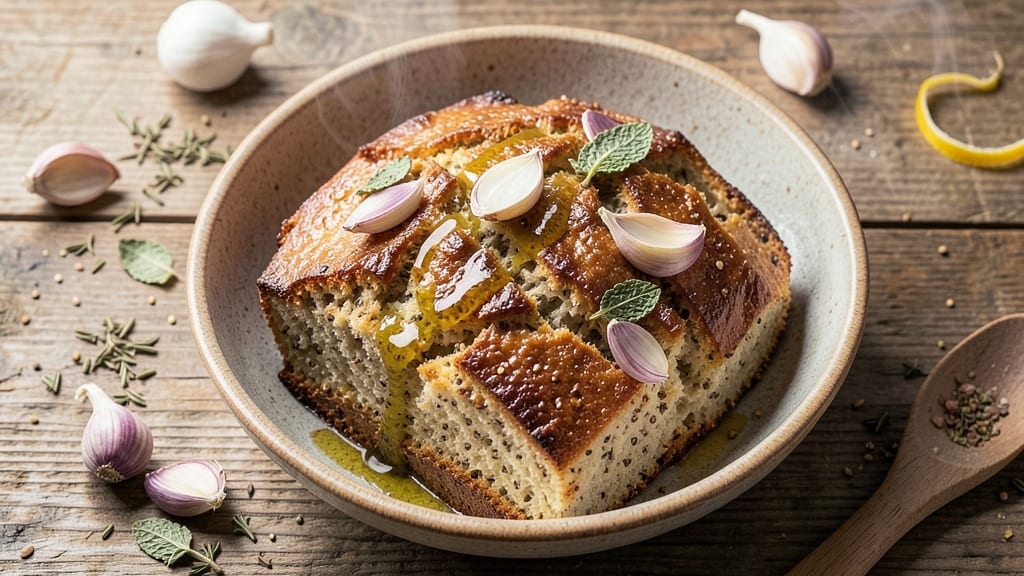
This anti-candida bread recipe delivers a gut-friendly, yeast-free crust that supports digestive health without sacrificing texture or flavor. The secret lies in coconut flour's antifungal properties and a probiotic boost from fermented ingredients, creating a loaf that's both nourishing and satisfying. Unlike traditional bread, this version avoids sugar and refined grains—common candida triggers—that leave you feeling sluggish.
What makes this recipe work is the combination of garlic, oregano, and apple cider vinegar, all known for their natural antifungal benefits. The baking soda activation creates lift without yeast, while the addition of ground flaxseed adds fiber and omega-3s. The result?
A hearty, slightly dense loaf with a nutty flavor and satisfying chew—perfect for those following an anti-candida protocol.
By the time it emerges from the oven, you'll have a loaf that's golden on the outside and tender on the inside, with none of the bloating or energy crashes that come with conventional bread.
The texture holds up beautifully when toasted, making it ideal for pairing with healthy fats like avocado or nut butter. This isn't just bread—it's a foundational element for healing your gut.
Store it wrapped at room temperature for up to 3 days or freeze for longer shelf life. Whether you're using it for breakfast toast or as a side for meals, this bread proves that nourishing doesn't mean sacrificing taste. Ready to bake your way to better digestive health?
Ingredients for anti candida bread
Coconut flour and antifungal herbs combine for a yeast-free loaf that heals your gut.
| Ingredient | Amount | Notes |
|---|---|---|
| Coconut Flour 🥥 | 2 cups | Unbleached, high-quality preferred |
| Ground Flaxseed 🌾 | ½ cup | Freshly ground for best results |
| Baking Soda 🧂 | 2 tsp | Aluminum-free preferred |
| Apple Cider Vinegar 🍎 | ½ cup | Raw, unfiltered preferred |
| Garlic Cloves 🧄 | 4 cloves | Fresh, minced for potency |
| Dried Oregano 🌿 | 2 tsp | Organic preferred |
| Sea Salt 🧂 | 1 ½ tsp | Fine grain preferred |
| Filtered Water 💧 | 1 ½ cups | Room temperature |
| Extra-Virgin Olive Oil 🫒 | ¼ cup | Cold-pressed, fruity |
| Psyllium Husk Powder 🌾 | 1 tbsp | Pure, unsweetened |
| Coconut Oil 🥥 | ¼ cup | Melted, unrefined |
| Ground Cinnamon 🌿 | 1 tsp | Ceylon preferred |
Coconut flour is the backbone here—Bob's Red Mill or Anthony's are my go-tos for quality. Look for vibrant white color (not grayish), which means it's fresh. The psyllium husk powder is non-negotiable for texture—Now Foods sells pure, unsweetened versions. Apple cider vinegar should be raw and unfiltered for maximum probiotic benefits. I grab mine from Trader Joe's in the refrigerated section. For garlic, organic cloves have more antifungal power than conventional. Store your coconut flour in the freezer to prevent rancidity—it goes stale fast once opened.
No coconut flour? Almond flour at 1:1 ratio works, but texture will be lighter. Swap dried oregano for fresh at 1:3 ratio, but you'll lose some depth. Short on psyllium husk? Extra ground flaxseed helps, though results won't be identical. The baking soda must be aluminum-free—Arm & Hammer Pure is a safe bet. For extra antifungal boost, add 1 tsp colloidal silver to the water. The dough will be thick—don't panic, it's normal. If it seems too sticky, add 1 tbsp more coconut flour.
This bread keeps 3 days wrapped at room temp, but I freeze half the batch immediately. For best texture, slice and toast straight from frozen. The coconut oil solidifies at room temperature, so store it in a glass jar in your pantry. Leftovers? Toss in a paper bag to maintain freshness. The garlic flavor intensifies after baking—perfect for pairing with avocado or almond butter. Freezes beautifully for up to 3 months.
Why You'll Love This Recipe
- No-Fuss Mixing: Honestly? This dough comes together with just a whisk and a bowl—no stand mixer, no kneading, no stress. The flaxseed and coconut flour blend like a dream, and the apple cider vinegar cuts through the heaviness so it’s light as air.
- Meal Prep MVP: I slice it fresh and store it in the fridge for toast, sandwiches, or even croutons—no sad, dried-out bread here. The flaxseed keeps it moist for days, and honestly? It’s my go-to for lunchbox packing when I’m lazy.
- Budget-Friendly Staples: Coconut flour and flaxseed are pricey upfront, but this recipe stretches them far. A single batch feeds my family for a week, and the vinegar and garlic are pantry staples. Plus, no weird substitutions—just real, simple ingredients doing their job.
Step-by-step instructions for anti candida bread
Here's how to craft a gut-friendly, yeast-free bread that's perfect for candida support.
Mix the Wet Ingredients for Proper Hydration
In a medium bowl, combine the 1.5 cups filtered water and 0.5 cup apple cider vinegar. Stir in the 0.25 cup extra-virgin olive oil and 0.25 cup melted coconut oil until fully emulsified. The vinegar helps balance pH while the oils add moisture to the dense coconut flour.
Next, add the 4 minced garlic cloves and 2 tsp dried oregano. Let this mixture sit for 5 minutes—you'll notice the garlic softens slightly and releases its aromatic oils. This pre-infusion boosts flavor and antifungal properties without overpowering the final texture.
Combine Dry Ingredients for Even Distribution
In a separate large bowl, whisk together the 2 cups coconut flour, 0.5 cup ground flaxseed, 1 tbsp psyllium husk powder, 1.5 tsp sea salt, and 1 tsp ground cinnamon. The psyllium husk is crucial here—it acts as a natural binder and improves texture without gluten. Sift the mixture lightly to eliminate any lumps.
Create a well in the center of the dry ingredients and pour in the wet mixture. Using a silicone spatula, gently fold everything together until just combined. Avoid overmixing—you're looking for a thick, shaggy batter with no dry spots. The coconut flour will absorb the liquid quickly, so work efficiently.
Add Baking Soda and Let Batter Rest
Sprinkle the 2 tsp baking soda over the batter and fold it in with a few quick strokes. The baking soda activates immediately, so don't let it sit too long after mixing. Transfer the batter to a greased 9x5-inch loaf pan and smooth the top with a wet spatula.
Let the batter rest at room temperature for 30 minutes. This step allows the psyllium husk to fully hydrate and the coconut flour to soften slightly. You'll notice the batter thickens noticeably—this is normal and essential for proper texture. Tap the pan gently; if the batter doesn't spring back, it's ready for baking.
Bake at Low Temperature for Even Cooking
Preheat your oven to 325°F—this lower temperature prevents the bread from drying out while allowing the coconut flour to fully cook through. Bake the loaf for 50-60 minutes until a toothpick inserted in the center comes out clean. The bread should have a golden-brown top but remain slightly moist inside.
Here's the thing—coconut flour bread is dense by nature, so don't expect a light, airy texture. The key is patience: if the top browns too quickly, tent the pan with foil after 30 minutes to prevent over-browning while the center finishes cooking.
Cool and Slice for Perfect Texture
Remove the bread from the oven and let it cool in the pan for 15 minutes. Then transfer it to a wire rack to cool completely for at least 1 hour. This cooling period is critical—it allows the psyllium husk to fully set and prevents the bread from becoming gummy when sliced.
Slice the bread with a serrated knife while still slightly warm for cleaner cuts. Store leftovers in an airtight container at room temperature for up to 3 days, or freeze for longer storage. The texture will firm up as it cools, but a quick 10-second microwave burst brings it back to its ideal slightly moist consistency.
Pro Tips For Making Anti Candida Bread
- Mix Flax First: Coconut flour absorbs moisture like a sponge, but ground flaxseed needs to gel properly. Whisk the flaxseed with water (or your preferred liquid) for 5 minutes before adding it to the coconut flour—this creates a smooth, elastic binder that prevents a dry, crumbly loaf. I learned this the hard way after making bread that crumbled like stale crackers.
- Preheat Pan to 325°F: Cold pans = uneven baking. Preheat your loaf pan for at least 15 minutes before pouring in the batter. The extra heat helps the baking soda activate evenly, giving you a consistent rise and a golden crust without overcooking the center. Yes, even if your oven feels like it’s taking forever to heat up.
- Skip the Vinegar Shortcut: Some recipes say to mix apple cider vinegar directly with dry ingredients, but that kills its leavening power. Instead, combine it with your liquid ingredients first—this lets it react properly with the baking soda for maximum lift. I was skeptical until I tried it, and now my bread actually rises instead of flopping.
- Press Garlic Hard: Minced garlic cloves don’t release enough flavor—press them into a paste with the flat side of your knife or the bottom of a measuring cup. This distributes the allicin (the anti-candida compound) evenly and gives the bread a bold, intentional garlic kick. I skip this step sometimes, and the bread just tastes… bland.
Health benefits of these flavors
Gut Health Boost
This bread is designed to support your gut microbiome by excluding yeast and sugar—two common triggers for candida overgrowth. The apple cider vinegar introduces beneficial probiotics that help restore balance, while the garlic and oregano provide natural antifungal properties.
Together, these ingredients create a bread that actively works to heal your digestive system rather than feed harmful microbes. 💪
Anti-Inflammatory Benefits
The coconut flour in this recipe is rich in medium-chain triglycerides (MCTs), which have anti-inflammatory effects and support brain function. The ground flaxseed adds omega-3 fatty acids, further reducing inflammation throughout your body. These ingredients make this bread particularly beneficial for those with autoimmune conditions or chronic inflammation.
Blood Sugar Balance
Unlike traditional bread made with refined wheat flour, this version has a minimal impact on blood sugar thanks to its low glycemic index ingredients. The coconut flour and psyllium husk help stabilize blood sugar levels, making it an excellent choice for those managing diabetes or insulin resistance.
The cinnamon also plays a role in improving insulin sensitivity.
Digestive Support
The combination of psyllium husk and ground flaxseed provides abundant fiber—about 12 grams per serving—which supports regular digestion and promotes healthy gut motility. This fiber content helps prevent constipation while feeding beneficial gut bacteria.
The sea salt also aids in proper electrolyte balance, which is crucial for overall digestive health.
Immune System Strength
Garlic and oregano are both powerhouse ingredients for immune support. Garlic contains allicin, a compound with potent antimicrobial properties, while oregano is rich in carvacrol, which has been shown to fight various pathogens. Together, they create a protective barrier against infections while supporting your body's natural defenses. 🌟
Nutrient Density
This bread isn't just about what it excludes—it's packed with essential nutrients. Each slice provides a good source of magnesium (from coconut flour), iron (from flaxseed), and vitamin E (from olive oil).
These nutrients work together to support cellular health and energy production, making this bread a nourishing addition to any anti-candida diet.
Nutrition facts
Frequently asked questions
Why does this bread use coconut flour instead of regular flour?
Coconut flour is naturally antifungal and free from gluten, yeast, and sugar—all common candida triggers. It also has a lower glycemic index, helping stabilize blood sugar levels. Plus, it's packed with fiber and MCTs that support gut health and reduce inflammation. The texture is denser but more satisfying for an anti-candida diet!
Can I substitute almond flour for coconut flour?
Yes, you can use almond flour at a 1:1 ratio, but the texture will be lighter and less dense. For best results, add 1 extra tablespoon of psyllium husk powder per cup of almond flour to maintain structure. Keep in mind almond flour lacks coconut flour's antifungal properties, so this is more of a texture adjustment than a health swap.
How do I prevent the bread from being too dry?
The key is proper hydration! Since coconut flour absorbs liquid quickly, don't skip the 30-minute rest before baking. If the batter seems too thick, add 1 tablespoon of filtered water at a time until it reaches a thick, shaggy consistency. Also, baking at 325°F (not higher) helps retain moisture for a tender crumb.
Is this bread safe for people with nut allergies?
Yes! This recipe is nut-free as written, using only coconut flour (which is tree-nut free) and flaxseed. Always double-check your coconut flour brand, as some facilities may process nuts. For extra caution, use a dedicated baking surface and utensils if you have severe allergies.
Can I make this bread without psyllium husk?
You can try, but the texture will be crumbly and less cohesive. If you're avoiding psyllium, add 2 extra tablespoons of ground flaxseed and 1 extra tablespoon of coconut flour to help bind the ingredients. The bread may be denser, but it will still be delicious and supportive of your anti-candida goals!