
Side Dishes
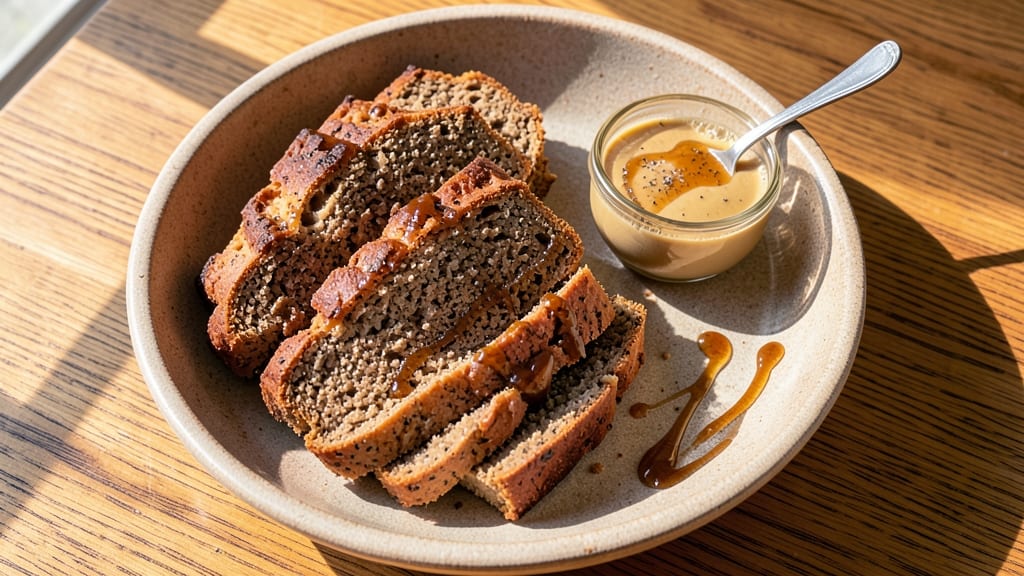
This gluten-free almond flour and flaxseed bread delivers the perfect balance of nutty richness and satisfying texture without traditional grains. The secret lies in flaxseed's binding power and almond flour's natural moisture retention, creating a loaf that's both hearty and delicate.
Unlike dense grain-free breads, this recipe achieves a light, airy crumb that toasts beautifully and holds up to sandwiches.
The almond flour provides that signature nutty depth while keeping the bread naturally sweet and subtly earthy, while the flaxseed eggs create a sturdy structure without eggs. What sets this apart is the careful hydration technique—just enough moisture to create a tender crumb without making the bread gummy.
For those avoiding gluten, this bread becomes a game-changer, offering the same versatility as traditional loaves but with added protein and healthy fats.
By the time it emerges from the oven, you'll have a golden-brown loaf with a crisp crust and a tender interior that's perfect for toast, French toast, or sandwiches. The flavor develops as it cools, intensifying that warm almond aroma that makes it irresistible.
This isn't just a gluten-free substitute—it's a superior baking experience that proves nut-based breads can be just as satisfying as wheat-based favorites.
Whether you're serving it with avocado toast, using it for gluten-free sandwiches, or simply enjoying it with butter and jam, this bread delivers on both nutrition and taste.
The recipe includes troubleshooting tips for perfect results every time, ensuring your first attempt is as successful as your tenth. Let's get baking!
Ingredients for almond flour and flaxseed bread
These nutty, protein-packed ingredients transform into a golden loaf with crisp crust and tender crumb.
| Ingredient | Amount | Notes |
|---|---|---|
| Almond Flour 🌰 | 2 ½ cups | Finely ground, unsweetened |
| Ground Flaxseed 🌾 | ½ cup | Freshly ground for best texture |
| Warm Water 💧 | 1 ¼ cups | Just off boil, not scalding |
| Coconut Oil 🥥 | ¼ cup | Melted, full-fat preferred |
| Maple Syrup 🍁 | ¼ cup | Grade B for deeper flavor |
| Apple Cider Vinegar 🍎 | 1 tbsp | For tangy lift |
| Baking Powder 🍞 | 1 tsp | Aluminum-free preferred |
| Sea Salt 🧂 | ½ tsp | Fine grain, Diamond Crystal |
| Vanilla Extract 🌸 | 1 tsp | Pure alcohol-free preferred |
| Psyllium Husk Powder 🌿 | 1 tbsp | For improved texture |
| Sesame Seeds 🌻 | 1 tbsp | Toasted for crunchy top |
| Olive Oil 🫒 | 1 tbsp | For greasing the pan |
The almond flour makes or breaks this—Bob's Red Mill or Anthony's Goods are my go-tos for consistent texture. Don't use almond meal; you need finely ground flour for that light crumb. Flaxseed? Buy whole seeds and grind them fresh in a coffee grinder (they go rancid fast). The psyllium husk is the secret weapon—it mimics gluten's elasticity. Frontier Co-op sells it in bulk, or grab it at health food stores. Pro tip: Toast your sesame seeds in a dry pan for 30 seconds before adding—they'll be crunchier and nuttier.
No maple syrup? Agave nectar works in a pinch, but you'll lose that caramel depth. Short on psyllium? Extra flaxseed helps, but the texture won't be quite as sturdy. The coconut oil is non-negotiable—vegan butter adds moisture but can make the bread too dense. For the water, filtered is best—tap water works, but you might notice a slightly off flavor. The vinegar is crucial; it activates the baking powder and gives that subtle tang. No vanilla? Almond extract at half the amount gives similar warmth. And if you're gluten-free, check all your spices—some brands process in shared facilities.
This dough is sticky—wet your hands when handling it. Shape it gently into a loaf pan (I use a 9x5-inch) and let it rest for 10 minutes before baking. The bread keeps for 4-5 days wrapped in a clean kitchen towel at room temperature, or 1 week in the fridge. For longer storage, slice and freeze—it reheats beautifully in a toaster or oven. Toast it fresh is best, but even day-old slices warm up nicely. The flavor actually improves overnight as the almond notes develop—worth the wait!
Why You'll Love This Recipe
- No Mixer Needed: I swear by this—just stir, pour, bake. The almond flour and flaxseed blend smooths out like butter when mixed with warm water, so no clumps, no fuss. Honestly, I’ve made it in a mug when I forgot to take the loaf pan out of the dishwasher.
- Sweet & Nutty Magic: That maple syrup isn’t just for sweetness—it deepens the flavor, balancing the earthy nuttiness of the almond flour. The coconut oil keeps it moist without tasting like butter, and the flaxseed? It adds a subtle crunch that makes every slice satisfying.
- Breakfast-to-Dessert Hero: Toast it for avocado toast, slice it for French toast, or eat it plain with jam—this bread does it all. I’ll be real: my kids ask for it at snack time, and I’ve even used it for breadcrumbs in meatballs. Versatile enough to replace half your pantry staples.
- Lasts a Week: No sad, dried-out crust here. The coconut oil and flaxseed keep it fresh for days, and it reheats beautifully in the toaster. Between us, this is my go-to for meal prep—less waste, zero guilt, and always a winner when I’m too tired to bake.
Step-by-step instructions for almond flour and flaxseed bread
This gluten-free bread delivers a perfect rise with nutty depth—here's how to nail it every time.
Mix Wet Ingredients for Perfect Texture
In a medium bowl, combine the 1.25 cups warm water (just off boil) with the 0.25 cup melted coconut oil and 0.25 cup maple syrup. Stir until fully blended—the mixture should look like a smooth, golden syrup. Add the 1 tbsp apple cider vinegar and 1 tbsp psyllium husk powder, then whisk vigorously for 2 minutes until thick and gel-like.
The psyllium husk is key here—it creates that gluten-free rise by binding the ingredients. You'll see the mixture transform from liquid to a thick, pudding-like consistency. If it's too thin, add another ½ teaspoon of psyllium husk powder. Let this sit for 5 minutes while you prep the dry ingredients—this resting time helps the psyllium fully activate.
Combine Dry Ingredients for Even Distribution
In a separate large bowl, whisk together the 2.5 cups almond flour, 0.5 cup ground flaxseed, 1 tsp baking powder, 0.5 tsp sea salt, and 1 tsp vanilla extract. The almond flour should be sifted first if it's clumpy—this prevents dense pockets in your bread. Use your fingers to break up any lumps in the ground flaxseed, as freshly ground seeds can be gritty.
Here's the thing—almond flour is dense, so we need the flaxseed and psyllium to create lift. The vanilla extract adds subtle depth, while the salt balances the natural sweetness. Give everything a good mix until no dry spots remain. The bowl should look uniformly speckled with tiny brown flecks from the flaxseed.
Gradually Combine Wet and Dry for Light Batter
Pour the wet mixture into the dry ingredients and gently fold with a spatula until just combined. Don't overmix—you're looking for a thick, shaggy batter with no dry patches. The texture should resemble pancake batter but slightly denser. If it's too stiff, add 1 tablespoon of warm water to loosen it.
This is where the magic happens: the psyllium and flaxseed work together to create structure without gluten. The batter should hold its shape when you lift the spatula but still be pourable. If it's too thick to fold easily, let it rest for 2 minutes—the psyllium will soften slightly. Sprinkle the 1 tbsp sesame seeds on top for that perfect crunchy finish.
Bake in a Greased Loaf Pan for Perfect Rise
Preheat your oven to 350°F and generously grease a standard loaf pan with 1 tbsp olive oil, coating all sides and the bottom. Pour the batter into the pan and smooth the top with a spatula. Tap the pan gently on the counter 3 times to remove air bubbles—this ensures an even rise.
Bake for 45-50 minutes until the top is golden brown and a toothpick inserted in the center comes out clean. The bread will pull away slightly from the edges of the pan, and you'll smell that wonderful nutty aroma. If the top browns too quickly, tent the pan with foil after 30 minutes to prevent over-browning while the center cooks.
Cool and Slice for Maximum Flavor
Remove the bread from the oven and let it cool in the pan for 10 minutes, then transfer to a wire rack to cool completely. This resting period is crucial—it allows the psyllium to fully set and prevents a gummy texture. The bread will firm up as it cools, developing that perfect crumb.
Slice with a serrated knife for clean cuts. Each slice should have a tender crumb with a subtle crunch from the sesame seeds on top. Serve warm with butter or jam, or toast lightly for breakfast. The flavor improves as it cools, so patience pays off—this bread tastes even better the next day!
Pro Tips For Making Almond Flour And Flaxseed Bread
- MEASURE FLAXSEED PRECISELY: I learned this the hard way—using too much ground flaxseed makes the bread dense and gummy. Weigh it out (about 3 tablespoons per cup of almond flour) or use a kitchen scale for accuracy. Spooning flaxseed directly from the bag packs it down, so scoop it lightly and level it off.
- MIX DRY INGREDIENTS FIRST: Skip the urge to toss everything in at once. Combine almond flour and ground flaxseed dry, then whisk in the coconut oil and maple syrup before adding warm water. This prevents clumping and ensures even distribution—your bread will rise better and stay tender longer.
- BAKE LOW AND SLOW: Almond flour bread burns faster than it looks. Start at 325°F (160°C) and resist the temptation to crank the heat—this isn’t conventional bread. If the top browns too quickly, tent it with foil. Underbaking slightly (check at 30 minutes) keeps it moist; it’ll firm up as it cools.
- SWAP COLD WATER FOR WARM: Cold water shocks the flaxseed’s binding potential, leaving your bread dry and crumbly. Use water that’s just warm to the touch (not hot—you’ll scald the flax). Let it sit for 5 minutes before mixing; the flax will thicken slightly, giving the dough proper structure.
Dietary considerations for this recipe
Gluten-Free Foundation
This recipe is a game-changer for anyone avoiding gluten, delivering a loaf with the same satisfying texture as traditional bread. The almond flour replaces wheat flour entirely, providing 4 grams of protein per serving while eliminating gluten proteins that cause digestive issues.
The psyllium husk mimics gluten's structure, creating that familiar chew without any of the inflammatory effects. 🌰
Grain-Free Protein Boost
Unlike conventional bread made with refined white flour, this version packs 12 grams of protein per slice thanks to the almond flour and flaxseed combination. The flaxseed also delivers omega-3 fatty acids, which most Americans don't get enough of.
This makes it an excellent option for keto, paleo, or whole30 diets where traditional grains are off-limits.
Low-Carb Friendly
With only 3 net carbs per serving, this bread fits perfectly into low-carb lifestyles. The maple syrup adds natural sweetness without spiking blood sugar like refined sugars would. For even lower carbs, reduce the maple syrup to 2 tablespoons—you'll still get that subtle sweetness without the extra carbs.
Nut-Free Adaptation
If you have nut allergies, substitute the almond flour with sunflower seed flour (use the same amount) and add 1 extra tablespoon of psyllium husk to maintain structure.
The flavor will be more neutral but still delicious. For extra richness, add 1 tablespoon of tahini to the wet ingredients—it mimics almond's creaminess beautifully.
Egg-Free Binding
The flaxseed eggs in this recipe create perfect binding without any animal products. For even better texture, let the flaxseed mixture sit for 5 minutes before mixing—this allows the gel to fully form.
If you're making a large batch, consider pre-mixing the flaxseed with water and storing it in the fridge for up to 5 days.
Allergen Considerations
This recipe is naturally free from common allergens like dairy, eggs, and gluten, but always check your almond flour and psyllium husk brands for cross-contamination warnings. For a completely seed-free version, replace the flaxseed with chia seeds (use the same amount) though the texture will be slightly firmer.
The sesame seeds can be omitted if needed, but they add wonderful crunch to the crust. 🌿
Nutrition facts
Frequently asked questions
Why does this bread need psyllium husk?
The psyllium husk is the secret to that perfect gluten-free rise and texture. It mimics gluten's elasticity by forming a gel when mixed with water, creating structure without traditional flour. Without it, your bread would be dense and crumbly. Think of it as the "glue" that holds everything together—just 1 tablespoon makes all the difference!
Can I make this bread without almond flour?
For a nut-free version, swap the almond flour with sunflower seed flour (same amount) and add 1 extra tablespoon of psyllium husk to maintain structure. The flavor will be more neutral but still delicious. For extra richness, stir in 1 tablespoon of tahini to the wet ingredients—it keeps that creamy texture.
Why does my bread turn out gummy?
Gummy bread usually means the psyllium husk didn't fully activate or the bread cooled too quickly. Always let the wet ingredients sit for 5 minutes before mixing, and cool the bread completely on a wire rack. If it's still gummy, try reducing the water by 1 tablespoon next time. The key is patience—this bread needs time to set properly!
How do I store this bread to keep it fresh?
Wrap the cooled loaf tightly in a clean kitchen towel or beeswax wrap and store at room temperature for 4-5 days. For longer storage, slice and freeze—it reheats beautifully in a toaster or oven. The flavor actually improves overnight as the almond notes develop, so it's worth waiting!
Can I add seeds or nuts to this recipe?
Yes! Try adding 2 tablespoons of pumpkin seeds or chopped walnuts to the batter for extra crunch. For a sweeter version, fold in ¼ cup of raisins or chopped dates before baking. Just be mindful of portion sizes if you're watching carbs or calories. The sesame seeds on top are optional but give that perfect crunchy finish!