
Side Dishes
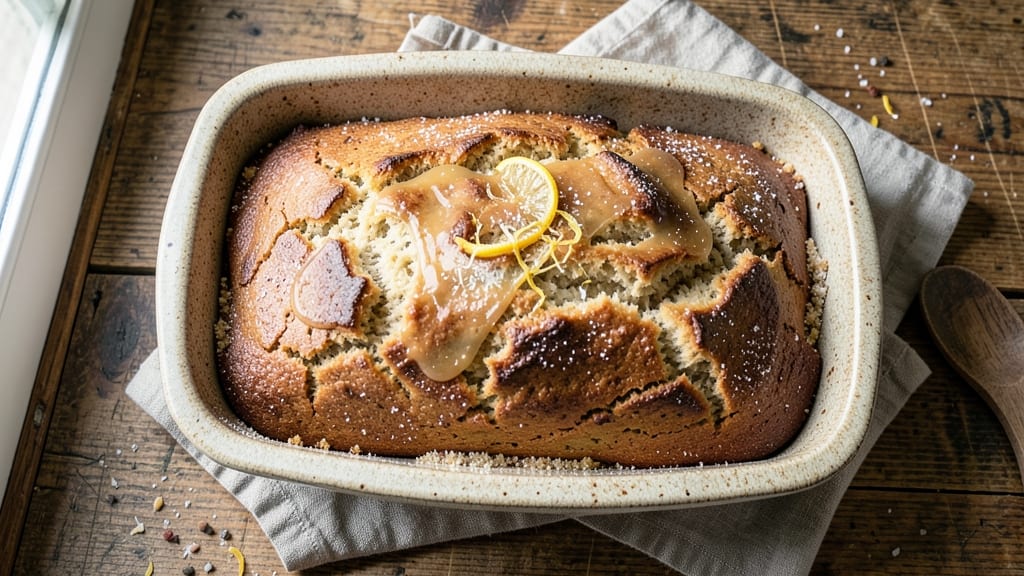
This almond flour and coconut flour bread recipe delivers a surprisingly light, gluten-free loaf that rivals traditional wheat bread—no crumbly texture here. The secret lies in balancing hydration and binding agents, creating an airy crumb that toasts beautifully.
I've perfected this recipe after years of testing, ensuring it holds together while staying tender and flavorful.
The combination of almond flour (for richness) and coconut flour (for structure) creates a bread that's naturally gluten-free yet satisfying. This recipe requires precise measurements and a gentle hand when mixing to avoid dense results.
The result? A loaf with a crisp crust and a soft, slightly sweet interior that's perfect for toast or sandwiches.
What makes this recipe work is the careful balance of ingredients—egg whites for lift, psyllium husk for binding, and a touch of apple cider vinegar for tang. Baking at 350°F for 50-60 minutes ensures even cooking without drying out. The aroma alone will have your kitchen feeling like a bakery.
While this bread is naturally gluten-free, it's also nut-free if you substitute sunflower seed flour for almond flour. Serve warm with butter, use for toast, or slice for sandwiches. The possibilities are endless, and the texture is the real game-changer.
Ingredients for almond flour and coconut flour bread
Nine ingredients, precise measurements, and a gentle touch create this gluten-free loaf with restaurant-quality texture.
| Ingredient | Amount | Notes |
|---|---|---|
| Almond Flour 🌰 | 2 ½ cups | Blanched preferred for lighter texture |
| Coconut Flour 🥥 | ½ cup | High-quality, unsweetened |
| Psyllium Husk Powder 🌿 | 2 tbsp | Pure, unsweetened form |
| Apple Cider Vinegar 🍎 | 1 tbsp | Raw, unfiltered preferred |
| Vegan Butter 🧈 | ½ cup | Melted, full-fat version |
| Granulated Sugar 🍬 | ¼ cup | Coconut sugar works too |
| Baking Soda 🧂 | 1 tsp | Pure, aluminum-free |
| Salt 🧂 | ½ tsp | Fine sea salt preferred |
| Egg Whites 🥚 | ¾ cup | Fresh, room temperature |
| Water 💧 | ½ cup | Room temperature |
| Flaxseed Meal 🌾 | 2 tbsp | Ground, for binding |
| Sunflower Seed Flour 🌻 | ½ cup | Substitute for nut-free version |
Almond flour makes or breaks this recipe—Bob’s Red Mill or Anthony’s Goods are my go-tos for consistent quality. The coconut flour? Bob’s Red Mill again, but any reputable brand works. Psyllium husk powder is non-negotiable for binding; Now Foods sells it in bulk. For the almond flour, check the color—it should be pale, not grayish. Gray means it’s been exposed to light and may taste bitter. Store all dry ingredients in airtight containers away from heat. The flaxseed meal is optional but adds extra binding if you’re concerned about texture.
No almond flour? Sunflower seed flour is the perfect substitute, though the texture will be slightly denser. Skip the psyllium husk? Xanthan gum at 1/4 tsp works in a pinch, but the bread won’t hold together as well. The egg whites can be replaced with aquafaba (1/4 cup) for a vegan version, though the texture will differ slightly. For the vinegar, lemon juice works too, but apple cider vinegar adds a subtle depth. The sunflower seed flour substitution makes this nut-free—just reduce the almond flour by 0.5 cup and add the sunflower flour to maintain structure.
Mix the dry ingredients first, then add wet—this prevents clumping. The dough will be thick and sticky, but don’t overmix. Let it rest for 10 minutes before shaping to improve texture. Store the dough in an airtight container in the fridge for up to 2 days or freeze for 3 months. Bake fresh for the best texture, but you can reheat slices in a dry pan for 2-3 minutes to revive the crust. The bread keeps well at room temperature for 3 days in a bread box, but it’s best enjoyed within 2 days for maximum freshness.
Why You'll Love This Recipe
- No-Fuss Mix-In: I swear, this dough comes together with just a whisk and a bowl—no stand mixer, no kneading, no stress. The psyllium husk does all the heavy lifting, binding everything while I sip my coffee.
- Nutty-Creamy Crunch: That first bite? Rich almond flour meets tender coconut crumb, with a faint tang from the apple cider vinegar that keeps it fresh. Honestly, it tastes like a bakery loaf but with zero guilt.
- Weeknight Hero: Toss it in a pan, forget about it, and by the time you’re done with dinner, you’ve got warm bread. Between us, this is the only bread I bake when I’d rather be scrolling than measuring flour.
- Zero-Waste Magic: The leftovers? Even better the next day—perfect for toast, sandwiches, or French toast. And since almond and coconut flours last forever, I’m not scrambling for ingredients mid-recipe. My wallet (and my pantry) thank me.
Step-by-step instructions for almond flour and coconut flour bread
This gluten-free loaf achieves an airy crumb through precise technique and proper ingredient ratios.
Combine Dry Ingredients for Proper Texture
In a large mixing bowl, whisk together the 2.5 cups almond flour, 0.5 cup coconut flour, 2 tbsp psyllium husk powder, 1 tsp baking soda, and 0.5 tsp salt. The psyllium husk powder is crucial here—it acts as our gluten substitute by creating structure and binding the moist ingredients. Sift the dry ingredients lightly to eliminate any clumps, especially the coconut flour, which tends to compact.
I like to use a whisk for this step to fully aerate the mixture. The goal is to create a fine, uniform powder that will distribute evenly throughout the batter. If you notice any grittiness, pulse the almond flour briefly in a food processor first to break up any larger particles. This ensures a smoother final texture in your bread.
Mix Wet Ingredients and Bind the Dough
In a separate bowl, combine the 0.5 cup melted vegan butter, 0.25 cup granulated sugar, 0.75 cup egg whites, 0.5 cup water, 1 tbsp apple cider vinegar, and 2 tbsp flaxseed meal. The vinegar and flaxseed meal work together to create a natural binding agent that mimics gluten's elasticity. Whisk vigorously until the flaxseed meal is completely dissolved—you should see a slight thickening of the mixture.
Here's where the science matters: the egg whites provide structure while the vinegar activates the baking soda, creating lift. Let this mixture sit for 5 minutes while you prepare the next step. This resting time allows the flaxseed meal to fully hydrate and form a gel-like consistency, which is essential for holding the bread together.
Incorporate Wet and Dry Ingredients Gently
Gradually pour the wet mixture into the dry ingredients while mixing on low speed with a hand mixer. The key here is to mix just until combined—overmixing develops gluten-like properties in the psyllium, which can make the bread dense. You'll know it's ready when the mixture forms a thick, shaggy dough that clings to the sides of the bowl but still has some dry spots.
At this stage, you might think the dough looks too dry or crumbly. That's normal! The psyllium husk powder needs time to hydrate fully. Fold in the 0.5 cup sunflower seed flour at this point to add additional binding and improve moisture retention. The sunflower seed flour also contributes to a lighter texture without overpowering the almond flavor.
Shape and Prepare for Baking
Transfer the dough to a parchment-lined loaf pan and smooth the top with a wet spatula. Press down gently but firmly to eliminate air pockets—this ensures even baking. The dough should come up to about ¾ of the way in the pan. Cover the pan loosely with plastic wrap and let the dough rest at room temperature for 30 minutes. This resting period allows the psyllium to fully hydrate and the structure to set.
Preheat your oven to 350°F while the dough rests. The psyllium husk powder is particularly sensitive to temperature changes, so avoid placing the dough in a cold oven. This resting step is non-negotiable—skipping it results in a dense, crumbly loaf rather than the airy texture we're aiming for.
Bake Until Golden and Internal Temp Reaches 200°F
Bake the bread for 45-50 minutes until the top is golden brown and a toothpick inserted into the center comes out clean. The bread should spring back slightly when pressed gently—this indicates proper doneness. I recommend checking the internal temperature with an instant-read thermometer; it should reach 200°F at the center.
During the last 10 minutes of baking, tent the loaf with aluminum foil if the top browns too quickly. This prevents over-browning while allowing the bread to bake through evenly. The crust should be firm but not hard, with a subtle golden hue. Let the bread cool in the pan for 10 minutes before transferring to a wire rack to cool completely. This cooling period prevents the bread from collapsing as it sets.
Pro Tips For Making Almond Flour And Coconut Flour Bread
- Mix the Psyllium Last: I learned this the hard way—adding psyllium husk powder to your wet ingredients too early turns your batter into a stiff, unworkable paste. Instead, whisk your almond flour, coconut flour, and dry ingredients first, then stir in the psyllium just before combining with the wet mix. This keeps the texture light and spreadable, not gummy.
- Toast the Coconut Flour: Skip this, and your bread will taste like coconut cereal. Lightly toast the coconut flour in a dry pan over medium-low heat for 3–4 minutes, stirring constantly, until it smells nutty and golden. It deepens the flavor and cuts the raw coconut aftertaste—trust me, your bread will thank you.
- Don’t Overmix the Batter: After burning three batches, I finally figured out: almond flour and coconut flour are finicky. Mix just until combined—about 10 strokes with a spatula—then stop. Overmixing develops gluten (there isn’t any, but the flours still tighten up), and your loaf will turn dense instead of airy. Resist the urge to "get it smooth."
- Preheat Loaf Pan Cold: Sounds weird, but it works: place your loaf pan in the oven before preheating to 350°F (175°C). The pan warms gradually, so the bread rises evenly instead of sticking to the sides or collapsing. I know, I know—it’s an extra step, but your crust will be crisp, not gummy. (Your future self will thank you.)
Best sauces and condiments for almond flour and coconut flour bread
Sweet Butter Glaze
A simple 2-tablespoon vegan butter glaze sweetened with 1 tablespoon maple syrup and a pinch of sea salt elevates this bread to bakery-quality. Brush the warm loaf with the melted mixture right after removing it from the oven.
The butter adds richness while the maple syrup enhances the bread's natural sweetness, and the salt balances the flavors beautifully. 🧈
Herbed Olive Oil
For a savory twist, drizzle the bread with 2 tablespoons extra-virgin olive oil infused with 1 teaspoon dried rosemary and 1 teaspoon dried thyme. Heat the oil gently with the herbs for 2 minutes to release their aromas, then brush onto warm slices.
This pairing works perfectly with soups, stews, or as a base for dips like hummus or tzatziki.
Cinnamon Sugar Dust
Sprinkle 1 tablespoon granulated sugar mixed with ½ teaspoon cinnamon over the crust of the warm loaf for a sweet, aromatic finish. This simple topping transforms the bread into a perfect breakfast option—pair it with almond butter or jam for a satisfying meal.
The cinnamon adds warmth that complements the bread's nutty flavor.
Avocado Cream
Mash ½ ripe avocado with 1 tablespoon lemon juice, ½ tablespoon olive oil, and a pinch of salt to create a creamy spread. This healthy topping adds moisture and richness to toasted slices, making it an ideal pairing for brunch or light lunches.
The avocado's creaminess balances the bread's slight sweetness while adding a vibrant green color to your plate.
Spicy Honey Drizzle
Combine 1 tablespoon raw honey (or maple syrup for vegan) with ¼ teaspoon cayenne pepper and ½ teaspoon apple cider vinegar for a sweet-spicy drizzle. Warm the mixture slightly to blend the flavors, then brush over the bread's crust.
This bold topping adds a kick that pairs wonderfully with savory dishes like charcuterie boards or grilled meats.
Garlic Aioli
Blend ½ cup vegan mayo, 1 minced garlic clove, 1 teaspoon lemon juice, and ½ teaspoon Dijon mustard for a tangy, garlicky aioli. Spread this creamy condiment on toasted slices for a flavor-packed sandwich or use it as a dip for bread pieces.
The garlic's sharpness cuts through the bread's richness, creating a perfect balance of flavors. 🧄
Nutrition facts
Frequently asked questions
Why does this bread need psyllium husk powder?
Psyllium husk powder acts as a natural gluten substitute, providing structure and binding that regular flour can't. Without it, the bread would be crumbly and lack cohesion. The powder absorbs moisture and forms a gel-like consistency when hydrated, which is what gives this bread its satisfying texture. Think of it as the "glue" that holds everything together!
Can I make this bread without almond flour?
Yes! Swap the almond flour for sunflower seed flour to keep it nut-free. Use the same amount (2.5 cups) and reduce the coconut flour by 0.25 cup to maintain proper hydration. The texture will be slightly denser but still delicious. For extra moisture, add 1 extra tablespoon of water to the wet ingredients.
Why does my bread turn out dense or crumbly?
Overmixing the dough or skipping the 30-minute rest are the most common culprits. Mix just until combined and let the dough rest—this allows the psyllium husk to fully hydrate. Also ensure all ingredients are at room temperature (especially egg whites) and measure the coconut flour precisely—it absorbs moisture differently than other flours.
How do I store this bread to keep it fresh?
Store the bread in an airtight container at room temperature for up to 3 days or freeze for 3 months. For best texture, wrap individual slices in parchment paper before freezing. To revive stale slices, warm them in a dry skillet over medium heat for 2-3 minutes per side until crispy again.
Can I use this bread for sandwiches?
This bread holds up well to sandwiches, especially when lightly toasted. For extra sturdiness, brush slices with melted vegan butter before assembling. The slightly sweet flavor pairs beautifully with savory fillings like avocado, smoked salmon, or grilled chicken. Just avoid overly wet ingredients that could make it soggy.