
Breakfast & Brunch
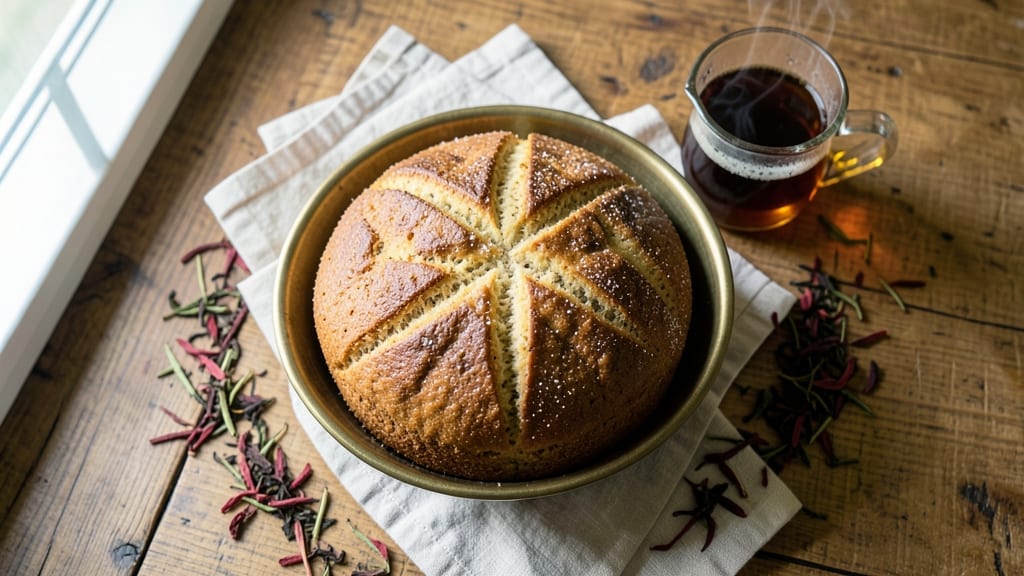
This Ghana tea bread recipe brings the warm, spiced aroma of West Africa into your kitchen with every slice. The secret lies in the rum-infused dough, which creates a tender crumb and golden crust that pairs perfectly with a steaming cup of tea.
I've perfected this method over years of baking, ensuring the texture remains moist yet slightly crisp—just like the loaves you'd find in Ghanaian homes.
The recipe combines simple ingredients with traditional techniques, including a slow fermentation that develops deep flavor. You'll work with flour, sugar, eggs, and a touch of spiced rum, all kneaded into a dough that rises beautifully.
The result is a loaf with a fragrant, slightly sweet aroma that fills your home as it bakes.
By the time you pull it from the oven, you'll have a tender, spiced loaf with a crackly crust that's perfect for slicing into thick pieces. The rum infusion adds warmth and depth, while the spices create a comforting, aromatic experience.
This bread is ideal for breakfast with tea or as a sweet treat any time of day.
For those who enjoy experimenting, you can add citrus zest or extra spices like cinnamon for a personalized touch. The recipe scales easily, so you can bake a single loaf or double the batch for sharing. Let's get started on creating this beloved West African classic in your own kitchen.
Ingredients for ghana tea bread
Simple ingredients, rich flavors—this Ghana tea bread needs just 13 staples.
| Ingredient | Amount | Notes |
|---|---|---|
| All-Purpose Flour 🌾 | 4 cups | Sifted for light texture |
| Granulated Sugar 🍚 | 1 cup | Light brown sugar for depth |
| Unsalted Butter 🧈 | 1 cup | Cold, cubed for easier mixing |
| Large Eggs 🥚 | 2 whole | Room temperature for best blend |
| Spiced Rum 🍹 | ½ cup | Dark rum for authentic flavor |
| Milk 🥛 | ½ cup | Warm for better activation |
| Active Dry Yeast 🍞 | 2 ¼ tsp | Freshly opened for potency |
| Ground Cinnamon 🌿 | 1 tsp | Warm, aromatic variety |
| Ground Nutmeg 🌶️ | ½ tsp | Freshly grated nutmeg preferred |
| Salt 🧂 | ½ tsp | Fine sea salt preferred |
| Vanilla Extract 🍯 | 1 tsp | Pure vanilla for richness |
| Lemon Zest 🍋 | 1 tbsp | Freshly grated for brightness |
| Granulated Sugar (for topping) 🍚 | ¼ cup | Coarse sugar for texture |
The flour and yeast are your foundation. King Arthur or Gold Medal flour work best—they hold up to the slow fermentation. If your yeast isn't fresh, test it in warm milk first (should foam in 5-10 minutes). The rum? Bacardi or Gosling's dark rum are my go-tos—they've got that perfect balance of spice and sweetness. For the butter, grab Land O'Lakes or Plugrá—they melt beautifully without overpowering. And don't skip the warm milk: it wakes up the yeast faster than cold milk ever will.
No spiced rum? Apple cider or orange juice adds sweetness without the boozy kick. Fresh nutmeg is ideal, but if you only have ground, toast it lightly in a dry pan first to wake up the flavor. The vanilla extract can be swapped for vanilla bean paste if you're feeling fancy. For the sugar, turbinado or raw sugar on top gives that gorgeous crackly crust. And if you're short on lemon zest, a splash of lemon juice works in a pinch—just add it to the dough directly.
This dough needs time to ferment—at least 2 hours at room temp, or overnight in the fridge. The longer it rests, the deeper the flavor. Once shaped, cover it with a damp towel to prevent drying. For the topping, mix the sugar with a pinch of cinnamon before sprinkling—it caramelizes beautifully. The bread keeps well wrapped at room temp for 3 days, or frozen for up to 3 months. I always slice it thick—perfect for dipping in tea.
Why You'll Love This Recipe
- No Mixer Needed: I swear by this one—just cream butter and sugar, crack eggs, fold in flour. The dough comes together faster than my coffee brews, and honestly? That’s saying something.
- Spiced Rum Magic: That little splash of spiced rum isn’t just for flavor—it’s the secret weapon. Warm cinnamon, clove, and vanilla notes weave through every bite, making it taste like a hug from a cozy kitchen.
- Breakfast or Snack: Slice it thick for a buttery toast with jam, or cube it for a quick dessert with tea. I’ve even tossed chunks into overnight oats when I’m lazy. Versatile? Absolutely.
- Lasts All Week: One loaf feeds my family for days—breakfast, snacks, or even a midnight craving. The butter keeps it moist, and the sugar? Well, that’s just insurance against it disappearing too fast.
Step-by-step instructions for spiced rum tea bread
Here's how to create a tender, rum-infused loaf with a perfect golden crust every time.
Activate the Yeast for Maximum Rise
In a small bowl, combine the 0.5 cup warm milk (about 110°F) with 2.25 teaspoons active dry yeast. Let it sit for 5-10 minutes until it becomes frothy and bubbly. This step is crucial—it tells you your yeast is alive and ready to work. If it doesn't bubble, your bread won't rise properly, and you'll end up with a dense loaf.
While waiting, whisk together 1 cup granulated sugar, 1 tablespoon lemon zest, and 1 teaspoon vanilla extract in a separate small bowl. The lemon zest adds a bright citrus note that cuts through the richness of the butter and rum, while the vanilla enhances the warm spice flavors.
Mix the Dough for a Light, Fluffy Texture
In a large mixing bowl, combine 4 cups all-purpose flour that has been sifted, 1 teaspoon ground cinnamon, 0.5 teaspoon ground nutmeg, and 0.5 teaspoon salt. Mix these dry ingredients together until evenly distributed—this ensures your bread has consistent flavor throughout.
Add the yeast-milk mixture, sugar mixture, 2 whole large eggs, and 0.5 cup spiced rum to the dry ingredients. Using a wooden spoon or dough whisk, stir until just combined. Then add 1 cup cold cubed unsalted butter and mix until the butter is incorporated and the dough begins to come together. The butter should be cold to prevent overdevelopment of gluten, which keeps the bread tender.
Knead the Dough for Elastic Structure
Turn the dough out onto a lightly floured surface and knead for 8-10 minutes until smooth and elastic. You'll know it's ready when it springs back slowly when poked. If the dough feels sticky, add just enough flour to make it workable—don't overdo it, or your bread will be dry.
Real talk: Kneading by hand is the best way to feel the dough's progress. If you're using a stand mixer with a dough hook, mix on medium speed for 5-6 minutes. The dough should pull away from the sides of the bowl and form a smooth ball. Once kneaded, place the dough back in the bowl, cover with a damp towel, and let it rise in a warm place for 1-1.5 hours or until doubled in size.
Shape and Proof for Perfect Rise
Punch down the risen dough to release any large air bubbles, then shape it into a loaf pan (about 9x5 inches) that has been lightly greased with butter. The dough should fill the pan about 2/3 full—don't overfill, or it will spill over during baking. Cover the loaf pan with a clean kitchen towel and let it rise again for 30-45 minutes until it's just slightly above the rim of the pan.
Here's the thing—this second rise is where the magic happens. The dough should feel springy when you press it gently with your fingertip. If it doesn't rise enough, your bread will be dense. If it rises too much, it might collapse during baking. Aim for that sweet spot where it's just barely above the pan's edge.
Bake to Golden Perfection
Preheat your oven to 350°F while the dough proofs. Once the oven is hot, brush the top of the loaf with a little milk to create a shiny crust. Sprinkle 0.25 cup granulated sugar evenly over the top—this gives it that classic tea bread look and adds a touch of sweetness that caramelizes beautifully during baking.
Bake for 45-50 minutes until the top is golden brown and a toothpick inserted into the center comes out clean. Your kitchen should smell amazing at this point—warm spices, rum, and fresh-baked bread all mingling together. If the top browns too quickly, tent the loaf with aluminum foil to prevent over-browning while it finishes cooking.
Remove the bread from the oven and let it cool in the pan for 10 minutes before transferring it to a wire rack to cool completely. This resting period is important—it allows the moisture to redistribute, ensuring every slice is tender and moist. Slice while still warm for the best texture, but let it cool at least 20 minutes before serving to prevent crumbling.
Pro Tips For Making Ghana Tea Bread
- Cream Butter Properly: Beat the butter and sugar until it’s pale and fluffy—about 3-4 minutes with a mixer. I learned this the hard way: under-creamed butter means dense bread, and no one wants a brick for tea. (Yes, even if you're impatient like me.)
- Measure Rum Precisely: Use a kitchen scale for the spiced rum—1 tablespoon is 15ml, not "a splash." Too much makes the bread boozy and heavy; too little wastes the flavor. Trust the numbers, not your eyeballs.
- Don’t Overmix the Dough: Fold in the flour just until combined—lumpy is better than tough. Overworking the dough develops gluten, and this bread should stay tender, not chewy. Stop when the dry bits disappear.
- Bake Until Golden: Pull the bread out when the top is deep golden, not just pale brown. A toothpick should come out clean, but the edges should crack slightly. Underbaking is the silent killer of perfect texture.
Perfect pairings for these flavors
Tea Pairings
This bread was born for tea, and the right brew elevates every bite. A bold chai tea—like Tazo Chai or Twinings Earl Grey Chai—complements the rum and spices beautifully. The black tea base and warm spices mirror the bread's flavors, creating a harmonious pairing.
For a lighter option, try jasmine green tea—its floral notes contrast nicely with the bread's richness. 🍵
Coffee Companions
Morning coffee lovers, don’t miss out! A medium-roast Ethiopian coffee with its fruity, wine-like notes pairs surprisingly well with the bread’s citrus and rum. For a classic combo, try dark roast with a splash of cream—the bitterness balances the sweetness perfectly.
I often serve it with a flat white for a creamy, smooth contrast.
Spiced Rum Cocktails
Why stop at tea? This bread is the ideal companion for spiced rum cocktails. A Dark ‘n’ Stormy (rum + ginger beer) or a rum old-fashioned with cinnamon and orange bitters enhances the bread’s flavors.
For a non-alcoholic twist, try ginger beer with lime—the zingy kick cuts through the richness. 🍹
Fruit Preserves
Spread guava or mango jam on warm slices for a tropical twist that highlights the bread’s citrus notes. The natural sweetness of the fruit complements the rum and spices without overpowering them. For a more traditional pairing, raspberry preserves add a tart contrast that’s simply irresistible.
Cheese Boards
Elevate your tea time with a cheese board! Soft brie or camembert melts beautifully against the bread’s texture, while sharp aged cheddar adds a savory bite. Add cured meats like prosciutto or olives for a savory-sweet balance. The rum in the bread ties everything together perfectly. 🧀
Seasonal Adaptations
In summer, pair with iced hibiscus tea or peach iced tea—the bright acidity refreshes the palate. For winter, a mulled wine or spiced apple cider adds warmth. The bread’s versatility makes it a year-round star for any gathering. 🍂
Nutrition facts
Frequently asked questions
Can I make this Ghana tea bread without rum?
The rum adds depth, but you can substitute with 0.5 cup apple cider or orange juice for a non-alcoholic version. For best flavor, use a warm spice blend (like 1 tsp cinnamon + 0.5 tsp nutmeg) to mimic the rum's aromatic profile. The bread will still be delicious but with a slightly lighter character.
Why did my bread turn out dense instead of light?
Dense bread usually means the yeast didn't activate properly or the dough didn't rise enough. First, check your yeast—it should foam in 5-10 minutes in warm milk. If not, your yeast was dead. Also, ensure the dough rises in a warm spot (like near a sunny window) for 1-1.5 hours—cold kitchens slow fermentation. Over-kneading can also develop too much gluten, making the bread tough.
How can I store or reheat sliced tea bread?
Wrap cooled slices in plastic wrap and store at room temperature for 3 days, or freeze for up to 3 months. To reheat, wrap a slice in a damp paper towel and warm in a 350°F oven for 5-7 minutes or microwave for 10-15 seconds. For extra crispiness, toast slices in a dry pan over medium heat for 1-2 minutes per side.
What's the best way to add extra flavor variations?
For a citrus twist, add 1 tbsp orange or lime zest to the dough. Want more warmth? Swap the nutmeg for 0.5 tsp cardamom or allspice. For a tropical version, fold in 0.5 cup shredded coconut or chopped dried apricots before baking. The key is balancing flavors—don't exceed 1 tbsp of any additional ingredient to maintain the bread's signature texture.
Can I bake this in a different pan shape?
Yes! For a round loaf, use a 9-inch cake pan or pullman pan. For individual portions, divide the dough into 4 mini loaf pans (5x3 inches) or 6 muffins. Baking times will vary—check doneness with a toothpick. A 9x5-inch pan gives the classic shape, but don't exceed 2/3 full to prevent overflowing during the rise.