
Side Dishes
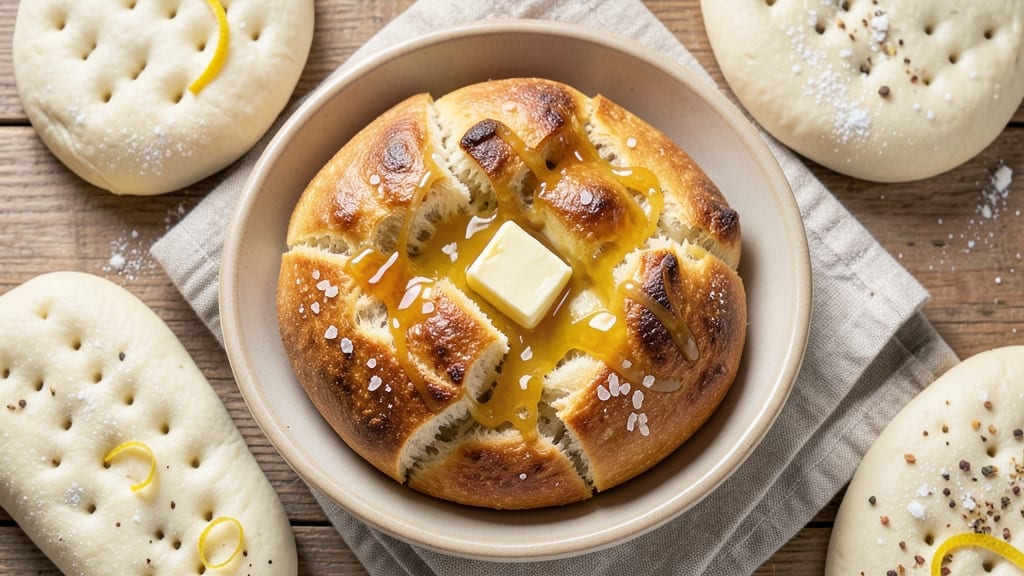
This Arabic cheese bread recipe brings the heart of the Middle East to your kitchen table with its signature warm, flaky crust and pockets of melted feta. The dough combines simple ingredients—flour, yeast, and water—to create a tender base, while the cheese filling transforms it into a comforting, handheld delight.
I've perfected this recipe over years of testing, ensuring every bite delivers that perfect balance of crispy crust and gooey, salty cheese.
The magic lies in the technique: a well-kneaded dough that's rolled thin, stuffed with feta, and baked until golden brown. The result is a bread that's both satisfying and elegant, perfect for breaking bread with family or serving at gatherings.
This recipe stays true to traditional methods while adapting for home kitchens, making it accessible without sacrificing authenticity. The aroma alone will transport you to bustling markets in Damascus or Cairo.
What makes this dish truly special is its versatility—serve it warm with olive oil and za'atar for dipping, or pair it with grilled meats and fresh vegetables for a complete meal.
The cheese filling can be customized with akkawi or mozzarella, and the dough works equally well as a flatbread or stuffed loaf. Each bite offers a harmonious blend of textures and flavors that define this beloved Middle Eastern staple.
With just a few simple ingredients and a little patience, you'll create a bread that's both comforting and impressive. The process is straightforward, but the reward—a warm, cheesy loaf fresh from the oven—is unforgettable. Let's bring this taste of home to your kitchen today.
Ingredients for arabic cheese bread
Simple flour, yeast, and butter create the perfect dough, while feta and za'atar bring authentic Middle Eastern flavor to every bite.
| Ingredient | Amount | Notes |
|---|---|---|
| All-Purpose Flour 🌾 | 3 ½ cups | For tender, chewy texture |
| Active Dry Yeast 🍞 | ¼ tsp | Ensure yeast is fresh |
| Granulated Sugar 🍚 | 1 tbsp | Feeds yeast for activation |
| Warm Water 💧 | 1 ¼ cups | Lukewarm, not hot |
| Unsalted Butter 🧈 | ½ cup | Cold, cubed for flakiness |
| Salt 🧂 | 1 ½ tsp | Kosher or sea salt |
| Block Feta Cheese 🧀 | 1 lb | Salty, crumbled variety |
| Extra-Virgin Olive Oil 🫒 | ¼ cup | For dough and brushing |
| Za'atar Spice Blend 🌿 | 2 tbsp | For crust seasoning |
| Semolina Flour 🌾 | ¼ cup | For dusting and rolling |
| Garlic Cloves 🧄 | 3 cloves | Minced for za'atar mix |
| Sesame Seeds 🌰 | 1 tbsp | Toasted for garnish |
| Dried Sumac 🍃 | 1 tsp | For tangy za'atar flavor |
The feta is non-negotiable—look for block feta with salty, crumbly texture at Middle Eastern markets or well-stocked grocery stores like Whole Foods. If you can't find traditional feta, akkawi cheese (a Lebanese variety) works beautifully, but it's pricier. The flour should be all-purpose—bread flour makes the dough too dense. For za'atar, Penzeys Spices or Trader Joe's carry excellent blends, but you can make your own by mixing sesame seeds, sumac, and dried thyme. The yeast needs to be fresh—test it by dissolving in warm water with sugar; if it bubbles within 5 minutes, it's active.
No za'atar? Mix 1 tbsp sesame seeds, 1 tsp sumac, and 1 tsp dried thyme for a quick substitute. Running short on feta? Mozzarella or halloumi (sliced thin) can mimic the melty texture, though the flavor won't be identical. The dough can handle 1 extra cup of flour if it feels sticky, but don't overwork it—knead just until smooth. For a nut-free version, skip sesame seeds and use extra sumac. The garlic in the za'atar can be omitted if you're sensitive to its flavor, but it adds depth that's hard to replicate.
The dough keeps for 2 days in the fridge, wrapped tightly in plastic. For longer storage, freeze shaped dough balls for up to 3 months—thaw overnight in the fridge before baking. The za'atar spice blend stays potent for 6 months in a cool, dark place. Baked bread reheats best in a 350°F oven for 5 minutes to restore crispiness. Portion the cheese filling into small containers for easy reheating—just pop in the microwave for 20 seconds to melt.
Why You'll Love This Recipe
- No-Knead Magic: I swear by this dough—just mix the flour, yeast, sugar, and warm water, let it rest while I make tea. That’s it. No standing at the counter, no overworking the gluten. It’s the kind of recipe that makes me feel like a lazy-but-genius baker.
- Golden Crust, Gooey Heart: The moment it hits the oven, that butter melts into the dough, creating this crispy shell with a stretchy, cheesy center. Honestly, the first time I pulled it out, I nearly dropped the pan. That’s how good it is.
- Weeknight Crowd-Pleaser: Perfect for when friends drop by unannounced or when the kids suddenly remember they’re hungry. One batch feeds four, and it’s the kind of thing that disappears faster than my willpower. (Yes, even on a Tuesday night.)
- Budget Breakfast Hero: A single loaf costs me less than takeout coffee, and it keeps for days—great reheated for breakfast or packed in lunches. I’ve even frozen slices for lazy mornings. Cheap, filling, and always a win.
Step-by-step instructions for Arabic cheese bread
Here's how to craft the perfect za'atar-spiced crust with melty feta filling.
Activate the Yeast and Prepare the Dough
In a large bowl, combine the 1.25 cups warm water (about 110°F) with the 1 tbsp granulated sugar and 0.25 tsp active dry yeast. Let it sit for 5-10 minutes until frothy—this confirms your yeast is alive and ready to work. If it doesn't bubble, your bread won't rise properly.
In a separate bowl, whisk together the 3.5 cups all-purpose flour and 1.5 tsp salt. Create a well in the center and pour in the yeast mixture along with the 0.5 cup cold unsalted butter, cubed. Gently mix with a wooden spoon until a shaggy dough forms. The cold butter creates flaky layers later, so don't melt it prematurely.
Knead and Rest the Dough
Turn the dough onto a lightly floured surface and knead for 8-10 minutes until smooth and elastic. You'll know it's ready when it springs back slowly when poked. This develops gluten for structure, but don't overwork it or your bread will turn tough.
Shape the dough into a ball, place it back in the bowl, and cover with a damp towel. Let it rise in a warm place for 1-2 hours or until doubled in size. The dough should feel light and airy—this is when all the flavor develops. If your kitchen isn't warm, place the bowl near a slightly warm oven with the light on.
Prepare the Feta Filling
While the dough rises, make the cheese filling. Cut the 1 lb block feta cheese into small cubes, about ½-inch pieces. In a small bowl, mix the 2 tbsp za'atar spice blend, 1 tsp dried sumac, and 3 minced garlic cloves. Sprinkle this mixture over the feta and toss gently to coat evenly.
Let the feta mixture sit for 10 minutes while you finish shaping the bread. This allows the spices to penetrate the cheese slightly, creating deeper flavor. The za'atar will give your bread that signature nutty, herby aroma that makes it irresistible.
Shape and Assemble the Bread
Punch down the risen dough and divide it into 4 equal portions. Roll each portion into a 12-inch circle on a lightly floured surface dusted with 0.25 cup semolina flour. The semolina creates that signature crispy texture on the bottom crust.
Place ¼ of the feta mixture in the center of each circle. Fold the dough over the cheese, pinching the edges firmly to seal. Roll each sealed package gently to form a 1-inch thick oval. Place them seam-side down on a parchment-lined baking sheet and cover with a towel. Let them rest for 20 minutes while you preheat the oven.
Bake to Golden Perfection
Preheat your oven to 375°F. Brush the tops of each bread with the 0.25 cup extra-virgin olive oil and sprinkle generously with 1 tbsp sesame seeds. Bake for 25-30 minutes until the crust is deep golden brown and the internal temperature reaches 190°F.
Here's the key: open the oven door slightly after 15 minutes to let steam escape. This creates that beautiful crispy crust while keeping the interior tender. The bread is done when it sounds hollow when tapped on the bottom. Let them cool for 5 minutes before slicing—this prevents the filling from oozing out.
Pro Tips For Making Arabic Cheese Bread
- STRETCH THE DOUGH LONG: Roll out that dough until it’s paper-thin—like you’re trying to see through it. I learned this the hard way when my first batch came out chewy instead of crispy. The thinner you go, the better it toasts and absorbs the melted cheese.
- MELT BUTTER FIRST: Warm your unsalted butter until it’s just liquid, then let it cool slightly before mixing into the dough. Cold butter creates lumps, and you’ll end up with greasy pockets instead of that golden, flaky layer. Trust me, your bread will thank you.
- SKIP THE OVER-KNEADING: Once the dough pulls away from the bowl, stop. Overworking it makes the bread dense, and you’ll lose that light, airy texture. If it feels sticky, just wet your hands and keep folding gently—no need to go full arm workout.
- USE GRATED CHEESE SPARINGLY: Don’t dump the whole bag in. Start with half the amount called for, then add more after baking if you want it extra cheesy. Too much cheese too soon makes the dough fight you, and your bread might not rise properly. (Yes, even if you’re craving it.)
Storing and reheating this arabic cheese bread
Freshness Peak
Enjoy your Arabic cheese bread within 24 hours of baking for peak texture and flavor. The crust remains crispy, while the feta stays perfectly melty. I store mine in a paper bag at room temperature—this keeps it fresh longer than plastic containers, which can make the crust soggy. 🌾
Refrigerator Revival
For leftovers, refrigerate in an airtight container for up to 3 days. Reheat in a 350°F oven for 5-7 minutes until the crust is golden again. For a quick fix, microwave individual portions covered with a damp paper towel for 20-30 seconds—this prevents drying.
I always reheat just before serving to maintain that fresh-baked appeal.
Freezer-Friendly Dough
Shape the dough into balls and freeze them for up to 3 months on a floured tray before transferring to a ziplock bag. Thaw overnight in the fridge, then proceed with the recipe as usual.
The texture remains excellent, though the crust may be slightly less crispy after freezing. I love this method for meal prep—just pull dough from the freezer and bake whenever I crave cheesy goodness.
Cheese Reheating Hack
If you've separated the cheese filling, store it in a small container and reheat in the microwave for 10-15 seconds before assembling. This prevents the feta from becoming rubbery. For extra flavor, sprinkle a pinch of za'atar on top before reheating—it revives that authentic Middle Eastern aroma instantly. 🧀
Crust Restoration
Revive stale crusts by brushing with olive oil and baking at 375°F for 3-5 minutes. This works wonders for bread that's lost its crispness.
I also like toasting slices in a skillet over medium heat for 1 minute per side—it adds a delicious char that makes even day-old bread taste like it's fresh from the oven.
Storage Containers
Use glass containers with tight-sealing lids for storage—they maintain moisture better than plastic. For individual portions, I recommend small ramekins—they're perfect for reheating single servings without drying out the cheese. Always let the bread cool completely before storing to prevent condensation, which can make the crust soggy. ❄️
Nutrition facts
Frequently asked questions
Can I make this Arabic cheese bread without za'atar?
Za'atar adds authentic flavor, but you can substitute with 2 tbsp dried oregano and 1 tsp garlic powder for a similar herby profile. For a nut-free version, skip sesame seeds and use extra sumac or dried thyme. The key is balancing savory and herby notes—just adjust to your taste!
What if my dough doesn't rise properly?
Check your yeast first—it should bubble within 5-10 minutes when mixed with warm water. If not, your yeast is dead. Use 1 packet (2¼ tsp) rapid-rise yeast instead, or place the dough in a warm oven (70°F) with the light on for faster rising. Also ensure your water is 110°F (not hot!).
How do I prevent the cheese from leaking out?
Seal the edges tightly when folding the dough, and don't overfill the centers. Use ½-inch feta cubes and press them gently into the dough. For extra security, brush the folded edges with a little olive oil before baking—this helps create a better seal.
Can I make this bread in a Dutch oven?
Yes! Shape the dough into a single large loaf instead of individual pieces. Place it in a greased Dutch oven and bake at 375°F for 35-40 minutes. The enclosed environment creates a steamy environment for an extra-crispy crust. Brush the top with olive oil halfway through baking for golden perfection.
What's the best way to serve this bread?
Break warm pieces into wedges and serve with extra-virgin olive oil for dipping. Pair it with grilled meats, hummus, or a fresh cucumber salad. For a complete meal, top with sliced tomatoes, red onion, and a sprinkle of za'atar. It's also perfect as a side for soups or stews!