
Side Dishes
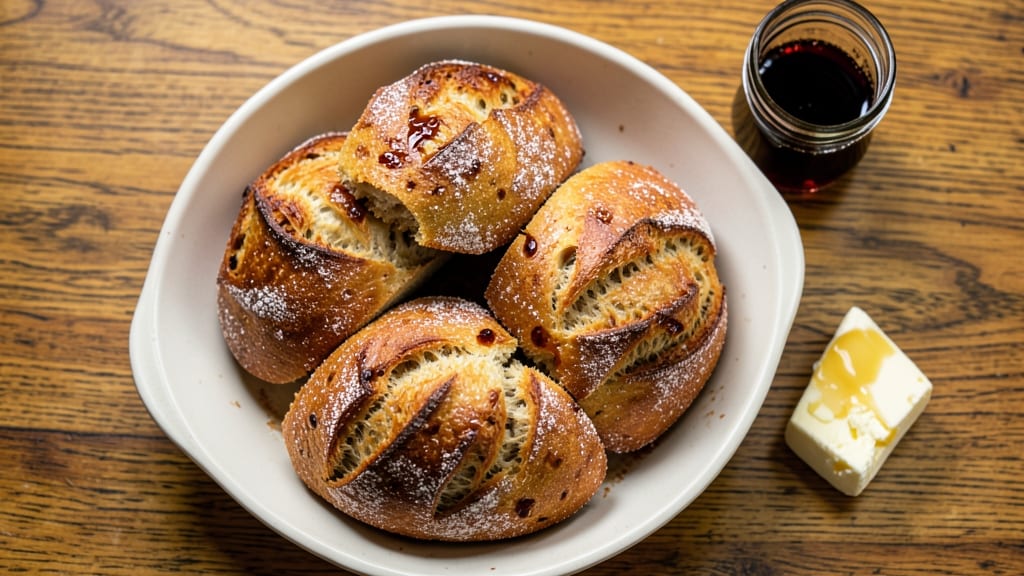
This coke and flour bread recipe transforms a simple pantry staple into a golden, crispy loaf with a tender crumb—all thanks to the unexpected magic of cola. The soda's natural sugars caramelize beautifully during baking, creating a sweet, aromatic crust that contrasts perfectly with the soft interior.
I first discovered this technique while searching for a foolproof bread recipe that required minimal ingredients and maximum flavor.
The beauty of this method lies in its simplicity: just flour, sugar, yeast, and coke come together to form a dough that rises effortlessly. The cola not only adds subtle sweetness but also enhances tenderness, making every slice irresistibly moist.
Baking at 375°F for 25-30 minutes yields that signature crispy crust while keeping the inside light and airy—no fancy equipment or techniques required.
What makes this bread truly special is its versatility—serve it warm with butter, toast it for breakfast, or use it as a base for sandwiches. The caramelized edges and faint cola aroma create a nostalgic, comforting flavor that’s impossible to resist.
Once you try this homemade version, store-bought bread will never compare.
For best results, let the dough rise until nearly doubled in size and brush the loaf with melted butter before baking. This simple step adds extra richness and a professional-looking finish.
The recipe delivers restaurant-quality results with just 5 basic ingredients and 30 minutes of active time—perfect for beginners or experienced bakers alike.
Ingredients for coke and flour bread
Five essential ingredients transform ordinary flour into restaurant-quality bread with cola's signature sweetness.
| Ingredient | Amount | Notes |
|---|---|---|
| All-Purpose Flour 🌾 | 3 ½ cups | Unbleached preferred for tenderness |
| Granulated White Sugar 🍬 | ½ cup | Light brown sugar for deeper caramel |
| Active Dry Yeast 🍞 | 2 ¼ tsp | Ensure expiration date is recent |
| Room Temperature Whole Egg 🥚 | 1 whole | Separate yolk for enriched dough option |
| Classic Cola Beverage 🥤 | 1 ½ cups | Coca-Cola preferred for authentic flavor |
| Unsalted Butter 🧈 | ¼ cup | Melted for brushing final crust |
| Diamond Crystal Kosher Salt 🧂 | 1 ½ tsp | Adjust to taste after initial rise |
| Granulated White Sugar 🍬 | 1 tbsp | For sprinkling on top crust |
The flour forms the bread's structure, so King Arthur or Bob's Red Mill brands yield superior results due to their protein balance. For the cola, Coca-Cola Classic delivers the most consistent caramelization—Pepsi lacks the same depth of flavor. The yeast must be fresh; test it by mixing with warm water and sugar—if it foams within 10 minutes, it's active. Store-brand flour works fine, but for professional results, invest in a quality all-purpose blend. The unsalted butter should be European-style for richer flavor when brushed on the crust.
Substituting Pepsi for Coca-Cola will work but lacks the same depth of caramel notes. Active dry yeast can be replaced with rapid-rise yeast at half the quantity, though the dough will rise faster. For a lighter crumb, add 1 tbsp cornstarch to the flour. The granulated sugar can be swapped for turbinado or powdered sugar—turbinado adds texture, while powdered creates a finer crust. If your cola is diet or zero-sugar, add 2 tbsp honey or corn syrup to compensate for lost caramelization. The egg can be omitted for a vegan version, but the bread will be slightly denser.
Store the dough in an airtight container with a damp towel for up to 24 hours before baking. Once baked, keep the loaf wrapped in a clean kitchen towel at room temperature for 2-3 days to maintain freshness. For longer storage, slice and freeze portions on parchment paper—reheat in a 350°F oven for 5-7 minutes to restore crispness. The caramelized crust is best enjoyed within 48 hours of baking, as it softens over time. To revive stale bread, wrap in foil and warm in a 300°F oven for 10 minutes
Why You'll Love This Recipe
- Pantry Magic: I swear by this recipe—no specialty ingredients, just flour, sugar, and that one can of cola sitting in my cabinet. The yeast blooms in the soda’s acidity, so you skip the fuss of measuring liquid separately. Honestly, I’ve made it with whatever soda was on sale.
- Sweet & Smoky Kick: That cola isn’t just for flavor—it’s the secret. The caramelized sugar crust gives it a buttery crunch, while the soda’s vanilla notes linger like a warm hug. Between us, it’s the kind of bread that makes toast taste like dessert.
- Weeknight Hero: Toss together the dough in 10 minutes, let it rise while you’re watching TV, and bake it before dinner. It’s my go-to for sandwiches, French toast (yes, even on a Tuesday night), or just slathering it with butter. No one will guess it’s this unfussy.
- Budget Bread Wins: A single can of cola stretches into two loaves, and the dough’s forgiving—overmixed? Underproofed? Still turns out golden. I’ll be real: my grocery budget thanks me, and so does my freezer, packed with slices ready for toast or grilled cheese.
Step-by-step instructions for Coke and flour bread
Mastering this recipe delivers a perfectly balanced loaf with a crisp exterior and tender interior.
Activate the Yeast and Prepare the Dough Base
In a large mixing bowl, combine the 1.5 cups classic cola beverage with 0.5 cup granulated white sugar and 2.25 teaspoons active dry yeast. Let this mixture sit for 5-7 minutes until it develops a frothy, bubbly consistency. This activation step ensures your yeast is alive and ready to work—if it doesn't bubble, your yeast may be expired or the liquid too warm.
Next, add the 3.5 cups all-purpose flour to the bowl along with 1.5 teaspoons diamond crystal kosher salt. Create a well in the center and gently pour in the 1 whole room temperature whole egg. Using a wooden spoon or your hands, gradually incorporate the wet ingredients into the dry until a shaggy dough begins to form. The texture should be sticky but manageable—this is normal for a soda bread.
Knead and Develop Gluten for Structure
Turn the dough onto a lightly floured surface and knead for 5-7 minutes until smooth and elastic. You'll know it's ready when it springs back slowly when pressed. Avoid over-kneading, which can make the bread dense. The dough should be soft but not sticky to the touch—add a little more flour if needed, but don't overdo it or the bread will be dry.
Once kneaded, shape the dough into a round loaf. Place it back in the bowl, cover tightly with a damp kitchen towel, and let it rise in a warm place for 1-1.5 hours or until doubled in size. The dough should feel light and airy when pressed gently. Here's the thing—if your kitchen isn't warm enough, place the bowl near a turned-off oven with the light on to create a consistent environment.
Shape, Proof, and Prepare for Baking
After the initial rise, punch down the dough to release excess air, then shape it into a round loaf again. Transfer it to a greased 9x5-inch loaf pan, seam-side up. Brush the top generously with melted 0.25 cup unsalted butter, then sprinkle evenly with 1 tablespoon granulated white sugar. This step guarantees that signature crispy crust and sweet caramelized top.
Cover the loaf pan with the damp towel and let it proof for another 30-45 minutes until it rises just above the rim of the pan. The dough should feel firm but still spring back when pressed. Preheat your oven to 375°F during this final proofing stage—this ensures the bread goes straight into a hot oven for even baking.
Bake to Golden Perfection
Bake the loaf for 30-35 minutes until the top is deep golden brown and the internal temperature reaches 190°F. Tap the bottom of the loaf—it should sound hollow. If the top browns too quickly, tent loosely with foil to prevent over-browning while ensuring the interior cooks through.
This is the moment that matters: the bread should have a crisp exterior that gives way to a tender, moist crumb inside. The aroma of caramelized sugar and cola will fill your kitchen—don't skip this step. Let the bread cool in the pan for 10 minutes before transferring to a wire rack to cool completely. This resting period prevents a gummy texture and allows the flavors to fully develop.
Pro Tips For Making Coke And Flour Bread
- Measure Coke Cold: Pour that cola straight from the fridge—yeast hates warm soda. I used to use room-temperature Coke and wondered why my dough took forever to rise. Cold soda keeps the yeast in check until you’re ready, giving you more control over the timing.
- Mix Yeast Last: Combine everything except the yeast first, then add it last. This way, the sugar in the Coke doesn’t start activating the yeast prematurely, which can make your dough rise too fast or collapse. Trust me, you’ll see the difference in texture.
- Knead Until Silky: Stop when the dough pulls cleanly away from the bowl and springs back slowly—about 8-10 minutes by hand. Over-kneading turns it tough; under-kneading leaves it gummy. Test it by stretching a small piece—if it tears easily, keep going.
- Let Dough Rest: After shaping, cover the loaf and let it sit in a warm spot for 30-45 minutes before baking. This final rise ensures the Coke’s moisture distributes evenly, giving you a tender crumb instead of a dense, compact loaf. (Yes, even if you’re impatient like me.)
Troubleshooting this dish
Dough Too Sticky?
If your dough feels impossibly sticky during kneading, resist the urge to add too much extra flour—it can make the bread dry. Instead, wet your hands slightly and use a dough scraper to help lift and fold the dough.
The cola already adds moisture, so aim for a dough that's tacky but not gluey. I find 1-2 tablespoons extra flour is all I need to make it manageable without compromising texture. 🧂
Uneven Rising?
If your dough rises unevenly or collapses during proofing, your kitchen might be too cold. Place the bowl near a warm spot—I like using the light inside my oven (with the oven off) for consistent warmth.
Alternatively, set the bowl on top of a pre-warmed oven-safe dish filled with hot water. Never skip the proofing stage; rushing it leads to dense bread. A food thermometer set to 80°F near the dough helps monitor the ideal environment.
Crust Too Pale?
A pale crust usually means the bread didn't bake long enough or the oven wasn't hot enough. Increase baking time by 5-10 minutes and ensure your oven reaches 375°F before inserting the loaf.
For extra color, brush the crust with egg wash (1 egg + 1 tbsp water) before the final 5 minutes of baking. The sugar in the cola will caramelize beautifully with proper heat. 🔥
Dense Interior?
Over-kneading or insufficient proofing often causes dense bread. Knead just until the dough is smooth (5-7 minutes max) and let it rise until it nearly doubles in size. If your dough feels sluggish, your yeast might be weak—test it by mixing with warm water and sugar first.
For extra tenderness, add 1 tbsp cornstarch to the flour or replace ¼ cup of the all-purpose flour with cake flour.
Bread Tastes Flat?
Flat flavor usually means the cola didn't caramelize enough. Use Coca-Cola Classic (not diet or Pepsi) for authentic depth. For extra richness, add 1 tsp vanilla extract to the dough or brush the crust with melted butter mixed with 1 tsp cinnamon before baking.
The caramelization happens in the oven, so ensure the loaf is golden brown before removing it.
Storing Issues?
If your bread stales too quickly, it likely didn't cool properly. Always let it cool completely in the pan for 10 minutes before transferring to a wire rack. For longer freshness, store wrapped in a clean kitchen towel (not plastic) at room temperature.
To revive stale slices, warm in a 300°F oven for 5-7 minutes with a splash of water in the pan to restore moisture. ✨
Nutrition facts
Frequently asked questions
Can I use any type of soda instead of Coca-Cola?
While you can substitute other colas like Pepsi, Coca-Cola delivers the best flavor due to its unique caramelization profile. For a sweeter bread, try using root beer or even ginger ale. Avoid diet sodas—the missing sugar prevents proper browning and caramelization during baking.
How do I know when the dough is fully risen?
The dough is ready when it nearly doubles in size and springs back slowly when gently pressed. For visual confirmation, use a toothpick—if it leaves a slight indentation that doesn't spring back immediately, proofing is complete. Cold kitchens may require 1.5-2 hours, while warm environments can achieve this in 45-60 minutes.
Why does my bread turn out dense instead of light?
Dense bread usually results from over-kneading, weak yeast, or insufficient proofing. Knead only until smooth (5-7 minutes max) and ensure the dough rises until it nearly doubles. Test your yeast first by mixing with warm water and sugar—if it doesn't bubble within 10 minutes, replace it.
Can I make this bread without an egg?
Yes! Replace the egg with ¼ cup unsweetened applesauce or 2 tablespoons ground flaxseed mixed with 3 tablespoons water (let sit for 5 minutes to thicken). The texture will be slightly denser, but the flavor remains rich. For vegan baking, use 1 tbsp vinegar + 1 tsp baking soda as a leavening boost.
How long can I keep this bread fresh?
At room temperature, wrap the cooled loaf in a clean kitchen towel (not plastic) and store for 2-3 days. For longer storage, slice and freeze portions on parchment paper—reheat in a 350°F oven for 5-7 minutes to restore crispness. The caramelized crust softens over time, so enjoy it fresh when possible!