
Side Dishes
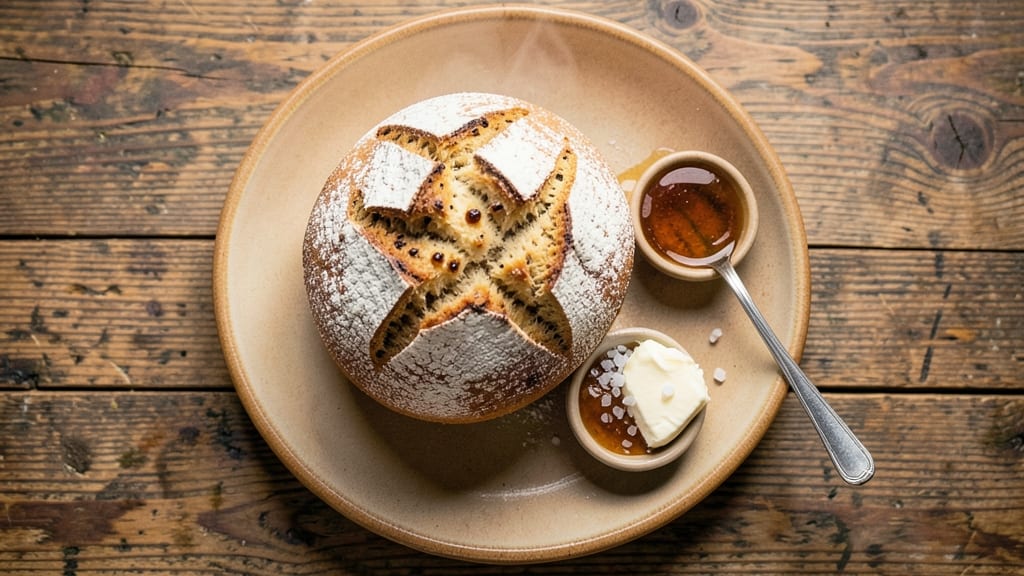
This Bob's Red Mill Irish soda bread delivers rustic charm with a golden crust and tender crumb—all without yeast or kneading. The secret lies in buttermilk's tangy magic, which activates the baking soda for that signature rise and slightly dense texture.
I first made this version after discovering how Bob's Red Mill flour's protein content creates a perfect crumb, even for beginners.
The beauty of traditional Irish soda bread is its simplicity: just flour, buttermilk, baking soda, and salt come together in 15 minutes of prep. No need for yeast or long fermentation—just mix, shape, and bake.
The buttermilk-infused crust gives it that iconic tangy flavor, while the crumb stays moist and slightly crumbly, perfect for soaking up soups or pairing with butter.
What you'll end up with is a loaf that smells like childhood memories—warm, slightly tangy, and impossibly comforting. The crust develops a golden-brown crust with a crisp edge, while the interior remains soft and slightly dense.
This is the kind of bread that disappears quickly, whether you're serving it with dinner or enjoying it straight from the oven with a pat of butter.
For modern kitchens, this recipe adapts beautifully—add seeds, nuts, or even raisins for extra texture and sweetness. The no-knead method means no stand mixer required, just a bowl and your hands. Let's get started on this classic that's as easy as it is delicious.
Ingredients for bob's red mill irish soda bread
Bob's Red Mill flour and buttermilk create this iconic rustic bread with just 10 simple ingredients.
| Ingredient | Amount | Notes |
|---|---|---|
| Bob's Red Mill All-Purpose Flour 🌾 | 3 ½ cups | Unbleached for best texture |
| Buttermilk 🥛 | 1 ½ cups | Full-fat for tangy flavor |
| Baking Soda 🧂 | 1 tbsp | Pure, not baking powder |
| Sea Salt 🧂 | ½ tsp | Fine grain preferred |
| Raw Honey 🍯 | 2 tbsp | Local if possible |
| Unsalted Butter 🧈 | ½ cup | Cold, cubed for crust |
| Oat Flakes 🥣 | ½ cup | Old-fashioned, rolled |
| Dried Currants 🍇 | ½ cup | Plumped in warm water |
| Freshly Ground Black Pepper 🌶️ | ¼ tsp | Freshly cracked preferred |
| Coarse Sea Salt 🧂 | 1 tbsp | For topping crust |
The flour is non-negotiable here—Bob's Red Mill all-purpose has the perfect protein content for that signature crumb. Skip the bleached stuff; it's worth hunting down at Whole Foods or Bob's Red Mill's website if your local store doesn't carry it. For the buttermilk, full-fat works best—the tang is what activates the baking soda for that signature rise. No buttermilk? Mix 1 tbsp vinegar or lemon juice with 1 cup milk and let it sit for 5 minutes. The oat flakes add texture; grab the old-fashioned kind at Trader Joe's for the best chew. Currants? Any dried fruit works, but Zante currants are traditional and worth the search at specialty stores.
No honey? Maple syrup or agave works in a pinch, though the flavor won't be identical. The butter should be cold and cubed—don't melt it, or the crust won't crisp right. For a nutty twist, swap half the flour for whole wheat pastry flour. Want extra crunch? Add 1/4 cup chopped walnuts. The coarse sea salt topping is optional but gives that gourmet touch—Maldon flakes are perfect if you're feeling fancy. Pre-plumping the currants in warm water for 10 minutes makes them juicier, but don't skip this step if you're using them.
This bread keeps well for 3 days at room temperature wrapped in a clean kitchen towel. For longer storage, freeze the whole loaf up to 3 months—just thaw at room temperature before serving. The crust gets crispier as it cools, so slice it when it's still slightly warm. Leftovers? Toast them for breakfast—they're even better the next day. I always make a double batch; it disappears faster than you'd think.
Why You'll Love This Recipe
- No-Fuss Mixing: I swear by the "dump-and-stir" method here—just fold the buttermilk into Bob’s Red Mill flour until it’s shaggy, then shape it. No kneading, no fuss, and that baking soda gets to work fast for a light crumb. (Honestly, I’ve made it while waiting for coffee to brew.)
- Honey-Salt Magic: That raw honey in the dough caramelizes just enough to give it a subtle sweetness, while the sea salt cuts through—like a little Irish pub flavor bomb. Toast it, and the edges get this buttery crunch that’s dangerously addictive.
- Breakfast to Picnic: I keep a loaf wrapped in the fridge all week—perfect for toast in the morning or packed for a hike. It’s also my go-to for casual gatherings; slice it, slather with butter, and suddenly you’ve got a crowd-pleaser that costs pennies to make.
- Leftovers That Last: This bread stays fresh for days, even if you’re not me and forget to eat it immediately. Freeze slices for quick toast later, or crumble it into soups—it’s my secret weapon for turning boring meals into something hearty. (Yes, even on a Tuesday night.)
Step-by-step instructions for Irish soda bread
Here's how to make this rustic bread with a golden crust and tender crumb.
Mix the Wet and Dry Ingredients
In a large mixing bowl, combine the 3.5 cups Bob's Red Mill All-Purpose Flour, 1 tbsp Baking Soda, 0.5 tsp Sea Salt, and 0.25 tsp Freshly Ground Black Pepper. Whisk these dry ingredients together until fully blended—this ensures even distribution of leavening and seasoning throughout the dough.
In a separate bowl, whisk together the 1.5 cups Buttermilk and 2 tbsp Raw Honey. The buttermilk should be at room temperature for best results—this prevents the dough from becoming too dense. Pour the wet mixture into the dry ingredients and stir gently with a wooden spoon or spatula until just combined. You'll notice the dough will be sticky but not overly wet.
Fold in Oat Flakes and Currants
Add the 0.5 cup Oat Flakes and 0.5 cup Dried Currants to the dough. Using your hands, gently fold these ingredients into the mixture until evenly distributed. Be careful not to overwork the dough—just enough to incorporate the oats and currants. The currants should be plumped in warm water beforehand to soften them slightly, making them easier to fold in.
At this stage, the dough will be quite sticky, but that's normal for Irish soda bread. If it feels too difficult to handle, you can lightly wet your hands with water to help prevent sticking. The texture should be soft and slightly tacky, with no dry spots remaining in the bowl.
Shape the Dough and Prepare the Pan
Turn the dough out onto a lightly floured surface and shape it into a round loaf. I like to use my hands to gently press the dough into a 6-inch diameter circle, about 1.5 inches thick. The shape should be even, with no thick or thin spots—this ensures even baking. If the dough resists shaping, don't force it; just press it gently until it holds together.
Place the shaped dough onto a parchment-lined baking sheet. The parchment prevents sticking and makes it easier to transfer the bread once it's baked. Sprinkle the top of the dough with 1 tbsp Coarse Sea Salt evenly, pressing it lightly into the surface. This step adds a delightful crunch and enhances the overall flavor.
Cut the Signature Cross and Bake
Preheat your oven to 375°F. Once the oven is fully heated, place the baking sheet with the dough inside. Using a sharp knife or razor blade, cut a deep cross into the top of the dough, about ½ inch deep. This traditional mark not only looks beautiful but also allows the bread to bake more evenly by creating channels for steam to escape.
Bake the bread for 45-50 minutes until the top is deep golden brown and sounds hollow when tapped on the bottom. The crust should be crisp, and the internal temperature should reach 190°F when measured with an instant-read thermometer. If the top browns too quickly, tent the bread with foil to prevent over-browning while it continues to bake through.
Cool and Serve
Remove the bread from the oven and transfer it to a wire rack to cool completely. This step is crucial—allowing the bread to cool prevents it from becoming gummy or falling apart when sliced. The bread will continue to firm up as it cools, and the crust will develop a satisfying crunch.
Once fully cooled, slice the bread into thick wedges and serve. The interior should be tender with a slightly crumbly texture, and the currants should be soft and sweet. Pair it with butter, jam, or enjoy it as part of a hearty meal. The buttermilk-infused crust adds a tangy depth that makes this bread truly special.
Pro Tips For Making Bob'S Red Mill Irish Soda Bread
- STOP MEASURING BY VOLUME: The Bob’s Red Mill flour is lighter than most—don’t just scoop from the bag. Spoon it into your measuring cup, then level it off with a knife. I learned this the hard way when my first loaf turned out dense and flat. Trust me, the difference in rise is night and day.
- LET THE BUTTERMILK SIT: If your buttermilk is fresh from the fridge, give it 10 minutes to warm up before mixing. Cold buttermilk slows the baking soda reaction, and your bread will take forever to rise—or worse, won’t rise at all. Just leave it on the counter while you prep the rest.
- DON’T OVERMIX THE DOUGH: This isn’t cookie dough—you’re not trying to develop gluten. Stir the wet ingredients into the flour just until combined, then stop. Overmixing makes Irish soda bread tough and chewy. A few lumps? That’s normal and actually better for texture.
- PASTE THE HONEY ON TOP: Slather that raw honey in a thin, even layer over the loaf before baking. It’s not just for flavor—it creates a crackly crust that’s crisp on the outside and soft inside. Skip this, and you’ll end up with a sad, dull top. (Yes, even if you’re impatient like me.)
Common mistakes when making this dish
Overmixing the Dough
Irish soda bread relies on its rustic, slightly dense texture—overmixing develops gluten and creates a tough, chewy loaf. Stir the wet ingredients into the dry just until combined, stopping when small streaks of flour remain.
I've ruined batches by mixing too long, and the result was more like a dense hockey puck than tender bread. 🥊
Skipping the Cross Cut
That signature cross isn't just decorative—it's functional! Cutting a deep cross into the top allows steam to escape, preventing cracks and ensuring even baking. Without it, your bread might develop an uneven crust or even split open unexpectedly.
Use a sharp knife or razor blade for clean cuts about ½ inch deep.
Using Warm Buttermilk
Cold buttermilk activates the baking soda properly, while warm buttermilk can cause the dough to rise too quickly in the oven, leading to a dense, flat loaf.
Keep your buttermilk at room temperature (around 70°F) for best results. If your kitchen is warm, chill the buttermilk for 15 minutes before using.
Ignoring the Salt Topping
The coarse sea salt topping isn't optional—it's what gives this bread its gourmet finish. Sprinkle it evenly before baking for that perfect balance of tangy, salty, and sweet.
I once skipped it and regretted it immediately—the flavor lacked depth. Use 1 tbsp Maldon flakes or any coarse sea salt for best results. 🧂
Baking at Wrong Temperature
This bread needs a steady 375°F oven—any hotter and the crust will burn before the interior cooks through, while cooler temps result in a pale, underbaked loaf.
Preheat your oven for at least 15 minutes before baking. I use an oven thermometer to verify accuracy, especially if my oven runs hot.
Cutting Too Soon
Patience is key here! Slicing warm bread makes it gummy and prone to falling apart. Let your loaf cool completely on a wire rack for at least 1 hour before slicing.
The crust will firm up and develop its signature crunch. I've learned this the hard way—trust me, waiting pays off. ⏳
Nutrition facts
Frequently asked questions
Why does this recipe use Bob's Red Mill flour specifically?
The protein content in Bob's Red Mill all-purpose flour creates the perfect balance for Irish soda bread—neither too dense nor too light. The flour's texture also helps develop that signature rustic crumb while keeping the bread tender. For authenticity, we recommend sticking with this brand, though other unbleached all-purpose flours can work in a pinch.
Can I make this bread without buttermilk?
Yes! Mix 1 tbsp lemon juice or vinegar with 1 cup milk and let it sit for 5 minutes to create a buttermilk substitute. The acidity activates the baking soda just like real buttermilk. For extra tang, use 1% or 2% milk instead of whole milk. The flavor won't be identical, but it'll still work well.
How long does this bread keep fresh?
Wrap the cooled loaf in a clean kitchen towel and store at room temperature for up to 3 days. For longer storage, freeze the whole loaf for up to 3 months—thaw at room temperature before serving. The crust stays crispy even after freezing, while the interior remains moist. Toasting leftovers revives the texture beautifully.
What if my bread turns out dense instead of tender?
Dense bread usually means overmixing (which develops gluten) or using warm buttermilk. Stir just until combined—stop when small flour streaks remain. Also, ensure your buttermilk is at room temperature (not warm) and your oven is properly preheated to 375°F. A baking soda boost (½ tsp extra) can help if your flour is old or stale.
Can I add other mix-ins besides currants?
Swap currants for raisins, dried cranberries, or chopped nuts like walnuts or pecans. For savory versions, try cheddar cheese or sun-dried tomatoes. Keep mix-ins to ½ cup total to maintain the bread's signature texture. Just plump dried fruits in warm water first for best results.