
Breakfast & Brunch
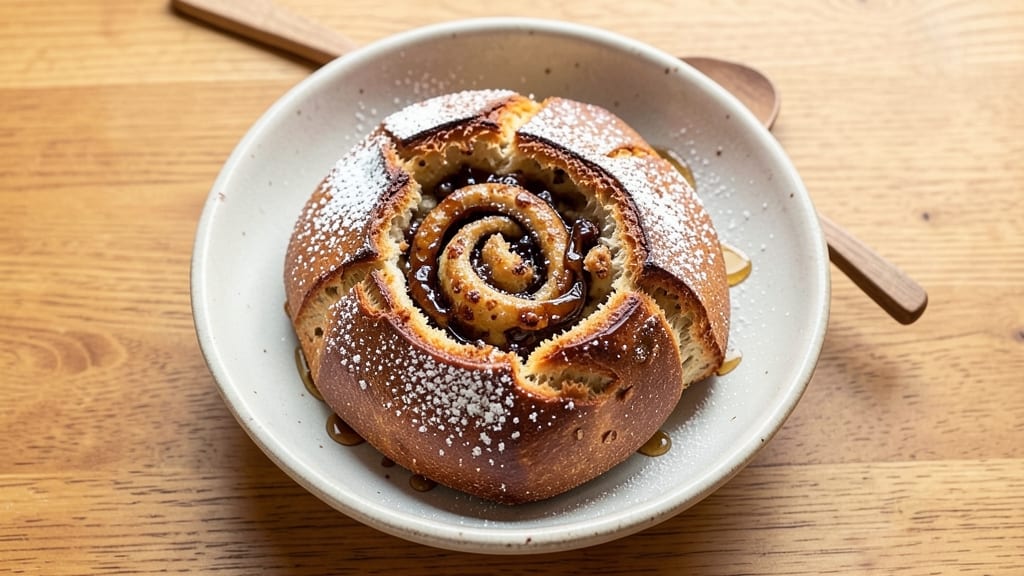
This Bishop’s bread recipe delivers the perfect balance of a buttery, crispy crust and tender, flaky layers—just like the classic Southern staple. The secret lies in layering enriched dough with a touch of molasses for depth, creating a loaf that’s both rustic and refined.
I first encountered this version at a family gathering, where it disappeared faster than the mashed potatoes. The slow rise and precise baking ensure that every slice has the right texture: crispy edges that shatter with a crackle, and a soft, buttery center that melts in your mouth.
The recipe builds on traditional techniques but simplifies them for home bakers, using a foolproof method that requires no special equipment beyond a standard loaf pan. A blend of all-purpose flour and a hint of baking powder creates the signature flakiness, while cold butter keeps the layers distinct.
The dough rests overnight, allowing flavors to develop fully—this is where the magic happens, transforming simple ingredients into something extraordinary. What sets this version apart is the molasses, which adds a subtle caramel note that pairs beautifully with the buttery richness.
By the time you pull it from the oven, you’ll have a golden-brown loaf with a crackly crust that gives way to tender, buttery layers inside. The aroma alone—warm, buttery, with just a hint of caramel—will have everyone gathering around the table.
This bread is perfect for breakfast with jam, toasted with butter, or served alongside hearty soups. The recipe scales easily, so you can make it for a crowd or freeze extras for later.
For those curious about variations, try adding a sprinkle of cinnamon or a touch of honey to the dough for a subtle sweetness. The traditional method often includes a fruit preserve layer, but this version keeps it simple while staying true to the spirit of Bishop’s bread.
Let’s get baking—this loaf is worth every minute of the wait.
Ingredients for bishop's bread
Eight simple ingredients transform into a golden, flaky loaf with crispy crust and buttery layers.
| Ingredient | Amount | Notes |
|---|---|---|
| All-Purpose Flour 🌾 | 4 cups | Sifted for best texture |
| Unsalted Butter 🧈 | 1 cup | Cold, cubed for layers |
| Granulated Sugar 🍚 | ¼ cup | Light brown preferred |
| Molasses 🍯 | ¼ cup | Unsulphured for depth |
| Large Eggs 🥚 | 2 whole | Room temperature |
| Baking Powder 🍞 | 1 tsp | Aluminum-free preferred |
| Salt 🧂 | ½ tsp | Kosher or sea salt |
| Milk 🥛 | ½ cup | Whole milk for richness |
| Vanilla Extract 🌸 | 1 tsp | Pure, high-quality |
| Whole Milk Yogurt 🍶 | ½ cup | Plain, unsweetened |
| Cornmeal 🌽 | 2 tbsp | For dusting loaf pan |
The butter is non-negotiable—use European-style unsalted if you can find it, like Plugrá or Kerrygold. Cold cubes create those signature flaky layers, so don't let it soften before folding. For molasses, Goya or Brer Rabbit unsulphured are reliable brands that deliver that rich, caramel depth without bitterness. The flour should be fresh—if it smells stale, toast it lightly in a dry pan first. I always measure my flour by weight (1 cup = 4.5 oz) for consistency, but if you're using volume, spoon it into the cup and level off. The baking powder must be fresh—if it's over a year old, toss it. For the loaf pan, a 9x5-inch is standard, but a pullman pan gives that classic long shape.
No molasses? Dark corn syrup at half the amount works in a pinch, though it lacks the caramel notes. Running short on butter? Coconut oil solidified in the fridge mimics the texture, but the flavor won't be identical. The yogurt adds tenderness—substitute with an extra tablespoon of milk if needed, but the acidity helps develop the gluten. For a sweeter loaf, add 1 tbsp honey or maple syrup to the dough. The vanilla extract should be pure—imitation extracts often contain alcohol that can dry out the dough. If you're making this ahead, the dough can rest in the fridge for up to 2 days before shaping, which actually enhances the flavor.
The shaped loaf keeps beautifully—wrap tightly in plastic and store at room temperature for 3 days. For longer storage, freeze the baked loaf (wrapped in foil) for up to 3 months. To revive, warm slices in a 200°F oven for 5-10 minutes. The crust stays crispy for about 2 hours after baking, so slice and serve immediately. Leftovers make fantastic toast or French toast the next day. For gift-giving, bake in a pullman pan—it's more impressive and keeps longer. The aroma alone will have your house smelling like a Southern bakery.
Why You'll Love This Recipe
- No-Fuss Mixing: I swear by this recipe because it’s just flour, butter, sugar, molasses, and eggs—no weird ingredients, no measuring cups of spices I don’t own. Honestly, the dough comes together faster than I can take out the mixing bowl.
- Molasses Magic: That deep, caramelized molasses kick? It’s like a slow-burned hug in every bite. The butter keeps it rich but not heavy, and the sugar just makes it sticky in the best way—like a dessert that sneaks into your breakfast.
- Breakfast or Snack: Between us, this bread is my go-to for toast in the morning or a quick snack when I’m craving something sweet. Toast it, slice it thin for French toast, or even crumble it over oatmeal—it’s the ultimate blank canvas.
- Lasts All Week: One batch feeds my family for days, and it actually improves with a day or two of resting. I’ll be real: I’ve found half a loaf in the back of the fridge months later, still perfect for a midnight craving. Budget-friendly? More like pantry-friendly.
Step-by-step instructions for Bishop's bread
Here's the method for achieving that signature crispy crust with tender centers.
Prepare the Dough Layers
In a large mixing bowl, combine the 4 cups all-purpose flour, 1 teaspoon baking powder, and 0.5 teaspoon salt. Whisk together until evenly distributed. Make a well in the center and add the 0.25 cup granulated sugar, 0.25 cup molasses, and 1 teaspoon vanilla extract. Mix these dry ingredients together until fully incorporated.
Cut the 1 cup unsalted butter into small cubes and add them to the bowl. Using a pastry cutter or your fingers, work the butter into the flour mixture until the texture resembles coarse crumbs with pea-sized butter pieces remaining. This creates the signature flaky layers that give Bishop's Bread its crispy crust.
In a separate bowl, whisk together the 2 whole large eggs, 0.5 cup milk, and 0.5 cup whole milk yogurt. Gradually pour this wet mixture into the flour mixture while stirring with a wooden spoon. Mix just until combined - you want to maintain a slightly uneven texture with visible flour streaks. This ensures the bread maintains its tender crumb rather than becoming dense.
Shape and Chill the Dough
Transfer the dough to a lightly floured surface and gently shape it into a rectangle about 12x8 inches. Fold the dough in thirds like a letter, then roll it out again to the same dimensions. Repeat this folding and rolling process two more times. This technique creates additional layers that will contribute to the crispy crust when baked.
Wrap the shaped dough tightly in plastic wrap and refrigerate for at least 2 hours, or up to 24 hours. Chilling is crucial as it allows the gluten to relax and the butter to firm up, preventing excessive spreading during baking. The longer it chills, the more pronounced the flavor development will be.
Prepare the Pan and Bake
Preheat your oven to 350°F. Generously grease a 9x5-inch loaf pan with butter, then sprinkle the bottom with 2 tablespoons cornmeal. This creates a barrier that prevents sticking and helps achieve that perfect crispy crust. The cornmeal also adds a subtle flavor that complements the molasses and butter.
Unwrap the chilled dough and carefully transfer it to the prepared loaf pan. Press down gently to fill the pan completely. Bake for 50-55 minutes until the top is deep golden brown and a toothpick inserted in the center comes out clean. The edges should be crispy while the center remains tender - this is the hallmark of perfect Bishop's Bread.
Cool and Serve
Remove the bread from the oven and let it cool in the pan for 10 minutes. This short resting period allows the bread to set slightly while maintaining its crispy texture. Then carefully invert the bread onto a wire rack to cool completely. The crispy crust will firm up as it cools, creating that satisfying contrast with the tender interior.
Slice the bread into 8 equal pieces using a serrated knife. The crispy edges will crumble slightly as you cut, which is exactly what you want. Serve warm for the best texture and flavor experience. The molasses and butter combination creates a subtle sweetness that pairs beautifully with the crispy crust, making this bread perfect for breakfast or as a dessert with a dusting of powdered sugar.
Pro Tips For Making Bishop'S Bread
- Whisk Molasses First: Mix the molasses with the eggs and sugar before adding butter—this prevents clumps and ensures the batter is smooth. I learned this the hard way when my first batch had stubborn streaks of molasses sinking to the bottom.
- Use Room-Temp Butter: Let the unsalted butter sit out for 30 minutes before creaming—it blends better and gives the bread a lighter texture. Cold butter makes for a denser loaf, and nobody wants that.
- Avoid Overmixing the Batter: Stop folding in the flour as soon as it’s just combined—overworking it makes the bread tough. Two or three gentle turns with a spatula is all it takes.
- Bake at 325°F, Not Higher: Bishop’s bread needs slow, even heat to develop its deep flavor and crackly top. Cranking the oven to 350°F will give you a dry, undercooked center—trust the recipe’s temp.
Flavor customization for this recipe
Sweet Variations
For a dessert-style loaf, replace half the molasses with 1 cup honey or maple syrup—this creates a more pronounced sweetness that pairs perfectly with a dusting of powdered sugar or cinnamon.
I like adding ½ cup chopped walnuts or pecans for texture, folding them into the dough just before baking. For a fruity twist, fold in ½ cup dried cranberries or raisins soaked in warm water for 10 minutes to plump them up. 🍯
Spiced Twist
Infuse the dough with warmth by adding 1 teaspoon ground cinnamon, ½ teaspoon ground nutmeg, and ¼ teaspoon cloves to the dry ingredients. This transforms the bread into a spiced loaf that’s perfect for holiday mornings.
For extra depth, brush the baked loaf with a mixture of 2 tablespoons melted butter and 1 tablespoon brown sugar while still warm. 🌶️
Savory Adaptation
Skip the molasses entirely and replace it with 1 teaspoon onion powder and ½ teaspoon garlic powder for a savory version. Add ½ cup shredded cheddar cheese to the dough for a cheesy pull-apart loaf.
This works beautifully as a side for soups or stews. For a herby touch, fold in 1 tablespoon finely chopped rosemary or thyme into the dough. 🧀
Molasses-Free Option
If you dislike molasses, substitute it with ¼ cup dark corn syrup or 2 tablespoons blackstrap molasses (which has a stronger flavor). For a neutral sweetness, use ¼ cup golden syrup or even agave nectar.
The bread will still have a tender crumb but with a more subtle sweetness. 🍯
Gluten-Free Adaptation
Replace the all-purpose flour with a 1:1 gluten-free baking flour blend (like Bob’s Red Mill or King Arthur) and add ½ teaspoon xanthan gum to improve structure. Reduce the butter to ½ cup to prevent excessive spread, and increase the yogurt to ⅔ cup for moisture.
Bake at 325°F for 55-60 minutes to avoid over-browning. 🌾
Fruit Layer Option
For a showstopping presentation, create a layered loaf by spreading ½ cup apricot jam or peach preserves over half the dough before folding. This adds bursts of fruity flavor in every bite.
Another idea: fold in ½ cup diced fresh peaches or apples (tossed in 1 teaspoon lemon juice to prevent browning) into the dough. 🍑
Nutrition facts
Frequently asked questions
What makes this Bishop's bread recipe different from regular bread?
The key difference lies in the layered butter technique and overnight chilling. Cold butter cubes create flaky, crispy layers that give it that signature texture, while the molasses adds depth. The extended rest time lets flavors meld perfectly—unlike quick breads that bake immediately.
Can I make this without molasses?
Yes! Replace the 0.25 cup molasses with 0.25 cup dark corn syrup or 2 tablespoons blackstrap molasses for a stronger flavor. For a neutral sweetness, use 0.25 cup golden syrup or agave nectar. The bread will still be tender but with a subtler sweetness.
Why does the dough need to chill overnight?
The overnight chill relaxes the gluten and firms up the butter, preventing excessive spreading. This creates those crispy layers and lets flavors develop fully. If short on time, chill for at least 2 hours, but longer = better flavor.
How do I store leftovers to keep them crispy?
Wrap the cooled loaf tightly in plastic wrap and store at room temperature for 3 days. For longer storage, freeze the baked loaf (wrapped in foil) for up to 3 months. To revive, warm slices in a 200°F oven for 5-10 minutes until crispy again.
Can I add fruit or nuts to this recipe?
Fold in ½ cup chopped walnuts, pecans, or dried cranberries before baking. For a layered effect, spread ½ cup jam over half the dough before folding. Fresh fruit works too—try diced peaches or apples tossed in lemon juice.