
Breakfast & Brunch
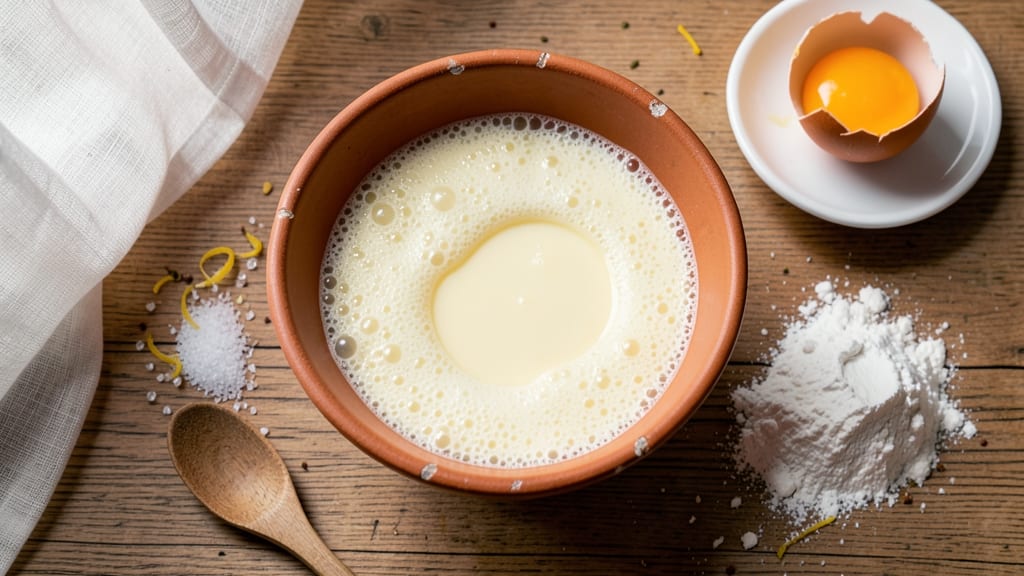
Adding egg to bread transforms ordinary loaves into something rich, tender, and irresistibly golden. The secret lies in how eggs work—adding moisture, structure, and that perfect crust without heaviness. This technique is what separates good bread from great bread, and it’s easier than you think.
Eggs act as a natural binder, creating a lighter crumb and a shinier, more appealing crust. For brioche or sweet breads, they add richness, while for sandwich loaves, they improve sliceability.
The key is incorporating them at the right stage—whether as an egg wash, mixed into the dough, or used to enrich the fat content.
What you’ll end up with is bread that’s soft yet sturdy, with a tender crumb and a crust that’s just crisp enough. The eggs prevent a dense texture, ensuring every slice is light and fluffy. This method works for both sweet and savory breads, making it incredibly versatile.
Ready to elevate your baking? The process is straightforward, but the results are restaurant-quality. Let’s get started with the full technique for adding eggs to your bread dough.
Ingredients for adding egg to bread
Eggs plus these 11 staples turn basic bread into something restaurant-worthy.
| Ingredient | Amount | Notes |
|---|---|---|
| Large Eggs 🥚 | 2 whole | Room temperature for even mixing |
| All-Purpose Flour 🌾 | 4 cups | Bread flour for chewier texture |
| Active Dry Yeast 🍞 | 0.03 oz | 1 packet or 2 1/4 tsp |
| Granulated Sugar 🍚 | ¼ cup | For yeast activation |
| Unsalted Butter 🧈 | ½ cup | Softened, full-fat preferred |
| Whole Milk 🥛 | ½ cup | Warmed to room temperature |
| Salt 🧂 | 1 tsp | Kosher or sea salt |
| Large Egg Yolks 🥚 | 2 whole | Separated from whites for wash |
| Water 💧 | ¾ cup | Lukewarm for yeast activation |
| Poppy Seeds 🌱 | 2 tsp | Optional for topping |
| Sesame Seeds 🌱 | 1 tbsp | Optional for topping |
| Honey 🍯 | 1 tbsp | For egg wash sweetness |
The eggs are the star here, but don't overlook the flour—bread flour gives that perfect chewy texture, while all-purpose works in a pinch. For the yeast, King Arthur or Bob's Red Mill are my go-tos, but any active dry yeast will do. Store-bought butter? Land O'Lakes or Plugrá soften easily when cut into small cubes and left out for 30 minutes. The milk needs to be warm (like bathwater, not hot) to activate the yeast without killing it—stick your finger in to test.
No egg yolks for the wash? Melted butter and a splash of milk mimics the richness. Running short on poppy seeds? Everything bagel seasoning works great for topping. The honey in the egg wash isn't just for flavor—it helps create that golden crust. Pro tip: separate the yolks and whites before you start mixing dough. The whites will whip up beautifully for an extra-light loaf if you're feeling fancy, but the yolks are non-negotiable for that buttery richness.
Keep your eggs in the fridge until you're ready to use them—room temp makes them easier to mix, but they'll stay good for 3 weeks this way. The dough itself keeps in the fridge for 2 days or freezes for 3 months. For the egg wash, mix it right before baking—it sets fast. Store any leftover wash in a sealed container with a piece of parchment over it to prevent a skin. The seeds? They'll keep for 6 months in a cool, dark place.
Why You'll Love This Recipe
- No-Knead Magic: I swear by this recipe when I’m too tired to fuss. The yeast and sugar do all the work—just mix, let it rise, and bake. That’s it. No punchy arms, no failed rolls.
- Golden Crust, Soft Heart: The butter and egg combo? Chef’s kiss. The outside gets that perfect golden-brown crackle while the inside stays pillowy—like a hug from your favorite bakery.
- Breakfast or Snack: Honestly, this bread is my secret weapon. Toast it for breakfast, tear it for sandwiches, or freeze slices for quick toast later. It’s the one loaf that does it all.
- Leftovers That Last: Between us, I always bake two. The flavor only gets better the next day, and it reheats in seconds. Plus, it’s cheaper than buying store bread—win-win.
Step-by-step instructions for enriched bread with eggs
Here's how to incorporate eggs for a rich, tender crumb without sacrificing that perfect crust.
Activate the Yeast with Warm Milk and Sugar
In a small bowl, combine the 0.75 cup water and 0.25 cup granulated sugar with the 0.025 oz active dry yeast. Let it sit for 5-10 minutes until foamy—this means your yeast is alive and ready to work. Meanwhile, warm the 0.5 cup whole milk to about 110°F (it should feel warm to the touch but not hot).
I like to use a microwave for this—just heat the milk in 30-second bursts until it reaches that perfect temperature. Too hot and you'll kill the yeast; too cold and it won't activate properly. The foamy mixture should look like a bubbly cappuccino when ready.
Mix the Wet Ingredients with Eggs
In a large mixing bowl, combine the 2 whole large eggs, 0.5 cup softened unsalted butter, and the foamy yeast mixture. Add the 1 tsp salt and mix until just combined—you don't want to overwork the eggs or butter at this stage. The mixture should be smooth but still slightly thick.
This is where the eggs really start to make their magic. They add richness and help create that tender crumb we're after. I like to use a wooden spoon here to avoid overmixing, which can develop gluten too early and make the bread dense.
Gradually Incorporate the Flour
With the mixer on low speed, slowly add the 4 cups all-purpose flour to the wet ingredients. Mix just until combined—you should still see some dry flour spots. This prevents overdevelopment of gluten, which would make the bread tough. Once incorporated, let the dough rest for 10 minutes to hydrate.
After resting, turn the dough out onto a lightly floured surface and knead gently for about 5 minutes until smooth. The dough should be soft but not sticky—if it's too sticky, add a little more flour, but don't go overboard. The eggs make the dough more tender, so it won't need as much handling as traditional bread dough.
First Rise with Egg Yolks for Extra Richness
Shape the dough into a loaf and place it in a lightly greased bowl. Cover with a damp towel and let it rise in a warm place for 1-2 hours or until doubled in size. Meanwhile, whisk together the 2 whole large egg yolks with the 1 tbsp honey for the egg wash.
The first rise is crucial—this is when the yeast does most of its work creating that light, airy texture. I like to place my oven light on for warmth during this stage. The dough should spring back slowly when poked with a finger, indicating it's ready for shaping.
Shape, Prove, and Bake for Perfect Texture
Punch down the risen dough and shape it into a loaf pan. Brush the top generously with the egg yolk wash, then sprinkle with the 2 tsp poppy seeds and 1 tbsp sesame seeds. Let it rise again for 30-45 minutes until just above the pan's rim.
Preheat your oven to 375°F and bake for 30-35 minutes until golden brown. The eggs in this recipe create a beautiful, tender crumb while the seeds add texture and flavor. For best results, let the bread cool on a wire rack for at least 15 minutes before slicing—this helps it set properly.
Pro Tips For Making Adding Egg To Bread
- WARM EGGS FIRST: Cold eggs straight from the fridge will shock the dough and slow fermentation. Run them under warm water for 30 seconds or let them sit in a bowl of lukewarm water for 5 minutes—this keeps the yeast happy and prevents a gummy texture. (Yes, even if you’re in a hurry.)
- MEASURE FLOUR BY WEIGHT: Scooping flour from the bag packs it too tightly, and that means dense, dry bread. Use a kitchen scale for precision—1 cup of all-purpose flour is actually 120-125 grams, not the 160 grams you’d get by scooping. Your bread will rise better and have a lighter crumb.
- DON’T OVERMIX THE DOUGH: The moment you add the egg, stop folding after 2-3 gentle turns. Overworking the dough develops gluten too much, and that’s how you end up with tough, chewy bread instead of tender, airy layers. Think "just combined," not "fully blended."
- LET THE DOUGH RISE TWICE: Skip the second rise at your own risk—this is where the magic happens. After the initial rise, punch down the dough, shape it, and let it rest another 30-45 minutes before baking. It’s easy to forget, but this step makes the texture rich and the flavor deep. (I used to skip it until I tasted the difference.)
Make-ahead tips for adding egg to bread
Dough Prep Ahead
Mix your dough up to 24 hours in advance and refrigerate it in an airtight container. The cold slows fermentation, letting flavors develop deeper. When ready to bake, let it sit at room temperature for 1-2 hours before shaping—this reactivates the yeast.
I always double-check the dough’s temperature before baking; it should be between 70-75°F for optimal rise. 💡
Egg Wash Storage
Prepare the egg wash (yolks + honey) the night before and store it in a sealed container with plastic wrap pressed directly on the surface. This prevents a skin from forming.
Keep it refrigerated until ready to use—it’ll keep for 2 days. For extra shine, whisk in 1 tsp water before brushing on the dough. 🥚
Freezer-Friendly Loaves
Shape and rise your dough as directed, then freeze it in a loaf pan wrapped tightly in plastic wrap and foil. Bake straight from frozen at 350°F for 50-60 minutes, adding 5-10 minutes extra time.
The eggs help retain moisture, so your bread stays soft even after freezing. Thaw overnight in the fridge if you prefer room-temperature bread. ❄️
Reviving Stale Bread
Use the egg trick to refresh stale bread! Whisk 1 egg yolk with 1 tbsp milk and brush it over slices. Toast in a 350°F oven for 5-8 minutes until crispy. The eggs rehydrate the crumb while adding richness. Perfect for sandwiches or French toast. 🔥
Batch Prep Tips
Make two loaves at once for easy meal prep. Divide the dough evenly between two pans and bake simultaneously. Store one loaf in the fridge for 3 days and freeze the other.
Label containers with dates—eggs in dough keep best for 3 months frozen. When reheating, wrap slices in foil and warm at 300°F for 5 minutes. 📅
Nutrition facts
Frequently asked questions
Why does adding egg make bread richer?
Eggs add fat and protein to bread dough, which creates a more tender crumb and enhances browning. The fat in eggs coats gluten strands, preventing them from tightening too much during baking. This results in bread that's softer, moister, and has that irresistible golden crust.
Can I substitute eggs in bread recipes?
Yes, but with adjustments. For 1 egg, try ¼ cup milk + 1 tbsp melted butter (for moisture) or ¼ cup applesauce (for binding). However, eggs provide unique richness and structure—substitutes may alter texture. For best results, use whole eggs when possible.
How do I prevent my egg-enriched bread from getting too dense?
Don't overmix the dough after adding eggs—just combine until flour disappears. Let it rest 10 minutes before kneading to relax gluten. Also, ensure your yeast is active and your eggs are room temperature. Overworking the dough develops too much gluten, making bread tough.
What's the best way to use eggs in different bread types?
For brioche: incorporate whole eggs into dough for richness. For sandwich bread: use egg wash (yolks + milk) for shine. For sweet breads: add extra yolks for moisture. Avoid eggs in sourdough—they can interfere with fermentation. Each method enhances texture differently!
Can I make this bread without a loaf pan?
Shape dough into a round or oval and place on a baking sheet lined with parchment. Brush with egg wash and bake at 375°F for 25-30 minutes. For free-form shapes, let dough rise slightly longer (until puffy) before baking. The eggs help maintain structure during shaping.