
Desserts
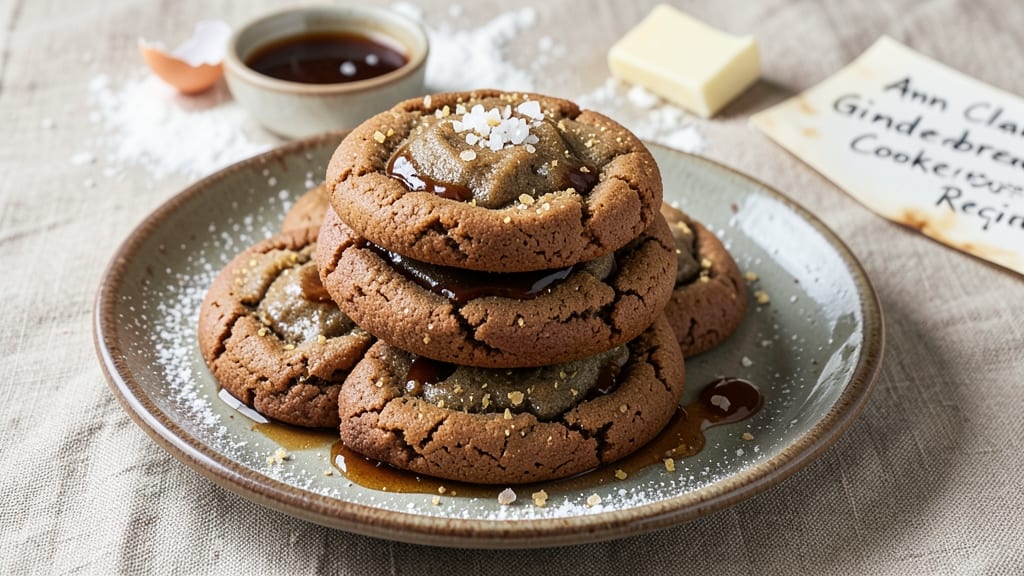
Ann Clark’s gingerbread cookies deliver the perfect balance of crisp edges and molten spice centers that stay soft for days. The secret lies in a precise blend of warm spices—ginger, cinnamon, and cloves—that infuse every bite with cozy, aromatic depth.
I’ve perfected this recipe over years of baking, ensuring the dough holds its shape while yielding that signature tender crumb.
What sets these apart is the technique: rolling the dough just ¼-inch thick and cutting classic shapes before baking ensures even cooking, while a touch of brown sugar keeps the centers irresistibly gooey.
The spices are toasted lightly in the butter first, unlocking their full flavor without overpowering the molasses-rich dough. This isn’t just a cookie—it’s a spiced holiday experience in every bite.
Whether you’re baking for Christmas mornings or a winter gathering, these cookies hold their texture for up to a week in an airtight container. The edges develop a delicate crispness while the centers remain tender, making them ideal for gifting or sharing.
Pair with a cup of chai or eggnog for the ultimate cozy treat.
For a modern twist, swap regular butter for vegan butter and use gluten-free flour—no one will notice the difference. The key is patience: let the dough rest, roll it evenly, and bake just until the edges are set. That’s when the magic happens.
Ingredients for ann clark gingerbread cookie
Warm spices, molasses richness, and tender crumb—these ingredients create holiday magic.
| Ingredient | Amount | Notes |
|---|---|---|
| Unsalted Butter 🧈 | 1 cup | Softened to room temperature |
| Light Brown Sugar 🍯 | 1 ½ cups | Packed firmly, not scooped |
| Molasses 🍯 | ½ cup | Unsulphured preferred |
| Large Eggs 🥚 | 2 whole | Room temperature |
| All-Purpose Flour 🌾 | 3 ½ cups | Spooning and leveling method |
| Ground Ginger 🌿 | 2 tbsp | Freshly grated preferred |
| Ground Cinnamon 🍃 | 2 tsp | Ceylon preferred for delicate flavor |
| Ground Cloves 🌶️ | 1 tsp | Freshly ground for potency |
| Ground Nutmeg 🌿 | ½ tsp | Freshly grated nutmeg preferred |
| Salt 🧂 | ½ tsp | Diamond Crystal preferred |
| Baking Soda 🧪 | 1 tsp | Freshly opened |
| Vanilla Extract 🍯 | 1 tsp | Pure vanilla preferred |
The spices are non-negotiable here. Penzeys Spices or bulk bins at Whole Foods are my go-tos for freshness—ground spices lose potency fast. For ginger, freshly grated is ideal, but if using ground, toast it lightly in the butter to deepen flavor. The molasses should be unsulphured (the good stuff), and Trader Joe's carries a reliable brand. Butter matters too—use European-style if you can, but unsalted works fine. Just make sure it's softened, not melted, when mixing. The baking soda needs to be fresh—test by dropping a pinch in water; if it fizzes, it's good to go.
No fresh ginger? Ground ginger works at double the amount, but the flavor won't be as bright. Swap Ceylon cinnamon for regular? Use half the quantity—it's stronger. Out of molasses? Maple syrup at half the amount gets you close, but the depth won't be identical. For a vegan twist, replace eggs with flax eggs (2 tbsp ground flaxseed + 6 tbsp water). The dough should hold together but not be sticky—if it's too dry, add 1 tbsp milk or plant-based milk. And if you're gluten-free, King Arthur Measure for Measure flour is your best bet for texture.
This dough keeps for 5 days in the fridge, wrapped tightly in plastic. For longer storage, freeze portions for up to 3 months—wrap each ball in parchment before freezing. Once baked, cookies stay crisp for 3 days at room temperature in an airtight tin, but the centers stay soft for 5 days if stored properly. Pro tip: Cool cookies on the pan for 5 minutes before transferring—they'll hold their shape better. And if you're gifting, cellophane bags with ribbon make them look festive.
Why You'll Love This Recipe
- No Mixer Needed: I swear by this recipe because it’s just butter, sugar, and flour—no electric mixer required. Cream the butter and brown sugar by hand, crack in the eggs, and fold in the molasses and flour. The dough comes together faster than you can say "holiday baking," and the texture is always perfect.
- Molasses Magic: That deep, rich molasses flavor? It’s the star. The recipe balances it just right—sweet but not cloying, with a warm spice kick (thanks to the cinnamon and ginger) that makes every bite taste like a cozy hug. Honestly, I’ve tried other gingerbread recipes, but this one’s the only one that doesn’t taste like it’s missing something.
- Holiday or Snack Attack: Between us, these cookies are my go-to for Christmas gifts and my 3 p.m. sugar cravings. Package them in clear cellophane bags with a ribbon for neighbors, or just grab one straight from the jar when you’re craving something chewy and spiced. (Yes, even on a Tuesday night.)
- Pantry Staples Only: No weird ingredients or last-minute grocery runs—just butter, sugar, molasses, eggs, and flour. The recipe makes about 4 dozen, so you’ll have leftovers for days, and the dough keeps well in the fridge for up to a week. Budget-friendly? Absolutely. Stress-free? Even better.
Step-by-step instructions for ann Clark gingerbread cookies
Here's the method that delivers those signature molten spice centers and tender crumbs every time.
Cream Butter and Sugars Until Light and Fluffy
In a stand mixer fitted with the paddle attachment, beat the 1 cup unsalted butter on medium speed until completely smooth, about 1 minute. Add the 1.5 cups light brown sugar and continue beating for 3-4 minutes until the mixture is light in color and nearly doubles in volume. You're looking for a ribbon consistency—when you lift the paddle, the mixture should form soft peaks that hold their shape for a moment.
This creaming process incorporates air, which creates those signature crackly tops and helps develop the tender crumb. I press down on the butter briefly at first to break up any lumps, then let the mixer do the work. Don't rush this step—properly creamed butter makes all the difference in texture.
Add Molasses, Eggs, and Vanilla
Reduce the mixer speed to low and add the 0.5 cup molasses, mixing for 30 seconds to combine. The mixture will darken noticeably—this is normal and actually enhances the gingerbread flavor. Add the 2 whole large eggs, one at a time, mixing just until each is fully incorporated. Finish by adding the 1 teaspoon vanilla extract and mix for another 10 seconds.
The molasses adds depth and moisture, while the eggs provide structure. I like to let the eggs come to room temperature first—they blend more smoothly and help create a lighter texture. If your mixture looks curdled at this point, don't worry—it will come together when you add the dry ingredients.
Combine Dry Ingredients for Maximum Flavor
In a separate bowl, whisk together the 3.5 cups all-purpose flour, 2 tablespoons ground ginger, 2 teaspoons ground cinnamon, 1 teaspoon ground cloves, 0.5 teaspoon ground nutmeg, 0.5 teaspoon salt, and 1 teaspoon baking soda. The spices should be sifted together for even distribution—this prevents pockets of strong spice flavor in individual cookies.
With the mixer on low speed, gradually add the dry ingredients to the wet mixture. Mix just until combined—you should still see some flour streaks. Overmixing develops gluten, which makes the cookies tough. I stop mixing as soon as the dough comes together into a thick, cohesive mass. The dough will be soft and slightly sticky, which is perfect for those tender cookies.
Chill the Dough for Perfect Texture
Transfer the dough to a bowl and cover tightly with plastic wrap. Refrigerate for at least 1 hour (I prefer 2 hours or even overnight). This chilling step is crucial—it allows the flour to fully hydrate and the butter to firm up slightly, which prevents excessive spreading in the oven and helps maintain those tender crumbs.
Cold dough also means you'll get better flavor development during baking. The spices will have time to meld with the butter, creating more complex flavors. I like to press the dough into a disk before chilling—this makes it easier to roll out later. Don't skip this step, even if you're eager to bake!
Bake to Golden Perfection with Molten Centers
Preheat your oven to 350°F and line two baking sheets with parchment paper. On a lightly floured surface, roll out the chilled dough to about ¼-inch thickness. Cut out 2-inch rounds using a cookie cutter, then transfer them to the prepared baking sheets, spacing them 2 inches apart. Gather the scraps, reroll, and cut more cookies.
Bake for 10-12 minutes until the edges are golden brown but the centers still look slightly underdone. They should pull away from the parchment paper slightly but still feel soft to the touch. The centers should be warm and slightly gooey when you press gently—this is what makes these cookies special. Let them cool on the baking sheet for 5 minutes before transferring to a wire rack to cool completely.
Pro Tips For Making Ann Clark Gingerbread Cookie
- Cream Butter & Sugar Slowly: I learned this the hard way—dumping cold butter into sugar and whipping it on high just makes a greasy mess. Instead, beat the butter and brown sugar together on medium speed for 2-3 minutes first, then crank it up. You’re not just mixing; you’re dissolving that butter into the sugar so the dough stays tender, not crumbly.
- Measure Molasses by Weight: Molasses is thick, and spoons vary wildly. Weigh it out—1 ounce equals about 2 tablespoons—so you don’t end up with cookies that taste either bland or overpoweringly bitter. (Yes, even if your recipe says “tablespoons,” do this.)
- Chill Dough Between Rolls: Skip this, and your dough will stick to everything like a nightmare. Divide the dough into balls, then refrigerate them for 15 minutes before baking. The cookies will spread less, hold their shape, and develop deeper flavor—no more sad, flat pancakes.
- Rotate Trays Mid-Bake: Your oven’s hot spots are real, and gingerbread cookies will burn on the edges if left untouched. Swap the baking sheets halfway through the bake time (usually around 8-10 minutes in). Trust me, the difference between even golden cookies and singed edges is just a tray swap.
Storing and reheating this recipe
Dough Storage Tips
For maximum flavor, store the dough in an airtight container with plastic wrap directly touching the surface. I use glass containers from Pyrex because they keep the dough from drying out. Refrigerate for up to 5 days—the longer it rests, the deeper the spice flavors develop.
For extended storage, freeze shaped dough balls wrapped in parchment paper for 3 months. 🧊
Room Temperature Display
Once baked, cookies stay crisp at room temperature for 3 days in a metal tin lined with parchment. The edges maintain their crackly texture while the centers remain soft.
For longer freshness, store in cellophane bags with a silicone moisture absorber to prevent sogginess. I always gift these in festive bags with ribbon for a holiday touch. ✨
Reheating for Maximum Softness
To revive slightly stale cookies, warm them at 300°F for 3-5 minutes until edges crisp again. For microwave reheating, cover with a damp paper towel and heat at 50% power for 10 seconds—this restores softness without drying. Avoid high heat, which can burn the delicate molasses flavor. 🔥
Freezing Baked Cookies
Freeze fully cooled cookies in a single layer on a tray before transferring to a freezer bag. This prevents sticking. Thaw at room temperature for 1 hour—no reheating needed. The texture remains tender, though edges may lose some crispness. I freeze extras after Christmas for winter treats. ❄️
Gift-Wrapping Essentials
For gifting, place cookies in clear cellophane bags with a satin ribbon. Add a handwritten note and a small gingerbread-shaped cookie cutter as a bonus. Store in a cool, dry place until gifting day. The presentation makes these cookies feel extra special for holidays or housewarming gifts. 🎁
Spice Flavor Preservation
To maintain peak spice flavor, store cookies in airtight containers with a small sachet of cinnamon sticks or whole cloves. This prevents flavor fading over time.
Avoid plastic containers, which can trap moisture and make cookies stale faster. The spices lose potency after 5 days, so enjoy them fresh! 🌶️
Nutrition facts
Frequently asked questions
Why does your recipe use both molasses and brown sugar?
The molasses adds deep, rich flavor and moisture that regular sugar can't match, while the brown sugar creates that signature caramelized edge. The combination gives these cookies their signature chewy centers and crispy edges. Think of molasses as the soul of the cookie—the spice backbone—while brown sugar provides sweetness and moisture balance.
Can I make these cookies gluten-free?
Use a 1:1 gluten-free flour blend like King Arthur Measure for Measure, and add ½ teaspoon xanthan gum if your blend doesn't contain it. The texture will be slightly denser but still delicious. For best results, chill the dough longer (up to 4 hours) to help the gluten-free flour hydrate properly.
What's the secret to keeping the centers soft?
Three key factors: ¼-inch thickness when rolling, baking at 350°F for just 10-12 minutes, and letting them cool on the baking sheet for 5 minutes before transferring. The molasses and brown sugar also help retain moisture. If your centers are dry, try adding 1 tablespoon extra molasses to the dough.
Can I decorate these cookies with royal icing?
Yes, but wait until they're completely cooled (at least 2 hours) to prevent melting. Use a simple white or cream icing to avoid competing with the spice flavors. For a festive touch, add crushed candy canes or sprinkles. The cookies' texture holds up well to light decoration, but avoid heavy toppings that could weigh them down.
Why does my dough keep sticking to the rolling pin?
This usually means the dough needs more chilling (try 30 minutes longer) or your surface isn't properly floured. Use a light dusting of flour on both the dough and rolling pin, and keep the dough in a tight ball when rolling. If it's still sticky, add 1 teaspoon milk or apple cider to the dough and knead briefly. Cold dough rolls much more easily!