
Side Dishes
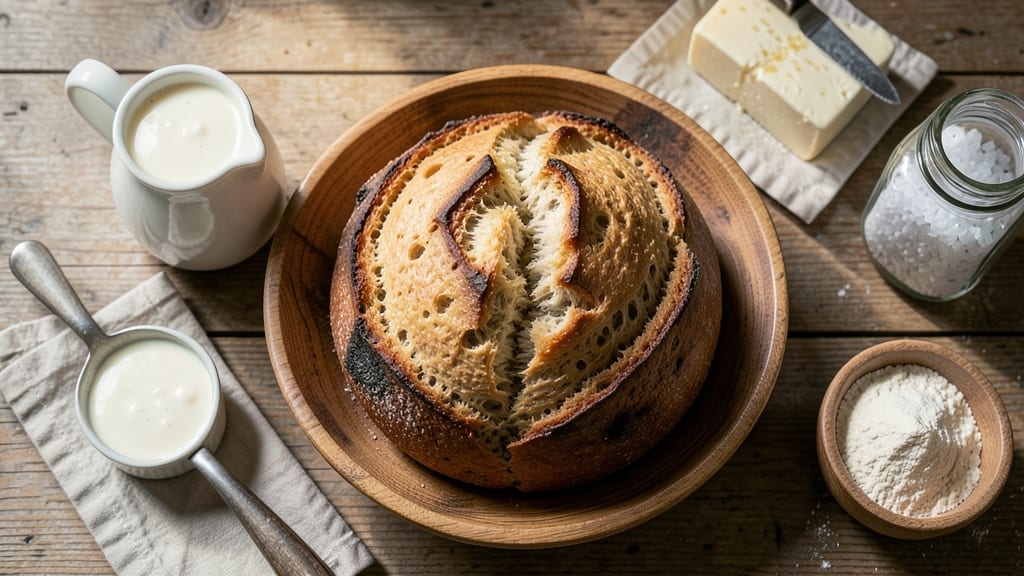
This authentic soda bread recipe brings the heart of Irish tradition to your kitchen table with its rustic charm and simple ingredients. The signature tangy flavor comes from buttermilk, while baking soda creates that signature quick rise without yeast.
I've perfected this method over years of baking, ensuring every loaf delivers that perfect balance of tender crumb and crispy crust.
The beauty of traditional soda bread lies in its simplicity—just four basic ingredients transform into a loaf that feels like a warm hug. No yeast means no waiting, no kneading, and no fuss.
The buttermilk activates the baking soda, creating carbon dioxide bubbles that give the bread its signature airy texture. This recipe stays true to the original while offering optional variations like seeds or herbs for added depth.
By the time it emerges from the oven, you'll have a golden, rustic loaf with a crisp exterior and tender interior. The aroma alone will transport you to an Irish countryside kitchen.
Perfect for serving with soups, stews, or simply slathered with butter, this bread is a testament to how simple ingredients can create something truly special.
Whether you're baking for a family gathering or simply craving a taste of tradition, this recipe delivers authentic Irish soda bread with minimal effort. The best part?
It's ready in under an hour, making it ideal for busy weeknights or weekend baking projects. Let's get started on creating this timeless classic.
Ingredients for authentic soda bread
Four core ingredients transform into rustic Irish tradition—no yeast, no fuss, just pure flavor.
| Ingredient | Amount | Notes |
|---|---|---|
| All-Purpose Flour 🌾 | 4 cups | Unbleached, white or whole wheat |
| Buttermilk 🥛 | 1 ½ cups | Full-fat for best flavor |
| Baking Soda 🧂 | 1 tbsp | Pure, unsifted |
| Salt 🧂 | 1 tsp | Fine sea salt preferred |
| Unsalted Butter 🧈 | ½ cup | Cold, cubed for crust |
| Milk 🥛 | ¼ cup | For brushing crust |
| Optional Seeds 🌻 | ½ cup | Sunflower or flaxseeds |
| Optional Herbs 🌿 | ¼ cup | Fresh rosemary or thyme |
The flour is everything here. King Arthur or Bob’s Red Mill are my go-tos—they bake up lighter than store brands. Buttermilk? Full-fat is a must—it’s what gives that signature tang. I always grab mine from Whole Foods or make my own by mixing milk and vinegar. The baking soda needs to be fresh; if it smells like vinegar, toss it. And that salt? Diamond Crystal kosher is my secret weapon—it dissolves perfectly without overpowering. For the butter, Plugrá or Land O’Lakes are my staples, but any unsalted will work.
No buttermilk? Mix 1.5 tbsp vinegar or lemon juice into 1.5 cups milk—it’s a game-changer. Skip the seeds? No problem, but adding them is where you can get creative. Sunflower seeds add crunch, while flaxseeds bring nuttiness. Fresh herbs like rosemary or thyme? Toss them in for a fragrant twist. The milk for brushing? Any kind works, but whole milk gives that golden crust. And if you’re feeling fancy, swap half the flour for whole wheat—just add a splash more milk to keep it from getting dry.
This bread is best baked fresh, but it keeps well for 3-4 days wrapped in a cloth. For longer storage, freeze slices in a bag for up to 3 months. I always bake two loaves—one for the table, one for freezing. The crust gets crispier as it cools, so let it sit for 10 minutes before slicing. And trust me, the aroma alone is worth the wait—it’ll have your whole kitchen smelling like an Irish countryside.
Why You'll Love This Recipe
- No Mixer Needed: I swear by this—just fold the buttermilk into flour with my hands, no fancy tools. The baking soda does all the work while I’m still wiping flour off my fingers.
- Tangy Butter Magic: That buttermilk tang cuts through the richness of the butter, giving it a bright, almost cracker-like crunch. Honestly, the first bite makes me forget it’s just bread.
- Weeknight Workhorse: Toss it in a basket with soup for dinner, toast it for breakfast, or pack slices for lunch. It’s my go-to when I’m too tired to think past "something edible."
- Lasts All Week: A single loaf feeds my family for days—great for toast, sandwiches, or even crumbled over salads. Between us, I’ve had this same batch for four meals and still crave it.
Step-by-step instructions for authentic soda bread
Here's how to craft this Irish classic with perfect texture and rustic charm.
Mix the Wet and Dry Ingredients
In a large mixing bowl, combine the 4 cups all-purpose flour and 1 tsp salt. Make a well in the center and pour in the 1.5 cups buttermilk and 1 tbsp baking soda. The mixture will immediately begin to bubble as the baking soda reacts with the buttermilk's acidity.
Using a wooden spoon or rubber spatula, gently fold the ingredients together until just combined. You'll see a shaggy dough form, but don't overmix—this keeps the bread tender. The dough should be sticky but manageable. If it feels too wet, add 1 tablespoon more flour at a time until it comes together.
Shape and Prepare the Loaf
Turn the dough onto a lightly floured surface and gently shape it into a round loaf about 1 inch thick. I like to keep the edges slightly uneven for that classic rustic look. Place the dough on a parchment-lined baking sheet.
Here's the authentic touch: score the top with a sharp knife in a deep cross shape. This isn't just decoration—it helps control the bread's expansion and gives you that beautiful crisscross pattern. Press down firmly to create a deep cut that reaches about halfway through the dough.
Add Optional Enhancements
If using, sprinkle 0.5 cup optional seeds (like sunflower or flaxseeds) and 0.25 cup optional herbs (fresh rosemary or thyme) evenly over the top of the dough. Press them lightly into the surface so they adhere. These additions add wonderful texture and flavor that complement the bread's simplicity.
For extra flavor, melt the 0.5 cup unsalted butter in a small saucepan over low heat, then brush some of it over the top of the dough. Save the remaining butter for brushing after baking. This creates a golden crust that's crispy on the outside and tender within.
Bake for Maximum Crispiness
Preheat your oven to 425°F. Bake the bread for 35-40 minutes until it sounds hollow when tapped on the bottom and the crust is deep golden brown. The bread should feel light and springy—don't rely solely on the timer as ovens vary.
In the last 5 minutes of baking, brush the top with the reserved 0.25 cup milk mixed with a little of the melted butter. This creates that signature crispy crust while keeping the interior moist. The bread is done when it reaches an internal temperature of 190-200°F at its center.
Pro Tips For Making Authentic Soda Bread
- MEASURE BUTTERMILK ACCURATELY: If your recipe calls for 1 cup of buttermilk, don’t eyeball it—use a liquid measuring cup and fill it to the brim. Too little, and your bread turns dense; too much, and it collapses. I learned this the hard way after a batch that looked more like a hockey puck than rustic bread.
- LET THE DOUGH REST 10 MINUTES: After mixing, resist the urge to shape it immediately. Give the dough a solid 10 minutes to firm up—this makes handling easier and prevents a crumbly texture. (Yes, even if you’re impatient like me.)
- USE COLD UNSALTED BUTTER: Cut that butter into small cubes and keep it cold—no warmer than room temperature. Warm butter melts too fast, turning your bread greasy instead of tender. I was skeptical until I tried it; the difference is noticeable.
- SKIP THE CROWDING IN THE PAN: Don’t press the dough down when shaping—just gently form it into a round and place it in the pan. Crowding it flattens the bread, killing the air pockets that make soda bread light. A loose, slightly uneven top is the goal.
Storing and reheating this dish
Room-Temp Storage
Your freshly baked soda bread stays fresh at room temperature for 3-4 days when wrapped in a clean kitchen towel or beeswax wrap. I always store it in a burlap sack or canvas bag for that authentic Irish pub feel—it keeps the crust crisp while maintaining moisture.
Avoid plastic bags; they trap steam and make the bread soggy. Place it on a wire rack to prevent condensation buildup from forming on the bottom.
The crust will continue developing flavor as it cools, so let it sit uncovered for 10 minutes after baking before wrapping. For extra crispiness, place the wrapped loaf in a paper bag for the final 30 minutes before serving—this revives the crust beautifully. 🌾
Fridge Preservation
If you need to store leftovers, slice the bread and freeze the slices between parchment paper to prevent sticking. Wrap the slices in plastic wrap and place them in an airtight container with a paper towel to absorb moisture.
Refrigerated slices stay fresh for 5-7 days, but I find they're best eaten within 3 days for optimal texture.
To revive refrigerated bread, wrap slices in a damp paper towel and heat in a 350°F oven for 5-7 minutes until warmed through. A quick toast in a skillet over medium heat with a pat of butter restores that fresh-baked aroma instantly.
Freezer-Friendly Tips
For long-term storage, freeze freshly baked (but cooled) loaves in quart-sized freezer bags with all the air squeezed out. Label with the date—this bread keeps its quality for up to 3 months in the freezer. I like to freeze two loaves at once so I always have a backup.
To thaw, remove the bread from the freezer overnight in the fridge. For a quick thaw, place the frozen loaf in a 200°F oven for 15-20 minutes until warmed through. Never microwave—it creates a gummy texture. The bread reheats best when sliced and toasted in a skillet with butter.
Reviving Stale Bread
Even "stale" soda bread can be rescued! Wrap slices in a damp paper towel and microwave for 10-15 seconds to restore moisture. For a crunchy texture, brush with melted butter and toast in a skillet over medium heat for 1-2 minutes per side.
This works especially well for making croutons or breadcrumbs.
For a more dramatic transformation, slice the bread and bake at 375°F for 10 minutes with a drizzle of olive oil and sprinkle of salt. This creates crispy, flavorful "bread chips" perfect for soups or salads. The buttermilk tang makes these chips uniquely delicious! 💡
Nutrition facts
Frequently asked questions
Why does my soda bread turn out dense instead of light and airy?
Overmixing the dough is the #1 culprit! Once the baking soda and buttermilk react, stop folding immediately. The gluten develops quickly, making the bread tough. Also ensure your baking soda is fresh—old soda loses its lift. Measure ingredients precisely, especially the buttermilk (1.5 cups), as too much liquid makes the crumb dense.
Can I make this without buttermilk? What's the best substitute?
Mix 1.5 tablespoons vinegar or lemon juice with 1.5 cups milk and let sit for 5 minutes to curdle. This mimics buttermilk's acidity perfectly. For a richer flavor, use whole milk. The reaction with baking soda is what creates that signature rise and tang.
How do I know when it's fully baked? The timer goes off but it looks underdone.
Tap the bottom—it should sound hollow like a drum. The crust should be deep golden brown, and the internal temperature should reach 190-200°F. If unsure, check at 30 minutes—some ovens run hot. Cover loosely with foil if the top browns too quickly before the center is done.
What's the deal with scoring the bread? Is it just for looks?
Not at all! The deep cross shape controls expansion and creates that iconic pattern. Press the knife down ½ inch deep to direct the rise upward. It also prevents cracking and gives you perfect slices. Pro tip: Score right before baking while the dough is still slightly springy.
Can I add other mix-ins besides seeds? What about cheese or raisins?
While traditional soda bread sticks to simple ingredients, you can absolutely experiment! Try sharp cheddar or feta crumbles for savory versions, or raisins and cinnamon for a sweet twist. Just reduce flour by ¼ cup to maintain texture. Herbs like rosemary or thyme work beautifully too—they infuse the dough as it bakes.