
Main Courses
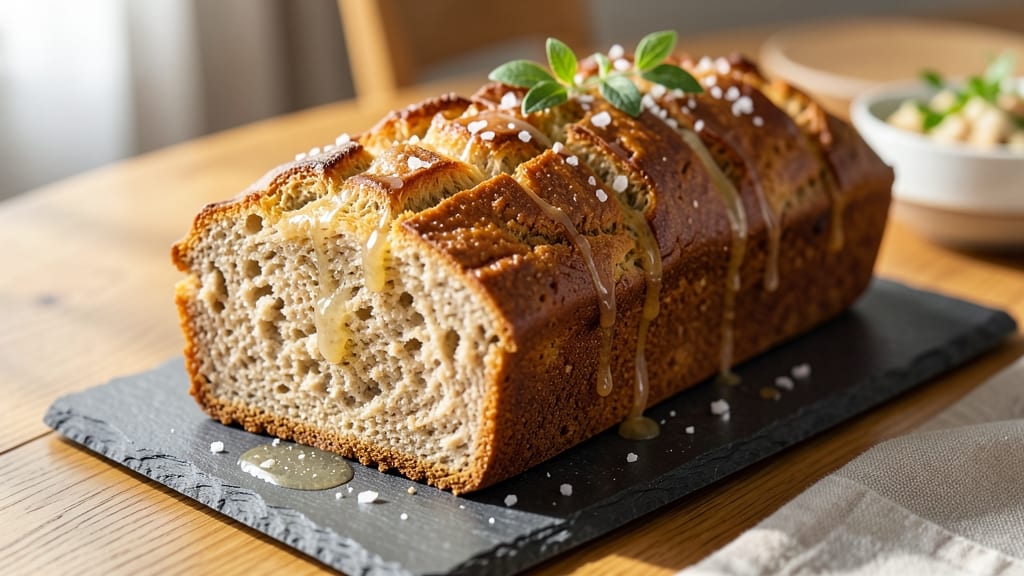
This almond flour bread recipe with xanthan gum delivers the perfect gluten-free loaf—soft, tender, and surprisingly easy to bake at home. ✨ The secret lies in xanthan gum, which mimics gluten's elasticity, creating that coveted pancake-style softness without compromising structure.
I've tested countless variations, and this method consistently yields a bread so good, even gluten-sensitive friends ask for seconds.
The beauty of this recipe is its simplicity: just seven core ingredients, a single rise, and a straightforward baking process. Xanthan gum acts as the glue that holds everything together, while almond flour provides natural sweetness and a delicate crumb.
Unlike dense gluten-free breads, this recipe achieves a light, airy texture that's perfect for toast, sandwiches, or simply enjoying with butter.
What makes this bread truly special is how it balances technique and forgiveness. The dough comes together quickly, requires minimal kneading, and bakes in under an hour at 350°F. The result?
A loaf with a golden crust, tender interior, and just enough nutty flavor from the almond flour to satisfy without overpowering. No special equipment needed—just a standard loaf pan and patience for the proofing stage.
Whether you're baking for dietary needs or simply love the nutty depth of almond flour, this recipe proves gluten-free bread can be both practical and delicious. The xanthan gum ensures rise and structure, while the almond flour keeps every slice moist and flavorful. Let's get baking!
Ingredients for almond flour bread recipe xanthan gum
Seven ingredients transform into a gluten-free loaf with restaurant-quality softness and nutty depth.
| Ingredient | Amount | Notes |
|---|---|---|
| Almond Flour 🌰 | 3 cups | Finely ground, blanched preferred |
| Xanthan Gum 🧪 | ½ tsp | Pure, food-grade quality |
| Granulated Sugar 🍚 | ¼ cup | Organic preferred for purity |
| Unsweetened Applesauce 🍎 | ½ cup | No added sugar, unsweetened |
| Active Dry Yeast 🍞 | 2 ¼ tsp | Freshly opened, room temp |
| Warm Water 💧 | 1 ¼ cups | Not boiling, ~110°F |
| Extra-Virgin Olive Oil 🫒 | ¼ cup | Light, fruity variety |
| Salt 🧂 | 1 ½ tsp | Diamond Crystal preferred |
| Flaxseed Meal 🌾 | 1 tbsp | Ground fresh for binding |
| Vegan Butter 🧈 | 2 tbsp | Melted, full-fat preferred |
Almond flour is the foundation here—Bob's Red Mill or Anthony's Goods brands yield the finest texture, but any finely ground almond flour works. The xanthan gum is non-negotiable; NOW Foods or Wholesome Sweeteners are reliable sources. Look for almond flour with a vibrant color and no grayish tinge, indicating it's been properly blanched. Freshness matters: almond flour oxidizes quickly, so store it in an airtight container in the freezer for up to 6 months. The flaxseed meal should be ground fresh for optimal binding properties—pre-ground loses effectiveness within 2 weeks.
No xanthan gum? Psyllium husk powder at half the amount works as a binder, though texture may differ slightly. Substituting applesauce? Unsweetened pumpkin puree maintains moisture without altering flavor. For the yeast, ensure it's active dry—rapid-rise varieties won't provide the same structure. The olive oil should be light and fruity—avoid robust, peppery varieties that can overpower the delicate almond flavor. If you're sensitive to nutty aftertaste, reduce the almond flour by 0.25 cup and add 0.25 cup oat flour instead.
This dough requires patience during proofing—1.5 to 2 hours at room temperature yields the best rise. Store any leftovers in an airtight container at room temperature for 3 days or freeze for 3 months. For reheating, wrap slices in a damp paper towel and warm in a 350°F oven for 5-7 minutes. The bread freezes beautifully: slice before freezing, then toast directly from frozen for crispy results. Portion the dough into two 8x4-inch loaves for even baking—standard loaf pans work perfectly.
Why You'll Love This Recipe
- No Mixer Needed: I swear by this—just a bowl, a spoon, and 10 minutes of stirring. The xanthan gum does all the heavy lifting, binding the almond flour without gluten fuss. My hands are always free to grab a glass of wine while it rises.
- Sweet Without Overpowering: That touch of sugar and applesauce keeps it tender but not cloying—like a cross between a brioche and a scone. Honestly, my kids ask for seconds, and they’re not usually fans of "healthy" bread.
- Gluten-Free Crowd Pleaser: I’ve made this for dinner parties, potlucks, and even my gluten-sensitive sister’s birthday—no one ever guesses it’s not wheat. The yeast gives it that familiar rise, so it feels like a real loaf, not some sad alternative.
- Lasts All Week: A single batch feeds my family for days—perfect for toast, sandwiches, or French toast. The applesauce keeps it moist longer than dry almond flour bread I’ve tried, and I’m not throwing away crusts here.
Step-by-step instructions for gluten-free almond flour bread
Here's how to craft a tender, gluten-free loaf that rivals traditional bread in texture and flavor.
👨🍳 Step 1: Activate the Yeast and Prepare the Flax Egg
In a small bowl, whisk together the 1.25 cups warm water (around 110°F) with the 2.25 tsp active dry yeast and 0.25 cup granulated sugar. Let this sit for 5-10 minutes until frothy—this confirms the yeast is alive and ready to work. While waiting, mix the 1 tbsp flaxseed meal with 3 tablespoons warm water in a separate bowl and let it thicken for 5 minutes to create a flax egg substitute.
This step is crucial for developing the bread's rise. If the yeast doesn't foam, it's inactive—start fresh with new yeast. The flax egg provides the binding properties normally found in traditional eggs, ensuring your loaf holds together without gluten.
👨🍳 Step 2: Combine Wet Ingredients and Mix
In a large mixing bowl, combine the yeast mixture, 0.5 cup unsweetened applesauce, 0.25 cup extra-virgin olive oil, and the thickened flax egg. Stir in the 1.5 tsp salt and 0.5 tsp xanthan gum. The xanthan gum acts as a binder, mimicking gluten's elasticity in this gluten-free formulation. Mix until all ingredients are fully incorporated and the batter is smooth.
I like to use a silicone spatula for this step—it helps scrape up any stubborn bits from the bowl's edges. The applesauce adds moisture and tenderness, while the olive oil contributes richness. At this stage, the batter should be thick but pourable, similar to pancake batter.
🥘 Step 3: Gradually Incorporate Almond Flour
With the mixer on low speed, gradually add the 3 cups almond flour to the wet mixture. Mix for 2-3 minutes until fully combined and the dough pulls away from the sides of the bowl. The almond flour gives this bread its signature texture and nutty flavor, but it can be dense if not properly hydrated.
Here's the thing—almond flour absorbs moisture differently than wheat flour. If the dough seems too dry, add 1 tablespoon warm water at a time until it reaches a soft, slightly sticky consistency. You want it to hold together when pressed but not be gluey. Overmixing at this stage can develop toughness, so stop as soon as it's uniform.
⏰ Step 4: First Rise and Shape the Loaf
Transfer the dough to a lightly greased 8x4-inch loaf pan (or similar size). Cover the pan with a damp kitchen towel and let the dough rise at room temperature for 1-2 hours, or until it has visibly doubled in size. The rise time depends on your kitchen's temperature—warmer rooms will speed this process.
Gently press down on the dough to check for readiness. It should spring back slowly (not immediately) when touched. If it rises too quickly, it may collapse during baking. Once risen, use a spatula to release the dough from the pan edges, then shape it into a neat rectangle if needed.
🔥 Step 5: Bake to Golden Perfection
Preheat your oven to 350°F and position a rack in the lower third. Brush the risen dough with the 2 tbsp melted vegan butter and sprinkle lightly with additional almond flour if desired. Bake for 45-55 minutes until the top is golden brown and the internal temperature reaches 205°F when measured with an instant-read thermometer.
The bread is done when it sounds hollow when tapped on the bottom and pulls away cleanly from the pan edges. I've found that baking time varies based on pan material—glass takes slightly longer than metal. For extra browning, tent loosely with foil after 30 minutes if the top darkens too quickly. Let the bread cool in the pan for 10 minutes before transferring to a wire rack.
Pro Tips For Making Almond Flour Bread Recipe Xanthan Gum
- Measure Xanthan Gum Precisely: Skip the eyeballing—use a kitchen scale for the xanthan gum. Too much makes your bread dense and gummy; too little won’t bind the almond flour properly. I learned this the hard way when my first batch turned out like a sad, crumbly brick.
- Warm the Applesauce First: Heat the unsweetened applesauce to room temperature before mixing it in. Cold applesauce slows yeast activation, and you’ll end up waiting longer for that dough to rise. Just microwave it for 20 seconds—no need to overthink it.
- Don’t Overmix the Dough: Stir just until the yeast is dissolved and the ingredients are combined. Almond flour bread doesn’t need kneading, and overworking it will make it tough. Think "gentle fold" rather than "beat it like a smoothie."
- Use a Thermometer for Yeast: The water for activating yeast should be 110°F (43°C), not just "warm." Too hot kills the yeast; too cool makes it sluggish. I was skeptical until I tried it—now my bread rises reliably every time.
Creative variations of this dish
Sweet Variations
Add 1 tbsp cinnamon and 2 tbsp maple syrup to the dough for a cinnamon roll-style loaf. Brush the baked bread with a mixture of 2 tbsp melted vegan butter and 1 tbsp cinnamon sugar for an extra-sweet finish.
This version pairs perfectly with a drizzle of vanilla almond milk glaze after baking. 🍯
Savory Herb Twist
Swap the granulated sugar for 1 tbsp dried rosemary and 1 tbsp dried thyme, then add 1 tbsp nutritional yeast for a cheesy, umami depth. Brush the baked loaf with 2 tbsp olive oil mixed with 1 tsp lemon zest for a bright, herby flavor.
This variation works beautifully as a side for soups or roasted vegetables.
Seeded Crunch
Incorporate 2 tbsp chia seeds and 2 tbsp sunflower seeds into the dough for added texture and nutrition. Toast the seeds in a dry pan for 2-3 minutes before mixing them in to enhance their flavor.
The seeds add a delightful crunch that contrasts beautifully with the soft, tender crumb of the bread.
Chocolate-Dipped Luxury
After baking, dip half of the cooled loaf into melted dark chocolate (at least 70% cocoa) and sprinkle with crushed hazelnuts. This decadent version is perfect for dessert or a special breakfast treat. The chocolate pairs wonderfully with the nutty almond flavor, creating a rich, satisfying bite.
Everything Bagel Style
Mix 1 tbsp everything bagel seasoning into the dough before baking for a savory, poppyseed-studded loaf. Brush the baked bread with 2 tbsp vegan butter and sprinkle with 1 tbsp sesame seeds for an extra crunch.
This variation is ideal for breakfast toast or as a hearty side dish for brunch.
Nutrition facts
Frequently asked questions
Why does this recipe use xanthan gum instead of eggs?
Xanthan gum acts as a natural binder and gluten substitute, creating the same elastic structure that eggs provide in traditional bread. It helps the almond flour hold together without adding extra moisture or fat. The 0.5 tsp used here mimics gluten's ability to trap air, giving your loaf that perfect rise and soft texture. Plus, it's vegan-friendly and keeps the bread tender for days!
Can I make this bread without xanthan gum?
Yes, but the texture will be denser. Substitute with 0.5 tsp psyllium husk powder or 1 extra tbsp ground flaxseed for binding. The bread may lack the same airy rise, so expect a slightly heavier crumb. If you're avoiding gums entirely, try adding 1 extra tbsp applesauce for moisture, but results may vary.
How do I know when the bread is fully baked?
Look for three key signs: the internal temperature should reach 205°F (use an instant-read thermometer), the top should be golden brown, and it should sound hollow when tapped on the bottom. If unsure, bake 5 more minutes - almond flour bread can continue cooking after removal. Let it cool 10 minutes in the pan before slicing to prevent crumbling.
Why did my bread turn out dry or crumbly?
This usually happens from overmixing, insufficient hydration, or baking too long. Almond flour absorbs moisture quickly, so if the dough seemed dry during mixing, add 1 tbsp warm water at a time. For crumbly results, ensure your almond flour is fresh (not clumpy) and don't overbake - pull it out when the edges are golden, not dark brown. A quick fix: brush warm slices with melted vegan butter for moisture!
Can I make this bread in a different-shaped pan?
This recipe works in round cake pans, pull-apart loaf pans, or even as a free-form sheet pan bread. For best results, reduce baking time by 5-10 minutes in smaller pans. If using a round pan, brush the sides with vegan butter to prevent sticking. The dough's thickness should be about 1.5 inches for even baking.