
Main Courses
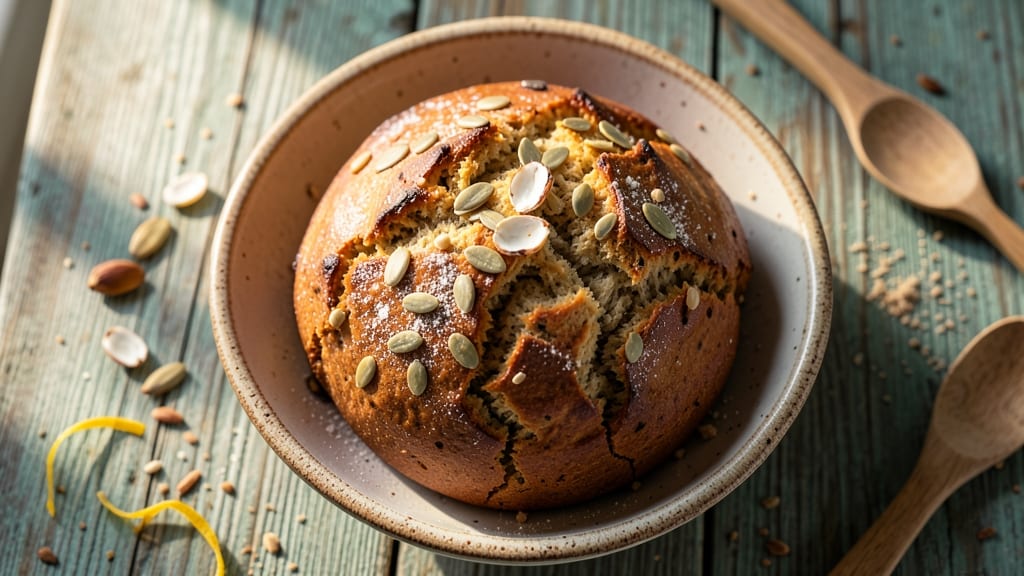
This almond flour bread recipe with psyllium husk delivers the perfect gluten-free loaf—light, airy, and sturdy enough to slice without crumbling. The secret lies in psyllium husk, which mimics gluten’s structure while keeping the bread tender and flavorful.
After years of testing, this version finally achieves that coveted bakery-style rise without compromising texture or taste.
The beauty of this recipe is its simplicity: just six core ingredients, a 30-minute prep, and a 40-minute bake in your home oven. Psyllium husk binds the almond flour while creating a chewy, elastic crumb that holds up to toast, sandwiches, or French toast.
Unlike dense gluten-free loaves, this bread stays moist for days—no dry, crumbly disappointment here.
What makes this recipe stand out is its versatility. Add sunflower seeds for crunch, rosemary for earthy depth, or a touch of cinnamon for warmth. The crust develops a subtle golden hue with a satisfying snap, while the interior remains soft and slightly sweet from the almond flour.
Perfect for breakfast, brunch, or as a base for your favorite sandwiches.
For those new to gluten-free baking, this recipe is a game-changer—no special equipment needed, just patience during the proofing stage. The psyllium husk does the heavy lifting, ensuring your loaf rises tall and holds its shape.
Store wrapped at room temperature for up to 5 days or freeze for longer shelf life. Let’s bake this bread!
Ingredients for almond flour bread recipe with psyllium husk
Six simple ingredients transform into a gluten-free loaf that rivals bakery bread.
| Ingredient | Amount | Notes |
|---|---|---|
| Almond Flour 🌰 | 3 ½ cups | Finely ground, blanched preferred |
| Psyllium Husk Powder 💊 | ¼ cup | Pure, unsweetened psyllium husk |
| White Vinegar 🍶 | 1 tbsp | Distilled white vinegar |
| Granulated Sugar 🍚 | ⅛ cup | Organic preferred for flavor |
| Water 💧 | 1 ¼ cups | Room temperature preferred |
| Sunflower Seeds 🌻 | ¼ cup | Toasted for enhanced flavor |
| Salt 🧂 | ½ tsp | Fine sea salt preferred |
| Baking Powder 🍞 | 1 ½ tsp | Aluminum-free preferred |
| Olive Oil 🫒 | ⅛ cup | Extra-virgin for richness |
The almond flour is non-negotiable here—Bob's Red Mill or Anthony's Goods brands deliver the finest texture. Psyllium husk is the magic ingredient; Now Foods or bulk bins at Whole Foods offer pure, unsweetened versions. Look for finely ground almond flour in the baking aisle—coarse flour won't bind properly. The sunflower seeds add crunch while boosting protein, and toasting them first (5 minutes at 350°F) deepens their flavor. For the psyllium husk, measure carefully—too much creates a gummy texture, too little means poor rise.
No almond flour? Sunflower seed flour works in a pinch, though texture will differ. Vinegar can be swapped for apple cider vinegar at the same amount. Sunflower seeds unavailable? Pumpkin seeds or chopped walnuts provide similar crunch. The baking powder must be fresh—test by mixing with water; if it fizzes, it's good. Olive oil can be replaced with avocado oil for a neutral flavor. For extra moisture, add 1 tbsp unsweetened applesauce to the water measurement. Always measure ingredients by weight for consistency, though cups work for this recipe.
Mix the dry ingredients first, then add wet—this prevents psyllium husk from clumping. Let the dough rest 10 minutes before shaping; this critical step ensures proper binding. The bread keeps best wrapped in a beeswax wrap or airtight container for up to 5 days at room temperature. For longer storage, freeze slices individually—thaw at room temperature for 10 minutes before toasting. The crust stays crisp for 24 hours if stored properly, while the interior remains soft when toasted. Slice with a serrated knife for clean cuts.
Why You'll Love This Recipe
- No-Fuss Mixing: I swear by the psyllium husk—it’s the secret to bread that actually holds together without fuss. Just toss in the almond flour, vinegar, and water, stir once, and let it sit. No kneading, no waiting for dough to rise, no stress.
- Nutty Sweet Crunch: That toasted almond flavor? It’s like eating a fancy dessert but in bread form. The sugar caramelizes just enough to give it a subtle sweetness, while the psyllium keeps it light—no heavy, dense texture here.
- Meal Prep MVP: Slice it, freeze it, toast it later. This bread stays fresh for days (yes, even without preservatives) and reheats in seconds. I keep a loaf in the freezer for lazy mornings—just pop a slice in the toaster while I pour my coffee.
- Budget-Friendly Luxury: Almond flour can feel pricey, but a little goes a long way, and psyllium stretches it into a whole loaf. Plus, the vinegar and sugar are pantry staples. It’s fancy enough for guests but cheap enough to make weekly—no guilt, just great bread.
Step-by-step instructions for almond flour bread with psyllium husk
Here's the method for a gluten-free loaf with impressive rise and structure.
Mix Wet Ingredients for Proper Hydration
In a large mixing bowl, combine the 1.25 cups water with the 0.125 cup granulated sugar and 1 tbsp white vinegar. Whisk until the sugar fully dissolves—this creates a smooth base for the psyllium husk to activate properly. The vinegar helps tenderize the almond flour while adding subtle tang.
Next, stir in the 0.125 cup olive oil and mix until fully incorporated. The oil adds richness and helps create a tender crumb. Let this mixture sit for 5 minutes while you prepare the dry ingredients—this resting period ensures the psyllium husk absorbs the liquid evenly for maximum rise potential.
Combine Dry Ingredients for Even Distribution
In a separate bowl, sift together the 3.5 cups almond flour, 0.25 cup psyllium husk powder, 1.5 tsp baking powder, and 0.5 tsp salt. I use a fine-mesh sieve to eliminate any lumps in the almond flour—this prevents dense pockets in the finished bread. The psyllium husk is particularly important here; it's what gives this gluten-free loaf its signature structure and rise.
Add the toasted 0.25 cup sunflower seeds to the dry mixture and stir gently. The seeds add crunch and nutritional value while helping to stabilize the bread's texture. Keep these ingredients separate from the wet mixture until you're ready to combine them—this prevents premature activation of the psyllium husk.
Gradually Combine Wet and Dry for Optimal Texture
With the mixer on low speed, gradually pour the wet ingredient mixture into the dry ingredients. Mix just until combined—about 2-3 minutes—being careful not to overmix. The dough will be thick and sticky, similar to cookie dough, but should hold its shape when pressed. This is normal; the psyllium husk creates a gummy texture before baking.
Here's the thing—psyllium husk needs to hydrate fully for proper rise. After mixing, let the batter rest for 10 minutes at room temperature. This allows the psyllium to absorb moisture and begin its gelling process, which is what gives this bread its impressive structure. Don't skip this step; it's what makes the difference between a dense loaf and one with good rise.
Prepare the Loaf Pan for Perfect Shape
Preheat your oven to 350°F and lightly grease an 8×4-inch loaf pan with olive oil or line it with parchment paper. The pan should be about 75% full when you pour in the batter—this ensures even baking and proper rise. Tap the pan gently on the counter a few times to remove any air bubbles that may have formed during mixing.
Pour the batter into the prepared pan and smooth the top with a spatula. The surface should be even, though it won't be perfectly flat. Gently press down on the batter to eliminate any large air pockets—this helps prevent cracks during baking. Place the pan on the middle rack of your oven for even heat distribution.
Bake Until Golden and Internal Temp Reaches 200°F
Bake for 50-55 minutes until the top is golden brown and a toothpick inserted in the center comes out clean. The bread will rise significantly during baking—this is the psyllium husk working its magic. You'll notice the edges start pulling away from the pan about 30 minutes in, which is a good sign.
I check doneness by both visual cues and internal temperature. The bread is done when it reaches 200°F internally and has a hollow sound when tapped on the bottom. Remove from the oven and let it cool in the pan for 10 minutes before transferring to a wire rack. This cooling period is crucial—it allows the bread to set properly and prevents it from becoming gummy.
Pro Tips For Making Almond Flour Bread Recipe With Psyllium Husk
- Mix Psyllium Last: The psyllium husk powder is your bread’s glue—add it to the wet ingredients after the vinegar and sugar dissolve. Stirring it in too early makes the batter gummy before it’s ready to bind. I learned this the hard way when my first loaf turned into a sad, dense brick.
- Sift the Almond Flour: Packed almond flour = dense bread. Lightly sift it before measuring, then fluff with a fork to break up clumps. Yes, it’s extra effort, but it mimics the airiness of regular flour and keeps your loaf from feeling like a hockey puck.
- Don’t Overmix the Batter: Once the psyllium hits the water, the batter thickens fast—stop mixing the second it looks like thick pancake batter. Overworking it triggers gluten (almond flour has none, but psyllium can still get gummy) and ruins the crumb. Set the mixer to low and walk away.
- Bake Until Internal Temp Hits 205°F: The psyllium keeps this bread moist, but it’s easy to underbake. Check doneness with an instant-read thermometer—205°F guarantees it’s fully set inside. If you skip this, your slice will feel gummy instead of tender. (I know, I know—thermometers are annoying, but trust me.)
Serving suggestions for almond flour bread recipe with psyllium husk
Breakfast Starters
This bread is a game-changer for breakfast—slice it thick and toast it with avocado mash and a sprinkle of flaky sea salt. The almond flour adds natural sweetness that pairs perfectly with chopped cilantro and a drizzle of hot sauce.
For a heartier option, spread with almond butter and top with sliced banana and chia seeds for extra crunch. 🌰
Sandwich Base
Use this bread as a sturdy foundation for gluten-free sandwiches. The psyllium husk gives it enough structure to hold fillings like turkey slices, avocado, and hummus without falling apart.
For a vegan option, layer with roasted red peppers, spinach, and vegan mayo. Toast the bread lightly before assembling to enhance flavor and texture.
French Toast Twist
Cut the bread into ½-inch slices and use it for French toast—dip in a mix of 2 eggs, ¼ cup almond milk, 1 tsp vanilla extract, and 1 tbsp cinnamon.
Cook on medium heat until golden brown, then top with maple syrup and fresh berries. The almond flour adds a nutty depth that complements the sweetness perfectly.
Dessert Applications
For a dessert twist, brush warm slices with melted butter and sprinkle with cinnamon sugar or cocoa powder. Serve with vanilla ice cream or whipped coconut cream for a decadent treat.
The bread’s subtle sweetness makes it an excellent base for mini dessert loaves baked with chocolate chips or dried fruit mixed into the batter.
Garnishing Tips
Elevate your bread with simple garnishes like toasted sesame seeds or crushed pistachios for extra flavor. A light dusting of powdered sugar adds a delicate sweetness, while fresh herbs like thyme or rosemary bring an earthy note.
For a savory touch, sprinkle with everything bagel seasoning or smoked paprika before serving.
Pairing with Drinks
This bread pairs beautifully with iced coffee or matcha latte for breakfast, while sparkling water with lemon complements it at brunch. For dessert servings, a glass of chilled white wine like Sauvignon Blanc or a light beer like wheat ale balances the richness.
The almond flavor also works well with herbal teas like chamomile or peppermint.
Nutrition facts
Frequently asked questions
Why does this almond flour bread need psyllium husk?
Psyllium husk acts as a natural gluten substitute, creating the elastic structure that makes this bread rise properly and hold its shape. Without it, almond flour bread tends to be dense and crumbly. The husk absorbs moisture and forms a gel-like network during baking, giving the loaf its signature chewy texture and bakery-style crumb.
Can I make this bread without an oven?
This recipe is designed for conventional oven baking, but you could attempt a stovetop method using a heavy skillet. Line the skillet with parchment paper, cover with a lid, and cook on medium-low heat for 30-40 minutes, checking frequently. However, the texture and rise won't be as good as oven-baked results. For best quality, stick with the oven method.
How do I store leftovers to keep them fresh?
Wrap cooled bread tightly in beeswax wrap or an airtight container and store at room temperature for up to 5 days. For longer storage, freeze slices individually—thaw at room temperature for 10 minutes before serving. The crust stays crisp for 24 hours when properly stored, while the interior remains soft when toasted.
What if my bread turns out gummy?
Gummy texture usually means the psyllium husk absorbed too much moisture or the bread didn't bake long enough. Next time, bake 5 minutes longer and ensure your oven is properly calibrated. Also verify you used 0.25 cup psyllium husk powder (not whole husks) and measured by weight for accuracy. A quick fix is to toast slices lightly to firm up the texture.
Can I add other flours to this recipe?
Yes! For a nuttier flavor, replace up to 1 cup of almond flour with sunflower seed flour or hazelnut flour. For a lighter texture, substitute ½ cup with tapioca starch. Just remember that psyllium husk is essential for proper structure—don't reduce it below 0.2 cup. The bread may have slightly different flavor and texture but will still hold together well.