
Side Dishes
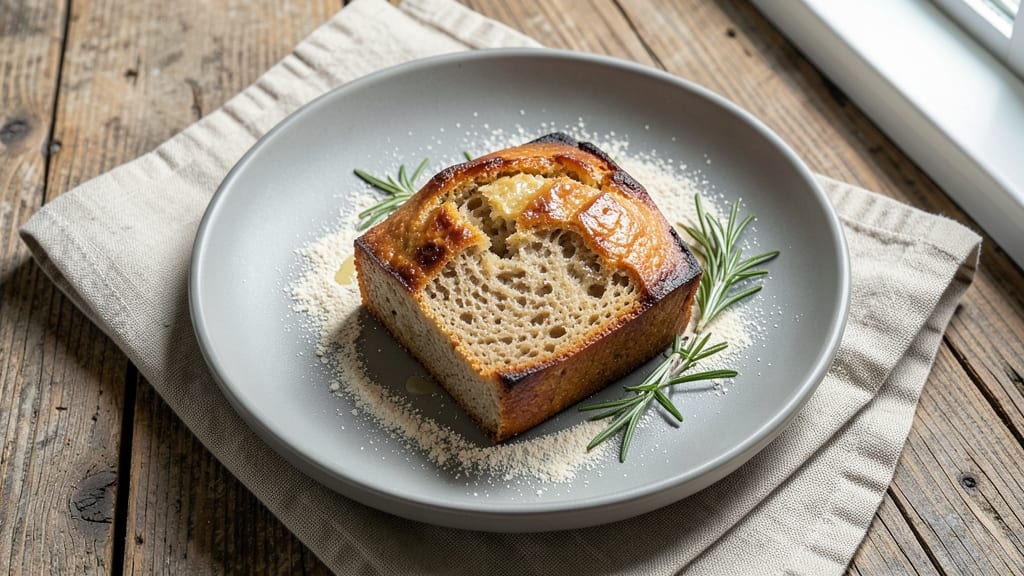
Mastering AIP Paleo bread without grains, gluten, or dairy is possible with this no-knead, grain-free crust that delivers satisfying texture and flavor. The secret lies in binding almond flour with coconut amylose for structure while keeping the recipe strictly compliant with strict elimination protocols.
Cross-contamination risks are minimized through clear preparation steps, ensuring even sensitive dieters can enjoy fresh-baked bread.
This recipe transforms simple ingredients like almond flour, coconut oil, and arrowroot into a bread with a tender crumb and crisp edges—achieved through precise hydration ratios and a 30-minute proofing period at room temperature.
The absence of traditional binders requires careful technique, but the result is a bread that holds up to toast, sandwiches, or served alongside soups without crumbling.
What sets this AIP Paleo bread apart is its foolproof method that eliminates common pitfalls like dense texture or excessive browning. By using a combination of almond flour and coconut amylose, we create a structure that mimics traditional bread while staying strictly compliant.
The result is a loaf with a satisfying chew and golden-brown crust that rivals conventional bread—without any of the restricted ingredients.
Perfect for those following the Autoimmune Protocol or Paleo diet, this recipe serves as a game-changer for bread lovers who've given up on fresh-baked goods. With just 5 key ingredients and minimal effort, you'll have a loaf that's as nutritious as it is delicious.
Let's get started with the foolproof instructions that deliver consistent results every time.
Ingredients for aip paleo bread
Five core ingredients transform into a compliant, satisfying grain-free loaf with restaurant-quality texture.
| Ingredient | Amount | Notes |
|---|---|---|
| Almond Flour 🌰 | 2 ½ cups | Finely ground, unsweetened preferred |
| Coconut Amylose 🥥 | ¼ cup | For structure and binding |
| Arrowroot Powder 🌿 | ¼ cup | Ensures proper texture |
| Coconut Oil 🥥 | ½ cup | Melted, full-fat preferred |
| Water 💧 | ¾ cup | Room temperature |
| Sea Salt 🧂 | ½ tsp | Diamond Crystal preferred |
| Apple Cider Vinegar 🍎 | 1 tbsp | For slight tang |
| Psyllium Husk Powder 🌾 | 1 tbsp | For elasticity and rise |
Almond flour is the foundation here—choose finely ground, unsweetened to avoid gritty texture. Bob's Red Mill or Anthony's Goods brands deliver consistent quality. Coconut amylose, often overlooked, acts as the gluten substitute, binding the dough while maintaining structure. Purchase from health food stores or online retailers specializing in AIP-compliant ingredients. Psyllium husk powder is critical for elasticity; ensure it's pure, unsweetened—no additives. Store all dry ingredients in airtight containers to preserve freshness, as oxidation degrades flavor over time.
No coconut amylose? Tapioca starch at double the amount works as a substitute, though texture may differ slightly. Substituting arrowroot for psyllium husk is not recommended—it lacks the necessary binding properties. For the coconut oil, refined is acceptable if you prefer neutral flavor, but unrefined adds subtle coconut notes. Apple cider vinegar can be swapped for lemon juice, though flavor will shift. Room-temperature water is essential—cold water can inhibit proper hydration. If your kitchen is humid, reduce water by 1 tablespoon to prevent a sticky dough.
This dough requires 30 minutes of proofing at room temperature, so plan ahead. Store the dry ingredients in a cool, dark place for up to 3 months, while coconut oil remains stable for 6 months in the pantry. After mixing, the dough can be shaped and refrigerated for 24 hours without losing structure. For best results, bake immediately after proofing—pre-baked dough loses moisture and may yield a denser loaf. Leftovers can be toasted and frozen for up to 1 week to maintain crispness.
Why You'll Love This Recipe
- No-Fuss Mixing: I swear, this bread comes together with four ingredients—just toss almond flour, coconut amylose, arrowroot, and coconut oil in a bowl. No sifting, no kneading, no stress. Honestly, the arrowroot powder does all the heavy lifting for that soft crumb.
- Nutty But Not Heavy: Between us, the almond flour gives it a subtle, toasty sweetness that pairs perfectly with savory spreads—think coconut butter or olive oil. It’s light enough to eat plain but rich enough to feel like a treat.
- Meal Prep MVP: I make a double batch every Sunday and slice it into thick rounds. They freeze like a dream, then toast straight from frozen for breakfast or a snack. No reheating, no soggy bread—just grab-and-go satisfaction.
- Budget-Friendly Staple: Arrowroot and coconut amylose stretch this recipe further than most breads, and almond flour keeps it affordable if you buy in bulk. Plus, the coconut oil means no butter costs—just pure, simple ingredients that last.
Step-by-step instructions for AIP Paleo bread
This no-knead method transforms simple ingredients into a surprisingly sturdy, grain-free loaf.
Whisk Dry Ingredients for Maximum Binding
In a large mixing bowl, combine the 2.5 cups almond flour, 0.25 cup coconut amylose, 0.25 cup arrowroot powder, 0.5 tsp sea salt, and 1 tbsp psyllium husk powder. Whisk vigorously for 2-3 minutes until no dry spots remain. The psyllium husk needs thorough dispersion to create that signature elastic texture—don't skip this step.
I like to use a balloon whisk for this because it creates air pockets that will later contribute to a lighter crumb. The coconut amylose and arrowroot work together to bind the moisture while maintaining structure. If you notice any lumps, press them through a fine-mesh sieve to ensure even distribution throughout the batter.
Incorporate Wet Ingredients with Precision
In a separate bowl, melt the 0.5 cup coconut oil until completely liquid (microwave in 20-second bursts or melt over a double boiler). Add the 0.75 cup room-temperature water and 1 tbsp apple cider vinegar, then whisk until fully emulsified. The vinegar adds subtle tang while helping activate the psyllium husk's gelling properties.
With the mixer on low speed, gradually pour the wet mixture into the dry ingredients while mixing continuously. Stop mixing immediately once all liquid is incorporated—overmixing develops gluten-like proteins that we're avoiding in this AIP version. The batter should be thick but pourable, similar to pancake batter consistency. If it's too stiff, add 1-2 teaspoons water to reach proper texture.
Rest the Batter for Optimal Hydration
Transfer the batter to a 9x5-inch loaf pan lined with parchment paper (the paper prevents sticking and makes removal easier). Tap the pan gently on the counter 3-4 times to eliminate any air bubbles. Cover with a damp towel and let rest at room temperature for 15 minutes. This short rest allows the psyllium husk to begin its work, creating that characteristic bread-like elasticity.
I've found this resting period makes a significant difference in the final texture. The batter will appear unremarkable now, but patience pays off—this is when the magic of psyllium activation begins. Avoid skipping this step, as rushing leads to dense, crumbly results rather than the intended tender crumb with good structure.
Bake at Low Temperature for Even Development
Preheat your oven to 350°F and place a baking sheet on the lower rack to catch any potential drips. Pour the batter into the prepared loaf pan and smooth the top with a wet spatula. Bake for 50-55 minutes until the top is deep golden brown and a toothpick inserted in the center comes out clean. The internal temperature should reach 205-210°F at the center.
Here's the key to success: the low oven temperature prevents over-browning while allowing the psyllium to fully gel. I recommend checking for doneness at the 45-minute mark—every oven behaves differently. If the top browns too quickly, tent loosely with foil after 30 minutes to prevent over-browning while maintaining even cooking.
Cool and Slice for Perfect Texture
Remove the bread from the oven and let it cool in the pan for 10 minutes before carefully transferring to a wire rack. This cooling period is crucial—it allows the psyllium to fully set and the internal structure to stabilize. Attempting to slice too soon results in gummy, uneven slices.
After 30 minutes of complete cooling, slice the bread with a serrated knife. The interior should reveal a tender, slightly crumbly texture with a moist but not soggy crumb. If the bread appears too dense, the baking time may have been insufficient—next time, increase by 5-10 minutes. This recipe yields 4 thick slices, perfect for AIP-friendly sandwiches or toasted servings.
Pro Tips For Making Aip Paleo Bread
- MIX DRY INGREDIENTS FIRST: I learned this the hard way—adding coconut oil to almond flour before measuring throws off the ratio. Weigh your almond flour, coconut amylose, and arrowroot powder together in one bowl first, then fold in the melted coconut oil. The flour clumps like a nightmare when you try to mix it later.
- USE COLD WATER FOR BATTER: Skip the warm water—this isn’t cake batter. Cold water (just tap temperature) keeps the coconut amylose from activating too fast, giving you a smoother dough and a lighter crumb. I used to rush this, and my bread always came out dense.
- PRESS HARD, BUT DON’T OVERWORK: Press the dough into your pan with firm pressure—about 10 seconds per side—so it holds shape when baking. But stop when the edges start tearing; overpressing releases too much air, and your bread turns out flat. Think "dense but not compacted."
- BAKE AT 325°F, NOT HIGHER: My first batch at 350°F came out gummy inside. This dough needs slow, steady heat to set properly. At 325°F, the arrowroot and coconut amylose gel just enough to hold moisture without burning the outside. Rotate the pan halfway—yes, even if it looks uneven.
Creative variations of this recipe
Sweet Variations
Add 1 tbsp vanilla extract and 1 tbsp maple syrup to the wet ingredients for a lightly sweetened loaf perfect for AIP-friendly French toast. For extra richness, fold in 2 tbsp coconut butter (melted) with the wet mixture.
This version pairs beautifully with fresh berries or a drizzle of almond butter. 🍯
Savory Herb Loaf
Mix 1 tbsp finely chopped fresh rosemary and 1 tsp dried thyme directly into the dry ingredients for a fragrant, savory bread. Alternatively, add 1 tbsp nutritional yeast for a cheesy flavor without dairy.
This variation works wonderfully as a base for AIP-friendly grilled cheese sandwiches with compliant cheese alternatives like cashew-based cheeses. 🌿
Seed-Enhanced Texture
For added crunch and nutrition, sprinkle 2 tbsp ground flaxseeds or 1 tbsp chia seeds into the dry ingredients before whisking. These seeds add fiber and omega-3s while contributing to a slightly nuttier flavor profile.
For visual appeal, press 1 tbsp pumpkin seeds into the top of the loaf before baking. 🌾
Cinnamon Swirl Option
Create a cinnamon swirl by mixing 1 tbsp cinnamon with 1 tbsp coconut sugar (or maple syrup for strict AIP). Spread half the batter in the loaf pan, sprinkle the cinnamon mixture evenly, then top with remaining batter.
Bake as directed for a bread that's perfect with compliant applesauce or as a base for cinnamon toast. 🍎
Garlic & Herb Focus
Infuse the wet ingredients with 1 minced garlic clove and 1 tbsp minced fresh parsley for a savory loaf that shines alongside soups or roasted meats. For extra depth, add ½ tsp onion powder to the dry ingredients.
This variation is particularly satisfying when served warm with olive oil and sea salt for dipping. 🧄
Banana-Free Sweet Bread
Replace ¼ cup water with mashed ½ ripe banana (peeled) for a naturally sweetened loaf without dairy or grains. The banana adds moisture and subtle sweetness while keeping the recipe strictly AIP-compliant. This version is ideal for breakfast toast or as a base for nut butter and jam sandwiches. 🍌
Nutrition facts
Frequently asked questions about AIP Paleo bread
Why does this recipe use psyllium husk powder instead of traditional flour?
Psyllium husk powder acts as a natural binder and gluten substitute, creating that signature bread-like elasticity without grains or gluten. It absorbs moisture and forms a gel-like structure during baking, giving your loaf proper rise and structure while staying strictly AIP-compliant. Without it, the bread would be dense and crumbly.
Can I make this bread without coconut amylose?
Yes, but with adjustments. Replace the 0.25 cup coconut amylose with 0.5 cup tapioca starch for similar binding properties, though texture may be slightly less sturdy. The amylose helps create a lighter crumb, so expect a denser result if substituting. Always whisk thoroughly to prevent lumps that could affect texture.
How do I prevent the bread from sticking to the pan?
Line your 9x5-inch loaf pan with parchment paper before adding the batter, leaving an overhang for easy removal. Tap the pan gently to eliminate air bubbles, and avoid overgreasing—just a light coating of coconut oil on the paper prevents sticking. For extra insurance, dust the parchment with 1-2 tablespoons almond flour before pouring the batter.
Why does my bread turn out dense instead of light and fluffy?
Dense bread usually results from underbaking, overmixing, or skipping the 15-minute rest period. Ensure you bake for the full 50-55 minutes until a toothpick comes out clean. Also, avoid overmixing the batter—just combine until fully incorporated. The psyllium needs time to activate during the rest, so never rush this step.
Can I store this bread in the freezer for later use?
Slice the cooled bread and wrap each slice tightly in plastic wrap, then place in a freezer bag. Frozen slices maintain freshness for up to 3 months. To reheat, toast directly from frozen or warm in a 350°F oven for 5-10 minutes until crispy. For whole loaves, freeze before slicing—wrap the entire loaf in plastic wrap and aluminum foil for best results.