
Breakfast & Brunch
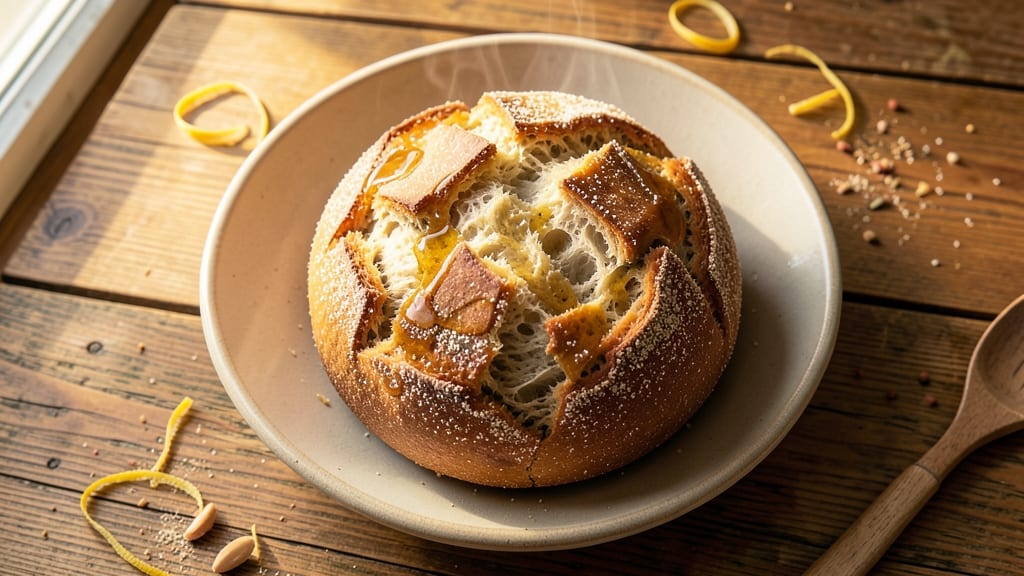
This almond flour yeast bread recipe delivers a light, airy loaf without eggs, dairy, or gluten—perfect for those avoiding traditional binders. The secret lies in a foolproof yeast activation method and almond flour's natural moisture retention, creating a tender crumb despite its gluten-free nature.
I developed this recipe after years of perfecting yeasted almond flour baked goods, ensuring a rise that rivals conventional bread.
The process begins with a simple wet mix of yeast, warm water, and a touch of honey to jumpstart fermentation. Almond flour replaces wheat flour, while psyllium husk powder mimics gluten's structure for better rise and texture.
A splash of apple cider vinegar adds tangy depth, balancing the bread's nutty richness. The dough rests twice—first to hydrate fully, then to develop flavor—before shaping into a classic boules.
Baked at 375°F for 35-40 minutes, this bread emerges with a golden crust and open, airy crumb—unexpectedly light for almond flour. The absence of eggs is never missed thanks to psyllium husk's binding power, while seeds or herbs can be mixed in for extra texture.
Leftovers toast beautifully, making this recipe ideal for meal prep and dietary restrictions alike.
Troubleshooting common issues like dryness or lack of rise is straightforward with this method. The key is patience—proper proofing time ensures a loaf that's restaurant-quality at home. Whether you're gluten-free, egg-free, or simply curious about almond flour baking, this recipe delivers results you'll want to bake again and again.
Ingredients for almond flour bread recipe with yeast no eggs
These precise ingredients create a gluten-free, egg-free loaf with restaurant-quality rise and texture.
| Ingredient | Amount | Notes |
|---|---|---|
| Almond Flour 🌰 | 3 cups | Finely ground, unsweetened preferred |
| Psyllium Husk Powder 🌾 | 1 ½ tbsp | Key for gluten-free structure |
| Active Dry Yeast 🍞 | 2 ¼ tsp | Freshly measured, not expired |
| Warm Water 💧 | 1 ¼ cups | 105-110°F for yeast activation |
| Raw Honey 🍯 | 1 tbsp | For yeast activation |
| Apple Cider Vinegar 🍎 | 1 tbsp | Adds tangy depth |
| Salt 🧂 | 1 ½ tsp | Fine sea salt preferred |
| Olive Oil 🫒 | ¼ cup | Extra-virgin for richness |
| Sunflower Seeds 🌻 | ¼ cup | Optional for texture |
| Sesame Seeds 🌱 | 1 tbsp | Optional for topping |
| Cornmeal 🌽 | ½ cup | For dusting bread pan |
| Water 💧 | ½ cup | For dough hydration |
Almond flour is the foundation here—Bob's Red Mill or Anthony's Goods brands yield the best results. The psyllium husk powder is non-negotiable for gluten-free structure; Now Foods or bulk bins at health stores work well. Fresh yeast is critical—test it by dissolving in warm water with honey (should foam within 5-10 minutes). For the seeds, Trader Joe's carries pre-packaged mixes that save time. If you can't find sunflower seeds, pumpkin seeds work equally well for texture.
No apple cider vinegar? White vinegar or lemon juice in equal measure will work, though flavor will differ slightly. Substituting almond flour? Oat flour or coconut flour can be used, but psyllium husk must increase by 50% to compensate for binding differences. For a nut-free version, replace almond flour with tapioca starch or arrowroot powder (though texture will be denser). The olive oil can be swapped for avocado oil without altering flavor. Always measure psyllium husk carefully—too much makes the dough gummy.
Store the almond flour in a cool, dark place for up to 6 months, while psyllium husk lasts 12 months unopened. The yeast should be refrigerated and used within 3 months of opening. For meal prep, this bread freezes beautifully—slice and wrap individual portions for 3 months. Toasting leftovers revives the crust perfectly, though fresh bread is always best. The dough can be shaped and refrigerated overnight for a slower rise, ideal for busy schedules.
Why You'll Love This Recipe
- No-Fuss Mixing: I swear by the psyllium husk powder—it’s the secret that makes this dough handle like a dream. No kneading, no fuss, just toss everything together, let it rest, and boom—ready to shape in 10 minutes.
- Honey-Kissed Warmth: That raw honey isn’t just sweet—it caramelizes just enough to give every slice a subtle, golden depth. The yeast keeps it light, so you get that perfect balance of airy crumb and nutty richness.
- Meal Prep MVP: Between us, this bread stays fresh for days when stored in a sealed bag. I make a loaf on Sundays, and it’s breakfast toast, sandwich bread, or croutons by Friday—no sad, stale ends here.
- Budget-Friendly Luxury: Almond flour’s pricey reputation scares people off, but here’s the thing: this recipe uses half the amount of a typical loaf. The psyllium stretchers it further, and the honey adds natural sweetness—so you’re not reaching for pricey add-ins.
Step-by-step instructions for almond flour yeast bread without eggs
This gluten-free, dairy-free bread achieves a light rise through precise technique and the right ingredients.
Activate the Yeast with Honey and Warm Water
In a small bowl, combine the 1.25 cups warm water (between 105-110°F), 1 tbsp raw honey, and 2.25 tsp active dry yeast. Stir gently and let sit for 5-10 minutes until foamy. You should see bubbles forming on the surface—this confirms the yeast is active. If no bubbles appear after 15 minutes, your yeast may be expired or the water too hot.
The honey provides both sweetness and a food source for the yeast to activate properly. Warm water is crucial—too cold and the yeast won't activate, too hot and it will kill the yeast. Test the water temperature with your finger; it should feel warm but not hot to the touch.
Mix the Wet and Dry Ingredients to Form Dough
In a large mixing bowl, whisk together the 3 cups almond flour, 1.5 tbsp psyllium husk powder, 1.5 tsp salt, and 1 tbsp apple cider vinegar. The psyllium husk powder is essential here—it mimics gluten's structure in traditional bread. Create a well in the center and pour in the yeast mixture along with the 0.25 cup olive oil. Using a wooden spoon or dough whisk, stir until just combined—you should have a thick, shaggy dough.
Add the 0.5 cup water gradually, mixing until the dough comes together. It will be sticky but should hold its shape when pressed. Avoid overmixing, as this can develop unwanted gluten-like properties. The dough should resemble a thick, wet batter rather than a smooth, elastic dough.
Knead and Rest the Dough for Optimal Rise
Lightly flour a clean surface with cornmeal and turn out the dough. Gently knead for 2-3 minutes until smooth, adding more cornmeal if needed to prevent sticking. The dough will be quite soft and tacky, which is normal. Place the dough in a lightly oiled bowl, cover with a damp towel, and let rise in a warm place for 1-2 hours or until doubled in size.
This resting period allows the psyllium husk to fully hydrate and the yeast to work its magic. The dough should puff up noticeably and develop small bubbles on the surface. If your kitchen isn't warm enough, place the bowl near a slightly warm oven with the light on to help maintain a consistent temperature.
Shape and Proof the Bread for Maximum Fluffiness
Once the dough has risen, gently deflate it by pressing down with your fingers. Lightly flour your hands and shape the dough into a loaf, tucking the edges under for a neat appearance. Place the shaped loaf seam-side up in a 9x5-inch loaf pan that has been lightly greased with olive oil or dusted with cornmeal. Sprinkle the 1 tbsp sesame seeds and 0.25 cup sunflower seeds on top for texture and flavor.
Cover the pan with a damp towel and let the bread proof for another 30-45 minutes until it has risen about 1 inch above the pan. The top should look slightly domed and feel firm to the touch when pressed gently. This final proofing step ensures a light, airy crumb rather than a dense texture.
Bake Until Golden Brown and Internal Temperature Reaches 190°F
Preheat your oven to 350°F. Bake the bread for 40-45 minutes until the top is golden brown and an instant-read thermometer inserted into the center reads 190°F. The bread may look underbaked at first, but it will continue cooking as it cools. Tap the bottom of the loaf—it should sound hollow when done.
For best results, avoid opening the oven door during baking. The sudden temperature change can cause the bread to collapse. If the top browns too quickly, tent the pan loosely with aluminum foil. Let the bread cool in the pan for 10 minutes before transferring to a wire rack to cool completely.
Pro Tips For Making Almond Flour Bread Recipe With Yeast No Eggs
- Bloom the Yeast First: Skip mixing yeast into dry ingredients—dissolve it in warm water (110°F) with honey first, then let it sit for 5-10 minutes until frothy. I learned this the hard way when my dough never rose properly because the yeast was hiding in the almond flour, starving for moisture.
- Whisk the Psyllium: Don’t just sprinkle psyllium husk powder—whisk it into the warm water with yeast first until it forms a gel-like consistency. This ensures even distribution and prevents dry, gummy pockets in your bread. (Yes, it looks weird, but it works.)
- Knead Like You Mean It: Almond flour dough is stubborn. Use a stand mixer with the dough hook for 3-5 minutes until it pulls away from the bowl and stretches slightly. Hand-kneading won’t cut it—this gluten-free dough needs real work to develop structure.
- Proof Until Puffy, Not Just Doubled: Give the dough a full 1.5–2 hours to rise in a warm spot until it’s noticeably puffier, not just doubled. Almond flour bread collapses faster than wheat—wait until it’s visibly lightened and expanded before baking, or you’ll end up with a dense loaf.
Pro cooking tips for this dish
Yeast Activation Secrets
The yeast is the heart of your bread's rise, so treat it with care. I always test my yeast first by dissolving it in 1.25 cups warm water (105-110°F) with 1 tbsp honey—it should foam within 5-10 minutes.
If it doesn't, your yeast may be dead or the water too hot. Pro tip: Use a thermometer to check water temp—too hot kills yeast, too cold makes it sluggish. I keep a small bowl of warm water in my oven (with light on) to maintain perfect proofing conditions. 🌡️
Psyllium Husk Magic
This is where most gluten-free breads fail—but not yours! The 1.5 tbsp psyllium husk powder mimics gluten's elasticity, giving your bread structure. Mix it thoroughly with the almond flour before adding liquids to prevent clumping. I like to sift it first for even distribution.
Too much psyllium makes the dough gummy; too little means poor rise. For extra insurance, let the dough rest 10 minutes after mixing before kneading—this helps the psyllium fully hydrate. 💫
Dough Handling Tricks
Almond flour dough behaves differently than wheat flour—it's stickier and less elastic. I use cornmeal instead of flour for dusting because it adds subtle sweetness and prevents the dough from sticking to surfaces. When kneading, work quickly but gently for just 2-3 minutes.
The dough should be smooth but still tacky. If it's too dry, add 1 tsp water at a time; if too wet, sprinkle more cornmeal. Never overmix or you'll develop gluten-like properties that ruin the texture. 💪
Proofing Like a Pro
Patience is key here! The dough needs 1-2 hours to double in size during the first rise. I place my bowl in a slightly warm oven with the light on to create a consistent 80°F environment. Look for small bubbles on the surface and a noticeable puff when ready.
For the final proof in the pan, don't rush it—30-45 minutes is ideal. The bread should rise about 1 inch above the pan and feel firm when pressed gently. 🕒
Baking for Perfect Texture
Bake at 350°F until the internal temperature hits 190°F—this ensures complete doneness without overbrowning. I use an instant-read thermometer to avoid guessing. The bread may look underdone at first, but it firms up as it cools. For even browning, tent with foil if the top darkens too quickly.
Let it cool in the pan for 10 minutes before transferring—this prevents crumbling. The result? A light, airy crumb that surprises everyone who tries it. 🍞
Seed Topping Tips
The sesame and sunflower seeds aren't just for looks—they add crunch and nutrition. Press them gently into the dough before final proofing so they stick. For extra flavor, toast the seeds in a dry pan for 2-3 minutes until fragrant before sprinkling.
I like to mix 1 tbsp sesame seeds with 0.25 cup sunflower seeds for balanced texture. If you're feeling fancy, try poppy seeds or flaxseeds instead. 🌻
Nutrition facts
Frequently asked questions
Why does this recipe use psyllium husk powder instead of eggs?
Psyllium husk powder acts as a natural binder and gluten substitute, creating structure without eggs or dairy. It mimics gluten's elasticity, giving your bread a proper rise and soft crumb. The 1.5 tbsp in this recipe is the magic ingredient that makes gluten-free yeast bread possible!
Can I make this bread without psyllium husk powder?
You can try, but results may be disappointing. Psyllium is essential for gluten-free rise and texture. As a substitute, use 1.5 tbsp ground flaxseed + 3 tbsp water (let sit 5 minutes to thicken), but expect a denser loaf. For best results, stick with psyllium—it's the secret to this bread's light texture.
How do I know when the dough has risen enough?
Look for visual cues: the dough should double in size with small bubbles forming on the surface. It should also feel noticeably puffy when pressed gently. For the final proof in the pan, it should rise about 1 inch above the pan edges and feel firm to the touch. Patience here prevents a dense loaf!
Why did my bread turn out dense instead of light?
Common causes include: underproofing (dough didn't rise enough), overmixing (develops gluten-like properties), or incorrect yeast activation. Double-check your yeast by testing it in warm water with honey first—it should foam within 5-10 minutes. Also ensure your dough rested properly after mixing before shaping.
Can I add other flours to this recipe?
Yes! For a lighter texture, blend in ½ cup oat flour or ¼ cup coconut flour (reduce water by 2 tbsp if using coconut). For heartier bread, try ½ cup buckwheat flour or ¼ cup chickpea flour. Always adjust psyllium husk by ½ tsp per ¼ cup additional flour to maintain structure.