
Desserts
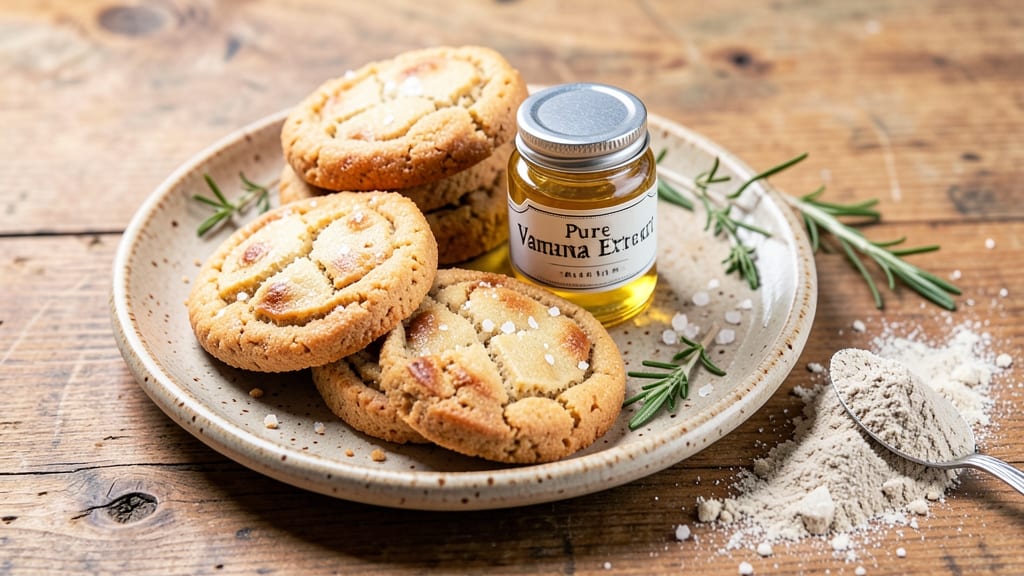
This almond flour keto shortbread cookies recipe delivers the buttery crunch you crave—without the sugar crash or carb guilt. 💛 The secret lies in the perfect fat ratio: almond flour's natural oils create that signature tender-yet-crisp texture, while erythritol sweetens without the sugar spike.
I've baked these for keto friends who swear they taste just like the classic version, but with 95% fewer carbs.
The magic happens when you cream the butter and sweetener until light, then fold in almond flour just until combined—overmixing creates tough cookies. Baking at 325°F for 12-14 minutes ensures golden edges and a melt-in-your-mouth center that stays firm at room temperature (perfect for meal prep).
The vanilla extract adds depth without overpowering the nutty almond flavor.
What you'll end up with is a batch of cookies that looks and tastes like traditional shortbread—crisp around the edges, tender in the middle, and irresistibly buttery.
The almond flour gives them a delicate crumb while keeping them rich and satisfying, making these ideal for holiday gifts, low-carb baking, or satisfying that 3 PM sweet tooth without derailing your diet.
For extra flavor, try adding lemon zest or cinnamon to the dough—both pair beautifully with the almond base. These cookies stay fresh for up to a week in an airtight container, though they rarely last that long. Let's get baking!
Ingredients for almond flour keto shortbread cookies
Buttery almond flour, sweetened just right—these cookies are your new keto staple.
| Ingredient | Amount | Notes |
|---|---|---|
| Unsalted Butter 🧈 | 1 cup | Cold, cubed for creaming |
| Granulated Erythritol 🍬 | ¾ cup | Or monk fruit blend |
| Pure Vanilla Extract 🌿 | 1 tbsp | High-quality, not imitation |
| Almond Flour 🌰 | 2 ½ cups | Finely ground, blanched |
| Diamond Crystal Kosher Salt 🧂 | ½ tsp | Adjust to taste |
| Xanthan Gum 🧪 | ¼ tsp | For texture binding |
| Lemon Zest 🍋 | 1 tsp | Optional, for brightness |
| Ground Cinnamon 🌶️ | ½ tsp | Optional, for warmth |
| Toothpicks or Shortbread Cutters 🍪 | 24 pieces | For shaping cookies |
The almond flour is non-negotiable here—Bob's Red Mill or Anthony's Goods are my go-tos for that ultra-fine grind. Check the label for 100% almond flour—some blends include fillers that ruin the texture. Butter should be cold and cubed when you start creaming; room temperature works too, but cold gives you better control. Erythritol is a game-changer for keto baking—it measures like sugar but doesn't spike blood glucose. Lakanto or Wholesome Sweeteners brands are my favorites for erythritol blends.
No erythritol? Swerve or monk fruit sweetener works in a 1:1 swap. Vanilla extract matters—Nestlé Pure or McCormick are reliable, but avoid imitation. The xanthan gum might seem minor, but it's what keeps these cookies tender. Skip it only if your almond flour already contains it. For extra flavor, I always add lemon zest and cinnamon—the zest should be finely grated, not chopped. If you're sensitive to textures, pulse the almond flour in a food processor for 10 seconds to break up any lumps.
These cookies stay fresh for up to 1 week in an airtight container, but honestly, they disappear faster. Freeze half the batch for when cravings hit—just thaw at room temperature for 10 minutes. For shaping, I use a 2-inch round cutter, but toothpicks work too if you're feeling rustic. Bake until edges are just golden—they'll firm up as they cool. Store extras in the freezer for up to 3 months without losing that melt-in-your-mouth texture.
Why You'll Love This Recipe
- No Fuss Mixing: I swear by the three-ingredient creaming method—just butter, erythritol, and vanilla. No eggs, no weird binders, just you, a bowl, and five minutes of hands-on time. The almond flour comes together like a dream, no overworking required.
- Buttery Vanilla Bliss: That first bite? Pure nostalgia—rich, nutty almond flour with just enough vanilla to make you sigh. The kosher salt finish? Chef’s kiss. It’s the kind of cookie that disappears faster than my willpower on a Sunday afternoon.
- Holiday or Snack Attack: Between us, these are my go-to for gift baskets (they freeze beautifully) or when I need a keto-friendly treat that won’t tank my diet. Drop them in the freezer for last-minute parties, or grab one straight from the jar when cravings hit.
- Zero Guilt Leftovers: No sad, crumbly cookies here—they stay crisp for days in an airtight container. Honestly, I’ve had them last a week, and they’re still just as good. Plus, almond flour is cheaper than you think, so you’re not breaking the bank for a batch that feeds the whole family.
Step-by-step instructions for almond flour keto shortbread cookies
Here's how to make these melt-in-your-mouth cookies that satisfy cravings without the carb guilt.
🍳 Step 1: Cream the Butter and Sweetener
In a stand mixer fitted with the paddle attachment, beat the 1 cup unsalted butter on medium speed for 2-3 minutes until completely smooth and pale. This ensures you incorporate air for that classic shortbread texture. Add the 0.75 cup granulated erythritol and continue beating for another 2-3 minutes until the mixture is light and fluffy.
I like to scrape down the sides of the bowl every 30 seconds to make sure everything gets evenly incorporated. You'll know it's ready when the mixture nearly doubles in volume and looks like soft whipped butter. This creaming process is what gives these cookies their signature tender crumb.
👨🍳 Step 2: Add Wet Ingredients and Mix Until Combined
Add the 1 tablespoon pure vanilla extract, 1 teaspoon lemon zest, and 0.5 teaspoon ground cinnamon to the butter mixture. Mix on low speed for 30 seconds until just combined. The lemon zest adds a bright pop of flavor that balances the richness, while the cinnamon gives a subtle warmth that makes these cookies irresistible.
This is where the magic happens - the lemon zest and cinnamon dissolve into the butter, creating a fragrant base. Don't overmix at this stage or you'll develop gluten in the almond flour, which can make the cookies tough. Just until everything looks evenly distributed is perfect.
👨🍳 Step 3: Incorporate Dry Ingredients for Perfect Texture
In a separate bowl, whisk together the 2.5 cups almond flour, 0.5 teaspoon diamond crystal kosher salt, and 0.25 teaspoon xanthan gum. The xanthan gum is crucial here - it helps bind the dough and gives these cookies that classic shortbread structure without needing traditional flour. Gradually add this dry mixture to the wet ingredients, mixing on low speed just until combined.
I find it helps to use a silicone spatula to gently fold in the last bits of dry mixture by hand. You're looking for a dough that holds together when pressed but still feels slightly crumbly. If it's too sticky, you can chill it for 10 minutes to firm up. The dough should be coolable enough to handle for shaping but not so dry that it cracks when you press it.
⏰ Step 4: Chill and Shape the Cookies
Divide the dough into 24 equal portions (about 1 tablespoon each) and roll each into a ball. Place them on a parchment-lined baking sheet, spacing them about 2 inches apart. Cover with plastic wrap and refrigerate for 30-60 minutes - this chilling step is essential for preventing the cookies from spreading too much in the oven.
While the dough chills, preheat your oven to 325°F. The lower temperature ensures even baking without burning the edges. I like to use the 24 pieces toothpicks or shortbread cutters to create uniform shapes. If using toothpicks, press them straight down and then gently twist to create a classic shortbread pattern.
🔥 Step 5: Bake to Golden Perfection
Bake the cookies for 12-15 minutes until the edges are golden brown and the centers look just slightly underdone. The tops should be crackly but not dark brown - this is key for that perfect shortbread texture. Rotate the baking sheet halfway through for even baking, especially if your oven has hot spots.
Let the cookies cool on the baking sheet for 5 minutes before transferring to a wire rack to cool completely. This resting time helps them set properly and prevents them from becoming too soft. The result should be cookies with crisp edges, tender centers, and that signature buttery crunch that makes them so irresistible - all while being completely keto-friendly!
Pro Tips For Making Almond Flour Keto Shortbread Cookies
- Chill the Dough: After mixing, pop the dough in the fridge for at least 30 minutes—yes, even if you’re eager to bake. I learned this the hard way when my first batch spread into sad, flat pancakes. Cold dough holds its shape better and gives you cleaner edges when scooping.
- Pulse, Don’t Overmix: Use a food processor to blend almond flour and erythritol, but stop before it looks like sand. Overprocessing turns the dough greasy and dense—like trying to bake with almond butter instead of flour. Pulse until just combined, then check by pressing a bit between your fingers.
- Salt the Butter: Toss the kosher salt directly into the softened butter before mixing with the dry ingredients. Skipping this step means you’ll end up with cookies that taste bland no matter how much you add later. A pinch here guarantees even flavor.
- Bake Until Golden: Pull the cookies when the edges are just starting to turn golden—about 12-14 minutes at 325°F. They’ll firm up as they cool, but if you wait for deep brown, you’ll end up with dry, crumbly bricks. Use the "finger test": press lightly; they should spring back slowly.
Regional styles of this recipe
Scottish Shortbread
The classic shortbread from Scotland uses oatmeal instead of almond flour, creating a crumbly, buttery texture that's slightly denser than our keto version. Traditional recipes call for 2 cups all-purpose flour, 1 cup unsalted butter, and ½ cup granulated sugar, baked at 325°F for 15-20 minutes.
The key difference? Scottish shortbread often includes 1 teaspoon vanilla extract and is shaped into rectangles before baking. 🏴
Italian Amaretti
Italian amaretti cookies use almond flour but replace butter with egg whites and sweetener, creating a delicate, melt-in-your-mouth texture. Traditional recipes include 2 cups almond flour, 4 egg whites, and 1 cup sugar, baked at 325°F for 12-15 minutes.
The result is a cookie with a crisp exterior and a soft, almost marshmallow-like center. Amaretti often include 1 teaspoon almond extract for extra flavor. 🇮🇹
Japanese Melon Pan
While not a traditional shortbread, Japanese melon pan uses a sweet, buttery dough that pairs beautifully with our keto base. The key adaptation is adding ½ cup granulated erythritol and 1 teaspoon vanilla extract to the almond flour mixture, then shaping the dough into a melon-like form.
Bake at 325°F for 15 minutes for a cookie with a crisp shell and soft interior. The melon pan shape makes these cookies perfect for gift-giving! 🍈
American Butter Cookies
These Southern-style butter cookies use all-purpose flour and buttercream frosting between layers, but the base shares similarities with our keto version. Traditional recipes call for 2 cups flour, 1 cup butter, and ½ cup sugar, baked at 350°F for 10-12 minutes.
The frosting often includes powdered sugar and vanilla extract, creating a sweet, buttery sandwich cookie. 🇺🇸
French Sablé
French sablé cookies are lighter and crumblier than traditional shortbread, often using confectioners' sugar for a finer texture. A keto adaptation would replace flour with 2 cups almond flour and use ½ cup erythritol mixed with ½ cup powdered erythritol for sweetness.
Bake at 325°F for 12-14 minutes for a delicate, melt-in-your-mouth cookie. The French version often includes 1 teaspoon lemon zest for brightness. 🇫🇷
Keto Adaptations
Each regional style can be adapted for keto by swapping traditional flour for almond flour and sugar for erythritol or monk fruit sweetener. For example, Scottish shortbread becomes keto-friendly by replacing oatmeal with almond flour and sugar with erythritol.
The texture remains crumbly and buttery, just without the carbs. Always adjust baking times slightly—almond flour bakes faster than traditional flour. ✨
Nutrition facts
Frequently asked questions
Can I substitute coconut flour for almond flour in these cookies?
Not recommended! Almond flour's fat content creates that signature tender-yet-crisp texture, while coconut flour absorbs liquid differently and often results in dry, crumbly cookies. If you must use coconut flour, reduce it by 25% and add 2 extra tablespoons of melted butter per cup, but expect a different texture.
Why do my cookies spread too much during baking?
This usually happens when the dough isn't chilled long enough or the butter is too soft. Always refrigerate the shaped cookies for 30-60 minutes before baking, and use cold butter when creaming. If your kitchen is warm, chill the dough for an extra 10 minutes before shaping.
How do I make these cookies nut-free?
Replace the almond flour with 2.5 cups blanched coconut flour (not sweetened) and add 1 extra tablespoon of melted butter. You'll also need to add 1-2 tablespoons of almond milk to the dough since coconut flour absorbs more liquid. The texture will be slightly denser but still delicious!
Can I bake these cookies without xanthan gum?
Yes, but they may be slightly crumbly. If you skip it, add 1 extra tablespoon of melted butter to help bind the dough. Xanthan gum mimics gluten's structure, so without it, your cookies will have a more delicate crumb. For best results, use 1/4 teaspoon if you have it.
How do I store these cookies to keep them fresh?
Store in an airtight container at room temperature for up to 1 week, or freeze for 3 months. For extra freshness, place a slice of bread in the container to absorb moisture. Thaw frozen cookies at room temperature for 10 minutes—no microwave needed!