
Side Dishes
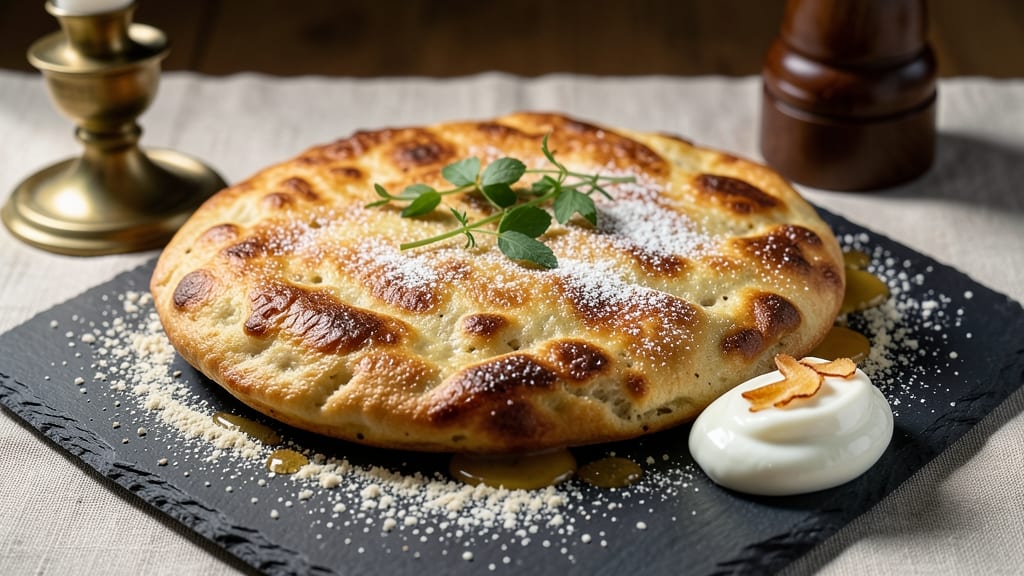
This AIP naan bread recipe redefines what’s possible for those following the Autoimmune Protocol—fluffy, fragrant, and completely compliant with no dairy, eggs, or traditional yeast. 🔥 The secret lies in almond flour and arrowroot starch, which create that signature softness while keeping the bread light and airy.
What makes this version work is the careful balance of coconut yogurt for tang and a touch of apple cider vinegar for lift, ensuring every bite delivers restaurant-quality texture without compromising dietary needs.
What sets this recipe apart is its ability to mimic the classic naan experience using only AIP-friendly ingredients. No yeast means no waiting for long rises, and no dairy ensures the bread remains digestible while still achieving that melt-in-your-mouth quality.
The key technique is steaming the naan briefly after baking, which locks in moisture and enhances the fluffy texture—just like traditional naan, but without the restrictions.
By the time you’re done, you’ll have golden-brown naan with a crisp exterior and a soft, pillowy interior—perfect for serving with curries, soups, or even as a side to grilled meats.
The aroma alone will have everyone at the table asking for seconds, all while staying true to the AIP guidelines. This recipe proves that dietary limitations don’t have to mean sacrificing flavor or texture.
The best part? This naan keeps well for 2-3 days in an airtight container, making it ideal for meal prep or entertaining. Whether you're hosting a dinner or simply craving comfort food, this version delivers the same satisfaction as traditional naan—just with a clean, compliant twist. Let’s get started!
Ingredients for aip naan bread
AIP-friendly staples transform into golden, pillowy naan without dairy, eggs, or yeast.
| Ingredient | Amount | Notes |
|---|---|---|
| Almond Flour 🌰 | 2 cups | Blanched, finely ground |
| Arrowroot Starch 🌾 | ½ cup | For binding and texture |
| Coconut Yogurt 🥥 | ½ cup | Unsweetened, full-fat preferred |
| Apple Cider Vinegar 🍏 | 1 tbsp | For lift and tang |
| Coconut Oil 🥥 | ½ cup | Melted, for richness |
| Coconut Milk 🥥 | ¼ cup | Full-fat canned, for creaminess |
| Garlic Powder 🧄 | 1 tsp | Freshly ground preferred |
| Sea Salt 🧂 | 1 tsp | Fine grain preferred |
| Ground Cinnamon 🌿 | ¼ tsp | For warmth |
| Turmeric Powder 🌶️ | ¼ tsp | For color and anti-inflammatory benefits |
| Water 💧 | ½ cup | Room temperature |
| Ghee-Free Coconut Oil 🫒 | 2 tbsp | For brushing after baking |
Almond flour is the backbone here—Bob’s Red Mill or Anthony’s Goods brands are my go-to for consistent texture. Arrowroot starch is non-negotiable; it mimics gluten’s binding properties perfectly. For coconut yogurt, Forager Project or Nancy’s are the most reliable AIP-compliant options, but any unsweetened version works. The apple cider vinegar adds that signature tang—Bragg’s is my pick for quality, but any organic brand suffices. Turmeric isn’t just for color; it’s an anti-inflammatory powerhouse that complements the AIP diet beautifully.
No almond flour? Sunflower seed flour works in a pinch, though texture will differ slightly. Skip the coconut yogurt? Unsweetened cashew yogurt is a decent swap, but expect less tang. Running low on coconut oil? Avocado oil maintains the neutral flavor profile. For the spices, Penzeys bulk bins offer the freshest options, but any organic ground spices will do. The garlic powder should be freshly ground if possible—pre-ground loses potency fast. If you’re making a big batch, double-check your arrowroot starch; some brands vary in thickness, which affects the dough’s consistency.
Pre-mixed ingredients keep for 2 weeks in an airtight container in the fridge, but the dough itself should be used within 48 hours for best texture. For storage, wrap cooled naan in a clean kitchen towel and place in a sealed container—this prevents drying. Reheat in a skillet over medium heat for 1-2 minutes per side to restore that fresh-baked aroma. Frozen naan reheats beautifully too; just thaw at room temperature before warming. The brushed coconut oil adds extra richness, so don’t skip this step—it’s what makes your naan feel restaurant-worthy.
Why You'll Love This Recipe
- No-Measurement Guesswork: I swear by this dough—just mix until it holds, not until it’s perfect. No food scale? No problem. The almond flour and arrowroot starch team up to give you that signature naan pliability without the fuss. (Yes, even when my hands are covered in curry.)
- Tangy-Creamy Magic: That apple cider vinegar in the coconut yogurt starter? It’s the secret weapon. The vinegar brightens the coconut’s richness, while the yogurt keeps it tender—like a buttery, slightly tangy hug in every bite. Honestly, I reach for this over store-bought naan every time.
- Freezer-Friendly Staple: Make a double batch, freeze the extras in a ziplock, and boom—you’ve got a 5-minute lunch or dinner fix. Toss them straight into the oven with a curry or chili, and they crisp up like they’re fresh. My college kid calls me every time he’s craving “real” bread.
- Pocketbook-Pleasing Luxury: Almond flour might sound fancy, but it stretches further than wheat flour here. A little goes a long way, and the coconut oil keeps costs down while delivering that melt-in-your-mouth texture. Between us? This is the kind of “treat” I can justify daily.
Step-by-step instructions for AIP naan bread
This method delivers perfectly fluffy, aromatic naan without dairy or eggs—every detail matters.
👨🍳 Step 1: Mix Wet Ingredients for Perfect Texture
In a medium bowl, combine the 0.5 cup coconut yogurt and 1 tbsp apple cider vinegar. Stir until fully blended—the vinegar will create a slight tang that mimics traditional yogurt's acidity. In a separate small saucepan, gently warm the 0.5 cup coconut oil and 0.25 cup coconut milk over low heat for 2 minutes until just melted. Remove from heat and let cool slightly.
Add the warm coconut mixture to the yogurt-vinegar blend, then whisk in the 0.5 cup water. The liquid should be smooth with no lumps. Here's the thing—this step creates the foundation for fluffy layers, so don't rush the mixing. The coconut oil needs to fully incorporate for that signature naan tenderness.
👨🍳 Step 2: Combine Dry Ingredients and Form the Dough
In a large mixing bowl, whisk together the 2 cups almond flour, 0.5 cup arrowroot starch, 1 tsp garlic powder, 1 tsp sea salt, 0.25 tsp ground cinnamon, and 0.25 tsp turmeric powder. The turmeric adds that beautiful golden color while keeping the bread AIP-compliant. Make a well in the center and pour in the wet ingredients.
Using a silicone spatula, gently fold the dry ingredients into the wet until just combined—you should still see some dry spots. Overmixing develops gluten, which we want to avoid. The dough will be thick and sticky, almost like a thick batter. Here's where it gets fun: let the dough rest for 10 minutes at room temperature. This allows the arrowroot starch to fully hydrate and creates that perfect naan texture.
🔥 Step 3: Shape and Cook the Naan
Preheat your oven to 400°F and line a baking sheet with parchment paper. Using lightly oiled hands (I use the 2 tbsp ghee-free coconut oil for this), divide the dough into 4 equal portions (about ¼ cup each). Roll each portion into a 6-inch circle about ¼-inch thick—don't worry if they're not perfect, naan is forgiving.
Brush each rolled naan with a thin layer of the remaining ghee-free coconut oil—this creates that golden, crispy exterior. Place the naan on the prepared baking sheet and bake for 12-15 minutes until the edges are golden brown and the centers feel slightly springy when pressed. Real talk: your oven might run hot, so start checking at the 10-minute mark. The naan should puff up slightly but not burn.
⏰ Step 4: Rest and Serve for Maximum Fluffiness
Remove the naan from the oven and let them rest on the baking sheet for 5 minutes. This resting period allows the steam inside to redistribute, ensuring each bite is perfectly fluffy. Here's the critical part: serve immediately while still warm. The texture changes dramatically as they cool—warm naan has that signature soft, pillowy quality that disappears when cold.
For extra flavor, brush the tops with a little more ghee-free coconut oil before serving. Each piece should be soft in the center with a slightly crispy exterior and that beautiful golden color from the turmeric. If you're serving with curries, tear them gently—they should hold together but still be easy to pull apart. The aroma alone will make your kitchen smell like a traditional Indian bakery!
Pro Tips For Making Aip Naan Bread
- STIR THE YOGURT LONG: Whip that coconut yogurt until it’s thick and glossy—at least 3-4 minutes with a hand mixer. I learned this the hard way: under-whipped yogurt makes dough that’s sticky and won’t puff right. (Yes, even if you’re impatient like me.)
- WEIGH YOUR ALMOND FLOUR: Scooping almond flour leads to inconsistent batches. Use a kitchen scale—this dough is delicate, and too much or too little changes the texture. I skip measuring cups now; 120g is the magic number for a tender, not dense, naan.
- PRESS THE DUGHS FLAT: Roll each ball into a thin circle—about ⅛-inch thick—before cooking. Thicker spots won’t crisp properly, and you’ll end up with chewy patches instead of that perfect char. Use a rolling pin, not your palms; pressure matters.
- LET THE OIL SMOKE: Heat your coconut oil until it’s shimmering but not burning—just before it starts to smoke. Too cool, and the naan steams instead of browning; too hot, and it burns before the center cooks. A second too long on the skillet ruins everything.
Regional styles of this aip naan bread
Indian Street Style
Traditional naan from street vendors in India is cooked over a tandoor (clay oven) at 900°F+, giving it a charred exterior and ultra-soft interior. For home cooks, replicate this by baking naan on a cast-iron skillet over high heat for 30-45 seconds per side after pre-baking in the oven.
The high heat creates a smoky flavor that's hard to match in conventional ovens. I like to sprinkle 1 tsp smoked paprika on the dough before rolling for an extra smoky kick—just make sure it's AIP-compliant (check for no additives).
Pakistani Garlic Naan
Pakistani households often infuse naan with fresh garlic and ginger, but since AIP restricts fresh garlic, we use garlic powder. Instead of mixing it into the dough, brush the rolled naan with a paste of 1 tbsp garlic powder + 1 tbsp coconut oil.
Bake as directed, then finish with a quick sear in a hot skillet to caramelize the garlic flavor. For extra authenticity, add 1 tsp ground coriander. This version pairs perfectly with spicy Pakistani curries like chana masala.
Lebanese Manakeesh Twist
Lebanese manakeesh is a flatbread with olive oil and za'atar, but we'll give it an AIP-friendly makeover. Replace the za'atar with 1 tsp ground cumin. Brush the rolled naan with 1 tbsp olive oil.
After baking, drizzle with 1 tsp melted coconut oil + a pinch of sea salt. This version works beautifully as a side for Middle Eastern dishes like shawarma. The olive oil adds a fruity depth that complements the warm spices.
For extra flair, sprinkle with toasted sesame seeds.
Modern Fusion Naan
For a contemporary twist, try a matcha-infused naan. Replace 0.25 tsp turmeric. with 0.5 tsp ceremonial-grade matcha powder. This adds a subtle earthy sweetness that pairs wonderfully with miso-glazed salmon.
For a breakfast version, add 1 tbsp chia seeds. to the dough and top with sliced banana + coconut whipped cream. The matcha gives this naan a vibrant green hue while keeping it AIP-compliant. It's a crowd-pleaser for brunch or dessert!
Spiced Pumpkin Naan
Fall flavors shine in this seasonal variation. Add ½ cup cooked pumpkin puree. (canned works) to the wet ingredients and boost the spices with 0.5 tsp ground cinnamon + 0.25 tsp nutmeg. The pumpkin adds natural sweetness that balances the savory spices.
This version is perfect for serving with turkey chili. or as a side for roasted squash dishes. The texture remains light and airy despite the added pumpkin—just be sure to use arrowroot starch to maintain structure.
Nutrition facts
Frequently asked questions
Can I make this AIP naan without arrowroot starch?
Arrowroot starch is essential for binding and achieving that signature naan texture. If you're out, tapioca starch works in a pinch—use the same amount—but the texture may be slightly denser. Never substitute with cornstarch, as it lacks the binding properties needed for this recipe. The starch mimics gluten's elasticity, so skipping it will result in crumbly bread.
Why does my AIP naan turn out dense instead of fluffy?
Overmixing the dough or skipping the 10-minute rest are the most common culprits. The dough should be thick and sticky, not smooth like pancake batter. Also, ensure your oven is fully preheated to 400°F—underheating causes uneven baking. For extra fluffiness, try steaming the naan for 30 seconds after baking by placing a damp towel over them in the oven.
How do I store leftover AIP naan?
Wrap cooled naan in a clean kitchen towel and place in an airtight container to prevent drying. They'll stay fresh for 2-3 days at room temperature. For longer storage, freeze naan between parchment paper for up to 1 month. Reheat in a skillet over medium heat for 1-2 minutes per side until warm and crispy again.
Can I add fresh herbs to this AIP naan?
AIP restricts fresh herbs like cilantro and parsley, but you can use dried oregano or thyme (AIP-compliant) in the dough. For a fresh flavor without breaking compliance, try brushing baked naan with a mix of 1 tbsp coconut oil + 1 tsp dried herb after baking. The heat will release the aromatic oils for a fragrant finish.
Is this naan safe for AIP beginners?
This recipe avoids all AIP triggers: no dairy, eggs, gluten, nightshades, or legumes. The almond flour and coconut oil are gentle on digestion, and the spices used (turmeric, cinnamon, garlic powder) are AIP-approved. Always double-check your ingredient brands for hidden additives—some coconut yogurts contain thickeners that may not be compliant.