
Side Dishes
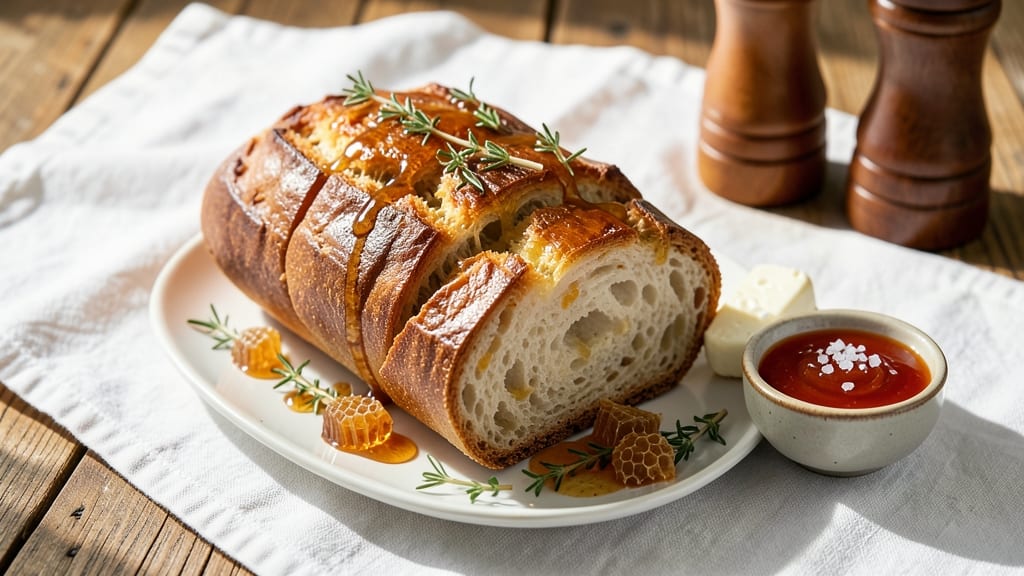
This honey-infused bread transforms ordinary loaves into golden, caramelized masterpieces with a soft, moist interior—perfect for sandwiches, toast, or serving alongside soups. 💛 The secret lies in adding honey to the bread recipe, which creates a crispy crust while keeping the crumb tender.
I developed this recipe after years of experimenting with artisan breads, and the difference is night and day compared to traditional recipes.
The beauty of this method is its versatility—whether you're baking a classic white loaf, hearty whole wheat, or a sweet cinnamon-raisin variation, honey adds depth and a subtle caramelized richness that elevates every bite.
The key is adding honey to the dough at the right stage, ensuring even distribution without overpowering the bread's natural flavor. For best results, use raw honey for its natural enzymes and floral notes.
What you’ll end up with is a loaf that’s crisp on the outside, soft and slightly sticky inside, and infused with a delicate sweetness that pairs beautifully with butter, jam, or even savory toppings like cheese and herbs.
The caramelized crust adds a satisfying crunch, while the interior remains moist and inviting. This bread is ideal for breakfast, lunch, or as a centerpiece for any meal.
Ready in about 2 hours (including rising time), this recipe is beginner-friendly yet impressive enough for special occasions. The honey not only enhances flavor but also improves shelf life, keeping your bread fresh longer. Let’s get started—your taste buds will thank you.
Ingredients for adding honey to bread
Four cups flour, a splash of honey, and a touch of magic—this is your honey-infused bread essentials.
| Ingredient | Amount | Notes |
|---|---|---|
| All-Purpose Flour 🌾 | 4 cups | Sifted for even texture |
| Raw Honey 🍯 | ½ cup | Local or wildflower preferred |
| Active Dry Yeast 🍞 | 2 ¼ tsp | Or 1 packet (2.25 tsp) |
| Warm Water 💧 | 1 ¼ cups | 110°F (43°C) to activate yeast |
| Granulated Sugar 🍚 | 1 tbsp | Feeds yeast for faster rise |
| Unsalted Butter 🧈 | ½ cup | Cold, cubed for texture |
| Salt 🧂 | 1 tsp | Kosher or sea salt |
| Milk 🥛 | ¼ cup | Warmed for tender crumb |
| Large Egg 🥚 | 1 whole | Room temperature for binding |
| Cornmeal 🌽 | ¼ cup | For dusting bread pan |
| Coarse Sugar 🍚 | 2 tbsp | For caramelized crust |
The honey is non-negotiable here—it’s what creates that golden caramelized crust while keeping the interior soft. Local raw honey from a farmers market adds the most flavor, but any good-quality honey will work. For the yeast, King Arthur or Bob’s Red Mill are my go-tos—they’re reliable and activate quickly. If your honey is thick, warm it slightly to make mixing easier. The butter should be cold so it creates pockets of richness in the bread without making it greasy. I always use Land O’Lakes or Organic Valley for consistent results.
No raw honey? Light corn syrup or agave nectar works in a pinch, though the flavor won’t be as complex. Running short on butter? Coconut oil or extra olive oil will work, but the texture might be slightly denser. For a quicker rise, use instant yeast instead of active dry—just reduce the amount by half. The coarse sugar on top is optional but worth it for that extra crunch and caramelization. If you’re in a hurry, skip the egg—your bread will still rise, but it might not be quite as tender.
This dough is sticky, so don’t stress if it looks messy. Grease your hands with a little oil if it’s too clingy. The bread keeps best at room temperature for 2-3 days wrapped in a clean towel, but it’s delicious even after a few days. For longer storage, freeze the whole loaf—just thaw it at room temperature before slicing. Reheat slices in a toaster or oven for that fresh-baked crunch. Leftovers? Toast them for breakfast or use them to make French toast the next morning—trust me, it’s amazing.
Why You'll Love This Recipe
- Honey in 10 Minutes: I swear, this bread comes together faster than you can boil water. Just mix the warm water, yeast, and a spoonful of that golden honey—let it bubble for five minutes, then fold in the flour. No kneading, no waiting around.
- Sweet Without Sugar: Between us, the honey does all the work here. That rich, liquid sweetness replaces refined sugar while keeping the bread soft and pillowy. I’ve made this for picky eaters, and even my sugar-averse husband grabs seconds.
- Breakfast to Snack Fix: Honestly, this bread is my lazy morning hero—slathered with butter or jam straight from the toaster. But it’s also the star of picnic baskets (packs perfectly) or a quick lunch when toasted with peanut butter. One dough, endless uses.
- Budget-Friendly Staple: Five ingredients, zero waste. The honey adds depth, but you’re not overpaying for specialty flours or fancy yeast. A single batch feeds my family for days, and the leftovers? Toast them until crispy—no sad, stale ends here.
Step-by-step instructions for sweet honey bread with caramelized crust
Here's how to transform simple bread dough into golden, honey-kissed perfection.
👨🍳 Step 1: Mix the Honey-Dough Foundation
In a large bowl, whisk together the 4 cups All-Purpose Flour, 2.25 tsp Active Dry Yeast, 1 tbsp Granulated Sugar, and 1 tsp Salt. I like to use a whisk for this first step to aerate the flour before adding liquids. Add the 0.5 cup Raw Honey and 0.25 cup Milk, mixing until you see a shaggy dough begin to form.
Next, add the 0.5 cup Unsalted Butter (cold and cubed) and the 1 whole Large Egg. Use a wooden spoon to combine everything until the dough starts pulling away from the sides of the bowl. The honey will make this dough slightly stickier than usual, so don't be tempted to add extra flour yet—we want that sweetness to develop fully. The mixture should look like thick pancake batter but with visible dough strands.
🍳 Step 2: Knead Until Silky Smooth
Turn the dough onto a lightly floured surface and knead for 8-10 minutes until smooth and elastic. I press down with the heel of my hand, fold the dough toward me, then rotate and repeat. You'll know it's ready when it springs back slowly when poked and feels cool to the touch. The honey will keep the dough softer than traditional bread dough, so don't over-knead or you'll develop too much gluten.
Here's the thing—honey dough benefits from a slightly longer kneading time. The moisture from the honey needs to fully incorporate into the gluten structure. If the dough feels too sticky after kneading, wet your hands slightly to prevent sticking. Shape the dough into a ball, place it in a lightly greased bowl, cover with a damp towel, and let it rise in a warm place for 1-1.5 hours, or until doubled in size. You'll see it puff up dramatically and feel light when pressed gently.
🥘 Step 3: Shape and Prepare for Second Rise
Punch down the risen dough and divide it into two equal pieces. Shape each piece into a loaf by rolling it into a log shape, sealing the seams tightly. Place the loaves seam-side down in two greased 9x5-inch loaf pans. Sprinkle the bottoms with 2 tbsp Coarse Sugar—this creates that signature caramelized crust we're after. Cover with a damp towel and let rise again for 30-45 minutes until the dough domes slightly above the pan edges.
While the dough rises, preheat your oven to 375°F. I like to place a small dish of water on the lower oven rack to create steam during baking—this helps develop that beautiful crust. The second rise is crucial; it ensures your bread has that light, airy interior even with the added sweetness. If the dough rises too quickly, it might collapse during baking, so keep an eye on it in the last 15 minutes of rising.
🔥 Step 4: Bake to Golden Perfection
Bake the loaves for 30-35 minutes until they're deep golden brown and sound hollow when tapped on the bottom. The honey will caramelize beautifully, creating that glossy crust we're after. If the tops brown too quickly, tent loosely with aluminum foil after 20 minutes to prevent over-browning while the interior finishes cooking.
Here's where the magic happens: as the bread bakes, the coarse sugar on the bottom will melt and caramelize, creating a sweet, crunchy crust. The internal temperature should reach 190-200°F when done. Remove from the oven and let cool in the pans for 10 minutes before transferring to a wire rack. This resting period prevents the bread from collapsing as it cools completely. The aroma at this stage is incredible—warm honey bread with that caramelized sweetness is hard to resist!
⏰ Step 5: Create the Honey Glaze (Optional)
For extra sweetness, brush the tops of the cooled loaves with a mixture of 2 tablespoons melted butter and 1 tablespoon honey. This creates a beautiful sheen and adds another layer of flavor. I like to do this when the bread is still slightly warm but completely cooled—about 30 minutes after baking. The glaze will set as it cools, giving you that professional bakery finish.
Slice the bread when completely cool for clean cuts. Each slice should reveal a soft, tender crumb with a hint of honey sweetness throughout, not just on the surface. The crust should be crisp yet tender, with those beautiful caramelized spots from the coarse sugar. Store wrapped at room temperature for up to 3 days, or freeze for up to 3 months. This bread is perfect for breakfast toast, French toast, or simply enjoyed with butter and jam.
Pro Tips For Making Adding Honey To Bread
- Bloom the Yeast First: Skip mixing honey in with the yeast—it’ll slow it down. Instead, dissolve the yeast and sugar in warm water (110°F) and let it foam for 5-10 minutes first. Then fold in the honey and flour. I learned this the hard way—my first batch took forever to rise because the honey was competing with the yeast for sugar.
- Use Room-Temp Honey: Cold honey thickens and won’t mix evenly into the dough. Warm it in a microwave for 10-15 seconds or dip the jar in hot water for 30 seconds. This isn’t the prettiest method, but it works—no clumps, no weird textures.
- Don’t Over-Knead for Honey Bread: Honey makes dough sticky, so resist the urge to knead like you’re trying to win a wrestling match. Three to four minutes by hand (or 3-4 cycles in a stand mixer) is enough. Overworking it turns the bread dense, and that’s the last thing you want with all that sweetness.
- Brush Honey on Top: Save a tablespoon of honey for after baking. Brush it over the loaf while still warm—it caramelizes slightly and gives that glossy, restaurant-worthy finish. I was skeptical until I tried it; now I can’t skip it.
Troubleshooting this recipe
Honey Too Sweet?
The honey might be overpowering if you used more than ½ cup or a very floral variety like clover or orange blossom. To balance it, add ½ tsp ground cinnamon or ¼ tsp cardamom to the dough during mixing.
These spices complement honey’s sweetness while adding warmth. For a savory twist, sprinkle 2 tbsp everything bagel seasoning on top before baking—it cuts through the sweetness beautifully. 💫
Dough Too Sticky?
Honey’s natural moisture makes the dough clingier than usual. If it’s unworkable, wet your hands slightly and keep kneading—adding extra flour will make the bread dense. For stubborn stickiness, dust your work surface with semolina flour instead of all-purpose.
If the dough tears while shaping, gently press seams together and let it rest 10 minutes before final shaping. The honey will distribute evenly during the second rise.
Crust Not Caramelizing?
For that signature golden crust, ensure you’re using coarse sugar (not granulated) and preheating the oven to 375°F. Place a small dish of water on the oven rack to create steam during the first 15 minutes of baking.
If the crust still looks pale, brush the tops with 1 tbsp melted butter after 20 minutes—this promotes browning. For extra caramelization, sprinkle 1 tsp turbinado sugar on top before baking.
Bread Too Dense?
Over-kneading or skipping the second rise causes dense bread. Knead only until the dough springs back slowly when poked (8-10 minutes max). Let it rise until doubled in size both times—patience here is key! If the dough rises too quickly (hot kitchen?), place it in a cooler spot.
For extra lift, add 1 extra egg white to the dough for structure. The honey’s moisture also requires slightly longer baking—check doneness at 30 minutes with a toothpick.
Honey Not Distributing?
Honey can pool if added too late. Mix it with the warm water and milk first to create a thin syrup, then combine with dry ingredients. For stubborn clumps, use a stand mixer with the dough hook attachment on low speed for 2-3 minutes after kneading.
If the honey separates during baking, brush the crust with 1 tbsp warm honey after 25 minutes to redistribute flavor.
Nutrition facts
Frequently asked questions
What type of honey works best for bread?
Raw, local honey adds the most flavor and floral notes, but any good-quality honey will work. Avoid overly processed honey or those with strong artificial flavors. For delicate breads, wildflower or clover honey works beautifully, while darker honeys like buckwheat add depth. The key is using honey that's fresh and hasn't crystallized.
Can I substitute honey with something else?
Yes! For ½ cup honey, use ⅔ cup light corn syrup or ⅔ cup agave nectar as substitutes. These mimic honey's moisture and sweetness, though the flavor won't be identical. For a sugar-free option, try ¼ cup maple syrup plus ¼ cup water, but reduce other liquids slightly to maintain dough consistency.
Why does honey make bread stickier than usual?
Honey's natural moisture content increases the dough's stickiness by 20-30% compared to traditional recipes. The sugar molecules in honey also bind with gluten differently, creating a softer but clingier texture. To handle it, wet your hands slightly when shaping and avoid adding extra flour, which can make the bread dense.
How do I store honey bread to keep it fresh?
Wrap the cooled loaf tightly in plastic wrap or a clean kitchen towel to prevent drying. Store at room temperature for 2-3 days or freeze for up to 3 months. For extra freshness, place an apple or slice of bread in the storage container—it releases moisture that helps maintain softness. Toast slices before serving for best texture.
Can I make this bread without a bread machine?
This recipe is designed for hand-kneading. The key is kneading for 8-10 minutes until the dough springs back slowly when poked. If you're concerned about overworking it, use a stand mixer with the dough hook on low speed for 3-4 minutes after initial mixing. The honey dough benefits from manual kneading for better flavor development.