
Side Dishes
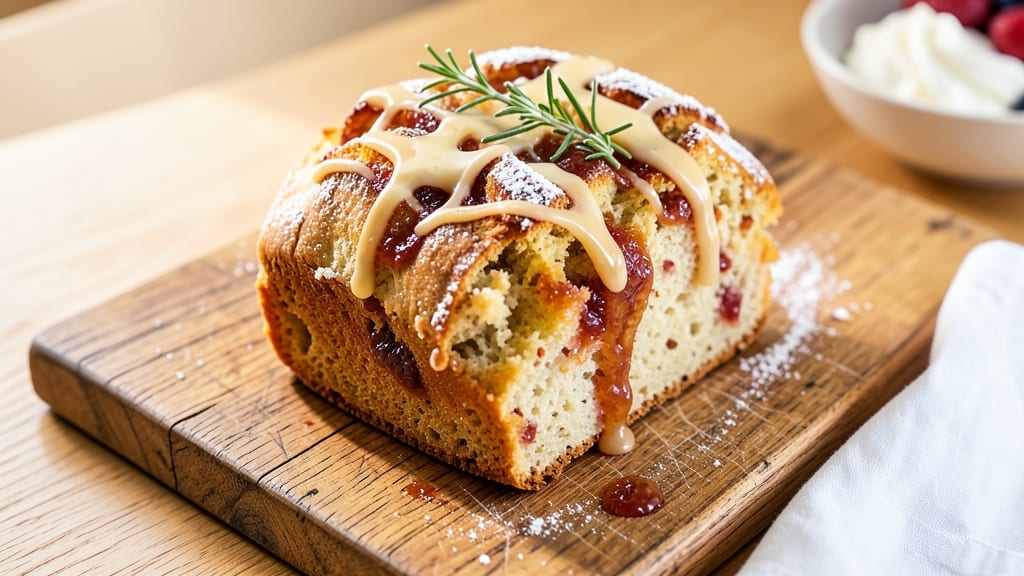
This apricot bread machine recipe transforms your kitchen into a bakery with minimal effort. 🌟 The secret lies in balancing sweet apricot jam with buttery dough, creating a loaf that's both tender and fragrant.
Perfect for breakfast or dessert, this recipe delivers restaurant-quality results using only your bread machine and basic ingredients.
The beauty of this method is its simplicity—no yeast measurements or proofing guesswork. Your bread machine handles all the work, including kneading and baking, while the apricot jam infuses moisture and natural sweetness. The crust emerges golden and crisp, with a soft, slightly sticky interior that's ideal for slicing thick.
What sets this recipe apart is how the apricot jam transforms ordinary bread into something extraordinary. The fruit's tangy-sweet flavor permeates every bite, creating a loaf that's perfect for toasting or enjoying fresh.
With just a few simple adjustments, you can customize it further by adding nuts or citrus zest for extra depth.
Ready in under two hours, this apricot bread is the ideal solution for busy mornings or special occasions. The bread machine's precise settings ensure consistent results every time, making it a foolproof addition to your baking repertoire. Let's get started!
Ingredients for apricot bread machine
Basic pantry staples plus apricot jam—your bread machine will do the rest.
| Ingredient | Amount | Notes |
|---|---|---|
| All-Purpose Flour 🌾 | 3 ½ cups | Unbleached preferred for tenderness |
| Granulated Sugar 🍚 | ¼ cup | White sugar for balanced sweetness |
| Apricot Jam 🍑 | ½ cup | High-quality, unsweetened preferred |
| Unsalted Butter 🧈 | ½ cup | Softened to room temperature |
| Large Eggs 🥚 | 1 whole | Room temperature for even mixing |
| Milk 🥛 | ¾ cup | Whole milk for richness |
| Active Dry Yeast 🍞 | 0.03 oz | 1 packet or 2 1/4 tsp |
| Salt 🧂 | ½ tsp | Diamond Crystal kosher salt |
| Vanilla Extract 🌿 | 1 tsp | Pure vanilla for depth of flavor |
| Almond Slices 🌰 | ¼ cup | Optional for added crunch |
| Water 💧 | ½ cup | Warm to 110°F for yeast activation |
The apricot jam makes all the difference here. Look for high-quality, unsweetened jam—the kind with real fruit pieces rather than thick syrup. Trader Joe's and Whole Foods carry excellent options, but any good brand will work. The flour should be unbleached for a lighter texture, and King Arthur or Bob's Red Mill are reliable choices. Butter matters too—use unsalted to control the saltiness, and make sure it's softened but not melted. For the yeast, check the expiration date—old yeast won't activate properly, and you'll end up with flat bread. Store your yeast in the freezer for longer shelf life if you bake often.
No apricot jam? Peach or plum jam works in a pinch, though the flavor will differ slightly. Running short on butter? Vegetable oil at half the amount keeps the dough moist, though the texture won't be quite as rich. Whole milk is ideal, but 2% or even almond milk will work if you're avoiding dairy. For the almond slices, toast them first for extra crunch. If you don't have vanilla extract, vanilla sugar at half the amount is a decent substitute. The bread machine will handle the yeast activation, but if you're worried about it, proof the yeast in warm water with a pinch of sugar first to ensure it's active before adding to the machine.
This dough is best used immediately, but you can shape it into a loaf and refrigerate it overnight for a 24-hour rise—just let it sit at room temperature for 30 minutes before baking. The finished loaf keeps well at room temperature for 3-4 days wrapped in a clean kitchen towel, or you can freeze slices for up to 3 months. To reheat, wrap the loaf in foil and warm in a 350°F oven for 10 minutes—this restores the crust's crispness beautifully. For extra flavor, brush the baked loaf with melted butter while still warm.
Why You'll Love This Recipe
- Jam-Packed Simplicity: I swear, this comes together with zero fuss—just dump the flour, sugar, and butter into the bread machine, then let it handle the kneading. The apricot jam gets swirled in at the end, so you’re not fussing with layers or fillings.
- Sweet Butter Magic: That unsalted butter? It makes this loaf ridiculously tender, while the jam adds a sticky, fruity punch that’s not too sweet. Honestly, the first slice out of the machine is the best part—warm, buttery, and bursting with apricot flavor.
- Breakfast or Snack Star: Between us, this bread is perfect for toast in the morning (slather it with more jam!) or as a quick snack with lunch. I’ve even sent slices in kids’ lunches—no one ever complains.
- Budget-Friendly Stretch: A single batch feeds my family for days, and the ingredients won’t break the bank. The sugar and butter keep it rich, but the jam adds that special touch without costing a fortune. Plus, leftovers? They stay fresh for ages.
Step-by-step instructions for apricot bread machine recipe
Let's create a tender loaf with jam-infused sweetness and a golden crust—perfectly handled by your bread machine.
👨🍳 Step 1: Activate the Yeast and Mix Wet Ingredients
In the bread machine pan, combine the 0.5 cup warm water (110°F), the 0.025 oz active dry yeast, and the 0.25 cup granulated sugar. Let it sit for 5 minutes until foamy—this confirms the yeast is alive and ready to work. I always check for bubbles before proceeding; if nothing happens after 5 minutes, your yeast might be dead.
Next, whisk in the 0.5 cup softened unsalted butter, 1 whole large egg, 0.75 cup milk, 1 tsp vanilla extract, and 0.5 tsp salt until smooth. The mixture should be creamy but not overly thick. If it looks too stiff, add 1 tablespoon warm water to help with mixing later. This step creates the foundation for your bread's rich flavor and tender crumb.
👨🍳 Step 2: Combine Dry Ingredients and Add Jam
In a separate bowl, whisk together the 3.5 cups all-purpose flour until it's free of lumps. This ensures even distribution throughout the dough. Gradually add the flour mixture to the wet ingredients in the bread machine pan, mixing just until combined. I use a silicone spatula for this—it helps scrape up any flour stuck to the sides.
Now for the star of the show: stir in the 0.5 cup apricot jam until evenly distributed. The jam should be broken into small chunks rather than large globs. If you're using almond slices, sprinkle the 0.25 cup almond slices on top of the dough now—they'll bake right into the loaf for added texture. This step is where the magic happens, infusing every bite with fruity sweetness.
🔥 Step 3: Select Bread Machine Settings
Transfer the dough to your bread machine pan, making sure it's centered. Wipe any dough residue from the sides of the pan with a damp cloth—this prevents sticking during the kneading cycle. Close the lid and select the "Basic White Bread" setting. I prefer this setting because it gives the dough enough time to develop gluten properly while still yielding a tender crumb.
Start the cycle and let the bread machine do its work. The machine will automatically knead, rise, and bake the dough. You'll hear it go through its paces—kneading for about 10 minutes, then rising for roughly 1 hour before baking. This process ensures the bread develops a perfect texture with a crisp crust and soft interior. Don't be tempted to open the lid during this time—it disrupts the rising process.
⏰ Step 4: Check for Doneness and Cool
The bread machine will signal when the baking cycle is complete, usually after about 2 to 2.5 hours total. When you open the lid, you should see a beautifully risen loaf with a golden-brown crust. Tap the bottom of the loaf—it should sound hollow, indicating it's fully baked. If the top looks slightly underbaked, you can place it in a 350°F oven for 5-10 minutes to finish browning.
Let the bread cool in the pan for 10 minutes before removing it to a wire rack. This cooling period is crucial—it allows the bread to set properly and prevents it from becoming gummy. Once cooled, slice and enjoy the perfect balance of sweet apricot flavor and buttery richness. The almond slices, if used, will be toasted to a lovely golden color, adding an extra layer of texture to each bite.
Pro Tips For Making Apricot Bread Machine
- SOFTEN THE JAM FIRST: Dump that cold apricot jam straight into the dough, and you’ll end up with a dense, gummy loaf. Warm it in the microwave for 15–20 seconds—just until it’s pourable—so it blends smoothly with the butter and sugar. (Yes, even if you’re impatient like me, resist the urge to skip this.)
- USE ROOM-TEMP BUTTER: Cold butter cubes will fight the bread machine’s kneading, leaving pockets of unmixed fat. Let your butter sit out for 30–45 minutes until it’s soft enough to press gently with your finger—no need to melt it. The machine will handle the rest.
- DON’T OVERLOAD THE JAM: Three tablespoons of jam is plenty for a standard loaf pan. Any more, and the bread will spread like a pancake instead of rising properly. If you’re craving extra apricot flavor, brush the top with a thin layer of warmed jam after baking.
- LET IT REST AFTER BAKING: Slice that bread too soon, and it’ll turn to mush. Give it 10–15 minutes in the pan before transferring to a wire rack—this lets the crumb set and keeps the jam from oozing out like a sad, sticky mess. (Your future self will thank you.)
Troubleshooting this recipe
Dense or Gummy Texture
If your apricot bread turns out dense or gummy, it’s usually due to overmixing or underproofing. When combining the wet and dry ingredients, mix just until combined—overworking the dough develops too much gluten, making it tough.
Also, ensure your yeast is fresh and active (it should foam within 5 minutes in warm water). If you’re using an older yeast packet, replace it for better results. 🌱
Another common cause is insufficient kneading time. Most bread machines knead for about 10 minutes, but if your dough feels sticky after this, check your flour amount—too much can absorb excess moisture.
For extra tenderness, reduce the flour by ¼ cup if needed, or add 1 tablespoon extra butter to keep the crumb soft.
Flat or Underbaked Bread
A flat or underbaked loaf often means the yeast didn’t activate properly or the dough didn’t rise enough. First, verify your yeast is fresh—old yeast loses potency.
If your bread machine’s cycle feels too short, try selecting the "Dough" setting first, letting the dough rise for 1-2 hours before baking it separately in a 350°F oven for 25-30 minutes. This gives you more control over the rise and bake times.
Also, check your apricot jam—if it’s overly thick or syrupy, it can weigh down the dough. Thin it slightly with 1 teaspoon warm water before adding to the mix. A well-risen loaf should nearly double in size during the rise cycle.
If it doesn’t, your kitchen might be too cold—move the bread machine to a warmer spot, like near the oven.
Sticky or Wet Dough
Sticky dough is normal during kneading, but if it remains excessively wet after the cycle, your hydration levels might be off.
The recipe’s 0.75 cup milk and 0.5 cup jam already add moisture, but if your kitchen is humid, reduce the milk by 2 tablespoons or add ½ cup extra flour to absorb excess liquid.
For a stickier dough, ensure your bread machine pan is properly greased—use a light coating of butter or nonstick spray to prevent sticking.
If the dough is too wet even after adjustments, try replacing ¼ cup of the milk with ¼ cup Greek yogurt—it adds protein and reduces stickiness while keeping the bread moist. Always scrape down the sides of the pan during mixing to ensure even distribution of ingredients.
Burnt or Overly Dark Crust
An overly dark crust usually means the bread baked too long or at too high a temperature.
Most bread machines automatically adjust heat, but if your loaf emerges charred, try reducing the bake time by 5-10 minutes or covering it loosely with aluminum foil during the last 15 minutes of baking.
For a lighter crust, brush the top with 1 tablespoon milk before baking—this creates a subtle sheen and prevents over-browning.
If your bread machine lacks a crust control setting, monitor the bread closely during the final 10 minutes of baking. A golden-brown crust should be slightly crisp but not dark.
For extra shine, mist the baked loaf with water and return it to the oven for 2 minutes—this steams the crust for a softer, more even color.
Jam Not Distributed Evenly
If the apricot jam pools in spots or doesn’t infuse evenly, it’s likely because the dough wasn’t mixed thoroughly. When adding the jam, use a silicone spatula to fold it into the dough in small batches, ensuring it breaks into pea-sized chunks.
For a more uniform distribution, mix the jam with 1 tablespoon flour before adding it to the dough—this helps it disperse more evenly.
If you notice jam pooling on top after baking, the dough might have risen too quickly. To fix this, let the dough rise at room temperature for 30 minutes before the bread machine’s cycle begins.
This slow rise allows the jam to settle into the dough rather than floating to the top. For extra flavor, sprinkle a pinch of cinnamon over the jam before mixing—it complements the apricot beautifully.
Nutrition facts
Frequently asked questions about apricot bread machine recipes
Can I substitute apricot jam with another fruit spread?
Yes! While apricot jam gives the best flavor, you can use peach, plum, or even strawberry jam in equal amounts. For a savory twist, try spiced apple butter (reduce sugar by 1 tablespoon to balance sweetness). The key is using unsweetened or lightly sweetened spreads to avoid an overly sugary loaf.
Why did my bread turn out dense instead of light and fluffy?
Dense bread usually happens from overmixing or old yeast. Mix just until combined, and always check your yeast is active (5-minute foam test). If your kitchen is cold, move the bread machine to a warmer spot—yeast works best between 75-85°F. For extra lightness, reduce flour by ¼ cup if your dough feels too stiff.
How can I make this bread nut-free but still add texture?
Try adding seeds like sunflower or pumpkin seeds (¼ cup) for crunch, or fold in chopped dried apricots (½ cup) during mixing. For a chewy texture, replace almonds with oatmeal (¼ cup) or crushed graham crackers. These alternatives keep the bread moist while adding interesting textures without nuts.
Can I make this recipe without a bread machine?
Mix all ingredients as directed, then let the dough rise for 1-2 hours until doubled. Shape into a loaf, place in a greased pan, and bake at 350°F for 25-30 minutes until golden. For extra flavor, brush with melted butter after baking. The bread machine's kneading ensures perfect texture, but hand-kneading works too—just knead for 8-10 minutes.
How do I store or reheat apricot bread?
Wrap cooled bread in a clean kitchen towel and store at room temperature for 3-4 days. For longer storage, freeze slices in a bag for up to 3 months. To reheat, wrap the loaf in foil and warm in a 350°F oven for 10 minutes—this restores the crust's crispness. For toast, use the broiler for 1-2 minutes on high for extra crunch.