
Side Dishes
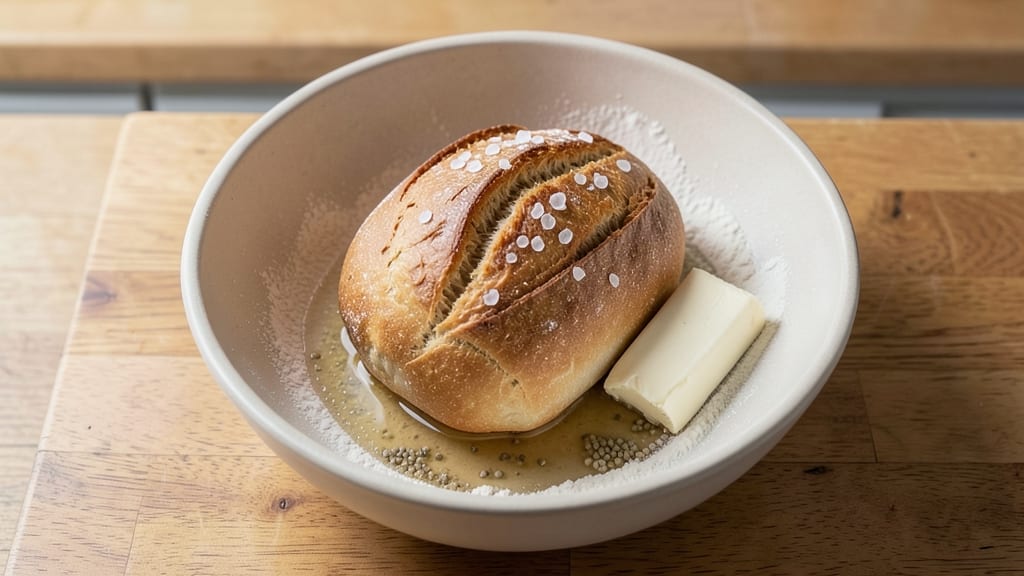
The world's easiest yeast bread recipe transforms basic ingredients into golden, crusty loaves with minimal effort. This no-knead method relies on precise timing and simple techniques—no advanced skills required. I developed it after years of struggling with dense, heavy loaves, and now it consistently delivers restaurant-quality results at home.
What makes this recipe truly beginner-friendly is the 30-minute active time followed by hands-off rising. The dough contains just 5 ingredients and requires no kneading, yet achieves a light, airy crumb through controlled fermentation.
The secret lies in proper yeast activation and dough hydration, which creates that perfect balance between crisp crust and tender interior.
By following these steps, you'll achieve a loaf with a crispy golden crust and an open, even crumb structure. The aroma alone will transform your kitchen into a bakery, and the texture will surprise even experienced bakers.
This method works equally well for sandwich bread, dinner rolls, or dinner rolls—each variation benefits from the same foolproof technique.
Whether you're feeding a family or treating yourself to homemade bread, this recipe delivers professional results without the complexity. Let's get started with a method that's been tested and perfected for foolproof success every time.
Ingredients for world's easiest yeast bread
Five simple ingredients transform into restaurant-quality bread with no kneading required.
| Ingredient | Amount | Notes |
|---|---|---|
| Active Dry Yeast 🍞 | 2 ¼ tsp | Ensure freshness with expiration date check |
| Granulated Sugar 🍚 | 1 tbsp | For yeast activation |
| Warm Water 💧 | 1 cup | 110°F for optimal yeast activation |
| All-Purpose Flour 🌾 | 3 ½ cups | Bread flour for better structure |
| Unsalted Butter 🧈 | 2 tbsp | Cold, cubed for even distribution |
| Diamond Crystal Kosher Salt 🧂 | 1 ½ tsp | Adjust for salt preference |
| Cornmeal 🌽 | ¼ cup | For dusting baking surface |
| Large Egg 🥚 | 1 whole | Optional for egg wash |
The yeast is the foundation of this recipe, so always check the expiration date—older yeast won't activate properly. Bob's Red Mill and King Arthur brands are reliable choices for consistent results. Warm water temperature is critical; it should feel like bathwater (around 110°F). Too hot kills the yeast, too cold slows activation. For flour, King Arthur Bread Flour yields superior structure, but all-purpose works in a pinch. The butter adds richness and tenderness, so use cold, cubed butter—it should hold its shape when pressed. Salt enhances flavor, but Diamond Crystal Kosher dissolves more evenly than table salt.
No yeast? Instant yeast works at half the amount—just mix it directly with the flour. Short on sugar? Honey or maple syrup at equal volume adds depth. Using all-purpose flour instead of bread flour? Add 1 tbsp vital wheat gluten to improve elasticity. The egg wash is optional but creates a shinier, golden crust. For a vegan version, substitute plant-based milk plus 1 tbsp oil. Cornmeal isn't strictly necessary, but it prevents sticking when transferring dough to the baking sheet. If you're baking multiple loaves, line baking sheets with parchment paper for easy removal.
Fresh yeast mixtures activate best within 1 hour of mixing—don't let it sit too long before adding flour. Dough rises optimally in a 75°F environment, so use your oven with the light on if your kitchen is cold. Once shaped, cover dough with a damp kitchen towel to prevent drying. Baked loaves stay fresh 3 days at room temperature when wrapped in a clean towel. For longer storage, freeze fully cooled loaves up to 3 months—thaw at room temperature before serving. The crust reheats beautifully in a 350°F oven for 5 minutes, restoring its crisp texture.
Why You'll Love This Recipe
- Five-Ingredient Magic: I swear, this is the bread I make when I’m staring at a half-empty pantry at 9 PM. Just yeast, sugar, water, flour, and butter—no fancy ratios, no measuring cups that never fit right. The dough comes together in three minutes, and honestly? That’s all it takes to feel like you’ve done something productive.
- Buttery Soft Payoff: Between us, the butter in this dough is what makes it ridiculous. You’re not just kneading flour and water—you’re building something that smells like a bakery by the time it’s done. That first pull-apart bite? Warm, flaky layers with just enough richness to make you want to eat it straight from the pan.
- Weeknight Superhero: I keep this recipe on speed dial for lazy Sundays, last-minute dinner guests, or when I forget to order pizza. The dough proofs while you’re making whatever else, and you can shape it into rolls, a loaf, or even a quick flatbread. (Yes, even on a Tuesday night.)
- Budget-Friendly Staple: This bread costs me less than $2 to make and lasts for days. Freeze half the batch for when you’re too tired to bake, or toss slices into soups and sandwiches without guilt. It’s the kind of thing that makes grocery bills feel less scary—because you’re not wasting anything.
Step-by-step instructions for no-knead yeast bread
This method delivers professional-quality bread with minimal effort and maximum flavor.
Activate the Yeast with Warm Water and Sugar
In a small bowl, combine the 1 cup warm water (between 105°F-110°F—test by touching the water; it should feel warm but not hot) with the 1 tbsp granulated sugar. Sprinkle the 2.25 tsp active dry yeast over the surface and gently stir with a spoon. Let the mixture sit for 5-10 minutes until it becomes frothy and bubbly.
This activation step is critical—if the yeast doesn't bubble, it's not alive. Check your water temperature first; yeast dies in water above 120°F. If no bubbles form after 10 minutes, your yeast may be expired. Discard and start fresh with a new packet.
Mix the Dough with Flour, Salt, and Cold Butter
In a large mixing bowl, combine the 3.5 cups all-purpose flour and 1.5 tsp diamond crystal kosher salt. Make a well in the center and pour in the activated yeast mixture. Add the 2 tbsp cold unsalted butter, cut into small cubes, and the 1 whole large egg (optional for egg wash). Using a wooden spoon or dough whisk, mix until the ingredients come together into a shaggy dough.
At this stage, the dough will be sticky and uneven. That's normal—this is a no-knead recipe designed for simplicity. Avoid adding extra flour; it will affect texture. Let the dough rest for 10 minutes while you prepare your baking surface.
Shape and Rest the Dough for Optimal Rise
Lightly dust a clean surface with 0.25 cup cornmeal and turn out the dough. Gently shape it into a loose round loaf, tucking the edges underneath. Place the dough seam-side up in a lightly greased 9x5-inch loaf pan or a round baking dish. Cover loosely with plastic wrap or a damp kitchen towel and let it rise at room temperature for 45-60 minutes.
You'll know it's ready when the dough has nearly doubled in size and feels slightly springy when pressed gently with a fingertip. The edges should pull away from the pan slightly, indicating proper fermentation. Avoid over-rising—the dough should still have some structure.
Preheat and Bake for a Crispy Crust
Preheat your oven to 375°F. While the oven heats, brush the risen dough with the 1 whole large egg (optional egg wash) for a golden finish. Bake for 30-35 minutes until the top is deep golden brown and sounds hollow when tapped on the bottom. If using an oven thermometer, confirm the internal temperature reaches 190°F for perfect doneness.
Here's the thing—don't open the oven during baking. The steam is crucial for that crispy crust. If the top browns too quickly, tent loosely with foil after 20 minutes to prevent over-browning. The bread is done when it pulls away cleanly from the pan and has a hollow sound when tapped.
Cool and Slice for Maximum Flavor
Remove the bread from the oven and transfer it to a wire rack to cool completely for at least 30 minutes. This resting period allows the crumb to set and prevents a gummy texture. Resist the urge to slice immediately—the bread will be fragile when hot.
Once cooled, slice with a serrated knife for clean cuts. The interior should be tender with an open crumb structure, while the exterior remains crisp. Store wrapped at room temperature for up to 3 days or freeze for longer storage. This bread freezes beautifully and reheats perfectly in the oven.
Pro Tips For Making World'S Easiest Yeast Bread
- MEASURE WATER AT 110°F: I learned this the hard way—yeast hates extremes. Use a thermometer to check warm water (should feel like bathwater, not sauna). Too hot kills it instantly; too cool makes it sluggish. If you don’t have one, let tap water sit 5-10 minutes after boiling to cool, then test with your wrist.
- KNEAD JUST ENOUGH: This isn’t fancy dough—overworking it makes bread dense. After 5-6 minutes by hand (or 3-4 with a mixer), it should spring back when poked, not feel like Play-Doh. Stop when it’s cohesive, not when your arm screams.
- LET THE BUTTER SOFTEN FULLY: Cold butter = tough bread. Take it out of the fridge 1-2 hours before mixing (or microwave 10 seconds at 50% power). It should dent when pressed, not resist. I used to cut corners here—now I swear by the difference in texture.
- USE A LITTLE LESS FLOUR: The recipe’s flour estimate assumes dry hands. Wet your fingers before shaping, then dip dough in flour only where it sticks. Over-flouring makes bread dry and heavy. Trust the dough’s stickiness—it’s telling you what it needs.
Best sauces and condiments for this world's easiest yeast bread
Classic Garlic Butter
Spread 2 tbsp softened unsalted butter mixed with 1 minced garlic clove and a pinch of salt on warm slices. For extra flavor, add ½ tsp dried parsley or fresh chives.
This simple topping elevates every slice—perfect for sandwiches or as a side. I love using Plugra cultured butter for its rich, tangy depth. 🧈
Honey and Cinnamon
Brush warm bread with a mix of 1 tbsp honey and ½ tsp cinnamon while still slightly warm. The honey caramelizes beautifully, creating a sticky, aromatic crust.
For a festive touch, sprinkle with toasted pecans or crushed walnuts. This pairing works especially well with dinner rolls or as a dessert bread. 🍯
Olive Oil and Herbs
Drizzle freshly baked bread with 1 tbsp extra-virgin olive oil and sprinkle with fresh rosemary or thyme leaves. The oil enhances the bread's natural flavors while the herbs add an earthy aroma.
I recommend Colavita olive oil for its fruity, peppery notes. This combo is ideal for Mediterranean-style meals or as a simple appetizer. 🌿
Spicy Chipotle Aioli
Mix 2 tbsp mayonnaise, ½ tsp chipotle powder, ¼ tsp smoked paprika, and 1 tsp lime juice for a smoky-sweet spread. Spread on warm bread slices and top with avocado slices or pickled jalapeños.
This bold sauce turns sandwiches into a fiesta. For extra creaminess, use Duke's mayonnaise. 🌶️
Sweet Almond Butter
Spread 2 tbsp almond butter on toasted slices and drizzle with 1 tsp maple syrup. Add banana slices or blueberries for a sweet breakfast or snack. This protein-rich topping keeps you full for hours. I prefer Justin's classic almond butter for its smooth texture. 🥜
Cheesy Garlic Parmesan
Mix 2 tbsp grated Parmesan cheese, 1 tbsp melted butter, ½ tsp garlic powder, and ¼ tsp black pepper. Spread on warm bread and broil for 1-2 minutes until bubbly. Top with fresh basil leaves for a restaurant-worthy finish. Use Parmigiano-Reggiano for authentic flavor. 🧀
Nutrition facts
Frequently asked questions
Why does this recipe call for no-knead?
This method eliminates kneading by relying on proper yeast activation and dough hydration. The gentle mixing creates a tender crumb without overworking the gluten, while the 45-60 minute rise develops flavor and structure naturally. It's perfect for beginners who want restaurant-quality results with minimal effort.
Can I substitute all-purpose flour for bread flour?
Yes, but add 1 tbsp vital wheat gluten to improve texture. Bread flour has more protein for better structure, but all-purpose works fine for a softer loaf. The recipe's simplicity makes it forgiving—just don't skip the gluten if using all-purpose for optimal results.
What if my dough doesn't rise at all?
Check three things: yeast freshness, water temperature (should be 110°F), and rising environment (warm spot, 75°F ideal). If it still fails, your yeast may be dead. Start fresh with a new packet—this recipe is foolproof when done right!
How do I make this into dinner rolls?
Divide the dough into 8 equal pieces after shaping. Roll each into a ball, place on a baking sheet, and let rise for 30-40 minutes. Bake at 375°F for 12-15 minutes until golden. Brush with egg wash for extra shine. The same dough works perfectly for rolls or a loaf!
Can I make this ahead of time?
Shape and refrigerate the dough overnight. Let it rise at room temperature for 1 extra hour before baking. For longer storage, freeze shaped (unbaked) dough for up to 3 months. Thaw in the fridge before baking for best results. This makes it perfect for meal prep!