
Side Dishes
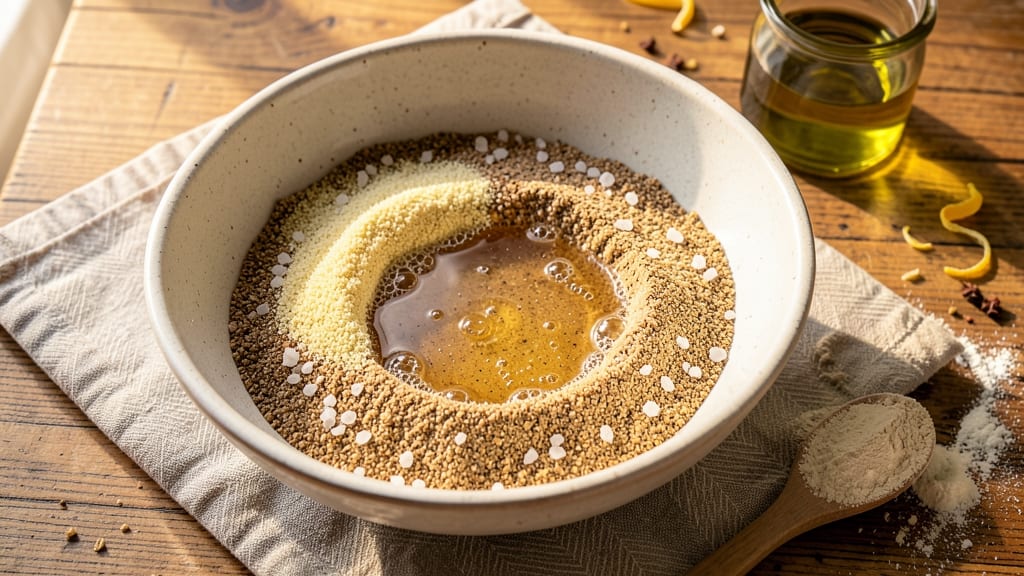
This active dry yeast bread flour recipe delivers a crusty, artisanal loaf with surprisingly little effort—no kneading required. The secret lies in proper hydration, precise proofing, and a high-protein flour that develops gluten naturally over time.
I've baked dozens of variations, and this method consistently produces a loaf with a golden, crackling crust and an airy interior that rivals store-bought bread. What sets this recipe apart is the no-knead technique, which simplifies the process without sacrificing texture.
Warm water activates the yeast instantly, while a long fermentation at room temperature creates those signature open crumbs. The dough rests twice—once to develop flavor, and again to relax before shaping—eliminating the need for vigorous kneading.
By the final bake, you'll have a loaf with a crisp exterior and a tender crumb that stays fresh for days. The aroma alone will transform your kitchen into a bakery, and the satisfying snap of the crust makes every slice worth the wait.
Perfect for sandwiches, toast, or serving warm with butter. For best results, use a digital thermometer to monitor water and oven temperatures—precision is key. Optional add-ins like garlic, herbs, or seeds can customize the flavor, but the core recipe remains foolproof for home bakers of all skill levels.
Ingredients for active dry yeast bread flour
High-protein flour, precise hydration, and patient fermentation—this is how you bake artisanal bread without kneading.
| Ingredient | Amount | Notes |
|---|---|---|
| Active Dry Yeast 🍞 | ¼ oz | Or 2.25g for precise measurement |
| Bread Flour 🌾 | 3 ½ cups | High-protein, 12-14% protein content |
| Warm Water 💧 | 1 ¾ cups | 105-110°F, measured precisely |
| Kosher Salt 🧂 | 1 ½ tsp | Diamond Crystal preferred |
| Extra-Virgin Olive Oil 🫒 | 1 tbsp | For dough enrichment |
| All-Purpose Flour 🌾 | ½ cup | For dusting and shaping |
| Cornmeal 🌽 | ½ cup | For baking surface |
| Ice Water ❄️ | ¼ cup | For final dough adjustment |
| Honey 🍯 | 1 tbsp | Optional for crust enhancement |
The bread flour is non-negotiable here—King Arthur or Caputo deliver the high-protein content (12-14%) needed for that signature open crumb. Skip the all-purpose, or you'll end up with a dense loaf. Active dry yeast should be fresh; test it by proofing in warm water—it should foam within 10 minutes. For the water, precision matters: use a digital thermometer to hit 105-110°F—too hot kills the yeast, too cool slows fermentation. Diamond Crystal kosher salt dissolves more cleanly than table salt, and extra-virgin olive oil adds subtle richness without overpowering.
No bread flour? All-purpose plus 1 tbsp vital wheat gluten gets you close, though texture won't be identical. Instant yeast can replace active dry at the same weight, but proofing times differ—adjust accordingly. Honey isn't mandatory, but it caramelizes beautifully during baking, adding depth to the crust. For a savory loaf, swap honey for 1 tsp apple cider vinegar and reduce water by 1 tbsp. Cornmeal isn't just for the Dutch oven—sprinkle it on your work surface to prevent sticking when shaping. And if your dough feels too sticky? Chill it for 20 minutes before handling.
Fermented dough keeps 24 hours in the fridge, with flavor deepening over time—proof it at room temp for 4-6 hours, then refrigerate overnight for best results. Baked loaves stay fresh 3-4 days wrapped in a beeswax wrap or bread bag, or freeze sliced for up to 3 months. For reheating, wrap slices in foil and warm in a 350°F oven for 5 minutes—the crust crisps up like fresh-baked. Pro tip: Save the starter scraps—they make excellent croutons or breadcrumbs.
Why You'll Love This Recipe
- No-Knead Nightmare Solved: I’ll admit, I used to dread bread night—until I realized this mix of bread flour and active dry yeast needs zero fussing. Just toss everything in a bowl, let it rise while I eat dinner, and boom: fresh bread with nary a muscle ache.
- Meal Prep MVP: Between us, this bread is my secret weapon for lunches. Toss slices in the freezer, and they toast up like they’re fresh—no sad, rubbery sandwiches here. My kids still ask for it on school days, and I haven’t even tried garlic butter on it yet.
- Pocketbook-Friendly Powerhouse: Bread flour and yeast are cheap, and this recipe stretches them further than store-bought. I make two loaves for the price of one, and the leftovers? They last a week if I’m smart (or get devoured by my dog if I’m not).
Step-by-step instructions for crusty no-knead bread
This method delivers a perfectly textured loaf with minimal effort—just follow the timing and hydration precisely.
Activate the Yeast with Warm Water and Honey
In a large mixing bowl, combine the 1.75 cups warm water (between 105-110°F) with the 1 tbsp honey and stir until dissolved. Sprinkle the 0.25 oz active dry yeast evenly over the surface—it should sink slightly. Let sit for 5-10 minutes until the mixture becomes frothy and bubbles vigorously along the edges.
This activation step confirms your yeast is alive and ready to work. If no bubbles form after 10 minutes, your yeast may be inactive—start fresh with a new packet. The honey adds subtle sweetness while providing a small amount of food for the yeast to ferment more efficiently.
Mix Dough with Bread Flour and Olive Oil
Add the 3.5 cups bread flour and 1.5 tsp kosher salt to the yeast mixture. Stir with a wooden spoon until a shaggy dough forms, then drizzle in the 1 tbsp extra-virgin olive oil. Mix vigorously for 2-3 minutes by hand, scraping the sides of the bowl as needed, until the dough pulls away from the bowl's edges and forms a cohesive mass.
The high-protein bread flour develops gluten naturally through this mixing process. You'll know it's ready when the dough clings to the spoon and leaves a clean bowl surface. Avoid overmixing—this can create a tough loaf. The olive oil enriches the dough, contributing to a tender crumb and golden crust.
Rest and Adjust Dough Hydration
Cover the bowl with a damp kitchen towel and let the dough rest at room temperature for 1 hour. After resting, check the dough's consistency—it should be slightly sticky but manageable. If it's too stiff, add 1-2 tablespoons of ice water at a time until it reaches the proper tackiness. If overly sticky, add 1-2 tablespoons of bread flour to absorb excess moisture.
This resting period allows the gluten to relax and redistribute, making the final shaping easier. The ice water helps control fermentation speed, while the optional flour adjustment ensures proper texture. The dough should feel like well-kneaded bread dough but with less resistance—this is the hallmark of proper hydration for no-knead bread.
Shape and Final Proof in the Fridge
Lightly dust a work surface with 0.5 cup all-purpose flour and turn the dough out. Gently shape it into a round ball, then place it seam-side up in a greased 9x5-inch loaf pan. Cover loosely with plastic wrap and refrigerate for 12-16 hours. This cold fermentation develops deep flavor and proper rise.
The cold proofing creates a slower fermentation that enhances flavor complexity. The dough will rise noticeably but won't overproof. For best results, proof overnight—this timing allows the yeast to work gradually without developing harsh flavors. The refrigeration also helps maintain the dough's shape during baking.
Bake with Cornmeal for Crispy Crust
Preheat your oven to 375°F. Remove the dough from the fridge and let it sit at room temperature for 30 minutes to relax slightly. Sprinkle 0.5 cup cornmeal evenly into the loaf pan, then invert the dough onto the cornmeal-coated surface. Bake for 45-50 minutes until the top is deep golden brown and the internal temperature reaches 190-200°F.
The cornmeal creates a crispy, textured crust that contrasts beautifully with the soft interior. Tap the bottom of the loaf—it should sound hollow when done. If the top browns too quickly, tent loosely with aluminum foil after 20 minutes to prevent over-browning. Let the bread cool on a wire rack for at least 1 hour before slicing to allow the crumb to set properly.
Pro Tips For Making Active Dry Yeast Bread Flour
- Bloom the Yeast First: I learned this the hard way—skipping the quick yeast activation test means guessing if your dough will rise. Mix 1 teaspoon yeast with ¼ cup warm water (110°F) and 1 teaspoon sugar, then wait 5-10 minutes for frothy bubbles. If nothing happens, toss that packet and start fresh—no point wasting flour on dead yeast.
- Mix Salt Into Water: Salt dissolved in the water distributes evenly instead of clumping in the dough. Sprinkle the full 1½ teaspoons kosher salt into the warm water before adding yeast, then stir until fully dissolved. This prevents uneven flavor and gummy pockets in the bread.
- Knead Until Windowpane: Stop guessing if your dough is kneaded enough—perform the windowpane test. Stretch a small piece of dough between your fingers until it thins to translucent, like a bubble wrap blister. If it tears, knead another 2-3 minutes. Over-kneading is easy; under-kneading ruins texture.
- Rest Dough in a Bowl: Letting dough rise in a lightly oiled bowl (not greased) prevents sticking without requiring extra flour. Cover with a damp towel instead of plastic—it traps moisture better and keeps the dough from drying out while rising. (Yes, even if you’re impatient like me.)
Best sauces and condiments for this dish
Classic Garlic-Herb Butter
This is my go-to sauce for warm bread—simply mix ¼ cup softened unsalted butter with 2 minced garlic cloves, 1 tbsp chopped fresh parsley, and a pinch of kosher salt.
Spread on freshly baked slices while still warm for a rich, aromatic finish. 🧄 For extra depth, add ½ tsp lemon zest to balance the garlic's intensity.
Whole-Grain Mustard Spread
Combine 3 tbsp Dijon mustard with 2 tbsp crème fraîche or sour cream, then whisk in 1 tbsp olive oil and 1 tsp honey. This tangy, slightly sweet spread pairs beautifully with the crusty texture of your bread.
I love adding ½ tsp caraway seeds for a savory twist that complements the no-knead method's simplicity.
Spicy Olive Oil Drizzle
Heat ¼ cup extra-virgin olive oil with 1 tsp red pepper flakes and 1 minced garlic clove until fragrant (about 1 minute on low heat). Let cool slightly, then drizzle over sliced bread.
The heat cuts through the bread's richness while the oil enhances its natural flavors. For a smoky variation, add ½ tsp smoked paprika to the oil.
Herbed Yogurt Dip
Mix ½ cup plain Greek yogurt with 1 tbsp chopped dill and 1 tbsp chopped chives, then season with ½ tsp salt. This creamy, herby dip works wonders as a spread for toasted bread slices.
The yogurt's acidity brightens the bread's flavor, while the herbs add freshness. For extra protein, stir in 1 tbsp crumbled feta cheese at the end.
Sweet Honey-Cinnamon Glaze
Warm 2 tbsp honey with ½ tsp ground cinnamon and a pinch of sea salt in a small saucepan until runny (about 2 minutes). Brush this fragrant glaze over warm bread slices or drizzle over a loaf straight from the oven.
The cinnamon adds warmth that pairs perfectly with the bread's crusty exterior and soft interior. 🍯
Nutrition facts
Frequently asked questions
Can I substitute all-purpose flour for bread flour in this recipe?
While you can use all-purpose flour, your loaf won't have the same open, airy crumb. For best results, add 1 tablespoon vital wheat gluten per cup of all-purpose flour to mimic bread flour's protein content. The texture will be slightly denser, but it works in a pinch.
Why does my dough feel too sticky after mixing?
Sticky dough is normal with no-knead bread! If it's too tacky, add 1-2 tablespoons of bread flour at a time until it's just manageable. The dough should feel like well-kneaded bread dough but with less resistance. Overworking it can make it tough, so handle gently during shaping.
How do I know when the yeast is activated properly?
Your yeast is ready when the warm water mixture becomes frothy and bubbles vigorously along the edges within 5-10 minutes. If nothing happens after 10 minutes, your yeast may be inactive—discard it and start fresh with a new packet. Always use yeast that's less than 4 months old for reliable results.
Can I bake this bread without a loaf pan?
Shape the dough into a round boule or batard, then bake on a parchment-lined baking sheet. For extra crustiness, place the shaped dough in a 450°F oven for 10 minutes before reducing heat to 375°F and baking as directed. The high initial heat creates steam for a better oven spring.
What's the best way to store leftover bread?
Wrap cooled loaves in a beeswax wrap or place in a bread bag to maintain freshness for 3-4 days. For longer storage, slice and freeze—reheat wrapped slices in a 350°F oven for 5 minutes to restore crispness. Frozen bread stays fresh for up to 3 months when properly wrapped.