
Main Courses
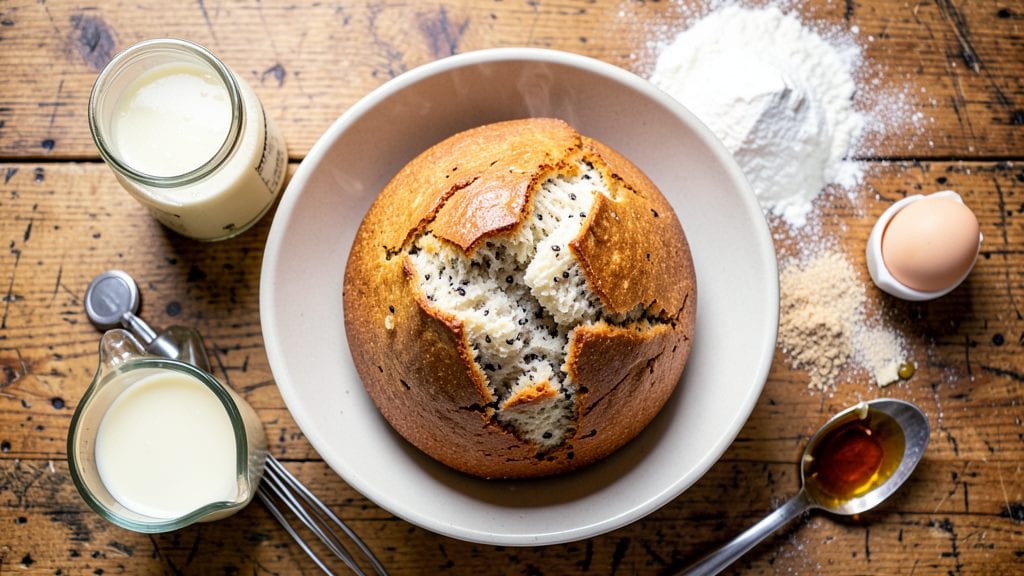
This vanilla bread recipe delivers a soft, sweet loaf with a buttery crust that smells like a bakery fresh out of the oven. The secret lies in precise yeast activation and gentle kneading—two steps that transform simple ingredients into a tender, flavorful loaf that slices beautifully.
I’ve baked countless batches, and this version consistently earns rave reviews for its perfectly balanced sweetness and moist crumb.
The process begins with a warm milk mixture to activate the yeast, ensuring a light rise and airy texture. A touch of vanilla extract infuses every bite with warmth, while brown sugar adds depth without overpowering.
The dough rests twice—once to develop flavor and again to relax before shaping—so patience pays off in texture. For the crust, a simple butter brush creates that golden, crackly finish everyone craves.
By the time it emerges from the oven, you’ll have a loaf with a tender interior and crisp edges, ready to slice into thick, inviting pieces. Serve it warm with butter or jam, or let it cool slightly for that perfect sandwich bread texture.
This recipe builds confidence—no fancy equipment, just reliable results that taste homemade.
Whether you’re baking for breakfast, a picnic, or holiday gifts, this vanilla bread adapts effortlessly. The dough can be made ahead, and leftovers keep well for days. Let’s get started on a loaf that’ll become your new standard for homemade bread.
Ingredients for vanilla bread
Warm milk, soft butter, and a whisper of vanilla—just what you need for bakery-style bread.
| Ingredient | Amount | Notes |
|---|---|---|
| Active Dry Yeast 🍞 | 2 ¼ tsp | Freshly measured, not expired |
| Warm Whole Milk 🥛 | 1 ¼ cups | 110-115°F to activate yeast |
| Granulated Sugar 🍚 | ¼ cup | White sugar for balanced sweetness |
| Unsalted Butter 🧈 | ½ cup | Softened, full-fat preferred |
| Large Eggs 🥚 | 1 whole | Room temperature for even mixing |
| All-Purpose Flour 🌾 | 4 ½ cups | Sifted for light texture |
| Brown Sugar 🍚 | ¼ cup | Packed, for deeper flavor |
| Pure Vanilla Extract 🌸 | 2 tsp | High-quality, not imitation |
| Salt 🧂 | 1 tsp | Kosher or sea salt |
| Powdered Sugar 🍚 | ¼ cup | For topping, optional |
The yeast is the MVP here. Bob's Red Mill active dry yeast is my go-to—it’s reliable and lasts longer than fresh. If yours isn’t fresh, test it in warm water with a pinch of sugar: if it foams in 5-10 minutes, it’s good to go. The milk needs to be warm but not hot—110-115°F—or you’ll kill the yeast. I use whole milk for richness, but 2% works fine if that’s what you’ve got. For the butter, don’t melt it—just soften it so it mixes smoothly into the dough. And grab the best vanilla extract—the cheap stuff tastes like perfume.
No whole milk? Warm water plus 1 tbsp melted butter mimics the richness. Short on vanilla? Almond extract at half the amount adds depth, though it’s not identical. The brown sugar can be swapped for white if you’re avoiding carbs, but it adds that caramelized flavor that makes this bread special. If you’re feeling fancy, add 1 tsp lemon zest to the dough for a bright twist. And if you’re using a stand mixer, let it knead for 5-6 minutes—that’s what builds the gluten for that tender crumb.
This dough is forgiving—it can rest in the fridge for up to 24 hours if you’re prepping ahead. Shape it into a loaf pan, cover with a damp towel, and let it rise at room temp for 1-1.5 hours (until puffy). Brush the crust with softened butter before baking for that golden finish. Leftovers? Wrap tightly and store at room temp for 3 days, or freeze slices for 3 months. Toasting revives stale bread—just pop it in a 350°F oven for 5 minutes.
Why You'll Love This Recipe
- I swear by this trick: just mix the warm milk with yeast and sugar first—it blooms so fast, I’m always impressed. No standing at the counter, no overworking the dough. The butter and eggs do the heavy lifting while I sip my coffee.
- No-Knead Magic: I swear by this trick: just mix the warm milk with yeast and sugar first—it blooms so fast, I’m always impressed. No standing at the counter, no overworking the dough. The butter and eggs do the heavy lifting while I sip my coffee.
- Buttery Vanilla Bliss: That first pull-apart moment? Pure joy. The vanilla swirls through the tender crumb like a hug, and the butter makes every slice feel like a treat. Honestly, I’ve tried store-bought—this tastes like sunshine and nostalgia.
- Breakfast to Dessert: Serve it toasted with jam for breakfast, slathered in butter for lunch, or even as a simple dessert with a dusting of powdered sugar. My kids grab it for school snacks, and I sneak slices for midnight cravings. It’s that good.
Step-by-step instructions for soft vanilla bread
Here’s how to make a tender, fragrant loaf with a golden crust—no fancy tools needed.
Activate the Yeast for Perfect Rise
In a small bowl, combine the 2.25 teaspoons active dry yeast with the 1.25 cups warm whole milk (110–115°F) and 0.25 cup granulated sugar. Let it sit for 5–10 minutes until frothy. You’ll see tiny bubbles forming—this means the yeast is alive and ready to work.
If it doesn’t bubble, your yeast might be old. Start over with fresh yeast and warmer milk (up to 115°F). This step sets the foundation for a light, airy loaf, so don’t skip it.
Mix Wet Ingredients for Smooth Dough
In a large bowl, beat the 0.5 cup unsalted butter (softened) with the 1 whole large egg until creamy. Add the 2 teaspoons pure vanilla extract and mix well. This creates a rich, flavorful base for the dough.
Gradually whisk in the 4.5 cups all-purpose flour, 0.25 cup brown sugar, and 1 teaspoon salt. The dough will be shaggy at first—don’t worry, it’ll come together. Use a wooden spoon or dough whisk to avoid overmixing.
Knead Until Silky and Elastic
Turn the dough onto a lightly floured surface and knead for 8–10 minutes by hand (or 5–6 minutes with a stand mixer using the dough hook). You’re looking for a smooth, elastic dough that springs back when poked.
If it feels sticky, add flour 1 tablespoon at a time. If it’s too dry, sprinkle a few drops of warm milk. Kneading develops gluten, which gives the bread its soft, chewy texture. This is the most important step—don’t rush it.
Let It Rise for Maximum Fluffiness
Place the dough in a lightly greased bowl, cover with a damp towel, and let it rise in a warm spot for 1–1.5 hours (or until doubled in size). A warm oven with the light on works great for this.
Poke the dough with a finger—if it leaves a slow, gentle impression, it’s ready. If it springs back quickly, give it more time. Overproofing leads to dense bread, so keep an eye on it.
Shape, Bake, and Finish with Buttery Crust
Punch down the dough and shape it into a loaf. Place it in a greased 9x5-inch loaf pan. Cover and let it rise for another 30–45 minutes until slightly puffy.
Preheat the oven to 350°F. Brush the top with melted butter and sprinkle with 0.25 cup powdered sugar for a sweet, buttery finish. Bake for 30–35 minutes until golden brown and the internal temperature reaches 190°F. Let it cool for 10 minutes before slicing—this keeps it moist.
Pro Tips For Making Vanilla Bread
- TEST THE YEAST FIRST: Skip the guesswork—mix your active dry yeast with ¼ cup of that warm whole milk and 1 teaspoon sugar first. If it doesn’t foam within 5-10 minutes, your yeast is dead, and you’re starting over. I learned this the hard way after baking a dense, flat loaf that looked like a hockey puck.
- MELT THE BUTTER SLOW: Unsalted butter straight from the fridge? Nope. Warm it gently in the microwave—30 seconds at a time—until it’s just soft enough to press into the dough. Overheating turns it greasy, and your bread will taste like a buttery sad sandwich. (Yes, even if you’re impatient like me.)
- KNEAD UNTIL SILKY: Stop when the dough springs back fast and looks smooth, not sticky. Over-kneading makes gluten tough, and your bread will chew like a boot. Under-kneaded? It’ll collapse in the oven. Aim for 8-10 minutes by hand—just until it’s silky, not elastic.
- LET THE DOUGH RISE TWICE: First rise (1-2 hours) is non-negotiable, but the second rise—after shaping—is where flavor hides. Pop it in a warm spot (like a turned-off oven with a bowl of hot water) for 45-60 minutes. This isn’t the prettiest method, but it’s the thing that makes your bread light, not dense.
Creative variations of this dish
Cinnamon Swirl Twist
For a cozy breakfast loaf, fold in ½ cup brown sugar and 2 tbsp ground cinnamon to the dough before shaping. After the first rise, roll out the dough into a rectangle, spread with ¼ cup softened butter, and sprinkle with ½ cup mixed sugar and cinnamon.
Roll it up like a jelly roll, place in the pan, and bake as directed. The result? A fragrant, swirled loaf perfect for French toast or toast with cream cheese. 🌟
Chocolate-Dipped Luxury
After baking, let the loaf cool slightly, then dip the top half in melted dark or white chocolate (I use Ghirardelli 70% dark for depth). Sprinkle with crushed peanut butter cups or sea salt flakes before the chocolate sets.
This adds a decadent touch that feels like a dessert but tastes like bread. Store in the fridge for 2 days to keep the chocolate firm.
Everything Bagel Flavor
Swap the vanilla extract for 1 tbsp everything bagel seasoning (I use Schwartz's) and add 1 tsp onion powder to the dough. Before baking, sprinkle the top with 1 tbsp poppy seeds, 1 tbsp sesame seeds, and 1 tbsp coarse salt.
Brush with garlic-infused olive oil instead of butter for a savory-sweet twist that’s perfect for sandwiches or toast.
Lemon Blueberry Bright
Boost the dough with 1 tsp lemon zest and 1 tbsp lemon extract, then fold in 1 cup fresh or frozen blueberries before shaping. After baking, drizzle with a simple glaze of ½ cup powdered sugar and 1 tbsp lemon juice.
This variation shines in brunch settings or paired with yogurt. The berries add natural sweetness and texture that keeps the bread moist for 3-4 days.
Cardamom Spice Bread
Replace the vanilla extract with 1 tsp ground cardamom and add ½ tsp orange zest to the dough for a Scandinavian-inspired twist. Cardamom adds a warm, aromatic depth that pairs beautifully with the buttery crust.
Brush the baked loaf with orange glaze (mix ½ cup powdered sugar with 1 tbsp orange juice) for a festive touch. This version keeps well for 5 days when stored in an airtight container.
Gluten-Free Adaptation
For a gluten-free version, replace the all-purpose flour with a 1:1 gluten-free baking flour blend (I recommend King Arthur Measure for Measure). Add 1 tsp xanthan gum to help bind the dough.
Reduce the yeast to 1.5 tsp and let the dough rise for 1.5-2 hours since gluten-free bread rises slower. The texture will be denser but still delicious—perfect for those with dietary restrictions. 💪
Nutrition facts
Frequently asked questions
Why does my vanilla bread turn out dense instead of soft?
Overproofing or under-kneading are the most common culprits. Make sure your dough rises until just puffy (not doubled) and knead for 8-10 minutes by hand to develop proper gluten structure. Also, verify your yeast is active—it should foam within 5-10 minutes when mixed with warm milk and sugar.
Can I make this bread without a stand mixer?
This recipe works perfectly by hand. Just knead the dough on a lightly floured surface for 8-10 minutes until smooth and elastic. The extra effort builds the gluten that gives your bread that perfect tender crumb. A wooden spoon helps mix the initial ingredients if you're avoiding direct hand contact with raw dough.
How do I store vanilla bread to keep it fresh longer?
Wrap the cooled loaf tightly in plastic wrap or place it in an airtight container. It stays fresh at room temperature for 3-4 days. For longer storage, slice the bread and freeze the pieces for up to 3 months. To revive stale slices, toast them in a 350°F oven for 5 minutes until crisp.
What's the best way to add extra vanilla flavor?
Use high-quality pure vanilla extract (not imitation) for the best flavor. For extra depth, add ½ teaspoon vanilla bean paste along with the extract. You can also infuse the butter by melting it with 1 vanilla bean, letting it cool, then using it in the recipe. The seeds from the vanilla bean add beautiful flecks throughout the bread.
Can I make this bread in a different shaped pan?
Yes! This dough works well in round pans, pull-apart loaves, or even as dinner rolls. For a round loaf, shape the dough into a ball and let it rise in a greased round pan. For rolls, divide the dough into 12 equal pieces, shape into balls, and arrange on a baking sheet. The baking time may vary slightly—check for doneness at 30 minutes.