
Desserts
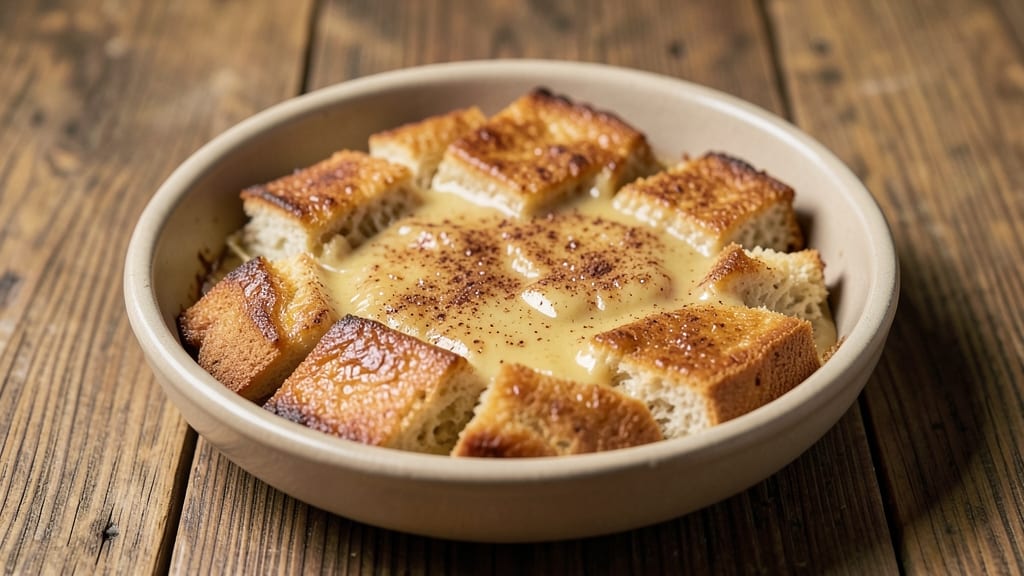
This traditional New Orleans bread pudding recipe delivers the crispy, golden top and rich bourbon custard that makes it a Creole classic. 🔥 The secret lies in layering stale French bread with a custard infused with bourbon, vanilla, and cinnamon—just like my grandmother used to make during Mardi Gras celebrations.
Every bite carries that perfect balance of caramelized crust and velvety custard that defines New Orleans dessert culture.
The recipe stays true to tradition while making it approachable for home cooks. You'll need just 10 ingredients—no fancy techniques required. The bread soaks up the custard perfectly, and baking at 350°F creates that signature crispy top.
What makes it special is how the bourbon infuses the custard, adding depth without overpowering the sweetness.
By the time it emerges from the oven, you'll have a dessert that looks like it belongs in a French Quarter café—golden brown on top, tender and custardy inside. The aroma alone will have everyone gathering around your table.
Serve it warm with a drizzle of caramel sauce or a dollop of whipped cream for that authentic New Orleans touch.
This is the kind of dessert that feels like a hug—comforting, indulgent, and full of history. Perfect for family gatherings, holiday feasts, or when you simply crave a taste of New Orleans. Let's get baking!
Ingredients for traditional new orleans bread pudding
Ten simple ingredients transform stale bread into New Orleans' most comforting dessert.
| Ingredient | Amount | Notes |
|---|---|---|
| Stale French Bread 🍞 | 1 ½ lb | Day-old, crust removed for even soaking |
| Large Eggs 🥚 | 6 whole | Room temperature for best custard |
| Granulated Sugar 🍚 | 1 ½ cups | Light brown sugar for deeper flavor |
| Unsalted Butter 🧈 | ½ cup | Cold, cubed for custard richness |
| Bourbon Whiskey 🥃 | ½ cup | Good quality, 80-proof minimum |
| Vanilla Extract 🌸 | 2 tsp | Pure, high-quality vanilla |
| Ground Cinnamon 🌿 | 2 tsp | Freshly ground preferred |
| Salt 🧂 | ½ tsp | Fine sea salt for balance |
| Whole Milk 🥛 | 3 cups | Full-fat for creamy custard |
| Heavy Whipping Cream 🥛 | 1 cup | Full-fat for crispy top |
The bread is your foundation—French bread works best, but any crusty loaf will do. Grab day-old from the bakery section (or use bread you've saved from dinner). Costco or Whole Foods often have great French bread options—look for something with a thick crust. If you can't find French bread, challah or brioche are solid backups. The key is stale bread—it soaks up custard like a dream. Pro tip: tear it into 1-inch cubes for even baking. For the bourbon, Buffalo Trace or Maker's Mark add that authentic Creole depth. If you're not a bourbon drinker, apple cider or rum work too—just keep the liquid measure the same.
No bourbon? Apple cider or rum keep the spirit of the recipe. The vanilla extract is non-negotiable—pure vanilla makes all the difference. If you only have imitation, double the amount (but trust me, it won't taste the same). For the sugar, light brown sugar gives that caramelized flavor, but white sugar works in a pinch. The milk and cream? Full-fat only—this is where the richness comes from. If you're watching calories, half-and-half works but the texture won't be quite as luxurious. The cinnamon should be freshly ground if possible—pre-ground loses its punch fast. For a shortcut, cinnamon sticks add beautiful flavor and presentation.
This dessert tastes even better the next day—make it ahead if you can. Store leftovers in an airtight container for 3-4 days in the fridge. Reheat in a 350°F oven for 10-15 minutes until the top is crispy again. For serving, a quick drizzle of caramel sauce or whipped cream takes it to the next level. The bread pudding freezes beautifully too—wrap tightly in foil and store for up to 3 months. Just thaw overnight in the fridge before reheating. The aroma alone will have your whole house gathering around the table—worth every minute of baking time.
Why You'll Love This Recipe
- No Chopping Needed: Stale French bread? Just tear it into chunks—no knife skills required. Honestly, that’s half the battle won before you even start.
- Bourbon Magic: That splash of bourbon isn’t just for show—it caramelizes into deep, warm notes that make this pudding taste like a hug from New Orleans itself. (Yes, even on a Tuesday night.)
- Leftovers? Better: This thing reheats like a dream—crispy edges, custardy center—so you’ll find yourself making it twice in one week. My freezer’s full of proof.
- Budget-Friendly Luxury: Eggs, bread, sugar, butter, and a little whiskey? This feeds six for under $10 and still feels like a restaurant dessert. That’s the kind of win I’ll take.
Step-by-step instructions for bourbon-infused bread pudding
Here's how to make the classic New Orleans dessert with that perfect balance of custardy center and crispy top.
👨🍳 Step 1: Prepare the Bread for Soaking
Cut the 1.5 lb stale French bread into 1-inch cubes—this size ensures even cooking and maximum surface area for soaking up the custard. I like to use a serrated knife for clean cuts, especially when dealing with crusty bread. Arrange the cubes in a single layer on a baking sheet.
In a large mixing bowl, whisk together the 6 whole large eggs, 1.5 cups granulated sugar, 3 cups whole milk, 1 cup heavy whipping cream, 0.5 cup bourbon whiskey, 2 teaspoons vanilla extract, 2 teaspoons ground cinnamon, and 0.5 teaspoon salt until completely smooth. The mixture should look like a pale golden custard—this is your soaking liquid.
Pour about half of the custard mixture over the bread cubes, gently tossing to coat them evenly. Let them sit for 10 minutes while you prepare the rest. The bread should begin to soften slightly but shouldn't fall apart—this is the first step toward that perfect texture.
🍳 Step 2: Assemble and Bake the Pudding
Transfer the soaked bread to a greased 9x13-inch baking dish, spreading it out in an even layer. Pour the remaining custard mixture over the bread, pressing down gently to ensure everything is well-coated. Here's the thing—don't overcrowd the dish. The bread should have room to expand slightly as it bakes.
Dot the top with cold cubed butter—about 0.5 cup total—and sprinkle with any extra cinnamon or sugar if you like. The butter will melt into the top layer, creating that signature crispy crust. Bake at 350°F for 45-50 minutes until the edges are golden brown and the center just set—it should still have a slight wobble when gently shaken.
I know it's tempting to check early, but resist! The pudding needs that full baking time to develop proper texture. You'll know it's done when the top is deep golden brown and the custard pulls away from the edges just slightly.
🔥 Step 3: Create the Crispy Top
Once the pudding comes out of the oven, let it cool for 10 minutes—this resting period is crucial. While it cools, preheat your broiler to high. Place the baking dish on a baking sheet (to catch any drips) and broil for 2-3 minutes until the top turns a beautiful deep golden brown and develops that coveted crispy texture.
Watch it closely! The broiler moves fast, and you want that top to be crispy but not burnt. You'll see it develop little bubbles and a caramelized sheen—that's your signal to pull it out. The contrast between the creamy center and crispy top is what makes this dessert truly special.
Let the pudding rest for another 10 minutes before serving. This final rest allows the custard to fully set and the flavors to meld together. Serve warm with a scoop of vanilla ice cream or whipped cream for the full New Orleans experience.
Pro Tips For Making Traditional New Orleans Bread Pudding
- Soak the Bread Properly: Drown that French bread in the custard mix—no half-measures. If you’re skimming on liquid, it’ll turn out dry and crumbly. I learned this the hard way after serving a pudding that fell apart at the first forkful. Let it sit for at least 20 minutes, covered, so the bread absorbs every drop.
- Whiskey First, Not Last: Add the bourbon to the custard before mixing in the eggs. Stir it in, let it mellow for 5 minutes, then crack those eggs. This keeps the alcohol from cooking off too fast and gives the pudding that deep, caramelized flavor. (Yes, even if you’re impatient like me—just don’t skip the wait.)
- Butter the Dish Like a Pro: Skip the butter on the sides of the baking dish—focus only on the bottom. A thin, even layer (about 1 tablespoon melted) keeps the pudding from sticking, but too much makes it greasy. I used to slather it everywhere, and the edges always came out soggy. Trust me, less is more here.
- Bake Until Golden, Not Just Set: The custard might look "done" at 340°F, but pull it when the top is deep golden brown, not just set. If you take it out too soon, it’ll stay pale and gummy. I now bake it 5–10 minutes longer than the recipe says—it’s the only way to get that perfect, crispy crust. (Your future self will thank you.)
Common mistakes when making this dish
Over-Soaking Bread
The bread should soak just enough to soften but not disintegrate into the custard. I’ve ruined more bread puddings than I’d like to admit by pouring too much liquid over the cubes.
Pour only half the custard mixture initially and let it sit for 10 minutes—the bread should feel tender but still hold its shape. If you pour all the custard at once, you’ll end up with a watery, mushy center instead of that perfect custardy texture we’re after. 🥖
Skipping the Resting Time
This is where many home cooks go wrong—they pull the bread pudding out of the oven too soon and slice into it immediately. The custard needs that 10-minute rest after baking to set properly. If you skip this, the center will be runny and the bread will fall apart.
I’ve learned this the hard way, especially when serving guests! Let it rest on the counter while you prep your toppings or broil the top.
Using Fresh Bread
Fresh bread is a common mistake—it won’t soak up the custard properly and will turn gummy instead of custardy. Always use day-old or slightly stale bread (or intentionally dry it out in the oven for 10 minutes at 300°F if needed).
The bread should be soft enough to tear by hand but not moist. I keep a loaf of French bread on hand specifically for this recipe, knowing it’ll be perfect after a day or two.
Broiling Too Long
That crispy top is what makes this dessert special, but it’s easy to burn it if you’re not careful. Once you broil, watch it like a hawk—2-3 minutes max on high heat. The moment it turns golden brown with little bubbles, pull it out immediately.
I’ve seen many a bread pudding top turn from perfect to charred in seconds. If you’re unsure, broil for 1 minute, check, then broil again if needed.
Underbaking the Center
Don’t be tempted to pull it out early just because the edges look golden. The center should have a slight wobble when gently shaken—this ensures it’s fully set but still creamy. Underbaking leads to a runny center that defeats the whole purpose of this comforting dessert.
I’ve had to send bread puddings back to the oven more times than I can count, so trust the 45-50 minutes baking time before broiling.
Ignoring the Butter
The cold cubed butter on top is what creates that signature crispy crust. If you skip it or use melted butter, you’ll miss out on that beautiful caramelized top layer. Dot the butter evenly across the custard before baking—it’ll melt and create pockets of crispiness.
I like to use European-style butter (like Plugrá) because it has a higher fat content that browns beautifully. 🧈
Nutrition facts
Frequently asked questions about New Orleans bread pudding
Why does traditional New Orleans bread pudding use bourbon?
The bourbon adds depth and warmth that defines Creole desserts. It infuses the custard with caramel notes and balances the sweetness beautifully. For a non-alcoholic version, substitute with apple cider or vanilla extract—just increase the vanilla to 3 teaspoons to match the flavor profile.
Can I make this ahead of time?
This dessert tastes even better the next day. Store leftovers in an airtight container for 3-4 days in the fridge. Reheat at 350°F for 10-15 minutes until the top is crispy again. It also freezes well—wrap tightly and store for up to 3 months. Thaw overnight before reheating.
What's the secret to the crispy top?
Cold cubed butter and broiling are key. Dot the top with 0.5 cup cold butter cubes before baking, then broil for 2-3 minutes at the end. Watch closely—it burns fast! The butter creates pockets of crispiness while the broiler caramelizes the surface. For extra crunch, sprinkle with powdered sugar before broiling.
Can I use a different type of bread?
French bread is traditional, but challah, brioche, or even sourdough work well. Avoid soft breads like brioche if they're too fresh—they'll turn gummy. For a rustic twist, try Italian bread or cornbread. Just ensure it's day-old or slightly stale for proper texture. If using cornbread, reduce the milk to 2 cups to prevent sogginess.
How do I know when it's fully baked?
The edges should be golden brown, and the center should have a slight wobble when gently shaken. It should pull away from the edges slightly but still feel warm inside. If unsure, insert a toothpick—it should come out with a few moist crumbs, not wet batter. Underbaking leads to a runny center, while overbaking dries it out.