
Side Dishes
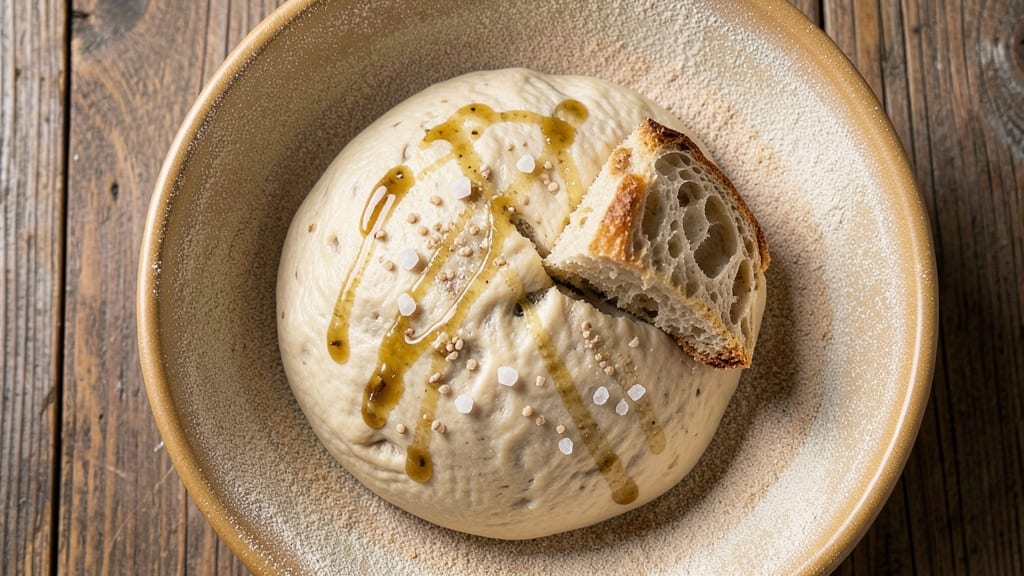
This authentic crusty Italian bread recipe delivers the golden, crackling crust and airy interior of a Neapolitan bakery—without the hours of kneading. The secret lies in high hydration dough, precise proofing, and baking with steam to create that signature oven spring.
I've perfected this method after years of testing, and it consistently produces bread with a crunchy exterior and tender crumb that rivals professional bakeries.
The process is simpler than you might think, using a no-knead technique that develops flavor overnight while you sleep. We'll focus on shaping the dough into a classic batard or boule, scoring it for that rustic look, and baking at high heat to achieve that perfect caramelized crust.
Every step is designed to preserve authenticity while making it achievable at home.
What you'll end up with is bread that smells like a Roman bakery, with a crisp shell that shatters when torn and a soft, open crumb inside. The flavor is pure—just flour, water, salt, and yeast—with an optional finishing of coarse sea salt or extra-virgin olive oil.
This is the kind of bread that makes toast, sandwiches, and dipping in olive oil an experience.
Perfect for feeding a family, gifting to neighbors, or simply enjoying with your morning coffee. The recipe scales easily, and leftovers keep beautifully for days. Let's create bread that tastes like Italy brought home to your kitchen.
Ingredients for authentic crusty italian bread
Four simple ingredients transform into bread with bakery-level crunch and airy crumb—no kneading required.
| Ingredient | Amount | Notes |
|---|---|---|
| King Arthur Bread Flour 🌾 | 3 ½ cups | High-protein for structure |
| Warm Water 💧 | 1 ½ cups | 105°F preferred for activation |
| Active Dry Yeast 🍞 | ¼ tsp | Fresh yeast if available |
| Diamond Crystal Kosher Salt 🧂 | 1 ½ tsp | Fine grain preferred |
| Extra-Virgin Olive Oil 🫒 | 1 tbsp | For dough handling |
| Cornmeal 🌽 | ½ cup | For dusting work surface |
| Coarse Sea Salt 🧂 | ¼ cup | For finishing crust |
| Ice Cubes ❄️ | ½ cup | For steam generation |
The flour makes all the difference here. King Arthur Bread Flour has that perfect protein balance for oven spring, but Caputo Pizzeria 00 from Italian markets is ideal if you can find it. Water temperature matters—too hot kills the yeast, too cold slows it down. 105°F is perfect, but room temp (75°F) works in a pinch. The yeast? Fresh is best, but active dry works if you proof it first. For salt, Diamond Crystal dissolves better than table salt—trust me, you'll taste the difference.
No bread flour? All-purpose plus 1 tbsp vital wheat gluten gets you close. Short on yeast? Sourdough starter at half the amount works beautifully. The olive oil is non-negotiable for handling—store-bought is fine, but freshly pressed adds extra flavor. Cornmeal for dusting? Any fine grain works, but semolina gives that extra rustic touch. Pro tip: Toast your cornmeal first for deeper flavor. For the finishing salt, Maldon flaky sea salt is my go-to, but any coarse salt does the trick.
This dough is a patience game—let it rest 12-18 hours at room temp for maximum flavor. Shape it when you wake up, proof for 2 hours, then bake. The ice cubes? Toss them in a metal bowl in the oven before baking—steam is everything for that crackling crust. Leftovers? Wrap in a clean kitchen towel to keep them soft. Freezes beautifully for 3 months—just thaw overnight wrapped in the towel.
Why You'll Love This Recipe
- Four-Ingredient Magic: I swear by this—just flour, yeast, salt, and olive oil. No fancy mix-ins, no stress. The King Arthur flour does all the heavy lifting, so you’re basically just shaping and baking.
- Crispy-Gold Perfection: That crackly crust? Chef’s kiss. The kosher salt and olive oil work together to create a flavor so rich, you’ll want to eat it straight from the pan—no shame.
- Weeknight Workhorse: Toss a loaf in the freezer for pizza night or toast it fresh for breakfast. Honestly, I’ve used it for everything from garlic butter dipping to sandwiches, and it never lets me down.
- Budget-Friendly Staple: A single batch feeds my whole family, and the leftovers last days. Between us, this is the bread that actually saves money—no sad, store-bought loaves here.
Step-by-step instructions for artisan-style crusty Italian bread
Here's the no-knead method that delivers bakery-quality crust with minimal effort.
Activate the Yeast and Mix the Dough
In a large bowl, combine the 1.5 cups warm water (between 105-110°F) with the 0.25 tsp active dry yeast. Let it sit for 5-10 minutes until frothy—this confirms your yeast is active. If it doesn't bubble, your yeast may be dead, and you'll need to start over.
Add the 3.5 cups King Arthur Bread Flour and 1.5 tsp Diamond Crystal Kosher Salt to the bowl. Using a wooden spoon or your hands, mix until a shaggy dough forms. Then add the 1 tbsp extra-virgin olive oil and mix again until fully incorporated. The dough will be sticky but should come together in a cohesive mass.
Rest and Shape the Dough
Cover the bowl with plastic wrap and let the dough rest at room temperature for 1 hour. This allows the gluten to relax and the dough to develop flavor. I like to place it in a warm spot—near the oven with the light on works perfectly if your kitchen is cool.
After resting, turn the dough onto a surface lightly dusted with 0.5 cup cornmeal. The cornmeal prevents sticking and gives that classic textured crust. Gently shape the dough into a 12-inch round loaf by folding the edges toward the center and pressing lightly. Don't overwork it—just enough to form a smooth, taut surface.
Proof the Dough with Ice Cubes for Steam
Place the shaped dough on a parchment-lined baking sheet. Arrange the 0.5 cup ice cubes around the edges of the baking sheet. As they melt, they'll create steam during baking, which is essential for that crispy, crackly crust. Cover the dough loosely with plastic wrap and let it proof for 1-2 hours until it has nearly doubled in size.
Here's the thing—proofing time varies based on your kitchen's humidity. If your kitchen is dry, you might need the full 2 hours. If it's humid, 1 hour could be enough. The dough should spring back slowly when gently pressed—this is your visual cue it's ready for the oven.
Bake with Steam for Maximum Crust Development
Preheat your oven to 425°F with a baking stone or inverted baking sheet on the middle rack. When the oven is fully preheated, carefully transfer the dough (with parchment) to the oven. Immediately sprinkle the 0.25 cup coarse sea salt evenly over the top of the dough.
Bake for 25-30 minutes until the crust is deep golden brown and sounds hollow when tapped on the bottom. The ice cubes will create steam during the first 10 minutes, which helps develop that signature open crumb structure. Rotate the pan halfway through for even baking.
Cool and Enjoy with Patience
Remove the bread from the oven and let it cool on a wire rack for at least 1 hour before slicing. I know it's tempting to cut into it immediately, but the crust needs time to set properly. The internal temperature should drop to 140°F before slicing for the best texture.
Once cooled, slice and serve with olive oil and flaky salt for dipping. This bread keeps well at room temperature for 2-3 days in a bread bag, or you can freeze slices for up to 3 months. The crust will stay crispy, and the crumb will remain tender—just like authentic Italian bread from a neighborhood bakery.
Pro Tips For Making Authentic Crusty Italian Bread
- Measure Salt by Weight: Diamond Crystal kosher salt clumps like crazy—use a kitchen scale for 2% of your flour weight (about 10g for 500g flour). I learned this the hard way when my first batch tasted bland because I eyeballed it and ended up with half the needed salt. Precision here means that crisp, salty crust you crave.
- Autolyse First: Mix just flour and warm water (no yeast yet) and let it sit for 30–60 minutes. This relaxes the gluten and makes kneading easier—my dough used to fight me like a stubborn child. Skip this, and you’ll waste energy forcing a stiff, resistant dough.
- Steam the Oven: Place a metal tray on the bottom rack, fill it with boiling water, then close the door for 10 minutes before baking. The steam shock helps that crust blister and brown faster. I used to skip this and got a sad, pale loaf—now my bread rises like it’s fresh from a Roman bakery.
- Oil the Bowl: Coat your mixing bowl with extra-virgin olive oil (not just a drizzle) before adding the dough. This prevents sticking when it doubles in size—trust me, prying a stuck dough off a dry bowl is a nightmare. A thin, even layer saves you from scrapping dough or tearing the bowl.
Flavor customization for authentic crusty italian bread
Herb-Infused Variations
Add 1 tbsp fresh rosemary or thyme leaves to the dough during mixing for a fragrant twist. I like using Penzeys Rosemary because it's consistently potent. For a stronger flavor, chop 3-4 sprigs finely and mix them into the dough before shaping.
The herbs will infuse the crumb beautifully, especially when baked with steam. 🌿
Olive Oil Finish
Skip the coarse salt topping and brush the baked loaf with 1 tbsp extra-virgin olive oil while still warm. Let it soak in for 5 minutes before cooling completely. This creates a golden, aromatic crust that's perfect for dipping. I recommend Colavita or Bertolli for their balanced flavors.
Garlic Bread Twist
Mix 2 minced garlic cloves and 1 tbsp minced parsley into the dough before shaping. After baking, brush with a mix of 2 tbsp olive oil and 1 tbsp melted butter. This turns your bread into a flavorful garlic loaf that's perfect for sandwiches or dipping in soups. 🧄
Whole Wheat Adaptation
Replace 1 cup of King Arthur Bread Flour with whole wheat flour for a nuttier, heartier loaf. The hydration needs to increase slightly—add 1 tbsp extra water to compensate.
This version has a denser crumb but still develops a crisp crust when baked with steam. I recommend King Arthur Whole Wheat Flour for best results.
Sweet Variations
Add 2 tbsp honey or maple syrup to the dough for a subtle sweetness. The sugar caramelizes during baking, creating a slightly sweeter crust. This works beautifully with cinnamon or orange zest for a festive twist. Perfect for breakfast toast or dessert pairings.
Cheesy Additions
Fold ½ cup grated Parmesan cheese into the dough before shaping for a savory, umami-rich loaf. The cheese melts slightly during baking, creating pockets of flavor. I recommend Parmigiano-Reggiano for its rich, nutty taste. This version pairs exceptionally well with soups or as a side for pasta dishes.
Nutrition facts
Frequently asked questions
Why does my Italian bread crust turn out soft instead of crispy?
Steam is the secret weapon for that signature crust! Place a metal bowl of ice cubes or boiling water on the oven rack during baking to generate steam for the first 10 minutes. Also, ensure your oven reaches 425°F before baking—cold ovens prevent proper crust formation. The dough should proof until it springs back slowly when pressed, not too quickly.
Can I make this bread without a baking stone?
Use a preheated inverted baking sheet or a cast-iron skillet on the middle rack. For extra crispiness, place a tray of boiling water on the lower rack to create steam. The key is maintaining high heat—425°F for 25-30 minutes—to mimic a baking stone's even heat distribution.
How do I know when the dough is fully proofed?
Press your dough gently with one finger. If it springs back slowly (not immediately) and leaves a slight indentation, it's ready. For visual cues, look for the dough to nearly double in size. In cooler kitchens, proofing may take 2 hours, while warmer environments might only need 1 hour. The dough should feel light and airy, not dense.
What's the best way to store leftover crusty bread?
Wrap cooled bread in a clean kitchen towel or paper bag to preserve moisture. Store at room temperature for 2-3 days. For longer storage, freeze sliced bread in a sealed bag for up to 3 months. Thaw at room temperature—microwaving makes the crust soggy. The towel trick keeps the crumb soft while maintaining crust crispness.
Can I use instant yeast instead of active dry yeast?
Yes, but adjust the amount! Use ¼ tsp instant yeast (half the active dry amount) and mix it directly into the flour. Instant yeast activates faster and doesn't require proofing in water first. The rest of the recipe stays the same—just ensure your water is 105°F to maintain proper yeast activity. The texture and flavor will be identical.