
Side Dishes
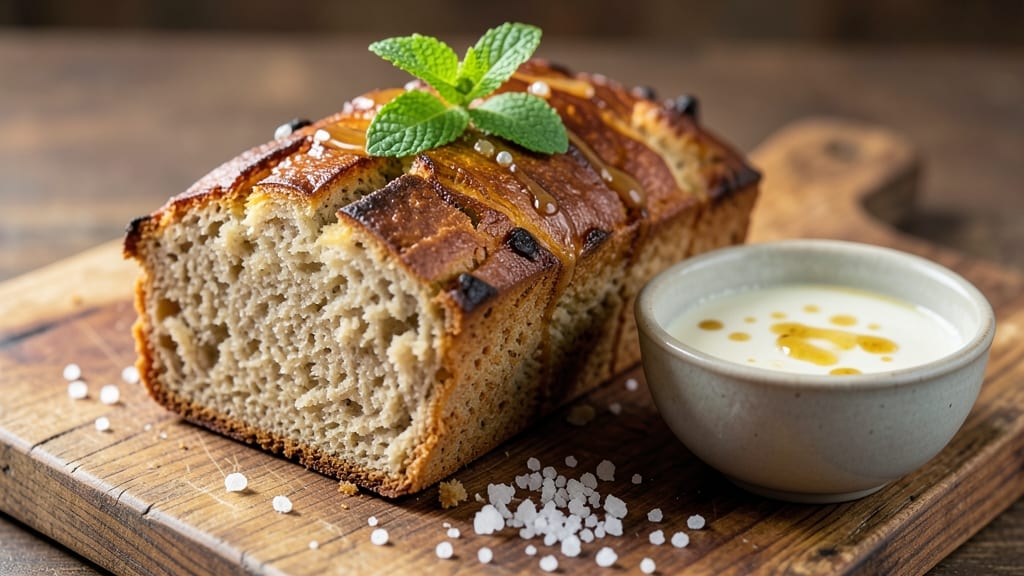
This tapioca bread recipe delivers a gluten-free, fluffy loaf that rivals traditional bread—steamed to perfection with a tender crumb and subtle sweetness. Inspired by Portuguese pão de tapioca, this version adapts the classic method for modern kitchens, requiring just five simple ingredients and 30 minutes of active time.
The secret lies in precise hydration and resting, ensuring a loaf that’s light yet sturdy enough for toasting or slicing.
The magic happens when tapioca starch absorbs liquid during a 10-minute rest, creating a dough that’s elastic yet delicate. Unlike dense gluten-free breads, this recipe yields a moist, slightly chewy texture with a delicate aroma—ideal for breakfast toast or sandwiches.
Professional bakers swear by the steaming technique, which mimics traditional methods while keeping kitchen mess minimal.
What sets this apart is its versatility: bake a savory version with herbs or keep it sweet with cinnamon. The loaf keeps well for 3 days at room temperature, making it perfect for meal prep.
Whether you’re avoiding gluten or simply craving something new, this recipe proves gluten-free doesn’t mean sacrificing texture or taste.
Pair with jam for breakfast or use as a base for open-faced sandwiches. The perfect rise and golden crust make it a standout side dish—elevating any meal with minimal effort. Ready to bake your first loaf? Let’s get started.
Ingredients for tapioca bread
Five ingredients transform into a golden, gluten-free loaf with restaurant-quality texture.
| Ingredient | Amount | Notes |
|---|---|---|
| Tapioca Starch 🌾 | 1 ½ cups | Fine-ground, not instant |
| Unsweetened Almond Milk 🥛 | 1 ¼ cups | Room temperature, unsweetened |
| Coconut Oil 🫒 | ¼ cup | Melted, refined for neutral flavor |
| Cane Sugar 🍯 | ⅛ cup | Light brown preferred |
| Vanilla Extract 🌿 | 1 tsp | Pure, high-quality |
| Diamond Crystal Kosher Salt 🧂 | ½ tsp | Fine grain preferred |
| Ground Cinnamon 🌶️ | ¼ tsp | Optional for sweetness |
Tapioca starch is the star—Bob’s Red Mill or Anthony’s brands are your best bets for fine, consistent granules. Avoid instant tapioca (it’s too coarse and won’t yield the same delicate crumb). For the almond milk, Silk or Blue Diamond unsweetened varieties work perfectly, but any plain, unsweetened almond milk will do. The coconut oil should be refined (not virgin)—this keeps the flavor neutral and lets the bread’s subtle sweetness shine. If you’re making a savory version, skip the sugar and cinnamon, adding 1 tsp dried rosemary instead for an herbaceous twist.
No almond milk? Oat milk or soy milk work in a pinch, but avoid sweetened varieties—the extra sugar can alter the bread’s delicate balance. Running low on vanilla? Vanilla bean paste (or even a scraped vanilla bean) adds depth, but pure extract is the most accessible. For the sugar, coconut sugar or maple syrup can substitute, though the texture may vary slightly. Diamond Crystal kosher salt is ideal—it dissolves perfectly, but any fine sea salt will work. Pro tip: If your tapioca starch is clumpy, sift it twice before mixing for a smoother dough.
This dough is highly perishable once mixed—use within 30 minutes of combining. For best results, steam the loaf in a bamboo basket lined with parchment paper, but a loaf pan sprayed with coconut oil works too. The bread stays fresh for 3 days at room temperature, wrapped tightly in a beeswax-free cloth. For longer storage, slice and freeze—it reheats beautifully in a toaster or oven. Portion into individual slices before freezing to avoid a soggy middle.
Why You'll Love This Recipe
- No-Fuss Mix-In: Mixing the batter takes all of 5 minutes—just whisk the tapioca starch with warm almond milk until smooth, fold in melted coconut oil, and you’re done. No yeast, no kneading, no waiting for dough to rise. Honestly, it’s the kind of recipe that makes me feel like I’ve outsmarted my own laziness.
- Vanilla-Coconut Magic: That subtle vanilla extract and coconut oil combo gives it a warm, buttery depth without any dairy. It’s sweet enough to satisfy a dessert craving but light enough to eat for breakfast—like a cross between a brioche roll and a mochi donut, but way easier to make.
- Breakfast to Brunch: I keep a batch in the fridge all week—slice it for toast with peanut butter, toast it with jam for a quick breakfast, or even cube it into French toast. It’s my go-to for lazy mornings, impromptu brunch guests, or when I’m too tired to bake from scratch.
- Budget-Friendly Staple: Tapioca starch and almond milk are cheap, and this recipe stretches far—one batch makes 12 slices that last days. Plus, the coconut oil adds richness without breaking the bank. Between us, it’s the kind of bread that makes me feel fancy without spending fancy money.
Step-by-step instructions for gluten-free tapioca bread
Here's how to achieve a light, airy loaf that rivals traditional bread—every crumb perfect.
Whisk Wet Ingredients Until Silky
In a medium saucepan, combine the 1.25 cups unsweetened almond milk, 0.25 cup melted coconut oil, and 0.125 cup cane sugar over medium-low heat. Warm until the sugar dissolves completely and the mixture reaches 160°F—you'll see tiny bubbles forming along the edges, but don't let it boil. Remove from heat and stir in the 1 tsp vanilla extract and 0.5 tsp diamond crystal kosher salt. This warm infusion helps activate the tapioca starch for maximum rise potential.
Let the mixture cool to room temperature—about 15 minutes. If you rush this step, your bread will develop a dense, gummy texture instead of that coveted fluffy crumb. I like to place the pan in an ice bath for the last 5 minutes to speed this along while maintaining complete control over the temperature.
Incorporate Dry Ingredients for Perfect Texture
In a separate large bowl, whisk together the 1.5 cups tapioca starch and 0.25 tsp ground cinnamon until completely homogeneous. This ensures even distribution of the cinnamon's warmth throughout the loaf. Gradually pour the warm almond milk mixture into the starch while whisking vigorously to prevent lumps from forming. The batter should be thick but pourable—similar to pancake batter consistency.
Here's the thing—this batter needs to rest. Let it sit for 10 minutes at room temperature. This resting period allows the starch granules to fully hydrate and begin the gelatinization process, which is crucial for achieving that perfect gluten-free rise. You'll notice the batter becomes slightly less thick as it absorbs more moisture during this time.
Bake in a Preheated Loaf Pan
Preheat your oven to 350°F and generously grease a 9x5-inch loaf pan with coconut oil or line it with parchment paper for easy removal. Pour the batter into the prepared pan and smooth the top with a spatula. Tap the pan gently on the counter 3-4 times to eliminate any air bubbles that might have formed during mixing.
Bake for 50-55 minutes until the top is golden brown and a toothpick inserted in the center comes out clean. The bread is done when it springs back slightly when pressed gently in the center—this indicates proper doneness. If you open the oven door early, the bread will collapse. Trust the timer and the visual cues rather than peeking prematurely.
Cool and Slice for Maximum Fluffiness
Remove the bread from the oven and let it cool in the pan for 10 minutes. This initial cooling period prevents the bread from falling apart when you transfer it. After 10 minutes, carefully invert the loaf onto a wire rack and let it cool completely for at least 1 hour before slicing. This cooling time is absolutely critical—it allows the internal structure to set properly, resulting in clean slices that hold their shape.
For the best results, slice the bread with a serrated knife while it's still slightly warm. The warm bread yields to the knife more easily, giving you those perfect, even slices that showcase the bread's beautiful, even crumb. Store any leftovers in an airtight container at room temperature for up to 3 days or freeze for longer storage.
Pro Tips For Making Tapioca Bread
- STIR UNTIL THICK: Tapioca starch turns into glue when it hits liquid—no joke. Once you mix it with almond milk and coconut oil, keep stirring over medium heat until it forms a thick, glossy paste that coats the back of your spoon. That’s when it’s ready for the pan, not when it starts looking suspicious. I learned this the hard way after slapping a half-cooked blob into the mold and watching it ooze everywhere.
- MEASURE STARCH BY WEIGHT: Tapioca starch is sneaky—those fluffy scoops from the bag lie. Use a kitchen scale for 100 grams (not cups) to guarantee the right ratio of starch to liquid. Too much? Your bread will be gummy. Too little? It’ll crack like a dry riverbed. My first batch looked perfect until it turned into a sad, dense brick.
- COOL BEFORE SLICING: Hot tapioca bread is deceptive—it looks set but falls apart like a house of cards. Let it cool for at least 10 minutes before cutting, or you’ll end up with crumbly, uneven slices. I know, I know, you’re impatient, but trust me: the texture holds together when it’s at room temp.
- SWAP ALMOND MILK FOR CASHEW: Unsweetened almond milk works, but cashew milk adds richness without altering the texture. Use the same amount, but if you’re in a rush, even a splash of coconut cream (whisked smooth) makes the bread denser and more flavorful. I was skeptical until I tried it—now it’s my go-to for a fancier version.
Perfect pairings for this recipe
Sweet Spreads
This delicate tapioca bread pairs beautifully with homemade jam—I love strawberry-rhubarb or fig preserves for their bright acidity that cuts through the bread’s subtle sweetness. For a tropical twist, try mango chutney with a pinch of Penzeys Jamaican jerk seasoning added to the spread.
The bread’s neutral flavor makes it a perfect canvas for bold fruit flavors. 🍓
Savory Toppings
Skip the sweetness and go savory with avocado mash mixed with lemon zest and flaky sea salt. The creamy texture contrasts perfectly with the bread’s slight chew. Another favorite: smoked salmon with herbed cream cheese and cucumber ribbons for a brunch-worthy open-faced sandwich.
For a heartier option, layer with grilled chicken, caramelized onions, and sharp cheddar.
Coffee & Tea Pairings
This bread is a game-changer for your morning coffee ritual. Pair with a medium-roast Ethiopian Yirgacheffe—its floral notes complement the bread’s vanilla undertones beautifully. For tea lovers, Earl Grey with its bergamot aroma or jasmine green tea both enhance the bread’s delicate crumb.
The tapioca’s natural sweetness makes it a perfect companion for chai latte with a dash of cinnamon. ☕
Global Variations
In Portuguese cuisine, this bread is often served with manteiga (sweetened butter) and honey drizzle for a traditional touch. For a Japanese-inspired twist, top with kinako (roasted soybean flour) and black sugar—this combination adds earthy depth.
In Brazil, it’s commonly paired with guava paste and condensed milk for a nostalgic dessert-style treat.
Cheese Board Combos
Create a stunning cheese board by pairing slices with aged Gouda, brie, and blue cheese—each cheese’s unique flavor profile shines against the bread’s neutral base. Add cured meats like prosciutto or chorizo, marinated olives, and dried apricots for a well-rounded spread.
The bread’s slight chewiness helps balance the richness of strong cheeses. 🧀
Breakfast Pairings
Transform your breakfast with almond butter and banana slices, or peanut butter and honey for a nostalgic combo. For a protein boost, spread with ricotta cheese mixed with honey and walnuts.
The bread’s light texture makes it ideal for French toast—dip slices in an egg wash with cinnamon and vanilla, then pan-fry until golden. 🍌
Nutrition facts
Frequently asked questions
Can I make this tapioca bread without almond milk?
Yes! Substitute with oat milk or soy milk (unsweetened) for similar results. Avoid sweetened versions—the extra sugar can alter the bread’s delicate balance. For a richer texture, try full-fat coconut milk, but reduce the liquid by 2 tablespoons since it’s thicker.
Why does my tapioca bread turn out gummy instead of fluffy?
Overmixing or skipping the 10-minute rest after combining ingredients is the most common cause. The starch needs time to hydrate properly. Also, ensure your wet ingredients are only warm (not hot) before mixing—boiling liquid will break down the starch too quickly, leading to a dense texture.
How do I store leftover tapioca bread?
Wrap tightly in a beeswax-free cloth or store in an airtight container at room temperature for up to 3 days. For longer storage, slice and freeze—reheat in a toaster or oven for 10-15 seconds to restore freshness. Avoid refrigerating, as the moisture can make it soggy.
Can I make this recipe savory instead of sweet?
Skip the sugar and cinnamon, then add 1 tsp dried herbs (like rosemary or thyme) and ½ tsp garlic powder to the dry ingredients. For extra flavor, mix in 1 tablespoon nutritional yeast before baking. The savory version pairs perfectly with soups or charcuterie boards.
What’s the secret to the perfect rise?
The steaming technique is key—pour the batter into a greased loaf pan and place it in a larger pan with 1 inch of boiling water on the bottom rack. Cover tightly with foil and bake. This mimics traditional methods, creating a bread with a light, airy crumb instead of a dense one.