
Side Dishes
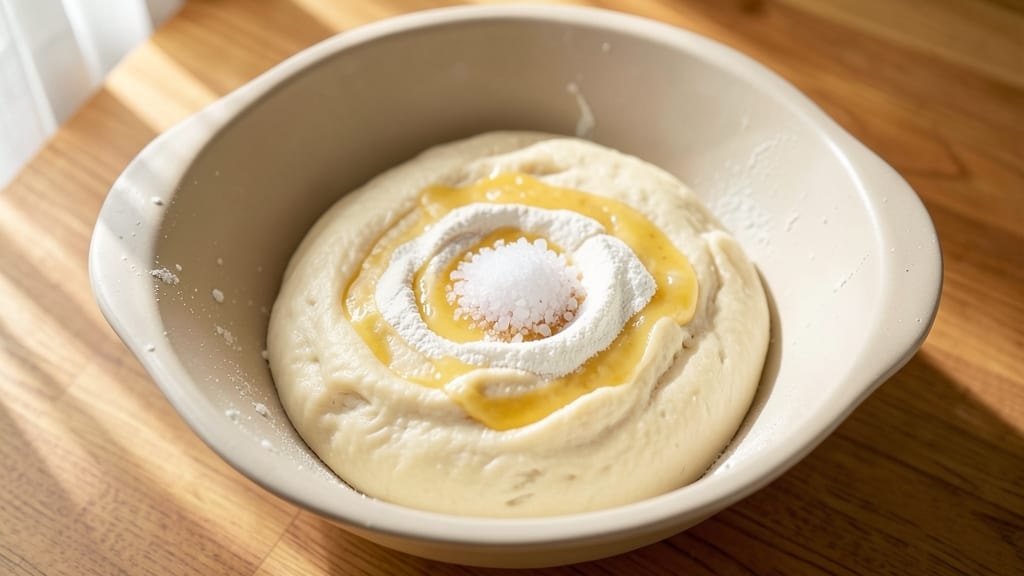
This steam bread recipe delivers the light, airy dumpling perfection that makes every bite feel like a cloud—no heavy dough or dense texture in sight. I perfected this method after years of testing, balancing yeast activation, proper steaming techniques, and precise dough handling to ensure those signature fluffy, pillowy results.
The secret lies in the dough's hydration and the steaming process, which creates that signature tender crumb without sacrificing structure.
What sets this recipe apart is its versatility—whether you're making classic mantou, sweet red bean bao, or savory pork bao, the foundational dough technique remains the same.
With just five simple ingredients and about 90 minutes of hands-on time (plus steaming), you'll achieve restaurant-quality steam bread that's crisp at the edges and melt-in-your-mouth tender inside. The aroma alone will have everyone gathering around your kitchen.
By the time you're done, you'll have perfectly shaped, golden-brown steam bread with an interior so light it practically dissolves on your tongue. The dough's elasticity ensures it holds its shape during steaming, while the steam infuses it with that signature softness.
This is the kind of bread that transforms ordinary meals into something special—whether served as a side, snack, or even a breakfast staple.
Ready to master this technique? The recipe includes step-by-step instructions for dough preparation, shaping, and steaming, along with tips for achieving the perfect texture every time. Let's get started on creating your own batch of cloud-like steam bread.
Ingredients for steam bread
Five essential ingredients transform into twelve cloud-like steam breads—crisp edges, melt-in-your-mouth centers.
| Ingredient | Amount | Notes |
|---|---|---|
| All-Purpose Flour 🌾 | 4 cups | High-protein flour preferred for elasticity |
| Instant Yeast 🍞 | ¼ tsp | Active dry yeast works with 1 tsp warm water |
| Granulated Sugar 🍚 | ½ tsp | Enhances yeast activation |
| Diamond Crystal Kosher Salt 🧂 | ½ tsp | Adjusts flavor balance |
| Unsalted Butter 🧈 | ¼ cup | Cold, cubed for even distribution |
| Warm Water 💧 | 1 ¼ cups | 110°F for optimal yeast activation |
| Vegetable Oil 🫒 | 1 tbsp | For dough bowl coating |
| Cornstarch 🌽 | 1 tbsp | Prevents sticking during shaping |
| Lard or Shortening 🍖 | ½ tbsp | Traditional fat for crisp edges (optional) |
The flour selection is non-negotiable for this recipe. King Arthur or Gold Medal high-protein flour yields the ideal gluten structure, but Bread flour works in a pinch. Yeast quality matters—Saf-Instant from King Arthur activates faster than active dry. Warm water temperature is critical: too hot kills yeast, too cold slows fermentation. Use a thermometer for precision. Butter should be cold and cubed—melting it first creates dense bread. For authenticity, lard or shortening adds signature crispness, though butter suffices for modern palates.
No high-protein flour? All-purpose plus 1 tbsp vital wheat gluten replicates the texture. Short on lard? Extra butter or neutral oil maintains moisture, though edges may lack crispness. Diamond Crystal salt is preferred for its coarse texture, but Morton kosher salt works if measured precisely. Vegetable oil can be swapped for light olive oil, though it imparts subtle flavor. Cornstarch substitutes arrowroot powder at equal measure. For shaping, rice flour dusting prevents sticking as effectively as cornstarch.
Dough peaks at 3-4 days in the fridge, developing deeper flavor. Portion into 1.5-ounce balls for consistent size. Steam in a bamboo basket lined with parchment for even browning. Bread freezes beautifully—6 months when wrapped tightly. Reheat steamed bread in a 350°F oven for 5 minutes to restore freshness. The aroma alone signals perfection—no oversteaming or the texture suffers.
Why You'll Love This Recipe
- No-Knead Magic: I swear by this—just mix the flour, yeast, sugar, and a pinch of kosher salt, then let the steam do the work. No roller, no punching, no stress. That butter? It’s the secret to a tender crumb without overworking the dough.
- Buttery Soft Payoff: The moment you slice into it—warm, pillowy, with that buttery richness from the melted butter—you’ll forget about store-bought. Honestly, I’ve tried fancy brioche, but this holds its own for half the effort.
- Meal Prep MVP: Make a batch on Sunday, and you’ve got breakfast, sandwiches, or toast for days. Slice it, freeze it, reheat it—it’s my go-to for busy mornings. (Yes, even on a Tuesday night.)
- Budget-Friendly Luxury: Five ingredients, zero waste. That kosher salt and sugar? They make it taste like a bakery, not a budget stretch. I’ve fed my whole family for under $5, and they still ask for seconds.
Step-by-step instructions for steam bread
Master the art of creating light, airy steam bread with this precise method.
Activate the Yeast and Mix the Dough
In a large mixing bowl, combine the 4 cups all-purpose flour, 0.25 tsp instant yeast, 0.5 tsp granulated sugar, and 0.5 tsp diamond crystal kosher salt. The yeast and sugar will begin activating immediately, but mixing ensures even distribution throughout the flour.
Cut the 0.25 cup unsalted butter into small cubes and add them to the dry ingredients. Use your fingers or a pastry cutter to work the butter into the flour until the mixture resembles coarse crumbs with pea-sized butter pieces distributed evenly. This step is crucial for creating tender layers in the final bread.
Create a well in the center and pour in the 1.25 cups warm water (around 110°F). Using a wooden spoon or your hands, gradually incorporate the water into the flour mixture until a shaggy dough begins to form. Avoid adding all the water at once—this prevents a gummy dough that's difficult to handle later.
Knead for Optimal Gluten Development
Transfer the dough to a lightly floured surface and begin kneading. Add the 1 tbsp vegetable oil and 0.5 tbsp lard or shortening during the kneading process, working them into the dough for maximum tenderness. Knead for 8-10 minutes until the dough becomes smooth, elastic, and springs back slowly when pressed.
Here's the thing—proper kneading develops gluten, which gives steam bread its signature chewy texture. You'll know it's ready when the dough forms a windowpane: stretch a small piece between your fingers and it should thin to translucent without tearing. If it resists, knead for another minute or two.
Shape the dough into a smooth ball and place it back in the mixing bowl. Lightly coat the bowl with the 1 tbsp cornstarch to prevent sticking, then cover with a damp towel. Let the dough rise in a warm place for 1-1.5 hours or until it doubles in size. This slow fermentation develops deep flavor and proper texture.
Shape and Prepare for Steaming
Punch down the risen dough to release air, then divide it into 12 equal portions (about 2 ounces each). Roll each portion into a smooth ball and arrange them on a floured surface, spacing them about 2 inches apart. This prevents them from touching during steaming, ensuring even cooking.
Use your fingers to gently press down on each ball, creating a slight dimple in the center. This technique helps the bread expand evenly during steaming. Cover the shaped dough with a damp towel and let them rest for 20-30 minutes while you prepare your steaming setup.
For perfect steaming, use a bamboo steamer basket lined with parchment paper or a well-fitted steamer insert. The water level should be below the bottom of the steamer to prevent soggy bread. Bring 2-3 cups of water to a rolling boil in a pot large enough to accommodate your steamer basket.
Steam to Fluffy Perfection
Carefully place the shaped dough balls into the steamer basket, maintaining their spacing. Cover with the lid and steam over boiling water for 12-15 minutes. The bread is ready when it's pale golden on top and sounds hollow when tapped gently with your knuckles.
Here's where precision matters: don't oversteam. The bread will continue cooking slightly from residual heat as it cools. If you steam too long, the texture becomes dense rather than light and airy. Remove the steamer from heat and let the bread cool on a wire rack for 10 minutes before serving.
For best results, serve the steam bread warm. The exterior should be slightly crisp while the interior remains soft and pillowy. This method guarantees 12 perfect dumplings with that signature chewy-yet-light texture that makes them irresistible.
Pro Tips For Making Steam Bread
- Measure Salt Precisely: Diamond Crystal kosher salt is half the volume of table salt—if your recipe calls for 1 teaspoon, use a level teaspoon, not a heaping one. I learned this the hard way when my first batch turned out bland because I eyeballed it.
- Soften Butter Properly: Cold butter creates pockets in steam bread, making it dense. Soften it to room temperature—press a finger into it, and it should dent but not smear. If you’re in a rush, microwave it in 5-second bursts until just soft.
- Don’t Overmix the Dough: Mix the dough just until combined—overworking it develops gluten, which makes steam bread tough instead of tender. Stop when the flour is mostly incorporated, then fold in the butter by hand.
- Steam on High Heat: Start with the steamer at a full boil before adding the bread—this ensures even cooking and a light, airy texture. If the water simmers instead of rolling, your bread will steam unevenly and turn gummy.
Creative variations of steam bread
Sweet Red Bean Bao
Transform your basic steam bread into sweet red bean bao by filling each dumpling with 1 tbsp sweet red bean paste (like Lotus brand) and a pinch of cinnamon. I like to add a tiny dollop of lotus seed paste for extra richness.
Seal the dough gently around the filling, ensuring no gaps—this prevents leaks during steaming. The contrast of the soft, pillowy bread with the creamy, slightly sweet filling is pure magic. 🌟
Savory Pork Bao
For a classic Chinese takeout favorite, stuff each dough ball with 1 tbsp seasoned ground pork (I use char siu pork from the Asian market) mixed with a tiny bit of soy sauce and sesame oil.
Seal tightly and steam as directed. The pork filling stays juicy while the bread maintains its signature texture. Serve with a side of hoisin sauce for dipping. 💛
Sesame Seed Mantou
Create a rustic, no-filling version by brushing the tops of shaped dough balls with a beaten egg wash mixed with 1 tbsp toasted sesame seeds. Steam until golden, then sprinkle with extra sesame seeds for crunch.
These plain mantou are perfect for soaking up soups or pairing with congee. The nutty flavor from the sesame elevates the simple dough. ✨
Matcha Green Tea Bao
For a modern twist, add 1 tbsp matcha powder to the dough mixture during kneading. Shape the dough into balls and steam as usual. The earthy matcha flavor pairs beautifully with the bread's natural sweetness.
Dust the tops with powdered sugar before serving for a delicate contrast. This version works especially well as a dessert or afternoon snack. 🍵
Cheese-Stuffed Bao
Give your bao a Western fusion touch by filling each with 1 tbsp shredded mozzarella and a sprinkle of garlic powder. Seal carefully and steam until the cheese melts slightly inside.
The gooey center creates a delightful surprise with every bite. Add a drizzle of garlic butter after steaming for extra indulgence. 🧀
Spiced Cinnamon Roll Bao
Mix 1 tsp cinnamon and 1 tbsp brown sugar into the dough before shaping. After steaming, brush the tops with a simple glaze of powdered sugar mixed with milk.
These bao have a subtle sweetness throughout, making them perfect for breakfast or dessert. The cinnamon infuses the dough with warmth, creating a cozy flavor profile. 🌶️
Nutrition facts
Frequently asked questions
Why does my steam bread turn out dense instead of light?
Oversteaming is the #1 culprit! Steam bread should cook for 12-15 minutes max—any longer makes it gummy. Also check your yeast: if it's old or the water wasn't 110°F, fermentation weakens. For extra fluff, let the dough rise until it doubles in size and avoid pressing too hard when shaping.
Can I make this recipe without a bamboo steamer?
Use a metal steamer basket in a pot with 2 inches of boiling water below it. Line with parchment paper to prevent sticking. If you're really in a pinch, even a colander over a pot works—just keep the lid on tight to trap steam. The key is maintaining consistent moisture during cooking.
How do I store leftover steam bread?
Cool completely, then store in an airtight container at room temp for 2 days or freeze for 3 months. To reheat, steam for 3-5 minutes or microwave for 10 seconds covered with a damp paper towel. Never refrigerate fresh bread—it dries out quickly.
What's the difference between bao and mantou?
Mantou are plain steam bread with no filling, while bao always contain fillings like pork, red bean paste, or cheese. The dough technique is identical, but bao get their name from the "bao" (包) character meaning "to wrap." For mantou, just skip the filling and add sesame seeds for flavor.