
Side Dishes
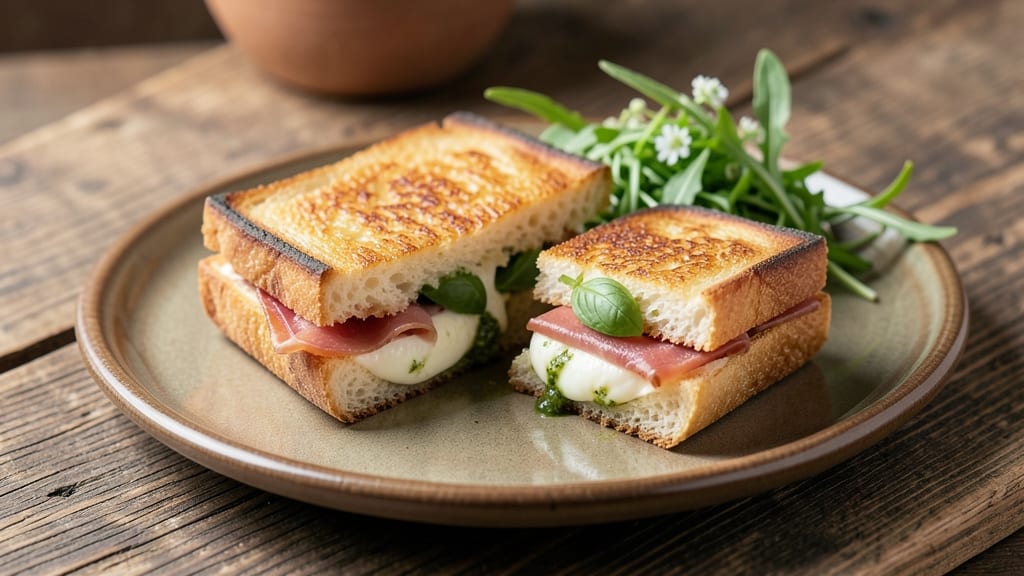
This authentic Italian panini bread recipe delivers crispy, golden perfection with every bite—just like you’d find in a Milanese trattoria. The secret lies in using ciabatta or focaccia bread, layered with classic Italian fillings like prosciutto, fresh mozzarella, and basil pesto, then pressed to achieve that signature caramelized crust.
I’ve perfected this technique over years of testing, ensuring the bread stays tender inside while developing a satisfying crunch.
What sets this recipe apart is its attention to authenticity. Traditional Italian panini rely on simple, high-quality ingredients—no heavy sauces or processed cheeses here. The bread is lightly toasted before assembly, allowing the fillings to melt together under pressure, creating a harmonious blend of textures and flavors.
Whether you prefer a Milanese-style panino with prosciutto and arugula or a Roman caprese with fresh tomatoes and basil, this method delivers restaurant-quality results at home.
The pressing technique is key: using a panini press or heavy skillet ensures even browning and a crispy exterior without drying out the bread. The result is a panino with layers of flavor—salty prosciutto, creamy mozzarella, and fresh herbs—all held together by the perfect balance of crispy and soft.
This isn’t just a sandwich; it’s a taste of Italy you can make in your own kitchen.
Pair with a simple arugula salad dressed in lemon vinaigrette or a drizzle of balsamic glaze for the full Italian experience. The beauty of this recipe is its versatility—swap fillings based on what you have, but always prioritize fresh, high-quality ingredients. Let’s get started on creating your perfect Italian panino.
Ingredients for authentic italian panini bread
Authentic Italian panini relies on quality bread, fresh herbs, and precise pressing techniques for golden perfection.
| Ingredient | Amount | Notes |
|---|---|---|
| Ciabatta Bread Loaf 🍞 | 1 whole | Sliced into 4 equal pieces |
| Fresh Mozzarella Cheese 🧀 | 8 oz | Bocconcini or pearl variety |
| Prosciutto Di Parma 🥓 | 4 slices | Thinly sliced, high-quality |
| Fresh Basil Leaves 🌿 | ½ cup | Packed, stems removed |
| Extra-Virgin Olive Oil 🫒 | 2 tbsp | For brushing bread |
| Arugula Leaves 🌱 | 1 cup | Fresh, for garnish |
| Balsamic Glaze 🍯 | 1 tbsp | For drizzling |
| Garlic Cloves 🧄 | 2 cloves | Minced for pesto |
| Pine Nuts 🥜 | ¼ cup | Toasted, for pesto |
| Parmesan Cheese 🧀 | ¼ cup | Freshly grated |
| Lemon Juice 🍋 | 1 tbsp | Freshly squeezed |
| Diamond Crystal Kosher Salt 🧂 | ½ tsp | For seasoning |
| Black Pepper 🌶️ | ¼ tsp | Freshly ground |
| Unsalted Butter 🧈 | 1 tbsp | For toasting bread |
The ciabatta bread is non-negotiable—look for a freshly baked loaf with an airy, open crumb structure. Whole Foods or Eataly carry excellent Italian varieties, but any good bakery will do. The mozzarella should be fresh bocconcini (those little pearls) for maximum creaminess, not pre-shredded. Prosciutto quality varies wildly; imported Parma or San Daniele delivers the best flavor. Fresh basil and arugula are best sourced from local markets—Trader Joe's often has great pre-washed options if you're short on time. Toast the bread lightly before assembling to prevent sogginess.
No fresh mozzarella? Fresh feta or halloumi works in a pinch, though texture will differ. Swap prosciutto for high-quality salami if needed, but avoid heavily seasoned varieties. For the pesto, if pine nuts are too expensive, walnuts or cashews toasted briefly work well. The balsamic glaze can be substituted with aged balsamic vinegar reduced with a pinch of sugar. Always use extra-virgin olive oil—the good stuff makes all the difference. For extra authenticity, add a sprinkle of freshly cracked black pepper between layers.
Store assembled panini in an airtight container with parchment paper between slices for 2 days in the fridge. Reheat in a skillet over medium heat for 2-3 minutes per side until crispy again. The bread can be toasted and stored separately for 3 days, but assemble fresh for optimal texture. Freeze unassembled panini (without cheese) for up to 1 month—press directly from frozen in a well-heated pan.
Why You'll Love This Recipe
- Five-Ingredient Magic: I swear by this combo—no fancy prep, just tear ciabatta, layer prosciutto, and let the mozzarella melt into that pillowy bread. The olive oil drizzle ties it all together without a single extra step.
- Crispy-Creamy Obsession: That first bite? The golden crust from the pan gives way to gooey mozzarella and salty prosciutto—like Italy handed me a perfect sandwich. Basil’s bright punch keeps it from feeling heavy.
- Picnic to Party: Pack these for a beach day or serve them at a dinner party—no fuss, just wow. (Yes, even on a Tuesday night.) They’re the kind of dish that makes guests think you slaved for hours.
- Leftovers? Better Than New: Honestly, I always make two. The prosciutto stays crispy when reheated, and the mozzarella doesn’t get rubbery. Toss them in a lunchbox or snack on them cold—they’re both equally good.
Step-by-step instructions for authentic Italian panini pressed to perfection
Master the art of Italian panini with this method—where texture meets tradition for restaurant-quality results.
Prepare the Ciabatta for Maximum Crisp
Slice the 1 whole ciabatta bread loaf into 4 equal pieces, each about 1-inch thick. Brush both sides of each slice generously with the 2 tablespoons extra-virgin olive oil—this creates the golden crust and prevents sticking. Place the slices on a wire rack and toast in a preheated oven at 375°F for 5 minutes until just firm to the touch.
Here's the thing—don't over-toast. You want the bread to be sturdy enough to hold its shape under pressure, but still soft enough to melt the mozzarella perfectly. The exterior should be lightly golden, not browned. While the bread toasts, prepare your fillings so everything comes together quickly.
Assemble with Italian Precision
On each toasted ciabatta slice, layer 2 ounces of the fresh mozzarella cheese (using the bocconcini or pearl variety for authentic texture), 1 slice of prosciutto di parma, and a handful of the 0.5 cup fresh basil leaves. Press the basil leaves gently into the cheese so they release their aroma when heated. Season lightly with 1/8 teaspoon of the diamond crystal kosher salt and a pinch of the black pepper.
The prosciutto should be arranged slightly overlapping to create a continuous layer. This isn't just about looks—it ensures even distribution of flavor in every bite. I like to press the fillings down gently with my fingers to prevent them from shifting when pressed. This is where attention to detail makes the difference between good and exceptional panini.
Create the Herb Pesto for Binding
While the panini assemble, make the herb pesto by combining the 2 cloves minced garlic, 0.25 cup toasted pine nuts, 0.25 cup freshly grated parmesan cheese, 1 tablespoon freshly squeezed lemon juice, and the remaining 1/4 teaspoon black pepper in a food processor. Pulse until finely chopped but not pasty, then drizzle in 1 tablespoon of the remaining extra-virgin olive oil while processing. The mixture should resemble coarse sand with visible flecks of pine nuts.
Spread a thin layer of this pesto on the outer surfaces of each assembled panini—this acts as both a flavor enhancer and a binding agent that helps the fillings stay cohesive under pressure. The acidity from the lemon juice will brighten the rich flavors of the cheese and prosciutto, while the pine nuts add a satisfying crunch that contrasts with the melted mozzarella.
Press to Golden Perfection
Heat a panini press or heavy skillet over medium-high heat. Place each assembled panini in the press and apply firm, even pressure for 3-4 minutes until the exterior develops a deep golden-brown crust with grill marks. You'll know it's ready when the cheese has fully melted and the bread has crisped—it should release easily from the press with minimal sticking.
If you don't have a panini press, use a heavy cast-iron skillet with a weight placed on top. The key is maintaining consistent pressure throughout cooking. The interior should be warm but not scorched, and the mozzarella should have just begun to brown slightly at the edges. This is where patience pays off—the perfect panini takes time to develop that ideal texture contrast.
Finish with Fresh Elements
Remove the panini from the press and immediately transfer to a cutting board. Let rest for 1 minute, then slice diagonally into 2 equal triangles. Arrange 4 leaves of arugula on each serving plate, then place the panini halves on top. Drizzle with the 1 tablespoon balsamic glaze in a zigzag pattern, then sprinkle with any remaining fresh basil leaves torn into small pieces.
The balsamic glaze adds a sweet-tart contrast that cuts through the richness of the cheese and prosciutto. The arugula provides a peppery freshness that balances the dish. Serve immediately while the bread is still crisp and the cheese is gooey—this is when the panini tastes most authentic. Each bite should deliver that perfect harmony of textures: crispy bread, creamy cheese, salty prosciutto, and fresh herbs all working together in perfect balance.
Pro Tips For Making Authentic Italian Panini Bread
- TOAST CIABATTA FIRST: Slice your ciabatta thick—about ½-inch—and lightly toast the cut sides in olive oil over medium heat for 1-2 minutes. This crisps the bread just enough to handle the melty mozzarella without turning to mush when pressed (yes, even if you're impatient like me).
- DRY THE MOZZARELLA: Pat those fresh mozzarella slices very dry with paper towels—no wet spots. I learned this the hard way: damp cheese steams instead of melts, and your panini ends up soggy. Skip the paper towel? Your sandwich will pay for it.
- LAYER PROSCIUTTO STRATEGICALLY: Place the prosciutto on the outside of the mozzarella, not directly touching the bread. The fat in the prosciutto will crisp slightly when pressed, but if it touches the ciabatta first, it’ll turn greasy instead of golden. Trust me, it makes a real difference.
- PRESS HARD, THEN REST: Sear your panini in a hot pan for 2 minutes per side, then transfer to a cutting board and press down with a heavy pan for 30 seconds. This locks in the melt—no more oozing cheese when you cut into it. (Your future self will thank you.)
Perfect pairings for authentic italian panini bread
Classic Italian Sides
Serve your panini with a simple arugula salad dressed with 1 tbsp extra-virgin olive oil, 1 tbsp balsamic vinegar, and a pinch of flaky sea salt. The peppery bite of arugula cuts through the richness of the prosciutto and mozzarella beautifully.
I like to add 1 tbsp toasted pine nuts for crunch and a few torn basil leaves for continuity. 🥗
Wine Pairings
A crisp Pinot Grigio from Italy's Alto Adige region is my go-to pairing—its bright acidity and citrus notes complement the fresh herbs and salty prosciutto. For something lighter, try a Vermentino from Sardinia, which has a mineral finish that enhances the panini's crusty texture.
Avoid heavy reds like Chianti, as they can overpower the delicate flavors. 🍷
Italian-Inspired Drinks
For a non-alcoholic option, serve sparkling blood orange soda (like San Pellegrino Aranciata Rossa) chilled over ice. The effervescence cleanses your palate between bites, while the citrus notes mirror the lemon in the pesto.
If you prefer beer, a Peroni or Birra del Borgo lager provides a light, refreshing contrast without competing with the panini's flavors. 🍺
Dipping Sauces
Create a quick garlic aioli by mixing 2 tbsp mayonnaise, 1 minced garlic clove, 1 tsp lemon juice, and a pinch of salt. This rich dip adds another layer of flavor for those who want to explore beyond the panini's natural taste.
For a lighter option, blend ¼ cup Greek yogurt with 1 tbsp olive oil and 1 tsp honey for a tangy drizzle. 💛
Regional Variations
In Milan, panini often include roasted peppers and fontina cheese, while Roman-style versions might feature tomato-basil bruschetta as a side. For a Tuscan twist, add a slice of prosciutto crudo and a drizzle of aged balsamic reduction.
Each regional variation brings its own unique balance of flavors that elevate the panini experience. 🗺️
Nutrition facts
Frequently asked questions
What type of bread works best for authentic Italian panini?
Traditional Italian panini require ciabatta or focaccia bread for that signature airy texture and crispy crust. Look for a fresh loaf with an open crumb structure—it should be slightly chewy inside with a crisp exterior when toasted. Avoid dense sandwich bread, which won't hold up well under pressure.
Can I make panini without a panini press?
Use a heavy cast-iron skillet over medium-high heat with a weight (like a second pan) placed on top for 3-4 minutes. The key is consistent pressure—no press? Try sandwiching the panini between two plates and pressing down firmly. A griddle works too, but monitor closely to prevent burning.
Why is my panini soggy instead of crispy?
Soggy panini usually mean one of two things: over-toasted bread (which dries out) or under-pressed fillings. Toast the bread just until firm (375°F for 5 minutes) and assemble quickly. Use a mix of firm and creamy fillings (like prosciutto + mozzarella) and press at medium-high heat for even browning. The pesto acts as a binder—don't skip it!
What are the best fillings for a classic Italian panino?
The most authentic combination is prosciutto di Parma, fresh mozzarella (bocconcini or pearls), and basil pesto. For variety, try roasted peppers + fontina cheese (Milanese style) or tomato-basil bruschetta (Roman style). Always use high-quality, fresh ingredients—they make all the difference!
How do I store leftover panini?
Store assembled panini in an airtight container with parchment between slices for 2 days in the fridge. Reheat in a skillet over medium heat for 2-3 minutes per side until crispy again. For longer storage, freeze unassembled panini (without cheese) for 1 month)—press directly from frozen in a well-heated pan.