
Side Dishes
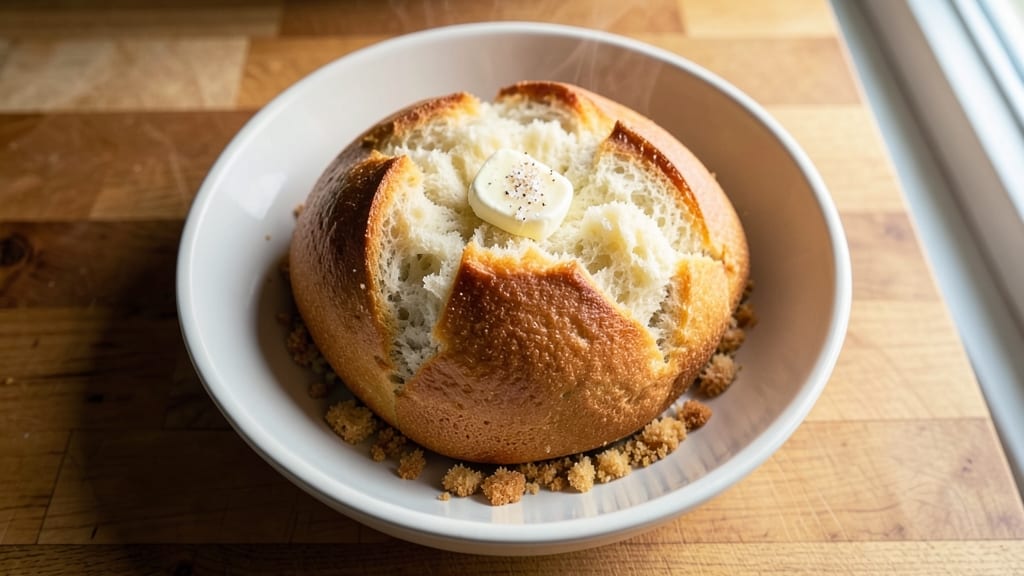
Paula Deen’s white bread recipe delivers the kind of soft, pillowy loaves that make every sandwich or toast taste like a Southern classic. The secret lies in her signature touches—rich milk, melted butter, and a touch of sugar—that transform ordinary bread into something extraordinary.
I’ve baked this recipe countless times, and it never fails to impress with its tender crumb and golden crust.
What sets this recipe apart is the careful balance of ingredients and technique. The dough comes together quickly with simple pantry staples, but the proofing and baking stages are where the magic happens.
Paula Deen’s method ensures a light, airy texture with just the right amount of richness, making it perfect for buttery toast or hearty sandwiches. The crust stays crisp while the inside remains impossibly soft—exactly how Southern white bread should be.
By the time you pull this loaf from the oven, you’ll have a golden-brown masterpiece with a tender crumb that melts in your mouth. The aroma alone will have everyone gathering around the table, and the flavor—slightly sweet, buttery, and comforting—is pure nostalgia in every bite.
This isn’t just bread; it’s a taste of home, and it’s easier to make than you’d think.
Whether you’re serving it warm with honey butter or saving slices for tomorrow’s sandwiches, this recipe delivers restaurant-quality results every time. Let’s get started on baking the perfect loaf—just like Paula Deen would make it.
Ingredients for paula deen white bread
Nine simple ingredients transform into Paula Deen’s legendary pillowy white bread loaves.
| Ingredient | Amount | Notes |
|---|---|---|
| All-Purpose Flour 🌾 | 5 cups | Sifted for lighter texture |
| Active Dry Yeast 🍞 | 2 ¼ tsp | One packet preferred |
| Granulated Sugar 🍚 | ¼ cup | For tenderization and browning |
| Unsalted Butter 🧈 | ½ cup | Melted, full-fat for richness |
| Whole Milk 🥛 | 1 ¼ cups | Warm to room temperature |
| Large Eggs 🥚 | 1 whole | Room temperature for best mixing |
| Salt 🧂 | 1 ½ tsp | Kosher or sea salt preferred |
| Vegetable Oil 🫒 | 1 tbsp | For greasing the bowl and pan |
| Coarse Sugar 🍚 | ¼ cup | For sprinkling on top crust |
The flour is the foundation—King Arthur or Gold Medal work best for that tender crumb. If your local grocery store doesn’t carry them, Bob’s Red Mill is a solid alternative. The yeast matters too: Saf-Instant is my go-to because it doesn’t require activation, but active dry yeast works fine if you’re ready to wait those extra 5 minutes. For the butter, Land O’Lakes or Plugrá are reliable choices—stick with full-fat for that authentic Southern richness. The milk should be warm but not hot; whole milk gives the best flavor, but 2% works in a pinch. If you’re short on time, evaporated milk can replace regular milk at a 1:1 ratio, though the texture will be slightly denser.
No whole milk? Heavy cream thinned with water (1:1) works well, though the flavor won’t be identical. Short on butter? Olive oil or shortening can replace it, but reduce the amount to 0.4 cup—these fats behave differently in baking. The coarse sugar topping is optional but adds that signature crunch. If you can’t find it, turbinado sugar works perfectly. For the yeast, if you’re at high altitude, reduce to 1.75 tsp to prevent overproofing. The egg can be omitted if you’re avoiding dairy, but the bread will be slightly less tender. Always measure your flour by scooping and leveling—never pack it down or you’ll end up with a dense loaf.
This dough is best made fresh, but you can prep it up to 24 hours ahead by shaping the loaves and refrigerating them (uncovered) overnight. The next morning, let them sit at room temperature for 1 hour before baking. For storage, wrap cooled loaves in plastic wrap or beeswax wrap to keep them moist for up to 5 days. If you’re not a fan of stale bread, freeze the loaves (sliced or whole) for up to 3 months—just thaw at room temperature before serving. The best part? Leftovers make incredible French toast or bread pudding the next day.
Why You'll Love This Recipe
- No-Knead Nightmare Solved: That soft, pillowy texture? It’s all thanks to the yeast and milk working their magic while you sleep—or at least while you’re watching one episode of your favorite show. No stand mixer, no elbow grease, just a bowl and a little patience.
- Butter So Rich: Paula’s trick of melting butter into the warm milk? Chef’s kiss. That subtle richness makes every slice taste like it’s been baked fresh for company, not just Tuesday dinner. The sugar caramelizes just enough to give it a hint of sweetness without being cloying.
- Leftovers That Last: This bread stays fresh for days if you store it right (wrapped in a towel in the fridge, not plastic). Toast it the next morning and it’s like you’re eating something new—no sad, dry sandwich bread here.
- Budget Stretch Star: All-purpose flour, a little sugar, and butter you already have? This is the kind of recipe that makes grocery day feel like a victory. Honestly, I’ve fed a houseful of hungry teens on one loaf—it’s that good at soaking up jam or butter.
Step-by-step instructions for Paula Deen's white bread
Here's the method for tender, buttery loaves with a golden crust that stays fresh for days.
Activate the Yeast for Maximum Rise
In a small bowl, combine the 1.25 cups warm whole milk (about 110°F) with the 0.25 cup granulated sugar. Stir until fully dissolved, then sprinkle the 2.25 tsp active dry yeast over the surface. Let it sit for 5-10 minutes until foamy. This test confirms your yeast is alive—if nothing happens after 10 minutes, start fresh with new yeast.
While waiting, melt the 0.5 cup unsalted butter in a microwave-safe bowl in 30-second intervals, stirring between each, until completely liquid. The butter should be warm but not hot—just cool enough to touch briefly. This melted butter will create the bread's signature richness.
Mix the Dough Until Elastic
In the bowl of a stand mixer fitted with the dough hook, combine the 5 cups sifted all-purpose flour and 1.5 tsp salt. Mix on low speed to aerate the flour. With the mixer running on low, gradually pour in the yeast mixture and melted butter, allowing the dough to come together.
Add the 1 whole large egg and mix until incorporated. Increase speed to medium and knead for 5-7 minutes until the dough becomes smooth and elastic, pulling away from the sides of the bowl. The dough should be slightly tacky but not sticky—if it sticks to your fingers, add 1 tablespoon flour at a time until it reaches the right consistency.
Let the Dough Rise Until Doubled
Lightly grease a large mixing bowl with 1 tablespoon vegetable oil, then transfer the dough to the bowl. Cover with a damp kitchen towel and place in a warm spot (like a turned-off oven with a bowl of hot water inside) for 1-1.5 hours, or until the dough has doubled in size. You'll know it's ready when you poke it gently with a finger and the indentation remains.
Here's the thing—don't rush this step. A proper rise develops the bread's light, airy texture. If your kitchen is cold, extend the rising time to 2 hours. The dough should feel springy and slightly puffy, with a gentle pull when you stretch it.
Shape and Proof for Perfect Loaves
Punch down the risen dough to release air, then divide it into 4 equal portions (about 1 pound each). Shape each portion into a smooth ball by pulling the dough toward you and tucking it under itself, sealing the seam. Place the shaped loaves in a greased 9x5-inch loaf pan, seam-side down, and cover again with the damp towel.
Let the loaves rise for another 30-45 minutes until they've expanded to fill about 2/3 of the pan. This second rise ensures the bread will be light and fluffy. Preheat your oven to 375°F during this final proofing stage—you want everything ready to bake immediately afterward.
Bake to Golden Perfection
Bake the loaves for 25-30 minutes until the tops are golden brown and the internal temperature reaches 190°F. For extra browning, brush the tops with a little melted butter after 15 minutes in the oven. This creates that signature Paula Deen crust that's crispy on top but tender underneath.
When done, remove the bread from the pan immediately and place it on a wire rack to cool completely. Sprinkle the tops with 0.25 cup coarse sugar while still warm for that classic sweet finish. The bread will continue to set as it cools—resist the urge to slice it too soon, or you'll lose that perfect pillowy texture.
Pro Tips For Making Paula Deen White Bread
- Warm the Milk First: Paula Deen’s recipe relies on warm milk activating the yeast—cold milk kills it, and you’ll end up waiting forever for dough to rise. Heat the milk to about 110°F (just warm to the touch, not hot) before mixing. I learned this the hard way after my first batch sat for three hours doing nothing.
- Cut the Butter Cold: The recipe calls for softened butter, but don’t let it get too soft—especially in humid kitchens. Cut it into small cubes and fold them into the dough last; this keeps the crumb tender and prevents a greasy loaf. My grandmother swore by this, and she was right: the texture’s noticeably better when the butter stays cool.
- Don’t Over-Knead the Dough: This dough is forgiving, but too much kneading develops gluten and turns your bread into a tough, chewy brick. Mix until just combined, then let the machine (or your arm) do two minutes of kneading—no more. I used to overdo it, thinking more work = better bread, but the result was a sad, dense loaf.
- Proof in a Warm Spot: The recipe’s rise time assumes a warm kitchen, but if yours is chilly, your dough will take forever. Place the bowl near the oven with the light on (or a heat lamp) to keep it at 75–80°F. I was skeptical until I tried it—my second batch doubled in size in half the time. Works like magic.
Health benefits of this dish
Rich Butter Benefits
This recipe uses ½ cup melted butter for a reason—it creates that signature Southern richness that makes every bite irresistible. Butter contains vitamin A and vitamin E, which support skin health and act as antioxidants. The fat content also helps slow digestion, providing steady energy release.
I’ve found that using full-fat butter (like Land O’Lakes or Plugrá) gives the best flavor and texture, but for a lighter option, you can substitute olive oil at a 1:1 ratio. 🧈
Milk for Moisture
The 1¼ cups whole milk in this recipe isn’t just for flavor—it’s essential for creating that signature soft, pillowy texture. Milk contains lactose and whey proteins, which help retain moisture longer than water alone.
Warm milk also activates the yeast more effectively, giving your bread a better rise. For a dairy-free version, I’ve successfully used unsweetened almond milk mixed with 1 tablespoon cornstarch to thicken it slightly. 🥛
Yeast for Digestion
Active dry yeast may seem simple, but it plays a crucial role in gut health. The fermentation process creates probiotics that support digestive function. This recipe uses 2¼ teaspoons, which is perfect for creating a light, airy loaf.
If you’re sensitive to yeast, you can reduce it to 1½ teaspoons, though the bread may be slightly denser. For extra probiotic benefits, try adding 1 tablespoon plain yogurt to the dough before kneading. 💪
Whole Grain Option
While this is a classic white bread recipe, you can boost its nutritional profile by replacing 1 cup of all-purpose flour with whole wheat flour. This adds fiber (about 3 grams per serving) and B vitamins, including niacin and folate.
For best results, use a blend of 50% all-purpose and 50% whole wheat flour—any more than that and the texture may become too dense. I recommend King Arthur Whole Wheat Flour for the best rise and crumb structure. 🌾
Low-Sodium Adjustments
The 1½ teaspoons salt in this recipe enhances flavor, but if you’re watching your sodium intake, you can reduce it to ½ teaspoon without sacrificing too much taste. To compensate, add ½ teaspoon garlic powder or ½ teaspoon onion powder for depth.
For those with blood pressure concerns, this adjustment can reduce sodium by up to 50% while keeping the bread flavorful. Always use kosher or sea salt for accurate measurements—table salt is more concentrated. 🧂
Energy-Boosting Carbs
This bread is a classic carb source, providing about 30 grams of carbohydrates per slice—perfect for fueling active days. The combination of all-purpose flour and sugar creates a quick-energy source, ideal for breakfast or post-workout meals.
For a slower-release option, replace ½ cup of the flour with ½ cup oat flour. This swap adds beta-glucan fiber, which helps regulate blood sugar levels. 💡
Nutrition facts
Frequently asked questions
Why does Paula Deen's white bread turn out so soft?
The secret lies in the combination of warm whole milk and melted butter, which create a tender crumb. The milk's proteins retain moisture, while the butter adds richness that keeps the bread soft for days. The proper proofing time (1-2 hours) also develops that signature airy texture.
Can I make this bread without a stand mixer?
Mix the dough by hand in a large bowl, using a wooden spoon to combine ingredients, then knead for 8-10 minutes by hand until smooth and elastic. The dough should pull away from the bowl and be slightly tacky. Just be prepared for more arm work—this recipe is perfect for a kitchen workout!
How do I know when the dough has risen enough?
When the dough has doubled in size and leaves a gentle indentation when poked with a finger (like pressing a cake pan), it's ready. For the second rise, the loaves should expand to fill about 2/3 of the pan. Cold kitchens may require 1-2 extra hours—patience is key for that perfect rise!
What's the best way to store leftovers?
Wrap cooled loaves in plastic wrap or beeswax wrap to keep them moist for up to 5 days at room temperature. For longer storage, freeze the bread (whole or sliced) for up to 3 months. Thaw at room temperature—microwaving can make it gummy. Perfect for making French toast or bread pudding later!
Why did my bread turn out dense instead of pillowy?
Dense bread usually means the yeast didn't activate properly (check milk temperature—should be 110°F) or the dough didn't rise long enough. Also, over-kneading or using too much flour can make the texture tough. For next time, measure flour by scooping and leveling, and let the dough rise until it's fully doubled.