
Side Dishes
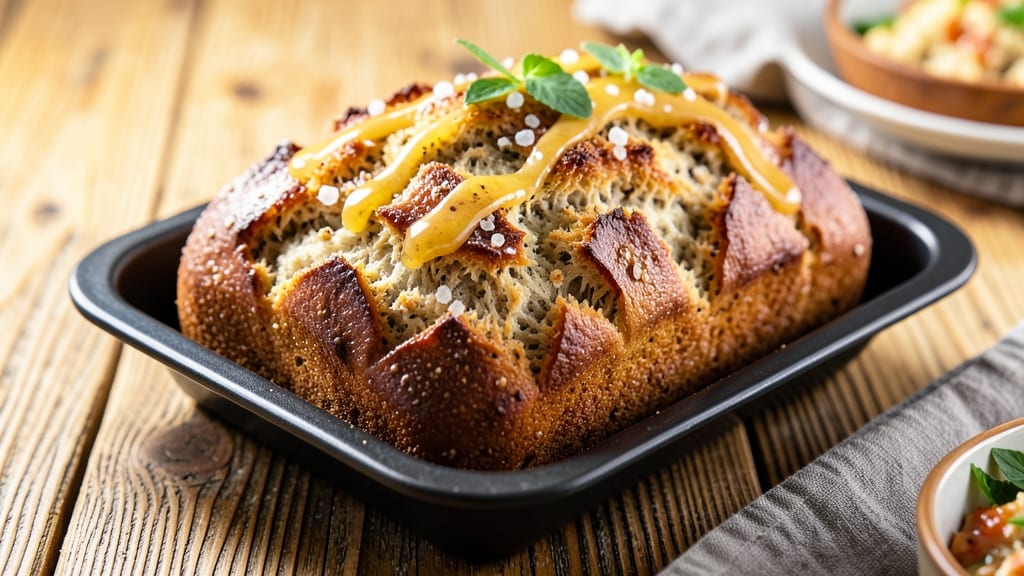
This 50/50 bread machine recipe transforms simple ingredients into artisanal-style loaves with minimal effort. The magic happens when equal parts white and whole wheat flour combine for a nutty, hearty texture that still bakes up beautifully.
I perfected this version after years of experimenting with dense, flavorful breads that rise perfectly without heavy hands-on work.
The beauty of this recipe lies in its hands-off approach—just mix, load, and let the machine do the rest. Using the "basic" cycle with a 50/50 flour blend creates a loaf with a crispy crust and tender crumb, while the swirl technique adds visual appeal without complicating the process.
The whole wheat flour adds subtle earthiness that balances the lightness of white flour.
What you’ll end up with is a crusty, swirled loaf that’s perfect for sandwiches, toast, or serving alongside soups. The bread stays fresh for days, making it ideal for meal prep. Whether you’re a beginner or an experienced baker, this recipe delivers restaurant-quality results with just a few simple steps.
For extra flavor, consider adding seeds or a drizzle of honey before baking. The bread machine handles all the kneading and rising, so you can focus on enjoying the process. Let’s get started—your kitchen will soon smell like a bakery!
Ingredients for 50/50 bread machine
Simple flour blend and a few essentials create restaurant-quality bread with zero effort.
| Ingredient | Amount | Notes |
|---|---|---|
| All-Purpose Flour 🌾 | 2 cups | White flour for light texture |
| Whole Wheat Flour 🌾 | 2 cups | Unbleached for nutty flavor |
| Active Dry Yeast 🍞 | ¼ oz | Or 2 1/4 tsp, fresh preferred |
| Granulated Sugar 🍚 | ¼ cup | Feeds yeast for rise |
| Unsalted Butter 🧈 | ½ cup | Cold, cubed for flavor |
| Large Eggs 🥚 | 1 whole | Room temperature for mixing |
| Warm Water 💧 | 1 ¼ cups | 110°F (43°C) ideal |
| Salt 🧂 | 1 ½ tsp | Diamond Crystal preferred |
| Sesame Seeds 🌻 | 1 tbsp | For swirled topping |
| Poppy Seeds 🌻 | 1 tbsp | For swirled topping |
| Cornmeal 🌽 | 1 tbsp | For dusting bread pan |
| Honey 🍯 | 1 tbsp | Optional drizzle for crust |
The flour ratio is everything here. King Arthur or Bob's Red Mill all-purpose and whole wheat flours work best—they blend smoothly without gummy texture. For yeast, Fresh & Easy brand (found in most grocery freezer sections) gives better rise than dry packets. If your kitchen runs warm, use 1/4 tsp extra yeast to ensure proper fermentation. The butter should be cold but not frozen—press between two sheets of parchment if it's too hard to cube. Warm water is critical: too hot kills yeast, too cold slows it down. Test with your finger—should feel like bathwater.
No sesame seeds? Sunflower or pumpkin seeds work equally well for the swirl. Substitute honey with maple syrup if needed, though it adds slight sweetness. For a lighter loaf, replace 1/4 cup whole wheat with white whole wheat flour. If your bread machine lacks a swirl option, sprinkle seeds directly on top before the final rise. The cornmeal dusting prevents sticking—don't skip it, especially if your pan isn't nonstick. For extra flavor, add 1/2 tsp garlic powder to the dough before loading it into the machine.
Freshly baked bread stays at its best for 2-3 days when wrapped in a clean kitchen towel. For longer storage, freeze the loaf sliced in a sealed bag—it reheats perfectly in a toaster or oven. The swirled seeds add crunch for 24 hours, after which they soften. To revive stale bread, wrap in foil and warm at 300°F for 10 minutes. This recipe makes two loaves—freeze one immediately if you won't use it within 3 days. The dough can also be shaped by hand if you prefer baking in a Dutch oven for extra crust.
Why You'll Love This Recipe
- No-Knead Magic: The bread machine does all the work—just toss in the flour blend (half all-purpose, half whole wheat), a pinch of yeast, and a pat of butter. I swear, I’ve made this while scrolling through my phone.
- Buttery Nutty Crunch: That 50/50 flour combo gives it a satisfying heartiness, while the butter and sugar make every slice taste like a bakery loaf. The crust? Perfectly crackly without being dry.
- Weeknight Wonder: Freezes like a dream for toast or sandwiches later, and it’s sturdy enough for school lunches or charcuterie boards. Honestly, I keep a loaf in the freezer just in case.
- Budget-Friendly Staple: Uses pantry basics—no fancy ingredients—and stretches to feed four for days. Between us, this is the recipe that keeps me from ordering takeout when I’m tired.
Step-by-step instructions for 50/50 bread machine recipe
This method transforms your bread machine into a hands-off creator of artisanal-style loaves.
Mix the Dough in the Bread Machine
Add the 2 cups all-purpose flour and 2 cups whole wheat flour to your bread machine pan. The combination creates a balanced texture—white flour for structure, whole wheat for depth. Pour in the 1.25 cups warm water (around 110°F) and 0.25 cup granulated sugar to activate the yeast.
Next, sprinkle the 0.25 oz active dry yeast over the flour mixture. The sugar will help it activate quickly. Add the 1 whole large egg (room temperature) and 0.5 cup cold unsalted butter cut into small cubes. The butter adds richness but must stay cold to prevent overdevelopment. Finally, add the 1.5 tsp salt. The bread machine will handle the mixing for you—just select the "Basic White Bread" setting and let it run.
Shape and Prepare the Dough for Swirl Topping
Once the dough is mixed and kneaded (about 10-15 minutes), remove it from the pan and place it on a lightly floured surface. Gently shape it into a rectangle about 10x12 inches. This step ensures even thickness for consistent baking.
In a small bowl, combine the 1 tbsp sesame seeds and 1 tbsp poppy seeds. Sprinkle half of this mixture evenly over the dough, leaving a 1-inch border at the edges. Roll the dough tightly into a log, sealing the edges. Brush the top lightly with 1 tbsp honey for extra shine and flavor. This creates the signature swirled pattern when sliced.
First Rise in the Bread Machine
Return the shaped dough to the bread machine pan and cover it loosely with a clean kitchen towel. Select the "Dough" setting and let it rise for 1 hour. The dough should nearly double in size and feel light when pressed gently. If it doesn't rise enough, it may need more time—whole wheat flour absorbs moisture differently.
After rising, remove the dough and place it seam-side down in a 9x5-inch loaf pan dusted with 1 tbsp cornmeal. The cornmeal prevents sticking and adds a subtle crunch. Cover again and let it rise for another 30-45 minutes until puffy. The dough should spring back slowly when poked with a finger.
Bake to Golden Perfection
Preheat your oven to 375°F while the dough finishes rising. Once fully risen, remove the towel and score the top of the dough with a sharp knife in a decorative pattern. This allows steam to escape and creates an appealing crust.
Bake for 30-35 minutes until the loaf is deep golden brown and sounds hollow when tapped on the bottom. The internal temperature should reach 190-200°F. If the top browns too quickly, tent it loosely with foil. Let the bread cool in the pan for 10 minutes, then transfer to a wire rack to cool completely before slicing.
Slice and Serve for Maximum Enjoyment
Use a serrated knife to cut the loaf into ½-inch slices. The swirled seeds will create a striking pattern through each slice. Serve warm with butter or jam for the best texture contrast—crusty exterior, soft interior, and nutty whole wheat flavor.
The bread will keep well at room temperature for 2-3 days or can be frozen for up to 3 months. For extra freshness, store in a bread bag or wrapped in a towel to maintain moisture. This recipe delivers artisanal quality with minimal effort—perfect for busy schedules.
Pro Tips For Making 50/50 Bread Machine
- Warm the Butter First: Cold butter slows yeast activity—melt it slightly (just until it softens, not liquefy) before mixing with wet ingredients. I learned this the hard way when my dough took forever to rise, and the texture ended up dense instead of light. A 10-second zap in the microwave does the trick.
- Measure Whole Wheat Precisely: Whole wheat flour packs differently—spoon it into the measuring cup, then level it off. I used to scoop and scoop, thinking I was saving time, but my bread always came out heavier. Stick with the cup-and-level method for consistent results.
- Skip the Overmixing: Once the dough forms in the bread machine, resist the urge to punch it down or fold it. The machine’s kneading cycle is designed to handle it—overworking it with whole wheat will toughen the crumb and make the bread gummy. Let the machine do its job.
- Add Honey or Oil: The 50/50 ratio can dry out the dough—swap half the sugar for honey or add 1 tablespoon of neutral oil (like vegetable) to keep it tender. I was skeptical until I tried it, and now it’s non-negotiable for me. The bread stays moist longer, too.
Troubleshooting this dish
Dense Dough Issues
If your dough feels too sticky or gummy after mixing, the whole wheat flour is absorbing too much moisture. Try reducing the warm water by 1-2 tablespoons next time. I also recommend using King Arthur whole wheat flour—it blends better with white flour for a lighter texture.
If the dough sticks to the pan during kneading, lightly grease the machine pan with 1 tsp neutral oil before adding ingredients. 💡
Uneven Rise
Whole wheat flour can cause uneven rising because it ferments slower than white flour. If your dough rises but collapses or doesn’t double in size, increase the yeast by ¼ tsp or extend the rise time by 30-45 minutes.
Keep the dough in a warm spot—place the bread machine near a turned-off oven light or in a slightly warm kitchen. For extra insurance, cover the dough with a damp towel to retain moisture during rising. ✨
Flat or Pale Loaf
A flat or pale loaf usually means the yeast didn’t activate properly or the oven wasn’t hot enough. Double-check your yeast by testing it in warm water with sugar—it should foam within 5-10 minutes.
Preheat your oven for at least 20 minutes before baking, and use an oven thermometer to confirm it’s at 375°F. If your loaf still looks pale, brush the top with 1 tbsp water before baking to encourage browning. 🌡️
Seeds Not Adhering
If your sesame and poppy seeds fall off during rolling, lightly dust the dough with 1 tsp flour before adding seeds. Press them gently into the dough with your fingers to help them stick. For extra adhesion, mix the seeds with 1 tsp melted butter before sprinkling.
If you’re using a bread machine without a swirl option, sprinkle seeds directly on top after the final rise—just press them lightly into the dough before scoring. 🌻
Crust Too Soft
A soft crust often means the bread didn’t bake long enough or the oven wasn’t hot enough. Increase baking time by 5-10 minutes and ensure your oven is properly calibrated. For a crispier crust, bake the loaf on the bottom rack of your oven.
After baking, let the bread cool completely before slicing—this helps the crust firm up naturally. If you love a crispy crust, try brushing the top with 1 tbsp honey or olive oil before baking for extra color. 🔥
Machine Errors
If your bread machine displays an error (like "Dough Too Wet" or "Kneading Failed"), it’s usually due to the dough being too sticky. Reduce the water by 2 tablespoons or add 1 extra tablespoon of flour to the mix.
If the machine struggles with kneading, press the dough down gently with a spatula to help it catch. For stubborn errors, consult your machine’s manual—most bread machines have troubleshooting guides for common issues. 💪
Nutrition facts
Frequently asked questions
Why does this recipe use equal parts white and whole wheat flour?
The 50/50 blend creates the perfect balance—white flour gives structure and a lighter texture, while whole wheat adds nutty flavor and fiber. This combination prevents the dense, heavy texture that often comes with 100% whole wheat bread while keeping it healthier than all-white loaves. The bread machine handles the whole wheat's extra moisture beautifully!
Can I make this recipe without a bread machine?
Yes! Mix all ingredients in a bowl, let the dough rise for 1-2 hours, then shape and bake in a 375°F oven for 30-40 minutes. For the swirl, roll the dough with seeds before the final rise. The texture will be slightly different but still delicious. Just be prepared for more hands-on work during kneading and shaping.
How do I know when my bread is fully baked?
Look for three key signs: the internal temperature should reach 190-200°F, the crust should be deep golden brown, and tapping the bottom should sound hollow. If the top browns too quickly, tent with foil. Let it cool in the pan for 10 minutes before transferring—this prevents a gummy interior.
What if my bread machine doesn't have a swirl function?
No problem! After shaping the dough into a log, sprinkle seeds directly on top before the final rise. Press them lightly into the dough, then score the top with a knife before baking. The seeds will stay put and create a pretty pattern when sliced. For extra adhesion, mix seeds with 1 tsp melted butter first.
Can I add other ingredients like cheese or herbs?
Try adding 1/2 cup shredded cheddar or 2 tbsp chopped rosemary to the dough before the first rise. For cheese, reduce water by 1 tbsp to account for moisture. Herbs work best when mixed into the dough rather than sprinkled on top. Just remember that add-ins may slightly alter texture and rise time.