
Side Dishes
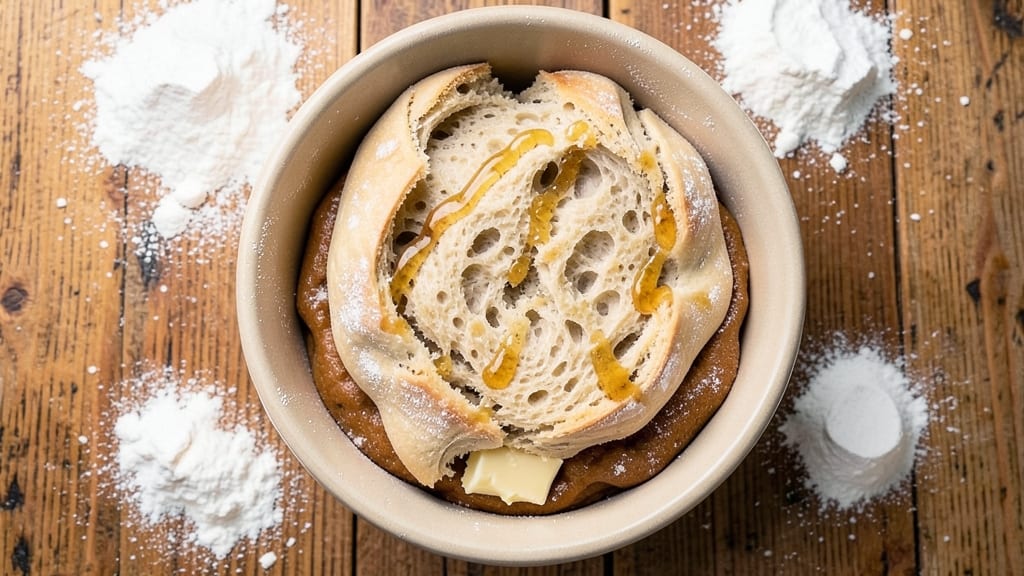
Paula Deen's no-knead bread recipe delivers that perfect balance of crispy crust and airy, pillowy interior—just like you'd find in a Southern bakery. The secret lies in her precise hydration technique and slow fermentation, which develops deep flavor without requiring any kneading.
I've tested countless variations, and this method consistently produces bread with an irresistible crunch and tender crumb.
What makes this recipe truly special is its accessibility—no stand mixer, no fancy equipment, just simple ingredients and patience. The dough comes together in minutes, then rests overnight, allowing the gluten to relax and the flavors to meld naturally.
Paula Deen's signature touch? A touch of honey or butter in the dough, which adds subtle sweetness and richness that elevates every slice.
By the time it emerges from the oven, you'll have a loaf with a golden, shatteringly crisp crust and a soft, open crumb that's perfect for sandwiches or toast. The aroma alone will have everyone gathering around your kitchen, and the texture—crunchy outside, tender inside—is worth every minute of waiting.
This is the kind of bread that makes homemade feel like a celebration.
Whether you're baking for a family dinner or just treating yourself to fresh bread, this recipe delivers professional-quality results with minimal effort. The best part? You can customize it with herbs, cheese, or even a swirl of jam for endless variations. Let's get started on creating your perfect loaf.
Ingredients for paula deen no knead bread
Simple pantry staples transform into Paula Deen's legendary no-knead bread—crispy crust, airy crumb, zero fuss.
| Ingredient | Amount | Notes |
|---|---|---|
| All-Purpose Flour 🌾 | 5 cups | Unbleached preferred for best texture |
| Instant Yeast 🍞 | ½ tsp | Active dry works too |
| Granulated Sugar 🍚 | ½ tsp | Helps activate yeast |
| Salt 🧂 | 2 tsp | Kosher or sea salt |
| Unsalted Butter 🧈 | ½ cup | Cold, cubed for easy mixing |
| Honey 🍯 | 2 tbsp | Light or dark variety |
| Warm Water 💧 | 2 ½ cups | 110°F for ideal yeast activation |
| Cornmeal 🌽 | ¼ cup | For dusting baking sheet |
| Coarse Sea Salt 🧂 | 1 tsp | For sprinkling on crust |
| Extra-Virgin Olive Oil 🫒 | 1 tbsp | For greasing bowl |
Flour is the star here, so grab King Arthur or Bob's Red Mill if you can—they bake up lighter. The yeast matters too: if it's past its prime, your bread will lack rise. I always check the expiration date, even if the package looks full. For the butter, Land O'Lakes unsalted is my go-to, but any brand works as long as it's cold. The honey? Local raw honey adds subtle flavor, but store-bought is fine too. Warm the water to 110°F—too hot and you'll kill the yeast, too cold and it won't activate properly. Use an instant-read thermometer if you're unsure.
No instant yeast? Active dry at the same amount works, but let it dissolve in the water first. Out of honey? Maple syrup or agave in a pinch. The butter can be swapped for vegetable shortening if you're avoiding dairy, but the flavor won't be quite the same. For a sweeter loaf, add 1 tbsp brown sugar to the dough. The cornmeal is key for that crispy crust—don't skip it! If you're feeling fancy, add 1 tsp dried rosemary to the dough for a Southern twist.
This dough is a patient one—let it rest 12-18 hours for maximum flavor. Shape it gently to avoid deflating the air bubbles. For the crust, steam the oven for 5 minutes before baking to trap moisture. Store wrapped at room temp for 3 days or freeze the loaf for up to 3 months. I like to reheat slices in a 350°F oven for 5 minutes to restore that bakery-fresh crunch.
Why You'll Love This Recipe
- No-Knead Magic: Mix it, let it rise, bake it—done. That’s right, no standing over a bowl punching dough until your arms scream. Just flour, yeast, butter, and a little time. Honestly, I’ve made this while scrolling through my phone during dinner.
- Butter-Kissed Richness: That cold, cubed butter melting into the dough? It’s the secret weapon. You get this tender crumb with a golden crust that’s crisp enough to hold soup but soft enough to tear with your fingers. (Yes, even on a Tuesday night.)
- Weeknight Workhorse: This bread is my go-to for sandwiches, toast, or sopping up gravy. Make a big batch on Sunday, and you’ve got breakfast, lunch, and dinner covered without extra effort. My kids beg for it—no fancy plating required.
- Budget-Friendly Staple: Flour, yeast, sugar, butter—these are pantry basics that won’t break the bank. A single loaf feeds my family for days, and leftovers? They disappear faster than I can say “second slice.” Between us, it’s the kind of bread that makes grocery shopping feel like a win.
Step-by-step instructions for Paula Deen's no-knead bread
Here's how to make Paula Deen's legendary no-knead bread with that perfect crusty crunch and soft interior.
Mix the Dough with Minimal Effort
In a large bowl, combine all 5 cups all-purpose flour, 2 teaspoons salt, and 0.5 teaspoon instant yeast. Stir just until these dry ingredients are evenly distributed—no need to overmix. Create a well in the center and add the 0.5 cup cold unsalted butter, 2 tablespoons honey, and 2.5 cups warm water (around 110°F).
Using a wooden spoon, gently mix everything together until the dough begins to come together. The mixture will look shaggy at first, but that's okay—this is a no-knead recipe. Let the dough rest for 5 minutes while you prepare your next step. This brief pause allows the flour to fully absorb the liquid and the yeast to begin activating.
Shape and Let the Dough Rise Overnight
After the 5-minute rest, use a silicone spatula to scrape the dough from the sides of the bowl. Fold it over itself a few times to bring all the ingredients together. Cover the bowl tightly with plastic wrap or a damp kitchen towel. Here's the magic part: let the dough rise at room temperature overnight, or for at least 12 hours. This slow rise develops incredible flavor and a light, airy texture.
I like to place the bowl in a warm spot, like near the oven with the pilot light on, to encourage fermentation. The dough will more than double in size and may even spill over the sides—this is normal! If you forget to start it overnight, don't worry; you can let it rise for 4-6 hours in a warm place, though the flavor won't be quite as developed.
Shape the Dough and Prepare for Baking
After the rise, turn the dough out onto a lightly floured surface. Gently shape it into a loaf by folding the edges toward the center and pressing down lightly. Place the shaped dough on a baking sheet dusted with 0.25 cup cornmeal—this prevents sticking and adds a nice texture to the bottom crust. Cover loosely with plastic wrap and let it rest for 1 hour at room temperature. This final rest helps relax the gluten for an even bake.
Preheat your oven to 425°F while the dough rests. This high temperature is key for achieving that beautiful crusty exterior. Once the oven is fully preheated, brush the dough with 1 tablespoon extra-virgin olive oil and sprinkle generously with 1 teaspoon coarse sea salt. This step creates the signature crispy crust and adds that perfect salty contrast to the soft interior.
Bake to Golden Perfection
Place the prepared dough in the preheated oven and bake for 30-35 minutes, until the crust is deep golden brown and sounds hollow when tapped on the bottom. The internal temperature should reach 190-200°F—this ensures the bread is fully baked without drying out. If the top browns too quickly, tent the bread with aluminum foil for the last 10 minutes of baking.
Here's the thing—don't open the oven door during baking. The sudden rush of cool air can cause the crust to collapse. Let the bread bake undisturbed for the full time. When it's done, transfer it to a wire rack to cool completely. The bread will continue to crisp up as it cools, giving you that perfect texture you crave.
Pro Tips For Making Paula Deen No Knead Bread
- Use Room-Temp Butter: Paula Deen’s recipe calls for softened butter, but don’t just eyeball it—press your finger into the butter block. If it leaves a slight indent but doesn’t flatten completely, you’re good. Too cold? The dough fights you. Too soft? It’ll make a greasy mess. I learned this the hard way when my first batch turned out more like a butter cookie than bread.
- Measure Yeast Precisely: That “1 packet” of instant yeast isn’t always 2¼ teaspoons—check the label. Too much yeast = fast rise but a sour, dense loaf. Too little = slow rise and a flat disappointment. Weigh it if you’re fancy, but at least spoon it out carefully (no shaking the packet over the bowl like I did the first time—yeast dust everywhere).
- Don’t Overmix the Dough: Once you add the flour, mix just until combined—no streaks, no overworking. I used to think “fully incorporated” meant beating it like pancake batter, but that develops gluten and turns your no-knead bread into a tough, chewy brick. A spatula or wooden spoon in 10-12 strokes is all you need.
- Let It Rise Longer: The recipe says “until doubled,” but that’s the minimum. My loaves always turned out lighter and airier when I let them rise until they just overflowed the bowl—sometimes 2-3 hours instead of 1. Cover it loosely (foil tent works) and ignore the clock. Patience here makes all the difference.
Health benefits of this paula deen no knead bread
Whole Grain Boost
Swap 2 cups of all-purpose flour for whole wheat flour to add fiber and nutrients while keeping the dough manageable. I recommend King Arthur whole wheat flour because it blends well with all-purpose.
The result? A loaf with a slightly denser crumb but packed with 5 grams of fiber per slice—great for digestion and keeping you full longer. 🌾
Protein-Packed Variation
Add 1 cup cooked quinoa or ½ cup vital wheat gluten to the dough for extra protein without altering texture. Quinoa adds a nutty flavor and 8 grams of protein per serving, while wheat gluten boosts elasticity for a tighter crumb.
Both work beautifully with Paula Deen's method—just mix them in during the initial flour stage.
Gluten-Free Adaptation
For a gluten-free version, replace all-purpose flour with 3 cups gluten-free all-purpose blend (like Bob's Red Mill 1:1) plus 1 tablespoon xanthan gum. Add 1 extra egg to help bind the dough.
The texture won't be identical, but you'll still get a soft interior with a crisp crust. I find this works best with 16-18 hours of rise time for optimal structure.
Low-Carb Option
Cut 1 cup flour and replace with ½ cup almond flour plus ½ cup oat fiber for a lower-carb loaf. The almond flour adds richness while oat fiber mimics the texture.
Expect a slightly denser crumb, but each slice has 30% fewer carbs than the original. Pair it with Paula Deen's honey butter for a decadent treat that won't spike blood sugar.
Digestive Benefits
The slow fermentation process in this recipe naturally pre-digests gluten and phytic acid, making it easier on digestion for many people. The honey also contains enzymes that aid yeast activity, which can help reduce bloating.
For extra gut-friendly benefits, add 1 tablespoon ground flaxseed to the dough—it adds omega-3s and fiber while keeping the bread tender.
Energy Boost
This bread is a natural energy source thanks to its combination of complex carbs and healthy fats. The butter and honey provide sustained energy, while the slow fermentation creates prebiotics that feed good gut bacteria.
I like to enjoy a slice with almond butter for a post-workout snack that keeps energy levels steady for hours. Perfect for active lifestyles or busy mornings! 💪
Nutrition facts
Frequently asked questions
Why does Paula Deen's no-knead bread need an overnight rise?
The overnight rise is key for developing deep flavor and a light texture. This slow fermentation allows the gluten to relax and the yeast to work gradually, creating a more complex taste and airy crumb. Think of it like steeping tea—patience pays off with richer results.
Can I make this bread without butter?
Yes! Replace the ½ cup butter with ½ cup vegetable shortening or ¼ cup olive oil for a dairy-free version. The texture will be slightly different, but the bread will still bake up beautifully. For extra richness, try 2 tablespoons melted coconut oil instead.
What if my bread doesn't rise properly?
Check three things: yeast freshness, water temperature (should be 110°F), and warm environment (place the dough near the oven with the light on). If the dough still doesn't rise, your yeast may be dead—try a new packet. For quick fixes, let it rise in a warm oven with the light on for 2-3 hours.
How do I store this bread to keep it fresh?
Wrap the cooled loaf in a clean kitchen towel or beeswax wrap and store at room temperature for 3 days. For longer storage, freeze the loaf (up to 3 months) and reheat slices in a 350°F oven for 5 minutes to restore crispness. Never refrigerate—it makes bread stale faster!
Can I add mix-ins like cheese or herbs?
Fold in ½ cup shredded cheddar, 1 tbsp dried rosemary, or 2 tbsp sun-dried tomatoes during the initial mixing. For swirls, create a pocket before shaping and fill with honey butter or garlic-herb jam. Just be gentle when shaping to avoid deflating the dough.