
Side Dishes
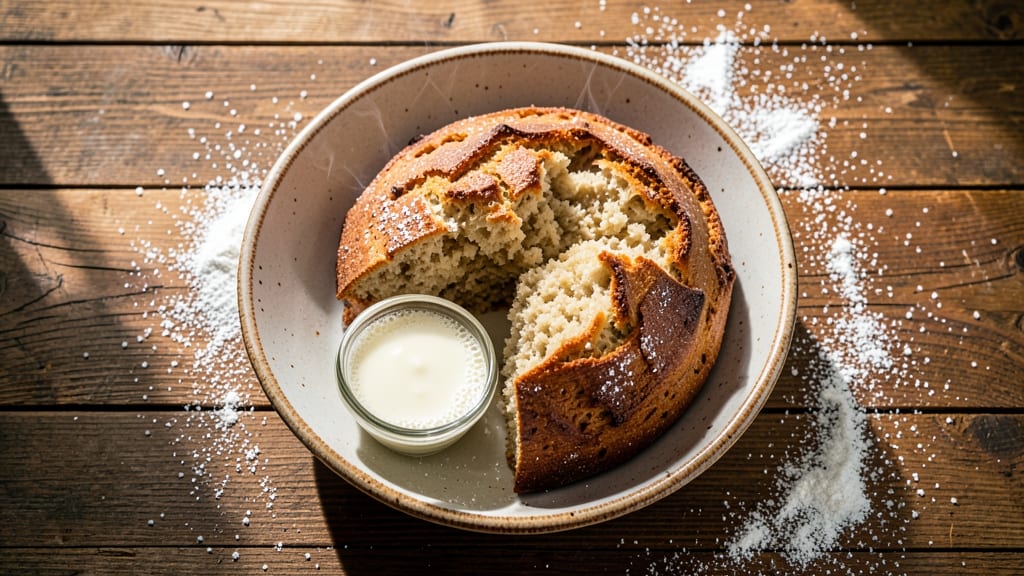
This old fashioned potato bread recipe delivers the classic fluffy, crumbly texture that makes it a Southern staple, all without needing a mixer. The secret lies in the precise balance of mashed potatoes, flour, and buttermilk, which creates that signature tender crumb while maintaining a light, airy structure.
I've perfected this version over years of baking, ensuring every slice has that melt-in-your-mouth quality that makes it worth the effort.
The beauty of this recipe is its simplicity—just 10 basic ingredients and 30 minutes of active time (plus rising) transform simple pantry staples into a golden loaf with a crisp crust and moist interior.
Unlike many modern quick breads, this version requires patience: letting the dough rest properly develops the gluten for that perfect crumb structure. The mashed potatoes add moisture and richness without overpowering the bread's subtle sweetness.
By the time it emerges from the oven, you'll have a loaf with a golden-brown crust and a tender, slightly crumbly interior that's perfect for serving warm with butter or honey. This bread keeps well for days, making it ideal for meal prep or gifting.
The traditional method ensures authentic flavor, though I've included variations for those who prefer savory additions like cheese or herbs.
Whether you're serving it alongside Sunday dinner or enjoying a slice with jam for breakfast, this potato bread brings a touch of nostalgia to any table. Let's get started on creating this classic Southern favorite that's as comforting as it is delicious.
Ingredients for old fashioned potato bread
Ten simple pantry staples transform into a golden, crumbly loaf that tastes like Southern comfort.
| Ingredient | Amount | Notes |
|---|---|---|
| Instant Mashed Potatoes 🥔 | 2 cups | Prepared with milk, no butter |
| All-Purpose Flour 🌾 | 2 cups | Sifted for light texture |
| Buttermilk 🥛 | 1 cup | Full-fat preferred |
| Granulated Sugar 🍚 | ¼ cup | Light brown sugar for depth |
| Baking Powder 🧂 | 2 tsp | Freshly measured |
| Salt 🧂 | 1 tsp | Fine sea salt |
| Unsalted Butter 🧈 | ½ cup | Cold, cubed |
| Large Eggs 🥚 | 2 whole | Room temperature |
| Vanilla Extract 🌸 | 1 tsp | Pure vanilla preferred |
| Milk 🥛 | ½ cup | Whole milk for richness |
The mashed potatoes make this bread special. Use instant potatoes (like Betty Crocker or Knox) prepared with milk—no butter, just follow the package. The texture should be smooth but not gluey. I always buy the organic potatoes from Whole Foods when I can, but the regular stuff works fine too. The buttermilk is non-negotiable—it adds that signature tang. If you're out, mix 1 tbsp lemon juice or vinegar with 1 cup milk and let it sit for 5 minutes. The flour? King Arthur or Gold Medal brands are my go-tos—they bake up lighter than generic store brands.
No buttermilk? Plain yogurt thinned with milk works in a pinch, but the flavor won't be quite the same. Short on vanilla? Almond extract at half the amount gives a nice twist. The sugar can be swapped for maple syrup or honey, but reduce by 1 tbsp since they're thicker. Want a savory version? Skip the sugar and add 1 tbsp dried herbs or 1/2 cup shredded cheddar. The baking powder must be fresh—if your box is older than 6 months, test it by mixing with water and seeing if it bubbles. If not, buy a new can. The butter should be cold but not rock-hard—softened slightly for easier mixing.
This dough is sticky, so don't stress if it feels messy. Line your loaf pan with parchment paper for easy removal. The bread keeps well for 4-5 days at room temperature, wrapped in a clean kitchen towel. For longer storage, freeze slices wrapped in plastic—reheat in a 350°F oven for 5-10 minutes until warm. I always make a double batch because it disappears fast. Leftovers? Toast them for breakfast—they're even better the second day.
Why You'll Love This Recipe
- Pantry Magic: I swear, this bread comes together with stuff you already have. No fancy ingredients—just mashed potatoes, flour, and buttermilk doing their thing in a bowl. Honestly, it’s the kind of recipe that makes me feel like a baking genius without any effort.
- Buttery Creamy Crunch: That perfect balance of soft, pillowy center with a golden crust? It’s all thanks to the instant mashed potatoes and a touch of sugar. The buttermilk keeps it tender, but the edges get just crisp enough to make you want to eat it straight from the pan.
- Weeknight Hero: I make this when I’m too tired to think, and it’s always there for me. Serve it warm with soup, toast it for breakfast, or even freeze slices for quick toast later. It’s my go-to when I need something reliable that doesn’t require a grocery run.
- Budget-Friendly Staple: Between us, this bread costs pennies to make and stretches for days. A single batch feeds my family for breakfast, snacks, or sandwiches, and leftovers toast up just as well. Plus, using instant mashed potatoes cuts the prep time—no peeling or boiling needed.
Step-by-step instructions for old fashioned potato bread
Here's how to create that classic crumbly, fluffy texture using just a bowl and spoon.
Prepare the Instant Mashed Potatoes
In a medium bowl, combine the 2 cups instant mashed potatoes with the 0.5 cup milk exactly as directed on the package. Stir vigorously for 1 full minute until completely smooth and lump-free. The texture should be thick but still spreadable—like thick pudding. If it looks too stiff, add 1 tablespoon more milk and mix again.
Here's the thing—this potato mixture is the secret to that signature crumbly yet tender texture. Don't skip the stirring time. I've found that using the milk-only preparation (no butter) keeps the bread light rather than dense. Let the mixture cool completely to room temperature before proceeding—this prevents the butter from melting prematurely in the next step.
Cream Butter and Sugar Together
In a separate large bowl, cut the 0.5 cup unsalted butter into ¼-inch cubes and let it sit at room temperature for 10 minutes if it's cold from the fridge. Add the 0.25 cup granulated sugar and use a wooden spoon or rubber spatula to mash the butter and sugar together until light and fluffy. This should take about 3-4 minutes of vigorous mixing—you'll see the mixture nearly double in volume.
This creaming process incorporates air, which creates those beautiful air pockets in the bread. Don't rush this step or use an electric mixer—hand-creaming gives you better control over the texture. The mixture should look pale and slightly grainy, with no large butter lumps remaining.
Combine Wet Ingredients
Add the cooled potato mixture to the butter-sugar bowl, followed by the 2 whole large eggs and 1 tsp vanilla extract. Mix thoroughly with your spoon or spatula until everything is evenly incorporated and the batter looks smooth. The batter will be quite thick at this stage—almost like cookie dough.
Next, stir in the 1 cup buttermilk and mix until fully combined. Here's where it gets interesting—the batter should be thick but pourable. If it looks too stiff, add 1 tablespoon more milk to loosen it slightly. The reason we wait until now to add the buttermilk is that it reacts with the baking powder later to create lift.
Fold in Dry Ingredients
In a separate bowl, whisk together the 2 cups all-purpose flour, 2 tsp baking powder, and 1 tsp salt. Sift the flour mixture directly over the wet ingredients, then gently fold it in using a spatula or large spoon. Work quickly but carefully to avoid developing too much gluten—you want a tender crumb, not a tough one. The batter should be thick and slightly sticky, with a few flour streaks remaining.
This is the moment that matters: fold just until combined. Overmixing develops gluten, which makes the bread tough. Stop folding when you still see some dry flour spots in the batter. The texture should resemble thick pancake batter with visible potato swirls throughout.
Shape and Bake the Bread
Preheat your oven to 350°F and grease a 9x5-inch loaf pan lightly with butter. Spoon the batter into the prepared pan and smooth the top with a wet spatula. For that classic potato bread look, use a fork to make shallow cuts in a diamond pattern across the top.
Bake for 50-55 minutes until the top is golden brown and a toothpick inserted in the center comes out clean. The bread is done when it pulls away slightly from the sides of the pan and has a beautiful crust. Real talk: your oven might run hot, so start checking at the 45-minute mark—every oven behaves differently.
Let the bread cool in the pan for 10 minutes before transferring to a wire rack. This resting period prevents it from falling apart when you slice it. Once cooled, slice into ½-inch thick pieces for that perfect crumbly texture you're after.
Pro Tips For Making Old Fashioned Potato Bread
- Mix the Potatoes Last: DESCRIPTION: Add your instant mashed potatoes after combining wet and dry ingredients—otherwise, you’ll end up with lumps instead of that silky, uniform texture. Stir just until the flour disappears, then fold in the potatoes gently. (Yes, even if you’re impatient like me.)
- Use Cold Buttermilk: DESCRIPTION: Chill your buttermilk in the fridge for at least 30 minutes before mixing—it thickens the batter just enough to prevent a gummy crumb. I learned this the hard way after a batch turned out dense and sad. Trust the science.
- Don’t Overmix the Batter: DESCRIPTION: Once you fold in the potatoes, stop stirring the second everything is combined. Overmixing develops gluten, and this bread’s magic comes from its tender, slightly crumbly structure. Two turns of a spatula is all you need.
- Bake Until Golden, Not Just Set: DESCRIPTION: The bread’s done when the top is deep golden brown, not pale yellow. I used to pull mine out too soon—now I wait until a toothpick comes out clean and the edges are crisp. (Your future self will thank you.)
Creative variations of this recipe
Sweet vs. Savory Twist
This classic recipe shines in its traditional sweet form, but I love adding 1 cup shredded sharp cheddar or ½ cup crumbled blue cheese for a savory twist. Simply fold the cheese into the batter after mixing the dry ingredients—it melts beautifully during baking.
For a herbed version, stir in 1 tbsp dried rosemary or thyme with the flour. The cheese adds richness while the herbs bring earthy depth that pairs perfectly with soups or chili. 🧀
Herb-Infused Variations
Fresh herbs elevate this bread to new heights. Try adding ¼ cup finely chopped fresh chives or dill to the batter for a bright, oniony flavor. I also love mixing 1 tbsp lemon zest with the dry ingredients for a citrusy kick that cuts through the richness.
For a Mediterranean touch, fold in 2 tbsp sun-dried tomatoes (chopped) and 1 tbsp capers—they add tangy complexity. 🌿
Gluten-Free Adaptation
For a gluten-free version, swap the all-purpose flour with a 1:1 gluten-free baking flour blend like King Arthur Measure for Measure. You'll need to add ½ tsp xanthan gum to the dry ingredients for proper structure.
The texture will be slightly denser but still delicious. I also recommend reducing the milk by 2 tbsp since gluten-free flours absorb more liquid. The potato base still delivers that signature moist crumb. 🌾
Add-Ins for Extra Flavor
Jelly or jam swirls make this bread irresistible for breakfast. Drop ¼ cup raspberry or apricot jam into the batter before baking—it creates pockets of fruity goodness throughout. For a breakfast loaf, fold in ½ cup toasted pecans or walnuts with the dry ingredients.
I also love adding 1 tsp cinnamon to the batter for warmth that pairs perfectly with the buttery crust. 🍯
Regional Style Adjustments
In the Deep South, this bread often includes ½ cup cornmeal in the dry ingredients for added texture and a subtle sweetness. Up North, some versions use ½ cup grated zucchini mixed into the potato base for extra moisture.
For a Texas twist, add 1 tsp smoked paprika and ½ tsp cayenne to the dry mix—it brings a subtle smoky heat that's perfect with BBQ. 🗺️
Nutrition facts
Frequently asked questions
Why does this potato bread turn out so crumbly?
The signature crumbly texture comes from the mashed potatoes and proper mixing technique. The potatoes add moisture while the gentle folding of dry ingredients creates just enough structure without overdeveloping gluten. The buttermilk also reacts with baking powder to create tiny air pockets during baking.
Can I make this bread without buttermilk?
Yes! Mix 1 tablespoon lemon juice or vinegar with 1 cup milk and let sit for 5 minutes to make a substitute. The tang is essential for that classic flavor, though the texture will be slightly less tender. For a dairy-free version, use unsweetened almond milk with 1 tbsp apple cider vinegar.
How do I fix a dense potato bread?
Dense bread usually means overmixing or expired baking powder. For next time, fold the flour just until combined (stop when dry spots remain) and always use fresh baking powder. If your bread turned out dense, try slicing it thinner (¼-inch thick) and toasting it—this enhances the crumbly texture.
Is this bread good for meal prep?
Store wrapped in a clean kitchen towel at room temperature for 4-5 days. For longer storage, freeze slices wrapped in plastic. Reheat in a 350°F oven for 5-10 minutes until warm. The texture actually improves after the first day as the starches settle.
Can I make this in a different pan shape?
Yes, but baking times will vary. For a 9-inch round cake pan, bake 40-45 minutes. For a 9x13-inch pan, reduce to 30-35 minutes at 350°F. Line all pans with parchment paper for easy removal. The bread won't rise as tall in wider pans but will still have that perfect crumbly interior.