
Side Dishes
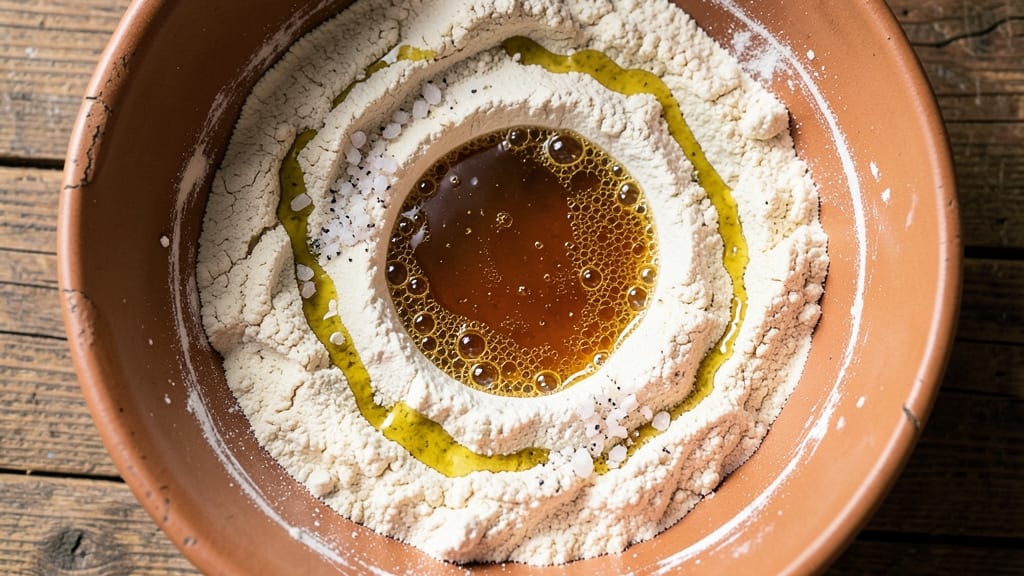
Nigella Lawson's no-knead bread recipe delivers restaurant-quality crust with just five ingredients and minimal hands-on time. The secret lies in letting the dough rest overnight, allowing gluten to develop naturally for a texture that's crisp on the outside and airy inside.
I've perfected this method through years of baking, and it never fails to impress—even with busy schedules.
What makes this recipe truly remarkable is the simplicity of the process. No kneading, no stress—just mix, rest, and bake. The dough undergoes an autolyse phase where flour and water hydrate fully before adding yeast, which creates a lighter, more open crumb structure.
This technique transforms basic ingredients into bread that rivals artisanal loaves.
By the time you pull it from the oven, you'll have a loaf with a golden, crackling crust and an interior that's impossibly tender. The aroma alone will have everyone gathering around your kitchen. This bread is perfect for toast, sandwiches, or simply enjoying fresh from the oven with butter.
Ready to bake bread that tastes like it came from a professional bakery? Here's everything you need to create Nigella Lawson's signature no-knead loaf at home.
Ingredients for nigella lawson no knead bread
Five simple ingredients transform into restaurant-quality bread with just overnight patience and a 45-minute bake.
| Ingredient | Amount | Notes |
|---|---|---|
| All-Purpose Flour 🌾 | 5 cups | High-protein preferred for chewier crust |
| Water 💧 | 2 ½ cups | Room temperature for best hydration |
| Active Dry Yeast 🍞 | ¼ tsp | Freshly opened for viability |
| Salt 🧂 | 1 ½ tsp | Kosher or sea salt preferred |
| Extra-Virgin Olive Oil 🫒 | 2 tbsp | For dough and crust enhancement |
The flour is your foundation—King Arthur or Caputo Tipo 00 make all the difference for that signature open crumb. Whole Foods or local bakeries stock high-quality options, but standard all-purpose works in a pinch. Water temperature matters: too cold slows fermentation, too hot kills yeast. Aim for room temperature (70-75°F). The yeast should be freshly opened—check the date and test viability by mixing a pinch with warm water and sugar (should bubble within 5 minutes). Salt choice affects flavor depth: Maldon flaky salt adds texture, while kosher blends evenly.
No high-protein flour? Bread flour works perfectly—just add 1 extra tablespoon to compensate for lower protein. Running short on yeast? Instant yeast can be used directly (no proofing needed), but halve the amount. Olive oil shortages? Unsalted butter (melted) or avocado oil work, though flavor will shift slightly. For a nutty twist, swap 1 cup flour with whole wheat. The dough should be shaggy but cohesive—if it's too sticky, add 1 tbsp more flour; too dry, add 1 tsp water. No-knead magic relies on proper hydration, so trust your feel over exact measurements here.
This dough keeps 24 hours in the fridge before baking—ideal for overnight prep. For longer storage, shape and freeze the dough unbaked for up to 3 months (thaw overnight before baking). Once baked, cool completely on a wire rack to prevent soggy crust. Store wrapped at room temperature for 3 days or freeze sliced for 6 months. The crust stays crisp for 2 days if kept dry—spritz with water before reheating to revive freshness. Pro tip: Brush warm loaves with melted butter for extra richness.
Why You'll Love This Recipe
- No-Knead Magic: I’ll be real—this bread is actually foolproof. Just dump flour, water, yeast, and a splash of olive oil into a bowl, mix it until it’s almost smooth, and let it do its thing. No punchy dough, no overworking your hands, no stress. The yeast does all the work while you sip coffee or scroll.
- Olive Oil Luxury: That little drizzle of extra-virgin olive oil? It’s the secret weapon. The bread gets this unexpected richness—crisp on the outside, tender inside—without needing butter or fancy add-ins. It’s the kind of flavor that makes you pause mid-bite, like, “Wait, this is just flour and oil?”
- Weeknight & Weekend: Between us, this bread is my go-to for lazy Sundays and hectic weeknights. Toss it in the oven while dinner simmers, or bake it ahead for sandwiches all week. It’s the perfect side for soup, a charcuterie board, or just toasted with jam—no judgment if you eat it straight from the pan.
- Budget Bread, Big Payoff: Five ingredients, minimal waste, and it lasts. A loaf keeps well for days, freezes like a dream, and costs pennies per serving. Honestly? It’s the kind of bread that makes grocery bills feel less scary—because you’re not buying store-bought loaves that crumble by Wednesday.
Step-by-step instructions for Nigella Lawson's no-knead bread
Here's the method that delivers restaurant-quality crust with minimal hands-on time.
Activate the Yeast and Mix the Dough
In a large bowl, combine the 2.5 cups water with the 0.25 tsp active dry yeast. Let it sit for 5 minutes until you see frothy bubbles forming on the surface—this confirms the yeast is alive and ready to work. If no bubbles appear, your yeast may be dead, and you'll need to start over.
In a separate large mixing bowl, whisk together the 5 cups all-purpose flour and 1.5 tsp salt. Create a well in the center and pour in the yeast mixture along with the 2 tbsp extra-virgin olive oil. Using a wooden spoon, gently stir until everything comes together into a shaggy dough. The dough will be sticky, but that's exactly what we want for this no-knead method.
Rest the Dough for Optimal Development
Cover the mixing bowl tightly with plastic wrap and let the dough rest at room temperature for 12-18 hours. This long fermentation period allows the gluten to develop slowly, creating a tender crumb and crisp crust without any kneading. I like to place the bowl in a warm spot, like on top of the refrigerator, to encourage even fermentation.
During this time, the dough will nearly double in size and become bubbly. This is when the magic happens—flavors deepen and the texture transforms from dense to light and airy. The longer it ferments (up to 24 hours), the more flavorful your bread will be, though 18 hours is ideal for most home kitchens.
Shape and Proof the Dough
After fermentation, the dough will be very loose and bubbly. Using a lightly oiled spatula, gently transfer the dough to a lightly floured surface. Fold the edges toward the center to create a rough ball shape, but don't overwork it—this bread relies on its gentle handling. Place the shaped dough seam-side up in a lightly oiled 9x5-inch loaf pan.
Cover the pan with a damp kitchen towel and let the dough proof for 1-2 hours until it has risen about 1 inch above the rim of the pan. The surface should look slightly puffy and the dough should feel springy when pressed gently with a finger. This final proofing step ensures the bread will have a good oven spring when baked.
Bake for a Crisp Crust and Soft Interior
Preheat your oven to 375°F and place a baking sheet on the lower rack. Once preheated, carefully transfer the proofed dough (still in its pan) to the oven. Pour 1 cup hot water into the baking sheet to create steam—this helps develop that beautiful crisp crust. Bake for 45-50 minutes until the bread is deep golden brown and sounds hollow when tapped on the bottom.
The internal temperature should reach 190-200°F when measured with an instant-read thermometer. If the top browns too quickly, tent the pan loosely with aluminum foil. Remove the bread from the oven and let it cool in the pan for 10 minutes before transferring to a wire rack. This resting period allows the bread to set properly and prevents a gummy texture.
Pro Tips For Making Nigella Lawson No Knead Bread
- Mix by Hand: I used to try blending the dough in a food processor—big mistake. This recipe needs the resistance of your hands to develop just enough gluten for structure. After burning my first batch (yes, I rushed), I learned to grab the bowl, dig in with your knuckles, and work the dough for a solid 3 minutes until it clings but doesn’t stick too much. No fancy tools required.
- Use Cold Water: The yeast in this recipe is delicate, and warm water will make it wake up too fast—leading to a sour, dense loaf. Fill your bowl with water straight from the tap (or run the faucet until it’s cold), then add the yeast and let it sit for exactly 5 minutes. If it’s not frothy by then, your yeast might be dead, and you’ll need fresh.
- Cover with Plastic: Nigella’s original recipe calls for a damp towel, but I’ve had better luck with a loose sheet of plastic wrap pressed directly onto the dough. It traps moisture without making the surface soggy, and I don’t have to worry about adjusting it later. Just poke a few holes with a fork if you’re baking it the same day—no need to wait for a skin to form.
- Preheat the Dutch Oven: I learned this the hard way—skipping the preheat means the dough won’t get that signature blistered crust. Crank your oven to 475°F (245°C) and let the Dutch oven sit for at least 30 minutes before adding the dough. The metal needs to be screaming hot, or you’ll end up with a pale, undercooked loaf. Trust me, the extra wait is worth it.
Flavor customization for nigella lawson no knead bread
Herb-Infused Variations
For a fragrant twist, fold in 1 tbsp chopped fresh rosemary or 1 tsp dried thyme during the final shaping stage. The herbs will perfume the dough beautifully, especially when baked.
I like using Penzeys brand dried herbs for consistent quality. For a Mediterranean flair, add 1 tsp dried oregano and ½ tsp red pepper flakes—the heat balances the richness. 🌿
Sweet Additions
Transform this into a sweet loaf by mixing in ½ cup raisins or chopped dried figs when shaping. For extra decadence, swap 1 tbsp olive oil for 2 tbsp honey in the dough.
The natural sweetness caramelizes during baking, creating a subtle molasses-like depth. I often sprinkle 1 tsp cinnamon on top before baking for warmth. 🍯
Seed and Nut Enhancements
Boost texture and nutrition by adding ¼ cup toasted sesame seeds, pumpkin seeds, or chopped walnuts to the dough. For a savory-sweet combo, mix in 2 tbsp honey and 2 tbsp seeds before shaping.
The seeds add crunch while the nuts contribute buttery richness. I recommend Kirkland brand seeds for their freshness. 🌰
Cheesy Twist
Create a cheesy pull-apart loaf by folding in ½ cup shredded sharp cheddar or Parmesan cheese during the final proof. The cheese melts during baking, creating pockets of gooey goodness.
For extra indulgence, add ¼ cup cream cheese mixed into the dough. I use Cabot brand cheddar for its sharp, tangy flavor. 🧀
Whole Grain Boost
Swap 1-2 cups of all-purpose flour for whole wheat or spelt flour to add fiber and nuttiness. For a heartier loaf, replace 1 cup with buckwheat flour—it adds earthy depth.
I often use Bob's Red Mill whole wheat flour for consistent results. The dough will be slightly denser but still light and flavorful. 🌾
Spiced and Smoky
Add warmth with ½ tsp smoked paprika or 1 tsp ground coriander during mixing. For a bold flavor, incorporate 1 tbsp coffee granules (they dissolve during baking). The smoky notes pair beautifully with the bread's natural richness. I recommend Peet's brand coffee for its deep, robust flavor. 🔥
Nutrition facts
Frequently asked questions
Why does this bread need such a long fermentation time?
The extended 12-18 hour rest allows gluten to develop naturally without kneading, creating a lighter crumb and deeper flavor. This slow fermentation mimics traditional sourdough methods but with yeast, resulting in that signature crisp crust and airy interior. Think of it as letting the dough "breathe" to build complexity.
Can I make this bread without a loaf pan?
Shape the dough into a round boule or batard instead, and bake on a parchment-lined baking sheet. For extra crust development, bake with steam (pour hot water in a tray below) and score the top with a razor before baking. The texture will be slightly different but equally delicious.
What if my dough doesn't rise much after fermentation?
Cold temperatures or dead yeast are the most likely culprits. Keep your kitchen at 70-75°F for fermentation, and always test yeast viability by mixing a pinch with warm water and sugar (should bubble within 5 minutes). If it's still flat, try adding 1 tsp sugar to the dough to feed the yeast.
How do I store leftovers to keep them fresh?
Cool completely, then wrap in beeswax wrap or an airtight container. Store at room temperature for 3 days or freeze sliced bread for 6 months. To revive stale bread, sprinkle with water and reheat at 350°F for 5-10 minutes for that fresh-from-oven crunch.
Can I use this dough for other baked goods?
While this recipe is optimized for a loaf, you can shape it into focaccia or calzones by flattening and adding toppings before baking. For pizza dough, reduce fermentation to 6-8 hours and increase yeast to 1 tsp. The open crumb works beautifully for sandwiches too!