
Side Dishes
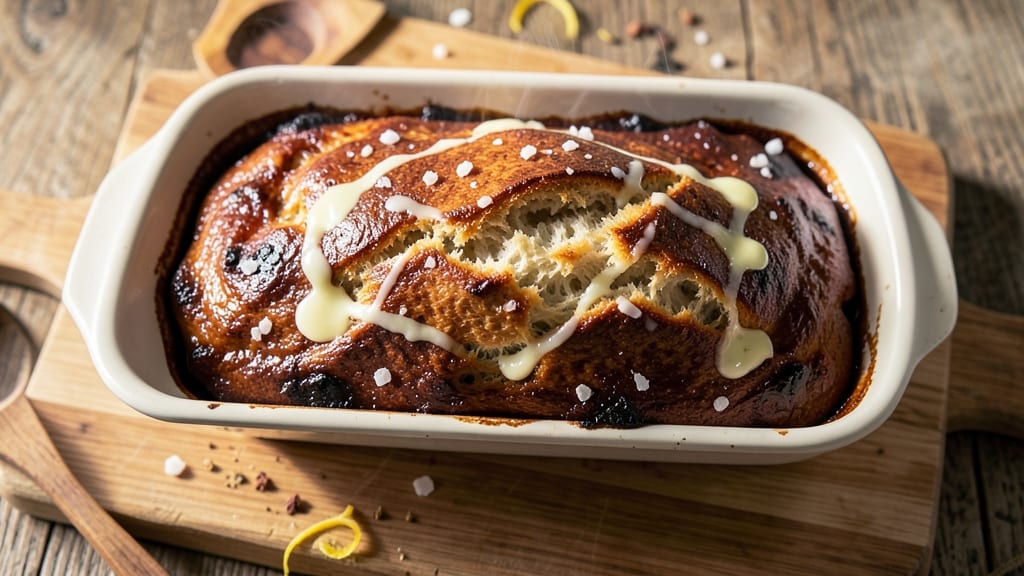
This ale bread recipe transforms a simple loaf into a flavorful, hops-infused masterpiece with pancake-like tenderness. The secret lies in using ale for both moisture and depth—its subtle bitterness and caramel notes create a crust that’s crisp yet yielding, while the interior stays soft and slightly chewy.
I’ve perfected this recipe over years of baking, ensuring the dough develops just enough structure to hold its shape without becoming dense.
The ale bread’s magic comes from a slow fermentation that allows the yeast to work its magic while the hops infuse the dough with their signature aroma. Unlike traditional bread, this version stays moist for days, making it ideal for toast or sandwiches.
The crust develops a golden-brown hue with a faint malty tang, while the interior remains tender, almost like a cross between sourdough and pancake batter.
What sets this ale bread apart is its versatility—serve it warm with butter and honey for breakfast, or pair it with soups and stews for a hearty meal. The ale’s subtle bitterness balances perfectly with rich toppings, making it a standout side dish.
Whether you’re a home baker or a seasoned pro, this recipe delivers restaurant-quality results with minimal effort.
Ready in about 2 hours (including fermentation), this ale bread requires just a few key ingredients: flour, yeast, ale, and a touch of sugar to feed the yeast.
The process is straightforward, but the payoff—a loaf with a crisp crust and a tender, flavorful interior—is well worth the time. Let’s get baking!
Ingredients for ale bread
Nine simple ingredients transform into a loaf with crisp crust and tender interior.
| Ingredient | Amount | Notes |
|---|---|---|
| All-Purpose Flour 🌾 | 4 cups | Plus 2 tbsp for dusting |
| Active Dry Yeast 🍞 | 1 package | 2.25 tsp (1 packet) |
| Dark Ale Beer 🍺 | 1 ¼ cups | Like Guinness or porter (room temp) |
| Granulated Sugar 🍚 | ¼ cup | Feeds yeast for fermentation |
| Unsalted Butter 🧈 | ½ cup | Cold, cubed for flavor |
| Large Eggs 🥚 | 1 whole | Room temperature |
| Salt 🧂 | 1 ½ tsp | Diamond Crystal preferred |
| Honey 🍯 | 2 tbsp | For malty sweetness |
| Milk 🥛 | ¼ cup | Whole for richness |
| Olive Oil 🫒 | 2 tbsp | For dough handling |
| Sesame Seeds 🌰 | 1 tbsp | Optional for topping |
The ale makes or breaks this recipe—Guinness or porter work best for their deep maltiness, but any dark ale will do. Room-temperature beer activates yeast faster; pop it in a warm spot for 10 minutes if cold. For yeast, Fleischmann's Active Dry is reliable, but store-bought packets work too. The honey and butter add richness, so don't skimp. If you're using King Arthur flour, the dough will be slightly more elastic than all-purpose brands.
No dark ale? Substitute with equal parts water and a splash of molasses—it mimics the caramel notes. Fresh out of honey? Maple syrup at half the amount works in a pinch. Butter substitutes? Coconut oil or vegan butter for dairy-free versions. The milk can be swapped for plant-based milk> (soy or oat) for a lighter texture. Sesame seeds optional, but poppy seeds or everything bagel seasoning add great contrast. Always measure flour by scooping and leveling—don't pack it down.
Dough keeps for 24 hours in the fridge if wrapped tightly in plastic. For longer storage, freeze shaped loaves for up to 3 months—thaw overnight on the counter. The bread stays moist for 4-5 days at room temperature, but wrap it in a beeswax wrap or foil to maintain crispness. Toasting revives stale slices—375°F for 5 minutes works wonders.
Why You'll Love This Recipe
- No Yeast Stress: I swear by this method—just mix, let it sit, and walk away. That dark ale beer does the heavy lifting while I’m scrolling or watching a show. (No kneading, no waiting by the clock.)
- Rich Without Effort: The beer’s maltiness and caramel notes sneak in deep, like a hug for your taste buds. A pinch of sugar and butter makes it so tender, you’ll forget it’s "just" bread.
- Weeknight Magic: Toss a loaf in the oven while dinner simmers—it’s ready by the time you’re done. Slice it thick for sandwiches, toast it for breakfast, or freeze slices for lazy mornings.
- Pantry Hero: Uses basic ingredients you already own, and the leftovers? Even better the next day. Honestly, I make two loaves just to have extra for toast or garlic bread.
Step-by-step instructions for ale bread recipe
This method delivers a tender, hops-infused loaf with a crisp crust and moist interior.
Activate the Yeast with Beer and Sugar
In a small bowl, combine the 1.25 cups dark ale beer and 0.25 cup granulated sugar. Stir to dissolve the sugar completely. Sprinkle the 1 package active dry yeast over the liquid and let it sit for 5-10 minutes until frothy. You'll notice small bubbles forming on the surface—this indicates the yeast is active and ready to work.
If no bubbles form after 10 minutes, your yeast may be dead. Start fresh with a new package. The beer's temperature should be between 70-75°F for optimal yeast activity. If it's too cold, let it warm slightly before proceeding. This step is crucial for developing the bread's signature malty flavor and tender crumb.
Mix the Dough with Wet and Dry Ingredients
In the bowl of a stand mixer fitted with the dough hook, combine the 4 cups all-purpose flour and 1.5 tsp salt. Mix on low speed. In a separate bowl, whisk together the 1 whole large egg, 0.25 cup milk, 2 tbsp honey, and 2 tbsp olive oil. Pour the wet ingredients into the dry ingredients and mix on low speed until combined.
Add the activated yeast mixture and mix on medium speed for 3-5 minutes until the dough begins to pull away from the sides of the bowl. The dough should be slightly sticky but manageable. If it's too wet, add 1 tablespoon of flour at a time until it reaches the right consistency. The honey and olive oil contribute to the bread's rich flavor and tender texture, while the beer adds moisture without overhydrating the dough.
Knead the Dough for Optimal Texture
Continue kneading the dough for 8-10 minutes on medium speed until it becomes smooth and elastic. Press the dough with your finger—it should spring back slowly. If the dough feels too sticky, wet your hands slightly and continue kneading. The dough should be soft but not overly wet, ensuring a tender crumb without being gummy.
Transfer the dough to a lightly oiled bowl, cover with a damp kitchen towel, and let it rise in a warm place for 1-1.5 hours or until it has doubled in size. The warm environment helps the yeast activate more quickly. You'll see the dough puff up and develop small bubbles on the surface. This first rise is essential for developing the bread's airy texture and allowing the beer's flavors to meld with the dough.
Shape and Proof the Dough
Punch down the risen dough to release the air, then turn it out onto a lightly floured surface. Gently shape it into a 9x5-inch loaf pan, making sure to press the dough evenly into the corners. The 0.5 cup unsalted butter, cut into small cubes, should be pressed into the top of the dough. Cover the loaf pan with a damp towel and let it rise for another 30-45 minutes until it has risen about 1 inch above the rim of the pan.
Preheat your oven to 375°F while the dough proofs. The butter will contribute to a rich, flavorful crust and tender interior. Sprinkle the 1 tbsp sesame seeds evenly over the top of the dough for added texture and visual appeal. The sesame seeds add a subtle nutty flavor that pairs beautifully with the malty notes from the beer.
Bake to Golden Perfection
Bake the loaf for 45-50 minutes until the top is golden brown and the internal temperature reaches 190-195°F. Tap the loaf lightly—it should sound hollow when done. The bread should have a crisp crust with a soft, tender interior that almost resembles pancake-like texture. If the top browns too quickly, tent the loaf with aluminum foil to prevent over-browning.
Remove the bread from the oven and let it cool in the pan for 10 minutes before transferring it to a wire rack to cool completely. The residual heat will continue to cook the bread slightly, ensuring it's fully tender. Slice the bread while it's still warm for the best texture and flavor. The hops from the beer will give the crust a subtle bitterness that balances the sweetness of the honey and the richness of the butter.
Pro Tips For Making Ale Bread
- Warm the Beer First: I learned this the hard way—cold beer kills yeast faster than you’d think. Pour your dark ale into a microwave-safe mug (or small bowl) and heat it to about 90°F (32°C) for 30 seconds. The yeast will wake up faster, and your dough won’t take forever to rise.
- Use Room-Temp Butter: Cold butter in ale bread? Big mistake. Softened butter blends better with the beer and flour, giving you that tender crumb you’re after. Take the butter out 20 minutes before mixing—no need to melt it, just kneadable. (Yes, even if you’re impatient like me.)
- Don’t Over-Knead the Dough: This isn’t pizza dough—ale bread gets tough if you work it too hard. Stop when the dough pulls away from the bowl and springs back slowly when poked (about 5-7 minutes by hand). Over-kneading = dense, chewy bread. Trust the beer’s natural moisture to do the heavy lifting.
- Shape Tightly, Rise Twice: After the first rise, handle the dough gently when shaping—stretch it into a round loaf with smooth sides. Then, let it rise again until it’s almost doubled (about 1.5 hours). This second rise guarantees a light, airy crumb. (Skip it, and you’ll get a sad, flat loaf.)
Wine and beer pairings for these flavors
Beer Pairings
The beauty of ale bread lies in its malty, slightly bitter profile—so pairing it with complementary beers enhances the experience. A dark porter like Guinness or stout mirrors the bread’s richness, while a Belgian dubbel with its caramel and spice notes creates a perfect harmony.
For a lighter option, try a wheat beer—its citrusy brightness cuts through the bread’s density. 🍺
Wine Synergy
If beer isn’t your drink, a Port-style ruby port or tawny port works beautifully with ale bread’s sweet and savory notes. The wine’s fruitiness and oak depth complement the hops and honey.
For red wine lovers, a Pinot Noir with its earthy undertones pairs surprisingly well, especially when the bread is fresh from the oven.
Non-Alcoholic Options
Skip the alcohol? A ginger beer with its spicy kick balances the bread’s sweetness, while a sparkling apple cider adds a refreshing contrast. For something richer, try a chocolate milk stout—its creamy texture and cocoa notes mirror the bread’s malty depth.
These options keep the pairing experience just as vibrant.
Coffee & Tea Pairings
A dark roast coffee with its bitterness and caramel undertones is a classic match—think of it as a liquid version of the bread’s crust. For tea lovers, a chai latte or Earl Grey with its bergamot notes adds a fragrant, aromatic pairing.
The warmth of the tea enhances the bread’s buttery richness, making it a cozy choice for any meal.
Seasonal Adaptations
In summer, a hoppy IPA with its citrusy bite cuts through the bread’s richness, while in winter, a smoked Scotch ale adds depth to the malty flavors. For holidays, a mulled wine with cinnamon and cloves creates a festive pairing that’s perfect for toasted ale bread slices.
The key is balancing the bread’s sweetness with complementary bitterness or acidity. ✨
Nutrition facts
Frequently asked questions
Can I use any type of beer for ale bread?
Dark ales like Guinness or porter work best—their maltiness enhances flavor. Lighter beers (like pilsners) can work but may make the bread taste flat. For non-alcoholic versions, use non-alcoholic stout or ginger beer for similar depth. Always use room-temperature beer to activate yeast properly.
Why does my ale bread turn out dense instead of tender?
Over-kneading or under-proofing causes dense bread. Knead only 8-10 minutes until smooth, and let dough rise until doubled (about 1-1.5 hours). Cold beer or dead yeast can also slow fermentation—ensure your yeast is fresh and beer is 70-75°F. A warm oven (375°F) helps create that signature tender crumb.
How do I store ale bread to keep it fresh?
Wrap cooled bread tightly in beeswax wrap or foil to preserve moisture. It stays fresh 4-5 days at room temperature or 1 week in the fridge. For longer storage, freeze shaped loaves (unbaked) for up to 3 months. Toast stale slices at 375°F for 5 minutes to revive crispness.
Can I make ale bread without a mixer?
Mix dough by hand in a large bowl, using a wooden spoon first, then your hands. Knead on a floured surface for 10-12 minutes until elastic. The process just takes more elbow grease—no mixer required. The key is patience: let dough rest between folds to develop gluten properly.
What's the best way to reheat ale bread?
For crispy crust: Wrap slices in foil and warm at 350°F for 5-7 minutes. For toasted texture: Use a toaster or skillet at medium heat for 2-3 minutes per side. Avoid microwaving—it makes bread gummy. The butter and honey in the recipe help retain moisture during reheating.