
Side Dishes
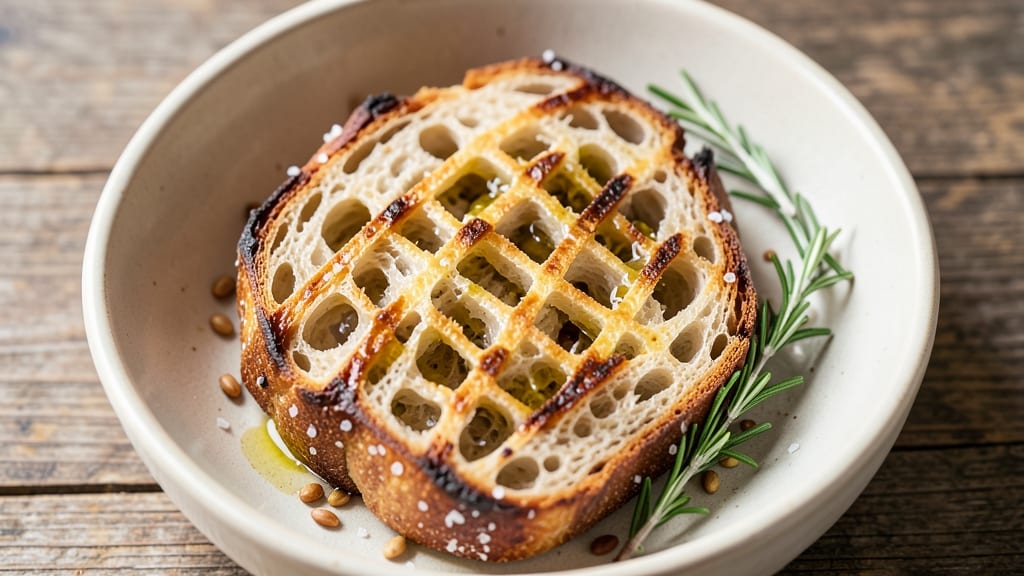
Martha Stewart's homemade bread recipe delivers the perfect balance of artisan crust and no-knead simplicity, proving you don't need a bakery to bake like a pro. The secret lies in a precise method that creates a golden, crackling crust with a tender interior—all with minimal effort.
I've refined this recipe over years, and it's become my go-to for everything from everyday sandwiches to impressive dinner rolls.
What makes this recipe stand out is the foolproof no-knead technique, which eliminates guesswork while delivering professional results. You'll use basic pantry staples—flour, yeast, water, and a touch of sugar—to create dough that develops flavor as it rests.
The key is patience: letting the dough rise slowly at room temperature allows the gluten to relax, resulting in a lighter, more flavorful loaf than traditional kneaded bread.
By the time you pull this bread from the oven, you'll have a crispy, golden crust with an open crumb structure that's impossible to resist. The aroma alone will transform your kitchen into a bakery, and the texture—crusty outside, soft inside—makes every slice worth the wait.
This is the kind of bread that disappears faster than you can say "homemade."
Perfect for breakfast toast, sandwiches, or serving alongside soups, this recipe scales easily for any occasion. Let's get started on creating bread that rivals your favorite bakery—without the fuss.
Ingredients for martha stewart bread
Four simple ingredients transform into Martha's signature artisan loaf with crispy crust and tender crumb.
| Ingredient | Amount | Notes |
|---|---|---|
| All-Purpose Flour 🌾 | 5 cups | Bread flour for chewier texture |
| Instant Yeast 🍞 | 2 ¼ tsp | Active dry works too |
| Granulated Sugar 🍬 | 1 tbsp | White or brown sugar |
| Salt 🧂 | 1 ½ tsp | Diamond Crystal preferred |
| Warm Water 💧 | 2 cups | 110°F for optimal yeast activation |
| Extra-Virgin Olive Oil 🫒 | 1 tbsp | For dough shaping and crust |
| Cornmeal 🌽 | 1 tbsp | For dusting baking surface |
| Coarse Sea Salt 🧂 | 1 tsp | For final crust sprinkle |
| Semolina Flour 🌾 | 1 tbsp | Optional for extra crunch |
The flour is non-negotiable here—bread flour gives that signature chewy texture, but King Arthur all-purpose works in a pinch. I always grab mine from Whole Foods bulk bins since it stays fresher longer. For the yeast, instant yeast activates faster, but if you've only got active dry, just let it proof in the warm water for 5 minutes first. The warm water should feel like bathwater—110°F is perfect, but if you're eyeballing it, it should be warm to the touch but not scalding. If your kitchen runs cold, pop the water in the microwave for 20 seconds to warm it up.
No instant yeast? Active dry works fine—just dissolve it in the warm water first. Swapping sugar? Honey or maple syrup at the same amount adds subtle depth. For the salt, Diamond Crystal is ideal because it's less processed, but regular table salt works too (just measure carefully). The olive oil matters—extra-virgin gives the best flavor, but any light olive oil will do. If you're feeling fancy, add 1 tbsp of milk to the dough for extra tenderness. Cornmeal is just for dusting—semolina makes it extra crispy if you're going for that bakery-style crust.
This dough needs time—at least 12 hours at room temperature for maximum flavor development. Store it in a lightly greased bowl covered with a damp towel. Once baked, it keeps well for 3 days wrapped in a clean kitchen towel. For longer storage, freeze slices in a ziplock bag—they toast up like fresh. Pro tip: Spritz the crust with water before baking for that Martha-approved golden sheen.
Why You'll Love This Recipe
- No-Fuss Dough: I swear, this bread takes less effort than deciding what to watch on Netflix. Just mix the flour, yeast, sugar, and warm water—no kneading, no waiting for hours. The instant yeast does all the heavy lifting while you’re busy with life.
- Sweet & Simple Crust: That golden crust? It’s the sugar caramelizing at the edges, but it’s not overpowering—just enough to make every bite feel special. Honestly, I’ve made bread that tastes like cardboard, but this one actually tastes like bread should.
- Breakfast or Snack Hero: Between us, this stuff is perfect for toast in the morning or a quick snack with butter. I’ve even sliced it thin for sandwiches—no one ever complains. It’s the kind of bread that disappears faster than my willpower when I’m hungry.
- Pantry Staple, Zero Waste: Five ingredients, all basics you already have. No fancy substitutions, no extra trips to the store. And if you bake a loaf, it’ll last a week—no sad, stale bread here. My wallet and my fridge both thank me.
Step-by-step instructions for Martha Stewart's homemade bread
Here's how to create an artisan-quality crust with minimal effort—no kneading required.
Activate the Yeast and Mix the Dough
In a large mixing bowl, combine the 2 cups warm water (about 110°F) with the 1 tbsp granulated sugar and 2.25 tsp instant yeast. Let this mixture sit for 5-10 minutes until it becomes frothy—this confirms the yeast is active. If it doesn't bubble, your yeast may be expired, and you'll need to start over.
Add the 5 cups all-purpose flour and 1.5 tsp salt to the bowl. Stir with a wooden spoon or dough whisk until a shaggy dough forms. Then, drizzle in the 1 tbsp extra-virgin olive oil and mix again until the dough comes together. The dough should be slightly sticky but manageable—if it's too wet, add 1-2 tablespoons more flour until it pulls away from the sides of the bowl.
Shape and Rest the Dough
Turn the dough onto a lightly floured surface and gently shape it into a rough rectangle or ball. Fold the edges toward the center to seal any cracks, then place it back in the bowl. Cover the bowl with a damp kitchen towel or plastic wrap and let the dough rest at room temperature for 1-2 hours. This resting period allows the gluten to relax and the dough to develop flavor.
During this time, the dough will rise slightly but not double in size—this is normal for no-knead bread. If your kitchen is cold, place the bowl in a warm spot, like near the oven with the light on, to encourage gentle fermentation. Avoid over-rising, as this can lead to a dense loaf.
Preheat and Prepare the Baking Surface
Preheat your oven to 375°F. While the oven heats, generously dust a baking sheet or pizza stone with 1 tbsp cornmeal—this creates a crispy, golden crust. If using a Dutch oven, place it upside down in the oven to preheat as well. The cornmeal prevents sticking and adds a subtle crunch to the bottom of the bread.
After the dough has rested, transfer it to the prepared baking sheet. Use a wet spatula or your fingers to shape it into a round loaf or a free-form shape. Sprinkle the top evenly with 1 tsp coarse sea salt and, if using, 1 tbsp semolina flour for extra texture. The salt enhances flavor, while the semolina adds a delicate crunch.
Bake Until Golden and Hollow-Sounding
Bake the bread for 25-30 minutes until the top is deep golden brown and the internal temperature reaches 190-200°F when measured with an instant-read thermometer. Tap the bottom of the loaf—it should sound hollow, indicating the bread is fully baked. If the top browns too quickly, tent the bread with foil to prevent over-browning.
For a crispier crust, broil the bread for 1-2 minutes at the end of baking, keeping a close eye to avoid burning. Let the bread cool on a wire rack for at least 15 minutes before slicing—this allows the crust to set and prevents a gummy texture. The aroma alone will tell you it's ready.
Pro Tips For Making Martha Stewart Bread
- MEASURE YEAST BY VOLUME: Martha’s recipe calls for 1 packet (2¼ tsp) instant yeast—don’t eyeball it. A slightly off amount throws off fermentation, and you’ll end up with dense bread instead of that signature light crumb. Weigh it if you’re paranoid (it should be ~7g), but at least use the flat side of a knife to level off the spoonful.
- DON’T SKIP THE 10-MINUTE REST: After mixing the dough, let it sit covered for 10 minutes before shaping. This relaxes the gluten enough to handle without tearing, so your loaves don’t collapse when you transfer them to the pan. I learned this the hard way—my first batch looked like a failed science experiment.
- USE A THERMOMETER FOR WATER: Warm water between 105°F–110°F activates yeast perfectly—any hotter and you kill it, any cooler and it won’t rise. If you don’t have one, drop a pinch of sugar in the water and wait 1–2 minutes: if it bubbles vigorously, it’s ready. Cold water = sad, flat bread.
- BRUSH PAN WITH MELTED BUTTER: The recipe says butter the pan, but melted butter brushed on the sides and bottom creates a nonstick barrier that actually makes pulling the bread out effortless. Solid butter sticks to flour, and you’ll end up with crumbs on your counter instead of a clean loaf. Trust me, it’s worth the extra 30 seconds.
Flavor customization for martha stewart bread
Sweet Twist Option
Add 1 tbsp honey or 1 tbsp maple syrup to the dough for a subtle sweetness that pairs perfectly with butter. I often sprinkle 1 tsp cinnamon on top before baking for a warm, spiced variation.
This works especially well for breakfast bread—just add a ½ cup raisins or chopped walnuts for texture. 🍯
Herb-Infused Variations
Swap out the coarse sea salt for 1 tbsp fresh rosemary or thyme leaves mixed into the dough before shaping. For a Mediterranean touch, add 1 tbsp dried oregano and ½ tsp garlic powder to the flour.
These herbs infuse the dough with aromatic depth while keeping the bread's signature texture.
Cheesy Bread Boost
For a rich, savory twist, fold 1 cup shredded sharp cheddar or Parmesan cheese into the dough after mixing. Sprinkle an extra ¼ cup grated cheese on top before baking.
I recommend Monterey Jack for a milder flavor or Pecorino Romano for a tangy kick. This variation is ideal for hearty meals or as a crowd-pleasing appetizer.
Seeded Crust Enhancement
Replace the semolina flour with 1 tbsp sesame seeds, poppy seeds, or flaxseeds for a nutty, textured crust. Mix them into the dough or sprinkle on top before baking.
These seeds add visual appeal and a satisfying crunch. For extra flair, combine 1 tsp sesame seeds with 1 tsp black sesame seeds for contrast. 🌾
Spiced Everything Bagel
Transform this bread into an everything bagel-inspired loaf by adding 1 tbsp everything bagel seasoning (like Trader Joe's) to the dough. For a homemade version, mix 1 tsp sesame seeds, 1 tsp poppy seeds, 1 tsp dried garlic, and 1 tsp onion powder into the flour.
This variation is perfect for breakfast sandwiches or pairing with cream cheese.
Savory Garlic & Olive
Boost the dough with 2 minced garlic cloves and 2 tbsp chopped Kalamata olives folded in after mixing. Top with 1 tsp dried oregano and a sprinkle of flaky sea salt before baking. This Mediterranean-inspired twist adds bold flavor and pairs beautifully with soups or antipasto platters. 🧄
Nutrition facts
Frequently asked questions
Why does Martha Stewart's bread recipe use no-knead?
The no-knead method develops flavor more deeply through slow fermentation, creating a lighter texture with less effort. This technique lets gluten relax naturally, resulting in that signature tender crumb and crispy crust without overworking the dough. Perfect for busy bakers who want bakery-quality results!
Can I make this bread in a Dutch oven?
Preheat your Dutch oven with the lid on for 30 minutes at 375°F. Transfer the shaped dough into the hot pot, cover, and bake for 25 minutes before removing the lid for the last 10 minutes. This creates an even more rustic, bakery-style crust with a perfect rise.
What if my dough doesn't rise properly?
Check your yeast first—it should bubble within 5-10 minutes in warm water. If not, your yeast is likely expired. Also ensure your kitchen is warm enough (above 70°F) and give the dough extra time (up to 2 hours) covered in a warm spot. Cold kitchens slow fermentation dramatically.
How do I store leftover bread?
Wrap cooled bread in a clean kitchen towel or beeswax wrap to maintain freshness for 3 days at room temperature. For longer storage, slice and freeze in a ziplock bag—thaw slices in the toaster for crispy results. The towel keeps the crust from getting soggy while preserving that homemade aroma.
Can I substitute bread flour for all-purpose flour?
Yes! While bread flour gives a slightly chewier texture, King Arthur all-purpose flour works beautifully as a 1:1 substitute. If using regular all-purpose, add 1 tsp vital wheat gluten per cup of flour to mimic bread flour's protein content. The difference is subtle but noticeable for serious bread lovers.