
Side Dishes
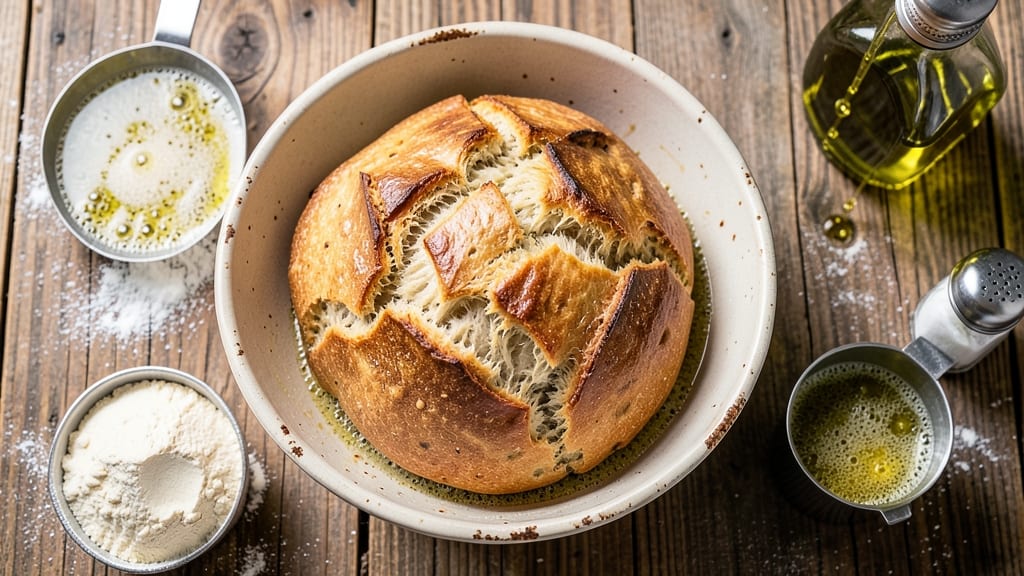
This active dry yeast no-knead bread recipe transforms simple ingredients into a loaf with a crispy crust and airy crumb—no kneading required. The secret lies in a slow, overnight rise that develops deep flavor and a light texture without the effort.
I’ve perfected this method after years of testing, ensuring every batch turns out tender and golden. The process begins with activating the yeast in warm water, creating a lively starter that works magic in the dough.
Unlike traditional bread, this recipe skips the labor-intensive kneading step, relying instead on time and gentle folding to build structure. The dough rests overnight in the fridge, allowing flavors to meld and gluten to relax naturally.
By morning, you’ll shape the dough into a round loaf and bake it until the crust turns a beautiful golden brown. The result? A bread with a crisp exterior and a soft, airy interior—perfect for sandwiches, toast, or serving alongside soups. No experience needed; just patience and a little time.
This method delivers restaurant-quality bread at home with minimal effort, making it ideal for busy schedules. Let’s get started on creating your perfect loaf.
Ingredients for active dry yeast bread recipe no knead
Flour, yeast, and patience create restaurant-quality bread with minimal effort.
| Ingredient | Amount | Notes |
|---|---|---|
| Active Dry Yeast 🍞 | ¼ tsp | Ensure package is fresh |
| All-Purpose Flour 🌾 | 3 ½ cups | Spooned and leveled |
| Warm Water 💧 | 1 ¼ cups | 110°F for yeast activation |
| Granulated Sugar 🍚 | 1 tbsp | For yeast activation |
| Salt 🧂 | 1 tsp | Kosher or sea salt |
| Olive Oil 🫒 | 2 tbsp | Extra-virgin preferred |
| Cornmeal 🌽 | 2 tbsp | For dusting baking surface |
| Ice Water ❄️ | ¼ cup | For dough elasticity |
The yeast is the heart of this recipe—Bob’s Red Mill or Saf-Instant are reliable brands. Check expiration dates; old yeast won’t activate properly. Warm water should feel like bathwater to the touch (110°F)—too hot kills yeast, too cold slows it down. For flour, King Arthur or Gold Medal are ideal, but any all-purpose works. Measure precisely: spoon flour into your measuring cup and level it off—don’t scoop directly from the bag or you’ll pack it too tightly.
No yeast? Sourdough starter can replace it at a 1:1 ratio, but timing changes. Running short on olive oil? Melted coconut oil works just as well. The ice water might sound odd, but it’s essential—it strengthens the gluten structure for a better rise. For a softer crust, brush the baked loaf with melted butter while still warm. If your kitchen’s humid, reduce the water slightly to avoid a gummy texture.
Dough keeps in the fridge for 24 hours before baking—perfect for overnight prep. Shape it into a round boule or oval batard for classic presentation. Once baked, store at room temperature in a bread bag for 3-4 days, or freeze slices for up to 3 months. For reheating, wrap slices in foil and warm in a 350°F oven for 5-10 minutes to restore freshness.
Why You'll Love This Recipe
- No-Knead Magic: Mix five ingredients, let yeast work its spell—no standing at the counter for hours. I swear, the dough comes together faster than my coffee cools, and that’s saying something for a caffeine addict.
- Crusty-Center Perfection: That golden crust with a soft, airy interior? Just warm water, sugar, and time doing the heavy lifting. Honestly, it’s the kind of bread that makes store-bought look sad.
- Make-Ahead Miracle: Between us, I’ve baked this dough the night before and let it rise overnight—no extra effort, just better flavor. Perfect for when you’re too tired to think past dinner but still want fresh bread on the table.
- Pantry Staple Power: Five ingredients? This is the budget-friendly bread that never disappoints. Use it for toast, sandwiches, or even garlic bread—leftovers? Toss them in a pan for croutons or breadcrumbs. Zero waste, all win.
Step-by-step instructions for no-knead bread with active dry yeast
This method transforms simple ingredients into a beautifully textured loaf with minimal effort.
Activate the Yeast for Maximum Rise
In a medium bowl, combine the 0.25 tsp active dry yeast, 1 tbsp granulated sugar, and 1.25 cups warm water (about 110°F). Let it sit for 5-10 minutes until foamy. This activation step is crucial—if the yeast doesn't bubble, it's not alive and your bread won't rise properly.
I like to test the water temperature by sprinkling a few drops on my wrist—it should feel warm but not hot. If the mixture doesn't foam within 10 minutes, your yeast may be old or the water too hot. In that case, start fresh with new yeast and slightly cooler water.
Mix the Dough with Just Enough Water
Add the 3.5 cups all-purpose flour and 1 tsp salt to the yeast mixture. Stir with a wooden spoon until a shaggy dough forms. Then add the 2 tbsp olive oil and mix again. The dough will be sticky but should come together—this is normal for no-knead bread.
Now pour in the 0.25 cup ice water gradually while stirring. The ice water helps develop gluten and improves the dough's elasticity. Mix until fully incorporated, but don't overwork it. The dough should be smooth and slightly tacky—if it's too dry, add a teaspoon more ice water.
Let the Dough Rest for Optimal Texture
Lightly oil a large bowl and transfer the dough inside. Cover with plastic wrap and let it rest at room temperature for 12-18 hours. This long fermentation is what creates the bread's signature airy crumb and crisp crust without requiring kneading.
I place my dough in a warm spot near the oven (with the oven off) to encourage even fermentation. The dough should nearly double in size—when pressed gently, it should spring back slowly rather than immediately. If it rises too quickly, move it to a cooler spot to prevent overproofing.
Shape and Score for a Professional Finish
After resting, turn the dough out onto a surface lightly dusted with 2 tbsp cornmeal. Gently shape it into a round or oval loaf—don't worry about perfection. The cornmeal prevents sticking and creates a crisp bottom crust. Cover again and let it rest for 30 minutes while you preheat your oven to 450°F.
Using a sharp razor or knife, score the top of the dough in a decorative pattern. This prevents the bread from cracking randomly and allows steam to escape, creating a crispy crust. A simple crosshatch or diagonal slash works beautifully—just make sure to cut through the surface crust.
Bake to Golden Perfection
Place the shaped dough on a baking sheet or directly in the oven on a preheated stone. Bake at 450°F for 25-30 minutes until the crust is deep golden brown and sounds hollow when tapped on the bottom. The internal temperature should reach 205-210°F.
For an extra crisp crust, I like to spray the oven walls with water just before baking—this creates steam that enhances browning. Let the bread cool on a wire rack for at least 30 minutes before slicing. The crust will firm up as it cools, making it easier to handle and slice.
Pro Tips For Making Active Dry Yeast Bread Recipe No Knead
- Use 110°F Water: I learned this the hard way—yeast hates extremes, and lukewarm water is your best friend. Too hot and it kills the yeast instantly; too cold and it won’t activate. A quick way to test: dip your pinky finger in, and if it feels like bathwater, you’re golden.
- Mix Until Just Combined: No need to overwork the dough—this isn’t a kneading session. Stir the flour, yeast, sugar, and salt into the water until the flour is barely incorporated. Overmixing develops gluten, which defeats the whole "no-knead" purpose and makes the bread dense.
- Skip the Crowding: Let that dough rise in a single, unconstricted vessel—like a bowl or Dutch oven—from the start. I used to transfer it to a loaf pan too soon, and the bread always turned out squat and sad. Give it space to rise freely before shaping.
- Add a Pinch of Oil: This isn’t in most recipes, but trust me: toss in 1 teaspoon of neutral oil (like vegetable or canola) with the wet ingredients. It keeps the crumb tender and makes the bread less likely to dry out overnight. (Yes, even if you’re impatient like me.)
Wine and beer pairings for this active dry yeast bread recipe no knead
Crisp White Wine
An Italian Pinot Grigio from Alto Adige is my go-to pairing for this no-knead bread—its bright acidity and citrus notes cut through the rich, buttery crust beautifully. Look for a chilled bottle (around 45-48°F) to enhance the bread's crisp texture.
The light body won’t overpower the delicate flavors, making each bite feel fresh and clean. 🍷
Malty Amber Ale
For beer lovers, a Belgian-style amber ale like Allagash Amber brings out the bread’s caramelized crust with its toffee and biscuit notes. The malt sweetness complements the golden crust, while the slight hop bit balances the bread’s soft interior.
Serve at 50°F to let the flavors shine without competing. 🍺
Dry Rosé
A Provence-style dry rosé (around 11-12% ABV) adds a refreshing contrast to the bread’s crusty exterior and airy crumb. The strawberry and citrus undertones in the wine mirror the bread’s subtle sweetness, creating a harmonious pairing.
Opt for a chilled bottle (around 48°F) to keep the flavors crisp and vibrant. ✨
Cider Pairing
For a non-alcoholic option, a dry hard cider like Angry Orchard Crisp Apple works surprisingly well. The tart apple notes echo the bread’s light sweetness, while the effervescence cleanses the palate between bites. Serve slightly chilled (45-50°F) for the best experience. 🍎
Red Wine for Hearty Spreads
If you’re serving this bread with cheese or charcuterie, a light-bodied Chianti (like Castello di Volpaia) pairs perfectly. The cherry and earthy notes in the wine complement the bread’s crust, while the acidity balances rich toppings.
Let it breathe for 10 minutes before serving to open up its flavors. 🍇
Nutrition facts
Frequently asked questions
Why does this recipe use ice water in the dough?
The ice water helps develop gluten more effectively than room-temperature water alone. It creates a temperature contrast that strengthens the dough's structure, resulting in a better rise and improved texture. Plus, it keeps the dough slightly cooler during mixing, preventing overworking.
Can I make this bread without the overnight rise?
You can shorten the rise to 4-6 hours at room temperature, but the flavor and texture won't be as developed. The overnight fermentation builds deeper flavor and a more open crumb. If you're in a hurry, use 1 tsp extra yeast and reduce the rise time to 2-3 hours, but expect a denser loaf.
What if my dough doesn't rise at all?
Check your yeast first—it may be expired. Test it by mixing 0.25 tsp yeast with 1 tsp sugar and 2 tbsp warm water; if it doesn't foam in 5-10 minutes, replace it. Also ensure your water is 110°F (not boiling) and your kitchen is warm enough (ideally 75°F). If the dough is too cold, place it near the oven (off) to help it rise.
How do I get a crispier crust?
For extra crispiness, bake the bread on a preheated pizza stone or baking steel instead of a sheet. Also, spray the oven walls with water just before baking to create steam, which enhances browning. Brush the baked loaf with melted butter while still warm for added flavor and crunch.
Can I add herbs or seeds to this dough?
Mix in 1 tbsp dried herbs (like rosemary or thyme) or 2 tbsp seeds (sesame, poppy, or flax) directly into the flour before adding liquid. For fresh herbs, chop finely and fold them in after the dough has rested. Just reduce the water slightly if adding extra ingredients to maintain the right consistency.