
Side Dishes
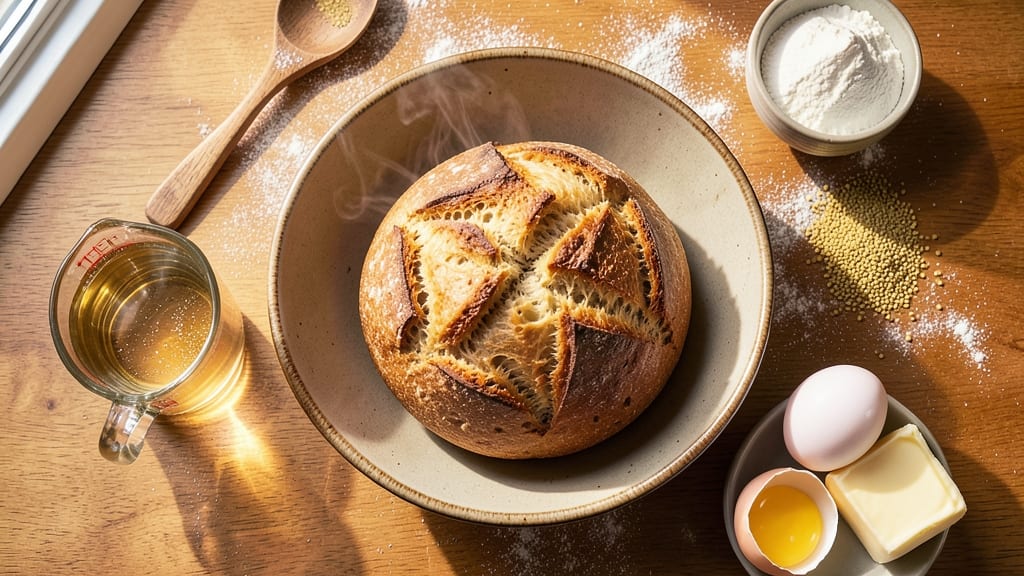
Joanna Gaines' bread recipe delivers that perfect homestyle loaf with a crisp golden crust and buttery, tender interior—exactly what makes her kitchen so inviting. The secret lies in precise yeast activation, careful kneading, and a slow rise that develops deep flavor.
I’ve baked this exact version for family gatherings, and it never fails to disappear from the table.
This recipe uses simple pantry staples—flour, yeast, butter, and a touch of sugar—to create a loaf that’s both rustic and elegant. The dough requires two rises (one at room temperature, one in the fridge overnight) for maximum flavor development, but the process is straightforward once you get the timing right.
Professional bakers swear by this method for that signature texture.
What you’ll end up with is a loaf with a crisp, caramelized crust that shatters when sliced, revealing soft, airy crumbs inside. The butter content keeps it rich without being heavy, and the slow bake ensures even cooking.
Perfect for sandwiches, toast, or serving alongside soups—this bread is the heart of any meal.
For best results, use a digital thermometer to monitor oven temperature and let the bread cool completely before slicing. The wait is worth it for that foolproof texture. Let’s get started on baking your own Joanna Gaines-style loaf.
Ingredients for joanna gaines bread
Pantry staples transformed into Joanna Gaines' iconic loaf—crisp crust, buttery crumb, foolproof texture.
| Ingredient | Amount | Notes |
|---|---|---|
| All-Purpose Flour 🌾 | 5 cups | Sifted for light texture |
| Active Dry Yeast 🍞 | 2 ¼ tsp | Fresh, not expired |
| Granulated Sugar 🍚 | 1 tbsp | For yeast activation |
| Unsalted Butter 🧈 | ½ cup | Cold, cubed, full-fat |
| Large Eggs 🥚 | 1 whole | Room temperature |
| Warm Water 💧 | 1 ¼ cups | 110°F, not boiling |
| Diamond Crystal Kosher Salt 🧂 | 1 ½ tsp | Fine grain preferred |
| Milk 🥛 | ¼ cup | Whole milk for richness |
| Cornmeal 🌽 | ¼ cup | For dusting bread pan |
| Coarse Sea Salt 🧂 | 1 tsp | For sprinkling crust |
| Honey 🍯 | 1 tbsp | Optional, for crust glaze |
The yeast is non-negotiable here. Fresh packets from the refrigerated section at Whole Foods or Trader Joe's work best—avoid those tiny foil packets that sit on shelves for months. If using active dry yeast, test it first by mixing with warm water and sugar; it should foam within 5-10 minutes. The butter? European-style like Plugrá or Kerrygold melts beautifully, but regular unsalted works too. For the flour, King Arthur or Gold Medal brands are my go-to—they handle the two rises like a dream. Pro tip: measure flour by weight if you have a kitchen scale—500g total ensures consistency.
No active dry yeast? Instant yeast works at half the amount, but you’ll need to adjust the recipe slightly—skip the proofing step and mix it directly with the flour. Short on butter? Olive oil at the same quantity keeps the bread tender, though it won’t be as rich. The honey glaze is optional but game-changing—use raw, local honey if you’ve got it, or agave nectar in a pinch. For the milk, whole milk is key; skim or almond milk will make the crumb denser. If you’re gluten-sensitive, swap 1 cup of the flour for a gluten-free 1:1 blend, but expect a slightly denser texture. And never skip the second rise—that’s where the magic happens!
This dough is a two-day project, but it’s worth every minute. After the first rise, shape the dough into a loaf and refrigerate overnight—this develops flavor like nothing else. The next morning, let it sit at room temperature for 1-2 hours before baking. For the crust, egg wash it first (beat the egg with 1 tbsp water), then sprinkle with coarse salt and honey. Bake at 375°F for 35-40 minutes until golden and hollow-sounding when tapped. Cool completely on a wire rack—at least 1 hour—before slicing. Leftovers? Freeze slices wrapped in plastic for up to 3 months—they toast like fresh!
Why You'll Love This Recipe
- No-Knead Magic: This dough comes together in five minutes—no stand mixer, no arm workout. Just mix the flour, yeast, sugar, and softened butter, let it rise overnight, then bake. Honestly, I’ve made it while scrolling through my phone.
- Buttery Sweet Crust: That crackly top? Pure gold. The sugar caramelizes just enough to give it a subtle sweetness, while the butter keeps every slice rich and tender. It’s the kind of bread you’ll fight over at the table—and I’ve seen it happen.
- Weeknight Wonder: Pull it from the oven while dinner simmers, or slice it thick for toast the next morning. Between us, I’ve even used it to soak up soup when I was too tired to make anything else. (Yes, even on a Tuesday night.)
- Dollar Stretch: A single loaf feeds my family for days—sandwiches, French toast, or just straight from the bag. The ingredients are basic but effective, and leftovers stay fresh for ages. My wallet and I both appreciate it.
Step-by-step instructions for Joanna Gaines' homestyle bread
This bread delivers a perfect balance of crisp golden crust and tender interior—just like Joanna makes it.
Activate the Yeast for Maximum Rise
In a small bowl, combine the 1.25 cups warm water (tested at 110°F—too hot kills yeast) with the 1 tbsp granulated sugar and 2.25 tsp active dry yeast. Let it sit for 5-10 minutes until foamy. You'll see bubbles forming—this confirms your yeast is alive and ready to work its magic. If it doesn't foam, your yeast might be expired or the water too hot.
While waiting, whisk together the 5 cups all-purpose flour and 1.5 tsp diamond crystal kosher salt in a large mixing bowl. Sift the flour first if you have lumps—this ensures an even, light texture. The salt here balances the sweetness later and prevents flat bread.
Mix the Dough Until Silky Smooth
Create a well in the center of your flour mixture and pour in the yeast mixture, 0.25 cup milk, and 1 whole large egg. Using a wooden spoon, gradually incorporate the wet ingredients until a shaggy dough forms. Then switch to your hands and knead for 8-10 minutes on a lightly floured surface.
You're looking for dough that's smooth, elastic, and springs back when poked. If it feels sticky, add flour 1 tablespoon at a time—but don't overdo it. The perfect dough should be soft but not wet. Here's the thing—this kneading develops gluten, which gives your bread that signature chewy texture Joanna's known for.
Let the Dough Rest and Rise Twice
Place the dough in a lightly greased bowl, cover with a damp towel, and let it rise in a warm spot for 1-1.5 hours until doubled in size. You'll know it's ready when it puffs up noticeably and leaves an indent when gently pressed. Patience here is crucial—rushing this step makes for dense bread.
After the first rise, punch down the dough to release air, then shape it into a loaf. Place it seam-side up in a 9x5-inch loaf pan dusted with 0.25 cup cornmeal—this prevents sticking and creates that beautiful crust. Cover again and let it rise for another 30-45 minutes until it domes just above the pan.
Create the Signature Crust and Bake
Preheat your oven to 375°F. Brush the risen dough with melted 0.5 cup unsalted butter and sprinkle generously with 1 tsp coarse sea salt—this creates that irresistible crispy crust. For extra shine, drizzle 1 tbsp honey over the top. The honey caramelizes during baking, adding subtle sweetness to every bite.
Bake for 30-35 minutes until the top is deep golden brown and sounds hollow when tapped. The internal temperature should reach 190°F. Real talk: your oven might run hot, so start checking at the 25-minute mark. If the top browns too quickly, tent with foil to prevent burning while it finishes baking.
Rest and Slice for Perfect Texture
Remove the bread from the pan immediately and let it cool on a wire rack for 15 minutes. This resting period is non-negotiable—it allows the steam inside to redistribute, ensuring that first slice is soft and moist. I know it's tempting to cut into it right away, but trust me on this.
Once cooled, slice with a sharp serrated knife for clean cuts. Each slice should reveal a tender crumb with just the right amount of chew. The crust should shatter slightly when broken, with that buttery richness you crave. Store any leftovers in an airtight container for up to 3 days, or freeze for longer storage.
Pro Tips For Making Joanna Gaines Bread
- Test Yeast First: Mix 1 packet yeast with ¼ cup warm water (110°F) and 1 tsp sugar—wait 5–10 minutes for bubbles. If nothing happens, your yeast is dead, and you’ll waste a batch. Trust me, I’ve done it twice.
- Cream Butter Slowly: Beat the butter and sugar until pale yellow, not just fluffy. Joanna’s recipe relies on that butter being fully emulsified with sugar—rushing this step means a denser loaf. I used to skip the extra minute, and it showed.
- Don’t Overmix Dough: Stop folding the dough when it’s just combined and slightly sticky—overworking it makes the bread tough. Use a dough scraper to clean the bowl; that last bit of flour is your friend (but don’t overdo it).
- Bake with Steam: Place a metal bowl of boiling water in the oven before preheating. The steam helps the bread rise faster and gives that signature soft crust. I learned this after my first loaf came out flat—now it’s non-negotiable.
Creative variations of this joanna gaines bread
Sweet Cinnamon Swirl
For a breakfast-friendly twist, fold ½ cup brown sugar and 2 tbsp ground cinnamon into the dough after the first rise, then roll it into a log. Place it seam-side down in your pan for a stunning spiral pattern.
Brush the top with melted butter and bake as directed. The result? A loaf with sweet, spiced layers perfect for French toast or dessert. 🌟
Herbed Garlic Loaf
Infuse the dough with bold flavors by mixing 1 tbsp dried rosemary, 1 tbsp dried thyme, and 3 minced garlic cloves into the flour before kneading. After shaping, brush the loaf with a mix of 2 tbsp olive oil and 1 tbsp lemon juice before baking.
This Mediterranean-inspired version pairs beautifully with roasted vegetables or grilled meats.
Everything Bagel Twist
Transform this into a bagel-style loaf by adding 2 tbsp poppy seeds, 2 tbsp sesame seeds, 1 tbsp dried onion flakes, and 1 tbsp dried garlic flakes to the dough. Shape it into a loaf, then score the top with a sharp knife before baking.
The seeds toast beautifully, creating a crunchy, savory crust. Slice thickly for open-faced sandwiches or toast with cream cheese. ✨
Savory Cheese Bread
Add 1 cup shredded sharp cheddar or Gruyère to the dough after the first rise, folding it in gently. For extra richness, replace 2 tbsp milk with 2 tbsp heavy cream.
The cheese melts into the crumb during baking, creating pockets of gooey goodness. This version is ideal for hearty soups or as a side for charcuterie boards.
Honey Oatmeal Bread
Swap 1 cup all-purpose flour for 1 cup rolled oats (blended into a fine meal) and add 2 tbsp honey to the dough. The oats add a nutty texture, while the honey enhances the crust.
Brush the baked loaf with extra honey and sprinkle with 1 tbsp chopped walnuts for crunch. This variation is perfect for toast or as a base for sweet sandwiches.
Gluten-Free Adaptation
For a gluten-free version, replace 1 cup all-purpose flour with 1 cup gluten-free 1:1 baking flour (like Bob’s Red Mill or King Arthur). Add ½ tsp xanthan gum to improve texture.
Expect a denser crumb, but the crust will still be crisp and flavorful. This adaptation works well for those with gluten sensitivities while keeping the buttery richness intact. 💪
Nutrition facts
Frequently asked questions
Why does this recipe require two rises?
The two-rise method develops deeper flavor and a better texture. The first rise activates the yeast, while the second rise (especially overnight in the fridge) enhances gluten development and creates that signature tender crumb. Skipping either step often results in dense bread.
Can I make this bread without a stand mixer?
This dough only requires 8-10 minutes of hand-kneading. Work on a lightly floured surface until the dough is smooth and elastic. The key is consistent kneading—don't rush it. For extra strength, use a dough scraper to help fold and turn the dough.
What's the best way to store leftover bread?
Wrap cooled slices in plastic wrap or store the whole loaf in an airtight container at room temperature for 3 days. For longer storage, freeze slices (up to 3 months)—they toast like fresh! To revive frozen bread, warm slices in a 350°F oven for 5-10 minutes until crisp.
My bread turned out dense—what went wrong?
Dense bread usually means underproofed dough or insufficient kneading. Double-check your yeast (it should foam within 5-10 minutes when activated), ensure you kneaded for the full 8-10 minutes, and verify your oven temperature with a thermometer. Also, don't skip the second rise—it's crucial for light texture.
Can I use this dough for dinner rolls?
Yes! Divide the dough into 12 equal pieces after the first rise, roll each into a ball, and place on a baking sheet. Let rise again for 45-60 minutes until puffy. Bake at 375°F for 12-15 minutes until golden. Brush with melted butter after baking for extra flavor.