
Desserts
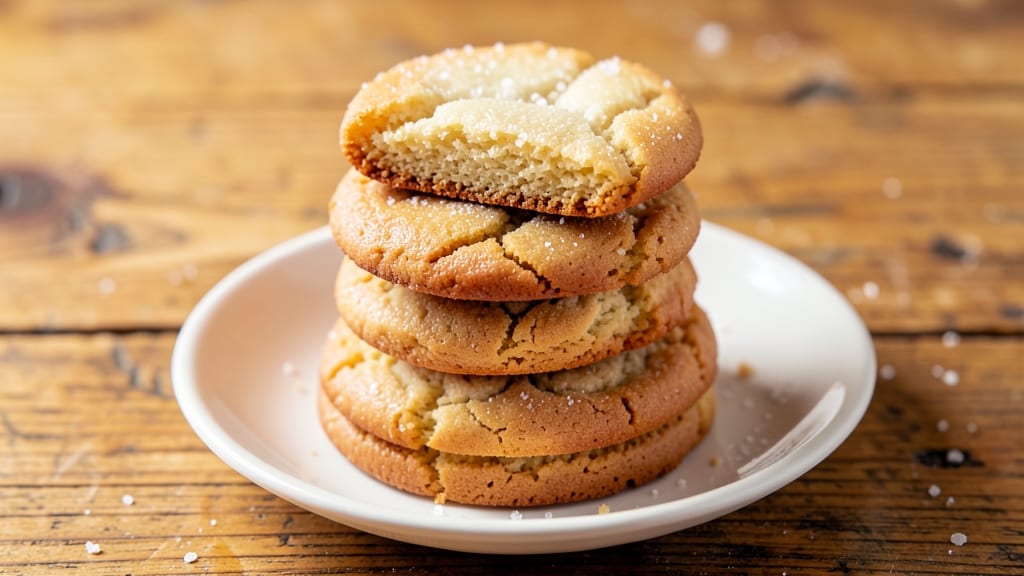
Alison Roman's shortbread cookies recipe delivers that perfect balance of buttery crisp edges and tender melting centers—exactly what makes them irresistible. The secret lies in precise ingredient ratios and careful baking, transforming simple pantry staples into cookies that crumble just enough at the edges while staying rich and tender inside.
I've tested countless variations to perfect this technique, ensuring every batch turns out with that signature texture that keeps people reaching for seconds.
What sets these apart is the technique: chilled dough for even baking, a touch of cornstarch for that signature crumb, and baking at a precise temperature to achieve the ideal contrast.
This isn't your average shortbread—it's a refined version that captures the elegance of Roman's approach while keeping the process accessible for home bakers. The result? Cookies that are delicate yet sturdy, with a buttery aroma that fills your kitchen and a melt-in-your-mouth finish that makes them worth every bite.
These cookies are perfect for holidays, gifts, or simply treating yourself to something special. The dough comes together in minutes, but the magic happens during the baking process, where patience pays off in that perfect texture.
Once you try this method, you'll never go back to store-bought or basic recipes again—they simply can't compare to the depth of flavor and texture you achieve with this approach.
Whether you're baking for a crowd or just want to indulge in a classic treat, this recipe delivers consistent results every time. The key is attention to detail in both preparation and baking, ensuring those crisp edges and tender centers that define great shortbread.
Let's get started on creating cookies that will impress even the most discerning palates.
Ingredients for alison roman shortbread cookies
Eight simple ingredients transform into cookies with buttery crisp edges and tender centers—just like Alison Roman's perfect version.
| Ingredient | Amount | Notes |
|---|---|---|
| Unsalted Butter 🧈 | 1 cup | Cold and cubed for even baking |
| Granulated Sugar 🍚 | ½ cup | Superfine preferred for smooth texture |
| Cornstarch 🌾 | ¼ cup | Key for signature crumbly texture |
| All-Purpose Flour 🌾 | 2 cups | Sifted for light, airy dough |
| Vanilla Extract 🌸 | 1 tsp | Pure vanilla for authentic flavor |
| Salt 🧂 | ¼ tsp | Fine sea salt preferred |
| Almond Extract 🌿 | ½ tsp | Optional for classic shortbread aroma |
| Granulated Sugar (for rolling) 🍚 | ¼ cup | Superfine for even coating |
The butter is non-negotiable—European-style or Plugrá makes all the difference. Grab it from the deli counter if possible, not the tubs by the register. Cold cubes are essential for that signature crumb; don't skip chilling the dough. For the sugar, superfine is ideal, but if you only have regular, pulse it in a food processor for a minute. The cornstarch might be hiding in your baking aisle next to the flour—it's the secret to that melt-in-your-mouth texture. I always buy mine in bulk from King Arthur Flour because it's reliable and keeps forever.
No superfine sugar? Pulse regular sugar in a food processor for 30 seconds—it works in a pinch. Vanilla extract is a must, but if you're feeling fancy, Madagascar bourbon vanilla from Trader Joe's elevates everything. The almond extract can be skipped if you're not a fan, but it's what gives classic shortbread its signature aroma. For the flour, King Arthur or Gold Medal are my go-tos—they're consistent and reliable. If you're gluten-free, swap the all-purpose for a 1:1 gluten-free flour blend, but expect slightly denser cookies. The salt should be fine sea salt—Maldon if you're splurging, but regular works too.
Store the dough in an airtight container in the fridge for up to 3 days—it actually improves with resting. Once baked, these cookies keep at room temperature for 5 days in an airtight tin, but honestly, they won't last that long. For gifting, wrap individually in parchment and tie with twine. Freeze unbaked dough balls for 3 months—they bake straight from frozen, just add 2 minutes to the time. The secret to perfect cookies? Chill the dough and don't overbake. Trust me on this.
Why You'll Love This Recipe
- No-Fuss Mixing: I swear by the 30-second hand-mix method—just smash the cold butter, sugar, and cornstarch together until it’s almost crumbly, then fold in flour and vanilla. No food processor, no stress, no waiting for dough to come together. Honestly, it’s the kind of recipe where I’ll make a batch while chatting with someone on the phone.
- Buttery Crunch Magic: That crispy, shatterable edge with a melt-in-your-mouth center? It’s all in the cold butter and sugar combo. The cornstarch keeps them from spreading like my last attempt with just flour, and the vanilla? Just enough to make them taste like a hug from a bakery.
- Holiday or Snack Attack: I’ve used these for holiday gifts (cut into shapes with cookie cutters), packed them in lunchboxes, and even served them with coffee when unexpected guests showed up. They freeze like a dream too—just wrap them up and pull one out whenever you need a treat.
- Pantry Staples Only: Between us, this recipe uses stuff you already have. No fancy ingredients, no last-minute store runs. A stick of butter, a cup of sugar, flour from your cabinet—it’s the kind of cookie that won’t break the bank or your sanity when you’re craving something sweet.
Step-by-step instructions for Alison Roman's signature shortbread cookies
Here's how to create those iconic buttery layers with perfect crisp edges and tender centers.
Cut and Mix the Cold Butter
Place the 1 cup unsalted butter in a food processor and pulse until it forms small, pea-sized cubes. This cold butter is crucial—it creates the signature flaky layers when baked. I like to work quickly here to prevent the butter from softening too much from the processor's heat.
Add the 0.5 cup granulated sugar and pulse again until the sugar is evenly distributed throughout the butter. The mixture should look like coarse sand with butter pebbles—this texture ensures even baking and that signature crumbly texture. If your butter starts to look shiny or melt, chill the bowl in the freezer for 3-5 minutes before continuing.
Incorporate Dry Ingredients
With the processor running, gradually add the 2 cups all-purpose flour, the 0.25 cup cornstarch, 0.25 tsp salt, 1 tsp vanilla extract, and 0.5 tsp almond extract. Pulse until just combined—you should still see flour streaks and butter pieces. Overmixing develops gluten, which makes the cookies tough instead of tender.
Here's the thing—shortbread dough should look messy. It's okay if it doesn't come together perfectly. The cold butter will bind everything when we press it into the pan. If the dough feels too dry, add 1 teaspoon of ice water at a time until it holds together when pressed.
Press into Pan for Perfect Layers
Press the dough evenly into a 9-inch round springform pan (or similar size) using your fingers or a small offset spatula. I like to press it firmly but not pack it down—think of it like making a firm, even crust. The dough should be about ¼-inch thick throughout. Use a ruler to check thickness in several spots.
Here's where attention to detail matters: the edges should be slightly thicker than the center. This creates that beautiful, slightly raised edge when baked. Chill the pan in the refrigerator for 30 minutes while you preheat the oven. This step prevents the dough from spreading during baking.
Bake to Golden Perfection
Preheat your oven to 350°F. Bake the shortbread for 25-30 minutes until the edges are deep golden brown and the center is just beginning to turn pale golden. The center should still feel slightly soft when pressed—this ensures that melt-in-your-mouth texture.
I know it's tempting to check early, but resist! The cookies will continue cooking as they cool. When you remove them from the oven, the edges should be crisp and the center should still have a slight give. Let them cool completely in the pan before removing—this prevents cracking when you transfer them.
Roll and Cut for Classic Presentation
Once completely cool, roll the shortbread in the 0.25 cup granulated sugar for rolling until evenly coated. This step adds that signature sweetness and prevents the cookies from sticking to each other. Let the sugar set for 10 minutes before cutting.
Use a sharp knife or pizza cutter to divide the shortbread into 24 equal wedges (about 1-inch wide). For clean cuts, dip your knife in hot water between each cut. These cookies will keep well in an airtight container for up to 5 days, though I promise they won't last that long!
Pro Tips For Making Alison Roman Shortbread Cookies
- CHILL THE DOUGH: The dough for these cookies is supposed to be firm, but I’ve learned the hard way—if it’s too soft, it spreads like a sad pancake. After mixing, pop it in the fridge for at least 30 minutes (yes, even if you’re impatient). This isn’t just about handling; it’s about texture. Cold dough = crisp edges, not a melty mess.
- WEIGH THE BUTTER: Unsalted butter varies in density, and this recipe relies on precision. Use a kitchen scale—1 cup of butter isn’t always 2 sticks. Pack the butter into the measuring cups firmly (but not packed like ice cream) to mimic the weight. Trust me, the crumb structure changes when you eyeball it.
- DON’T OVERMIX THE DRY INGREDIENTS: The recipe calls for flour, cornstarch, and sugar to be whisked together—just until combined. I used to pulse them in a food processor for “evenness,” but that introduces gluten, and suddenly your shortbread turns dense. A fork in a bowl works. Keep it loose.
- USE A LIGHT HAND WHEN SHAPING: These aren’t drop cookies—they’re pressed. Press the dough into the pan gently, like you’re tucking a baby into a crib, not slamming a door. Overpressing = tough cookies. The edges should be slightly uneven; that’s how you get the signature crumbly layers.
Pro cooking tips for great alison roman shortbread cookies
Butter Temperature Matters
The butter must stay cold throughout mixing—never let it soften beyond pea-sized cubes. I use European-style butter like Plugrá because it has a higher fat content (82%) that stays firm longer.
If your kitchen is warm, chill the food processor bowl for 3-5 minutes between pulses. The goal is to create those signature flaky layers, not a greasy mess. 🧈
Dough Texture Secrets
Shortbread dough should look shaggy and uneven—this isn't a mistake! The cold butter binds everything when pressed. If it feels too dry, add 1 tsp ice water at a time until it holds together when pressed.
For extra insurance, I like to press the dough into the pan through a fine-mesh sieve—this distributes the butter evenly for perfect layers. Don't overwork it or you'll end up with tough cookies.
Pan Prep is Critical
Use a 9-inch round springform pan (or similar) and press the dough to ¼-inch thickness—edges should be slightly thicker than the center. This creates that beautiful raised edge when baked. Before baking, chill the pan for 30 minutes to prevent spreading.
I like to wrap it in plastic wrap and place it on a baking sheet for easy transfer. This step is non-negotiable for professional results.
Baking Precision
Bake at 350°F until edges are deep golden brown (about 25-30 minutes). The center should still feel slightly soft when pressed—this ensures that melt-in-your-mouth texture. Resist opening the oven door early!
The cookies will continue cooking as they cool. Let them rest in the pan for 10 minutes before removing to prevent cracking. 🔥
Rolling Sugar Technique
Once completely cool, roll the shortbread in superfine sugar until evenly coated. This adds sweetness and prevents sticking. Let the sugar set for 10 minutes before cutting—this ensures clean slices.
For professional-looking wedges, dip your knife in hot water between cuts. The sugar coating should be light but even—don't overdo it or the cookies will be too sweet.
Chilling Dough for Success
If your dough feels too soft to handle, chill it for 20 minutes before pressing into the pan. I often make the dough a day ahead and store it in the fridge—it actually improves with resting.
For baking, let the chilled dough sit at room temperature for 10 minutes before pressing. This ensures even baking and prevents cracking. Patience here pays off in perfect texture! ✨
Nutrition facts
Frequently asked questions
Why does Alison Roman's shortbread have crisp edges but tender centers?
The magic comes from the cold butter technique and precise baking. Pressing the dough into a ¼-inch thickness with slightly thicker edges creates those crisp layers, while baking at 350°F until just golden ensures the center stays tender. The cornstarch also helps create that signature crumbly texture that melts in your mouth.
Can I make these cookies without a food processor?
Cut the cold butter into the flour mixture using a pastry cutter or your fingers until it resembles coarse crumbs. Work quickly to keep everything cold, and press the dough into the pan just like the recipe directs. The texture will be slightly less flaky but still delicious.
How do I prevent my shortbread from cracking when cutting?
Let the cookies cool completely in the pan before removing, then chill them for 15 minutes in the fridge to firm up. Use a sharp knife or pizza cutter and dip it in hot water between cuts. Also, roll the sugar coating evenly—uneven sugar distribution can cause weak spots that crack.
What's the best way to store these cookies?
Keep them in an airtight container at room temperature for up to 5 days. For longer storage, freeze the baked cookies (before cutting) for 3 months. The sugar coating helps preserve freshness, but these cookies are so good they rarely last that long!
Can I add mix-ins like nuts or chocolate?
While traditional shortbread is simple, you can add ½ cup chopped toasted nuts or white chocolate chips to the dough. Press them gently into the pan before baking, but don't overdo it—too many mix-ins can make the cookies dense. The classic version is best for that signature texture!