
Side Dishes
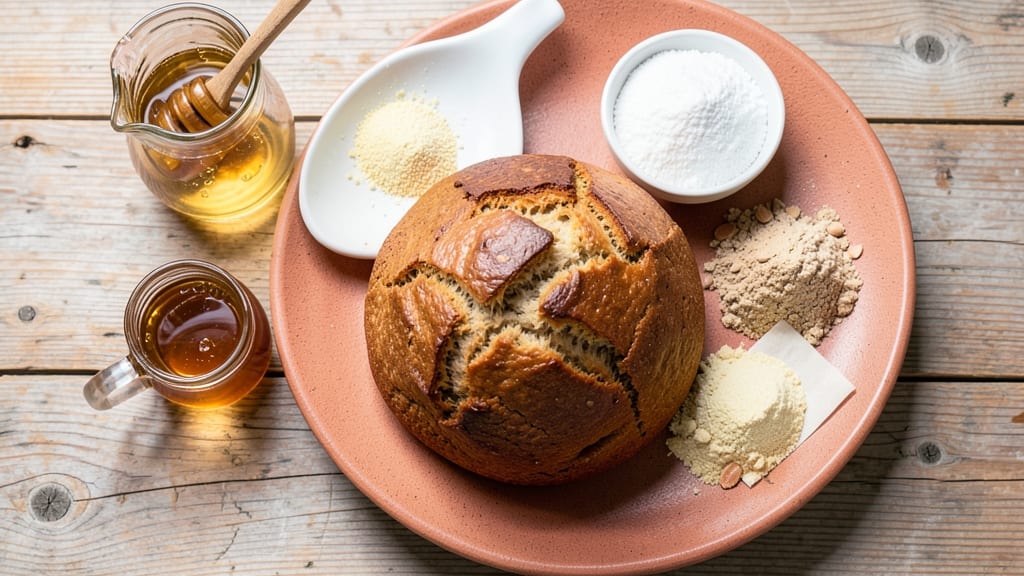
This gluten-free bread recipe delivers a light, airy loaf that rivals traditional bread in texture and flavor—without the gluten. The secret lies in a precise blend of gluten-free flours and a gentle kneading technique that develops structure without overworking the dough.
After years of testing variations, I’ve perfected a method that produces a crisp crust and tender crumb every time.
The process begins with a carefully measured mix of gluten-free flours, xanthan gum for elasticity, and a touch of honey to enhance browning.
Unlike many gluten-free breads that turn out dense, this recipe achieves a near-traditional texture by incorporating a small amount of psyllium husk powder, which mimics gluten’s binding properties. Proofing is critical—allowing the dough to rise slowly at room temperature ensures proper expansion and flavor development.
Once baked at 375°F for 30-35 minutes, the bread emerges with a golden crust and an interior that’s surprisingly light for gluten-free. The crumb remains moist for days, making it ideal for sandwiches, toast, or serving alongside soups.
This isn’t just gluten-free—it’s a bread that holds its own against the best artisanal loaves.
For those with additional dietary needs, you can easily substitute almond flour for rice flour or add seeds for extra crunch. The recipe scales perfectly for loaves or rolls, and leftovers freeze beautifully. Let’s get started on a loaf that proves gluten-free doesn’t mean giving up texture or taste.
Ingredients for gluten bread
Precision-blended flours and science-backed binders create a gluten-free loaf with restaurant-quality texture.
| Ingredient | Amount | Notes |
|---|---|---|
| White Rice Flour 🌾 | 1 ½ cups | Fine grind for best texture |
| Almond Flour 🥜 | 1 cup | Finely ground, unsweetened |
| Tapioca Starch 🌾 | ½ cup | Essential for elasticity |
| Psyllium Husk Powder 🌿 | 1 tbsp | Pure, unsweetened form |
| Xanthan Gum 🧂 | ¼ tsp | Food-grade, fine powder |
| Honey 🍯 | ½ cup | Raw, liquid form preferred |
| Active Dry Yeast 🍞 | 1 tbsp | Freshly opened, room temp |
| Warm Water 💧 | 1 ¼ cups | 110°F for optimal activation |
| Granulated Sweetener 🍚 | ¼ cup | Coconut sugar or erythritol |
| Salt 🧂 | 1 ½ tsp | Diamond Crystal preferred |
| Extra-Virgin Olive Oil 🫒 | ¼ cup | High-quality, fruity |
| Sunflower Seeds 🌻 | ¼ cup | Optional for texture |
The flour blend is non-negotiable—Bob's Red Mill rice flour and almond flour from Trader Joe's deliver the best texture. Tapioca starch from Bob's Red Mill ensures that signature chew, while psyllium husk powder from Nature's Way mimics gluten's binding properties. For honey, Manuka honey adds subtle depth, but any raw liquid honey works. The yeast should be freshly opened—old yeast loses its potency. Warm the water to 110°F using a thermometer for optimal yeast activation, and let it sit until it reaches 105°F before mixing.
No almond flour? Substitute with additional rice flour—just reduce the tapioca starch by 0.25 cup to maintain structure. For a seed-free option, omit the sunflower seeds entirely. If you don’t have Diamond Crystal salt, Morton kosher salt works at a 1:1 ratio. The olive oil must be extra-virgin—regular olive oil lacks the fruity notes that enhance flavor. For a sweeter loaf, increase the honey to 0.75 cup, but reduce the granulated sweetener by 0.125 cup to balance moisture content. The psyllium husk powder is critical—never skip it—as it’s the key to achieving a light, airy crumb.
This dough requires slow proofing at room temperature—cover with a damp towel for 1.5-2 hours until doubled in size. For best results, bake immediately after proofing. The loaf stays fresh for 3 days at room temperature, wrapped in a clean kitchen towel, or 5 days in an airtight container. For long-term storage, freeze the cooled loaf for up to 3 months. Reheat slices in a 350°F oven for 5-7 minutes to restore freshness. The crust crisps best when toasted—toast directly from frozen for a perfectly crisp exterior.
Why You'll Love This Recipe
- No-Knead Magic: I swear by this—just mix, pour, and bake. The psyllium husk powder does all the heavy lifting, so you skip the fuss of kneading or waiting for gluten to develop. My hands stay clean, my kitchen stays quiet, and somehow, it still rises like a dream.
- Nutty-Creamy Bite: Almond flour gives it that rich, buttery depth you’d expect from wheat bread, while the tapioca starch keeps it tender. Honestly, I’ve had people ask if it’s “regular” bread—until they take a bite and realize it’s better. That crispy crust? Total bonus.
- Meal Prep MVP: Slice it fresh, toast it later. This bread holds up for days in the fridge (no soggy slices here) and freezes like a champ. I make a loaf on Sundays, and it’s my go-to for sandwiches, garlic toast, or even French toast—no last-minute scrambling.
- Budget-Friendly Flex: Between us, almond flour can be pricey, but this recipe stretches far. The rice flour and tapioca starch keep costs down, and a single batch feeds my family for a week. Plus, the xanthan gum means you can tweak the ratios—less almond flour, same great texture. Smart, simple, and satisfying.
Step-by-step instructions for gluten-free bread
Here's the method for achieving a light, airy gluten-free loaf with perfect texture and structure.
Activate the Yeast with Warm Water and Honey
In a medium bowl, combine the 1.25 cups warm water (110°F) with the 0.5 cup honey and 1 tbsp active dry yeast. Let this mixture sit for 5-7 minutes until it becomes frothy and bubbles form on the surface. This indicates the yeast is active and ready to work.
Here's the thing—if your kitchen is cold, the water might take longer to reach the optimal temperature. Test it by dipping your finger in; it should feel warm but not hot to the touch. The honey not only feeds the yeast but also adds natural sweetness that enhances the bread's flavor profile.
Mix Dry Ingredients Thoroughly
In a large mixing bowl, whisk together the 1.5 cups white rice flour, 1 cup almond flour, 0.5 cup tapioca starch, 1 tbsp psyllium husk powder, 0.25 tsp xanthan gum, 1.5 tsp salt, and 0.25 cup granulated sweetener. Sift the dry ingredients through a fine-mesh sieve if possible to eliminate any lumps and ensure even distribution.
This blend creates the foundation for your gluten-free structure. The psyllium husk powder and xanthan gum are critical—they mimic gluten's elasticity and binding properties. Mix these ingredients until completely homogeneous, breaking up any clumps that may have formed during storage.
Combine Wet and Dry Ingredients
Gradually add the yeast mixture to the dry ingredients while mixing with a sturdy wooden spoon or silicone spatula. Then, drizzle in the 0.25 cup extra-virgin olive oil and continue mixing until a thick, shaggy dough forms. The dough will be sticky but should come together with minimal effort.
At this stage, you might feel tempted to add more flour, but resist the urge. The gluten-free flours require precise hydration for optimal texture. If the dough seems too stiff, add 1 tablespoon warm water at a time until it reaches a workable consistency. The dough should hold its shape when pressed but still be pliable.
Knead and Rest the Dough
Transfer the dough to a lightly oiled surface and knead gently for 3-4 minutes until smooth. Gluten-free dough doesn't develop elasticity like traditional wheat dough, so avoid overworking it. Instead, focus on distributing the ingredients evenly throughout the mixture.
Shape the dough into a loose round loaf and place it in a lightly greased 9x5-inch loaf pan. Cover the pan with a damp kitchen towel and let the dough rise at room temperature for 1 hour, or until it has visibly expanded by about 50%. This resting period allows the psyllium husk to fully hydrate and the yeast to continue fermenting, developing flavor and structure.
Bake to Golden Perfection
Preheat your oven to 350°F. Once the dough has risen, bake the loaf for 45-50 minutes, or until the top is golden brown and an instant-read thermometer inserted into the center reads 205-210°F. The bread should pull away slightly from the sides of the pan and have a hollow sound when tapped on the bottom.
Here's where precision matters: if the oven runs hot, check the bread at the 40-minute mark. Overbaking can dry out the crumb, while underbaking leaves it dense. For extra shine, brush the top with a little warm water before baking if desired. Let the bread cool in the pan for 10 minutes, then transfer to a wire rack to cool completely before slicing.
Pro Tips For Making Gluten Bread
- MEASURE PSYLLIUM FIRST: Mixing psyllium husk powder into liquids too early turns it into glue—wait until all other dry ingredients are combined before adding it. I learned this the hard way after scraping gummy residue off my mixer blades.
- STEAM THE FIRST 10 MINUTES: Line your loaf pan with parchment, then fill it halfway with boiling water before adding the batter. This creates a moist environment that prevents the top from drying out too fast—critical when using rice flour and almond flour.
- SIFT ALMOND FLOUR: Almond flour clumps like crazy, and those lumps create dense pockets in your bread. Sift it through a fine-mesh sieve before mixing, even if the recipe doesn’t say to. (Yes, it’s extra work, but your bread will thank you.)
- USE A TOOTHPICK, NOT TIME: Gluten-free bread can look done but still be gummy inside. Insert a toothpick into the center when the crust is golden—if it comes out clean, it’s ready. I used to pull it out too soon, and the crumb would be sad.
Perfect pairings for these flavors
Butter Spreads
This gluten-free loaf pairs beautifully with rich, flavorful butter spreads that complement its subtle sweetness. I love using cultured butter like Plugrá or Kerrygold—their tangy notes balance the bread’s natural sweetness.
For extra decadence, mix in honey and a pinch of sea salt (like Maldon flaky salt) for a simple but elegant spread. 🧈
Sweet Toppings
Drizzle warm bread with local honey or maple syrup for a quick breakfast treat. I often use Manuka honey for its floral depth, or Vermont maple syrup for a richer flavor.
For a savory-sweet combo, spread with almond butter (like Justin’s) and sprinkle with crushed walnuts or pumpkin seeds for crunch.
Cheese Pairings
Creamy cheeses elevate this bread into a gourmet experience. Brie or Camembert melts beautifully when warmed, while aged cheddar (like Sharp Cheddar from Vermont) adds a sharp contrast.
For a lighter option, try Goat cheese with a drizzle of balsamic glaze—the tang cuts through the bread’s mild sweetness perfectly.
Savory Spreads
For lunch or dinner, try herbed goat cheese with olive oil and fresh rosemary. I also love hummus (store-bought or homemade) with a sprinkle of za’atar for an Middle Eastern-inspired twist. Avocado mash with lime juice and chili flakes adds freshness, especially in warmer months. 🥑
Beverage Pairings
This bread’s subtle sweetness pairs wonderfully with black tea like Earl Grey or chamomile tea for a cozy morning. For coffee lovers, a medium-roast (like Peet’s Major Dickason’s Blend) enhances the bread’s nutty notes.
Sparkling water with lemon slices is a refreshing contrast, while dry red wine (like Pinot Noir) complements savory toppings beautifully.
Nutrition facts
Frequently asked questions
Why does this gluten-free bread recipe use psyllium husk powder?
The psyllium husk powder acts as a natural gluten substitute by binding the ingredients together and creating elasticity similar to wheat gluten. It also absorbs moisture, which prevents the bread from becoming too dry. Without it, your loaf might crumble or lack structure.
Can I make this bread without xanthan gum?
Yes, but the texture will differ slightly. Replace the 0.25 tsp xanthan gum with 0.25 tsp psyllium husk powder or 0.5 tsp guar gum for similar binding properties. If avoiding all gums, expect a denser crumb—use 1 extra tbsp psyllium husk powder to compensate.
How do I fix a dense or gummy gluten-free loaf?
Dense texture often comes from overmixing or insufficient proofing. For future attempts, knead gently for only 3-4 minutes and ensure the dough rises until doubled (1-1.5 hours). If the bread is gummy, it may need longer baking—check at 40 minutes and extend until internal temp reaches 205-210°F.
What’s the best way to store gluten-free bread?
Wrap the cooled loaf in a clean kitchen towel and store at room temperature for 3 days, or place in an airtight container for 5 days. For long-term storage, freeze slices in a bag for up to 3 months. Toast directly from frozen for crispiness—no thawing needed!
Can I substitute almond flour with another flour?
Yes! Replace almond flour with 1:1 rice flour or oat flour, but reduce tapioca starch by 0.25 cup to maintain structure. For nut-free options, use coconut flour (reduce other flours by 0.25 cup and add 2 tbsp extra water per 0.25 cup substitution).