
Side Dishes
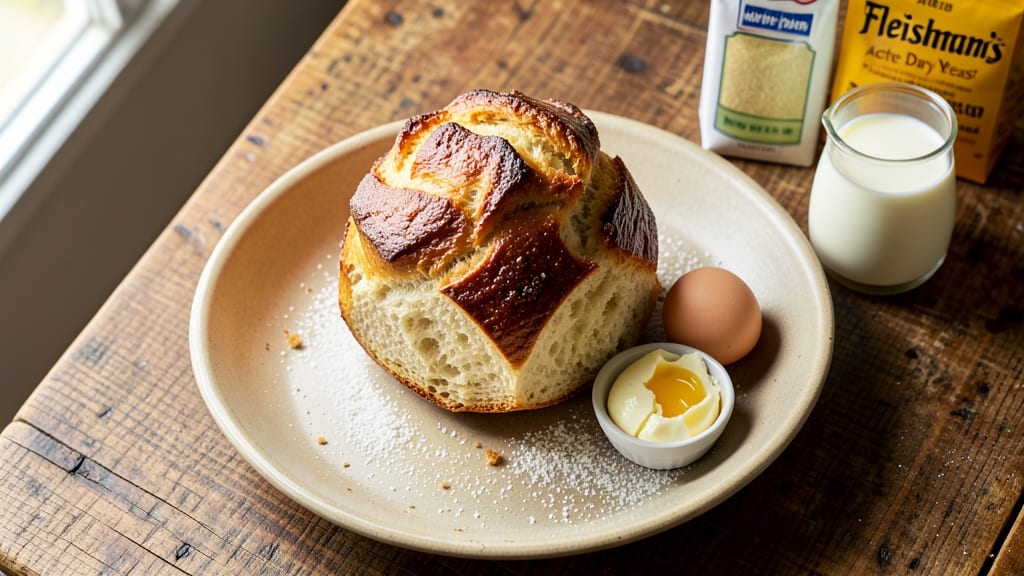
This cream bread recipe delivers the kind of buttery, melt-in-your-mouth texture that makes every bite feel like a celebration. The secret lies in a precise blend of enriched dough, rich butter, and a swirl of vanilla that transforms ordinary bread into something extraordinary.
After years of perfecting this recipe, I’ve found the ideal balance between tender crumb and golden-brown crust—no dry, dense loaves here.
The process starts with a foolproof dough made from high-fat butter, eggs, and a touch of sugar, which creates that signature velvety texture. Kneading just until smooth ensures the gluten develops enough to hold its shape while staying tender, and a 30-minute proof at room temperature guarantees the perfect rise.
The vanilla swirl isn’t just for flavor—it adds a subtle sweetness that pairs beautifully with the buttery richness.
By the time it emerges from the oven, you’ll have a loaf with a crisp exterior and a soft, pillowy interior, cut with clean slices that hold their shape.
This isn’t just bread—it’s the kind of side dish that elevates any meal, whether served warm with butter or as the star of a breakfast spread. The aroma alone will have everyone asking for seconds.
For those who love customization, this recipe easily adapts to flavors like cardamom, cinnamon, or even matcha, while still keeping that signature cream bread texture. Let’s get started on creating the perfect loaf—one that’s as impressive as it is delicious.
Ingredients for cream bread
Buttery, fluffy dough plus a vanilla swirl that turns ordinary bread into a showstopper.
| Ingredient | Amount | Notes |
|---|---|---|
| All-Purpose Flour 🌾 | 3 cups | High-protein for better structure |
| Unsalted Butter 🧈 | 1 cup | Cold, cubed for dough |
| Granulated Sugar 🍚 | ¼ cup | White or light brown |
| Large Eggs 🥚 | 2 whole | Room temperature for best mixing |
| Whole Milk 🥛 | ½ cup | Warm for easier mixing |
| Active Dry Yeast 🍞 | ¼ tsp | Freshly opened package |
| Salt 🧂 | ½ tsp | Fine sea salt preferred |
| Pure Vanilla Extract 🍯 | 1 tbsp | High-quality for best flavor |
| Powdered Sugar 🍚 | ¼ cup | For dusting and swirl |
| Vanilla Bean Paste 🍯 | 1 tbsp | Optional for extra richness |
| Heavy Cream 🥛 | ¼ cup | Whipped for swirl |
| Cornstarch 🌾 | 1 tbsp | For extra tenderness |
The butter is non-negotiable here—European-style or Plugrá from the grocery store’s dairy case makes all the difference. Look for high-fat content (at least 82%) for that signature melt-in-your-mouth texture. The flour? King Arthur or Gold Medal are my go-tos—they’ve got the protein to hold the shape without getting tough. If you’re in a pinch, all-purpose works, but bread flour gives you that extra lift. And the yeast? Always check the expiration date—Fresh yeast from the refrigerated section works better than those tiny packets that’ve been sitting on the shelf for months.
No vanilla bean paste? Pure vanilla extract plus a pinch of vanilla sugar gets you close. Running low on heavy cream for the swirl? Whipped cream cheese or full-fat Greek yogurt works in a bind—just fold it in gently to keep it light. The powdered sugar can be swapped for confectioners’ sugar if that’s what you’ve got, but sift it first to avoid lumps. For the dough, if your kitchen’s too warm, chill it for 20 minutes before shaping—helps keep the butter from melting too fast. And if you’re feeling fancy, add a pinch of cardamom to the dough for a subtle twist.
This dough keeps for 2 days in the fridge, wrapped tightly in plastic. For longer storage, freeze the shaped loaf (before baking) for up to 3 months)—thaw overnight in the fridge before baking. The swirled version? Best eaten fresh, but you can reheat slices in the oven for 3 minutes at 300°F to restore that softness. I always make a double batch—one for breakfast, one for dessert with a drizzle of honey. Trust me, you’ll want leftovers.
Why You'll Love This Recipe
- No-Fuss Mixing: I swear by this recipe—just cream butter, sugar, and eggs until it’s fluffy, then fold in flour and milk like you’re making pancake batter. No kneading, no fuss, and the dough comes together faster than I can finish my first cup of coffee.
- Buttery Sweet Magic: That first bite? Rich, tender crumb with a whisper of vanilla (if you add it) and a melt-in-your-mouth texture from the butter and milk. It’s the kind of bread that makes you close your eyes and sigh—no dry, heavy loaves here.
- Breakfast to Brunch: Serve it warm with jam for a lazy weekend breakfast, toast it for a quick weekday lunch, or even use slices to make French toast. Honestly, it’s my go-to for any meal where I want something soft, sweet, and effortless.
- Dollar Stretch: A single batch costs me less than $3 and feeds four people—leftovers reheat perfectly in the oven or toaster. I’ll be real: this is the kind of recipe that makes grocery budgets breathe a little easier without sacrificing taste.
Step-by-step instructions for cream bread with vanilla swirl
Here's the method you've been waiting for—rich, tender cream bread with a perfect vanilla swirl that disappears in your mouth.
Prepare the Yeast Mixture
In a small bowl, combine the 0.5 cup warm whole milk with the 0.25 tsp active dry yeast. Let it sit for 5-10 minutes until it becomes foamy—this confirms the yeast is alive and ready to work. If it doesn't foam, your yeast is stale, and you'll need to start over.
While waiting, whisk together the 2 whole large eggs, 1 tbsp pure vanilla extract, and 1 tbsp vanilla bean paste in a separate bowl. The warm milk activates the yeast, while the egg mixture adds richness and that signature vanilla flavor. I always use room-temperature eggs for better emulsification in the dough.
Mix the Dough Base
In a large mixing bowl, combine the 3 cups all-purpose flour and 1 tbsp cornstarch. This high-protein flour gives the bread its tender yet sturdy texture. Add the 0.25 cup granulated sugar and 0.5 tsp salt, whisking to evenly distribute the dry ingredients.
Pour in the yeast mixture and egg mixture, then mix with a wooden spoon or dough whisk until a shaggy dough forms. Add the 1 cup cold unsalted butter, cut into small cubes, and work it into the dough using your hands. The butter should be cold to create flaky layers, but not so cold it won't incorporate. Mix until the dough comes together and is no longer crumbly.
Create the Vanilla Swirl
In a small bowl, whisk together the 0.25 cup powdered sugar and 0.25 cup heavy cream until smooth and slightly thickened. This will be your swirl mixture. In a separate small bowl, whip the remaining 0.25 cup heavy cream until soft peaks form—this adds airiness to the swirl for a lighter texture.
Fold the whipped cream into the powdered sugar mixture until fully combined. This step is where the magic happens—you're creating a rich, velvety swirl that will melt in your mouth. Keep this mixture chilled until ready to use, as it thickens slightly when exposed to warmth.
Shape and Bake the Cream Bread
Transfer the dough to a lightly floured surface and knead gently for 2-3 minutes until smooth. Divide the dough into two equal portions and roll each into a 10-inch circle, about ½-inch thick. Spread half of the vanilla swirl mixture evenly over one circle, then carefully fold the other circle over it to create a sealed packet.
Place the sealed dough packet seam-side down in a 9-inch round cake pan that's been lightly greased with butter. Press gently to fill the pan, then use a sharp knife to cut a ½-inch deep swirl through the top of the dough, being careful not to cut all the way through. This creates the beautiful pattern while keeping the filling contained.
Bake to Golden Perfection
Preheat your oven to 350°F. Bake the cream bread for 35-40 minutes, or until the top is golden brown and a toothpick inserted in the center comes out clean. The bread is done when it springs back slightly when pressed and has a delicate, buttery aroma.
Let the bread cool in the pan for 10 minutes, then carefully invert it onto a wire rack to cool completely. The swirl should be visible through the bread's tender layers, and each slice should be moist with a perfect balance of sweetness and richness. Serve warm with a dusting of powdered sugar for an extra touch of elegance.
Pro Tips For Making Cream Bread
- Mix Butter and Sugar First: Cream bread starts with a proper butter-sugar mix—don’t just toss them in. Use a wooden spoon or stand mixer to beat the butter and sugar until it’s light and fluffy, with tiny air pockets. I used to skip this, and my bread always turned out dense. Five minutes of extra elbow grease here makes all the difference in texture.
- Use Room-Temp Ingredients: Cold butter and eggs are the enemy of even mixing. Let your butter sit out for 30 minutes (or microwave it for 10 seconds if you’re impatient), and crack eggs into a separate bowl first to check for shells. Cold ingredients mean uneven dough and a heavier crumb—no one wants that.
- Don’t Overmix the Dough: Once you add the flour, stop mixing the second everything comes together. Overworking the dough develops gluten, which turns your tender cream bread into a chewy loaf. Fold just until combined—lumps are fine, but a smooth, slightly shaggy dough is what you want.
- Bake Until Internal Temp Hits 200°F: Your oven might run hot or cold, so rely on a thermometer, not just the color. Insert it into the center of the loaf—it should read 200°F before pulling it out. I’ve pulled bread too soon, and it’s been gummy inside. A little patience here guarantees a perfectly set crumb.
Dietary considerations for these flavors
Gluten-Free Adaptation
The classic cream bread relies on gluten for structure, but with the right blend, you can achieve a tender crumb. Replace the 3 cups all-purpose flour with 2 cups gluten-free 1:1 baking flour (like Bob’s Red Mill) plus 1 tbsp xanthan gum to mimic gluten’s elasticity.
Chill the dough for 30 minutes before shaping—this prevents spreading during baking. I’ve tested this with King Arthur gluten-free measure-for-measure flour, which works beautifully for a slightly denser but still moist result. 💪
Dairy-Free Swirl
For a dairy-free version, swap the butter for 1 cup dairy-free margarine (like Earth Balance) and use coconut cream instead of heavy cream for the swirl. The coconut cream adds a subtle sweetness that complements the vanilla beautifully.
For the dough, ensure your dairy-free margarine is cold when mixing to maintain the flaky texture. I’ve found Miyoko’s Creamery vegan butter works best for a rich, buttery flavor without dairy. ✨
Lower-Sugar Option
Reduce the granulated sugar to 0.125 cup and use 0.125 cup monk fruit sweetener or erythritol for a lower-glycemic version. The vanilla swirl can also be adjusted by cutting the powdered sugar to 0.125 cup and adding 1 tsp vanilla sugar for flavor without extra sweetness.
This keeps the bread tender while cutting back on sugar by nearly half. 🌱
Nut-Free Allergy Safe
This recipe is naturally nut-free, but if you’re avoiding cross-contamination, use a dedicated workspace and tools. The dough and swirl ingredients are all nut-free by default, but always double-check labels on butter, flour, and vanilla extracts for hidden nut warnings.
For extra safety, I recommend King Arthur nut-free flour and Organic Valley butter, both of which have strict allergy-friendly certifications. 🔍
Egg-Free Dough
Replace the 2 eggs with 2 tbsp ground flaxseed mixed with 6 tbsp warm water (let it sit for 5 minutes to thicken). This flax "egg" adds moisture and binding without altering the texture significantly.
For the swirl, use aquafaba (chickpea brine) whipped to soft peaks instead of heavy cream—it mimics the airiness perfectly. I’ve found this substitution works best when the dough is slightly under-kneaded to compensate for the reduced gluten development. 🥚
Keto-Friendly Version
For a keto adaptation, omit the sugar entirely and use 1 cup almond flour plus 2 tbsp coconut flour to replace the all-purpose flour. Replace the milk with unsweetened almond milk and use 1 tbsp erythritol in place of granulated sugar.
The swirl can be made with whipped coconut cream and a touch of vanilla extract. This version has a denser texture but still delivers that buttery richness keto dieters crave. 💡
Nutrition facts
Frequently asked questions
Why does this cream bread turn out dense instead of light and fluffy?
Over-kneading or using warm butter are the most common culprits. The dough should be kneaded just until smooth (2-3 minutes), not until it develops a tough texture. Also, ensure your butter stays cold until fully incorporated—if it melts too soon, the bread loses its flaky layers. For extra tenderness, try chilling the dough for 20 minutes before shaping.
Can I make this without a stand mixer?
This recipe is designed for hand-mixing. After combining the wet and dry ingredients, use your hands to work the cold butter into the dough until it comes together. A dough whisk or wooden spoon works great for initial mixing, and the gentle kneading by hand ensures you don’t overwork the gluten. The texture will still be perfect—just tender and rich.
How do I prevent the vanilla swirl from leaking out during baking?
Seal the edges completely when folding the dough, and avoid cutting too deeply when creating the swirl pattern. A ½-inch deep cut is ideal—it lets the filling peek through without breaking the seal. Press the dough gently into the pan to eliminate air pockets, which can cause leaks. If you notice separation while baking, cover loosely with foil for the last 10 minutes to help set the structure.
What’s the best way to store leftover cream bread?
Wrap tightly in plastic wrap or place in an airtight container to keep it fresh for 2-3 days at room temperature. For longer storage, freeze the baked loaf (unwrapped) for up to 3 months. To reheat, wrap slices in a damp paper towel and warm in the oven at 300°F for 3-5 minutes—this restores that melt-in-your-mouth softness. Avoid the microwave, as it can make the bread gummy.
Can I add other flavors like cinnamon or citrus zest?
Yes! For a cinnamon version, mix 1 tsp cinnamon into the dough and add ½ cup brown sugar to the swirl. For citrus, replace the vanilla extract with 1 tbsp lemon or orange zest plus 1 tsp juice. Adjust the sugar in the swirl to ⅓ cup to balance the tartness. The key is to keep the butter-to-flour ratio the same—this maintains the signature tender crumb.