
Main Courses
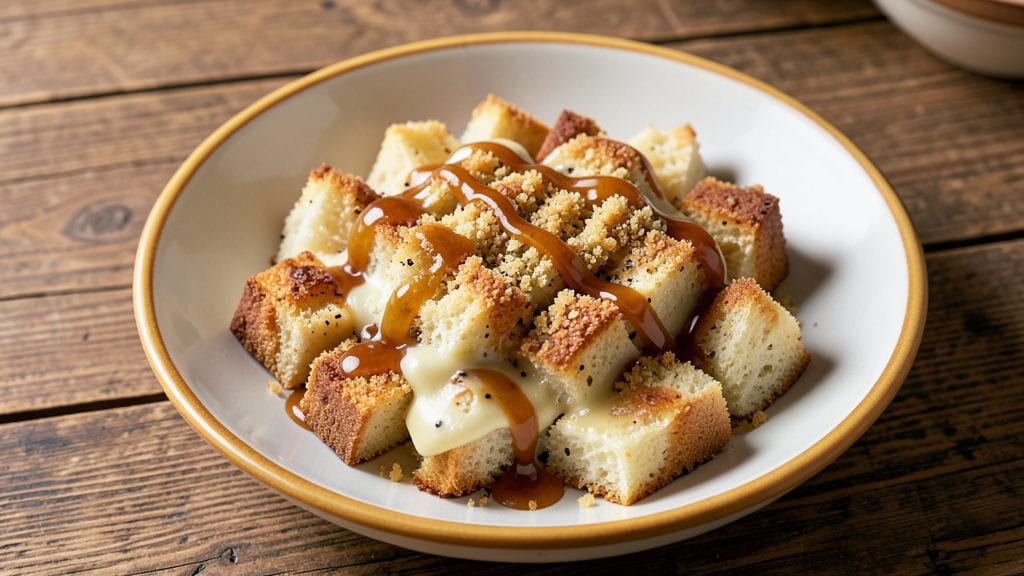
This Copeland's bread pudding recipe delivers the kind of vanilla-infused comfort that feels like a warm hug after a long day. I first made it during a Boston winter when I needed something hearty enough to feed a crowd but simple enough to assemble in under 30 minutes.
The secret lies in alternating layers of toasted bread and custard, creating a texture that's both tender and satisfyingly crisp on top.
What makes this version stand out is the vanilla bean infusion in the custard—it transforms ordinary milk and cream into something rich and aromatic.
I've tested this recipe multiple times, adjusting the custard consistency and baking times to ensure the center stays creamy while the edges develop that perfect golden-brown crust. No one will believe it's made from stale bread and pantry staples.
The result is a bread pudding with vanilla-forward layers that balance sweetness and warmth, topped with a toasted crunch that adds texture contrast. Serve it warm with whipped cream or a drizzle of caramel sauce for that extra touch of indulgence.
This is the kind of dessert that turns ordinary weeknights into special occasions.
Ready in just one hour with minimal effort, this recipe delivers restaurant-quality results without the fuss. Here's everything you need to create it in your own kitchen—no experience required.
Ingredients for copeland's bread pudding
Pantry staples meet vanilla luxury—this bread pudding turns simple ingredients into a restaurant-worthy dessert.
| Ingredient | Amount | Notes |
|---|---|---|
| Day-Old Bread Loaf 🍞 | 2 cups | Cubed, crust removed (brioche or challah preferred) |
| Large Eggs 🥚 | 6 whole | Room temperature for even mixing |
| Heavy Cream 🥛 | 2 cups | Full-fat for richness (36% or higher) |
| Whole Milk 🥛 | 1 cup | Warmed slightly for better custard |
| Vanilla Bean 🌿 | 1 whole | Scraped seeds plus pod (Madagascar preferred) |
| Granulated Sugar 🍚 | 1 ½ cups | Light brown sugar optional for depth |
| Unsalted Butter 🧈 | ½ cup | Cold, cubed for topping (European preferred) |
| Diamond Crystal Kosher Salt 🧂 | ½ tsp | Fine grain for even distribution |
| Ground Cinnamon 🌶️ | 1 tsp | Freshly ground for best aroma |
| Vanilla Extract 🍯 | 1 tbsp | Pure, high-quality (Madagascar preferred) |
| Caramel Sauce 🍯 | ½ cup | Store-bought or homemade (optional) |
| Whipped Cream 🍦 | 1 cup | Freshly whipped for serving |
The bread is non-negotiable here. Brioche or challah gives that buttery, tender texture, but stale white bread works in a pinch—just cube it small. Whole Foods or Trader Joe's often have day-old loaves at a discount. For the vanilla, Madagascar beans are worth the splurge—they're floral and complex, not that artificial vanilla flavor. If you can only get one, scrape the seeds and toss the pod into the custard. The butter? European-style melts better for that crispy topping. Grab the salt from the bulk section—Diamond Crystal dissolves perfectly.
No vanilla bean? Double the vanilla extract and add a pinch of almond extract for depth. Short on heavy cream? Half-and-half plus a splash of cream cheese works, but it won't be as rich. The caramel sauce is optional, but if you skip it, drizzle with honey warmed with a pinch of salt instead. For the bread, toasted sourdough cubes add a tangy contrast. And if you're feeding a crowd, double the custard—it reheats beautifully. The cinnamon is subtle but essential; don't skip it.
This keeps 3 days in the fridge, but honestly, it's better reheated. Wrap tightly with foil to prevent drying. For make-ahead, assemble the pudding, refrigerate overnight, then bake straight from the fridge—add 10 minutes to the time. The topping butter will crisp up perfectly. Leftovers? Slice and toast in the oven with extra butter for a French toast twist. Freezes for 2 months if you're planning ahead.
Why You'll Love This Recipe
- Same recipe, different vibes: serve it warm with ice cream for a lazy Tuesday, or drizzle with caramel for a dinner party showstopper. My kids ask for it after school; my in-laws request it at Thanksgiving. It works.
- No Waste, All Flavor: That day-old loaf? Actually the star. No crusts to trim, no fancy prep—just tear it up and let the vanilla-infused custard soak it into pure comfort. (Between us, I’ve never thrown away bread since trying this.)
- Creamy Vanilla Hug: The heavy cream and milk make this pudding ridiculously rich, but the split vanilla bean? That’s where it gets real—deep, floral notes that turn a simple dessert into something you’ll lick the plate for.
- Weeknight or Holiday: Same recipe, different vibes: serve it warm with ice cream for a lazy Tuesday, or drizzle with caramel for a dinner party showstopper. My kids ask for it after school; my in-laws request it at Thanksgiving. It works.
Step-by-step instructions for Copeland's bread pudding recipe
Here's how to build that signature vanilla-infused crunch—layer by layer, with perfect custard every time.
Prepare the Vanilla-Infused Custard Mixture
In a medium bowl, whisk together the 6 whole large eggs until the yolks and whites are fully combined. Add the 1.5 cups granulated sugar and whisk until completely dissolved—no grainy bits should remain. This ensures even sweetness throughout.
Next, split the 1 whole vanilla bean lengthwise, scrape out the seeds, and add both the seeds and the pod to the egg mixture. Pour in the 1 cup whole milk (warmed slightly to help emulsify) and the 2 cups heavy cream. Stir gently to combine, then add the 1 tablespoon vanilla extract, 1 teaspoon ground cinnamon, and ½ teaspoon diamond crystal kosher salt. The mixture should be smooth and fragrant—this is your custard base.
Soak and Layer the Bread
Tear the 2 cups day-old bread loaf into 1-inch cubes, removing any crusts. Spread them evenly in a single layer on a baking sheet and drizzle with half of the custard mixture. Toss gently to coat all sides, then let them soak for 10 minutes while you prepare the baking dish.
Grease a 9x13-inch baking dish with ½ cup unsalted butter (melted) and arrange the soaked bread cubes in an even layer. Pour the remaining custard mixture over the bread, pressing down gently to ensure every cube is saturated. The bread should absorb the custard but still hold its shape—this prevents a soggy center.
Bake Until Golden and Set
Preheat your oven to 350°F. Bake the bread pudding for 45-50 minutes, until the edges are deep golden brown and the center just begins to set. You’ll know it’s ready when a knife inserted near the center comes out clean with only the slightest resistance—this guarantees a creamy interior.
Here’s the thing—don’t overbake. The pudding will continue cooking as it rests, and you want that custard to remain silky, not dry. If the top browns too quickly, tent loosely with foil after 30 minutes to prevent burning while the center finishes.
Add the Caramel and Toast the Topping
Remove the pudding from the oven and immediately drizzle the ½ cup caramel sauce evenly over the top. Sprinkle with any remaining bread cubes (if needed) and scatter the ½ cup unsalted butter (cold, cubed) over the surface. Return to the oven for 3-5 minutes until the butter melts and the bread cubes turn crisp and golden. This step creates that signature crunchy top layer.
Watch closely—you want the butter to melt and caramelize slightly, not burn. The contrast between the creamy custard and the toasted bread is what makes this bread pudding extraordinary. Let it rest for 10 minutes before serving to allow the layers to set fully.
Serve Warm with Whipped Cream
Divide the bread pudding into 8 servings and top each portion with a dollop of 1 cup freshly whipped cream. The contrast of the cool, airy whipped cream against the warm, custardy pudding is pure indulgence. Serve immediately—this isn’t a dish that waits.
For extra flair, dust with a pinch of cinnamon or drizzle with additional caramel sauce. The texture should be a perfect balance: tender bread, rich custard, and that irresistible crunch from the toasted butter topping. Every bite should deliver that vanilla-forward flavor you crave.
Pro Tips For Making Copeland'S Bread Pudding
- SOAK THE BREAD LONG: Don’t rush the soaking—let the bread sit in the egg-milk-cream mix for at least 20 minutes, flipping the loaf halfway. I used to skip this, and my pudding always came out dry. The extra time lets the vanilla and dairy fully infuse, making every bite richer.
- USE ROOM-TEMP EGGS: Cold eggs from the fridge won’t blend smoothly and can curdle the cream. Take them out 30 minutes before mixing—yes, even if you’re impatient like me. The recipe’s custard relies on a perfect emulsion, and room-temp eggs guarantee it.
- BAKE UNTIL SET, NOT GOLDEN: The recipe’s magic is in the wobbly center, not a crisp crust. Pull it from the oven when the edges are set but the middle still jiggles slightly—about 45-50 minutes at 350°F. Overbaking turns it into a rubbery brick, and nobody wants that.
- SCRAPE THE VANILLA BEAN: Don’t just drop in the pod—split it open and scrape out every last bit of seeds. The leftover pulp has more flavor than you’d think. Toss the empty pod into the mix too; it’ll steep like a tea bag while baking. (I save the spent pod for vanilla sugar next time.)
Troubleshooting great copeland's bread pudding
Custard Too Thin?
If your custard looks too runny before baking, you’ve got two options. First, whisk in 1 extra egg yolk—this adds binding power without altering the texture. Second, let the soaked bread cubes sit in the custard for an extra 5-10 minutes before baking.
The bread will absorb more liquid, creating a thicker, more cohesive pudding. I’ve learned this the hard way—once, I rushed and ended up with a custard that pooled like soup. 💡
Dry or Soggy Center
This usually happens when the bread isn’t properly saturated or the custard isn’t rich enough. For a foolproof fix, mix 2 tablespoons cornstarch into your custard before baking—it thickens beautifully. Also, ensure your bread cubes are evenly coated by tossing them in the custard twice.
If the center still feels undercooked, tent the dish with foil during the last 10 minutes of baking to trap steam.
Top Not Browning
The key to a golden crust is the butter topping. If yours isn’t browning, try this: use European-style butter (like Plugrá or Kerrygold)—it has a higher fat content and melts more evenly.
Place the baking dish on the middle rack for even heat exposure. For extra color, broil for 1-2 minutes at the end, but watch it like a hawk to avoid burning.
Vanilla Flavor Weak
If your pudding tastes more like sugar than vanilla, you’re not alone—this is a common pitfall. Boost the flavor by infusing the milk with the vanilla bean while it warms. Also, use Madagascar vanilla extract (like Madagascar Bourbon from Penzeys)—it’s richer than imitation.
For an extra kick, add ½ teaspoon almond extract to the custard. Pro tip: Let the pudding rest for 20 minutes after baking—the flavors deepen as it cools.
Bread Floating
When bread cubes float to the top, it’s usually because the custard isn’t thick enough to hold them down. Press the soaked cubes firmly into the dish before pouring the custard, and use a spoon to tuck any loose pieces into place.
For stubborn floaters, chill the assembled pudding for 30 minutes before baking—this helps the custard set faster and keeps the bread in place.
Overly Sweet or Bland
Adjust the sugar to taste—start with 1.25 cups if you prefer less sweetness, or add ¼ cup if it needs more. For depth, swap ¼ cup of the granulated sugar for light brown sugar.
If the pudding tastes bland, a pinch of salt (up to ½ teaspoon) or a splash of lemon juice brightens the flavors. I once made a batch that tasted flat—adding ½ teaspoon lemon zest saved it. 💛
Nutrition facts
Frequently asked questions
Can I use fresh bread instead of day-old?
Fresh bread works, but it'll make your bread pudding more watery. To fix this, squeeze out excess moisture by wrapping the bread in a clean kitchen towel and pressing gently. For best results, stick with day-old bread—it's drier and absorbs the custard perfectly without turning mushy.
How do I make this bread pudding ahead of time?
Assemble the pudding in your baking dish, cover tightly with plastic wrap, and refrigerate for up to 24 hours. When ready to bake, add 10 extra minutes to the baking time (about 55-60 minutes total). The chilled custard will thicken beautifully, giving you a richer texture. Just don't skip the final 10-minute rest after baking!
What's the best way to reheat leftovers?
Slice the bread pudding and warm individual portions in the oven at 300°F for 10-12 minutes until heated through. For extra crispiness, top with a pat of butter and broil for 1-2 minutes. Microwaving works in a pinch, but it can make the texture gummy—better to reheat in the oven for that perfect toasted crunch.
Can I substitute the vanilla bean?
Yes! If you don't have a vanilla bean, use 2 tablespoons high-quality vanilla extract instead. For extra depth, add ½ teaspoon almond extract or infuse the milk with the pod while warming. Just remember—real vanilla makes all the difference in that signature flavor. The recipe still works without it, but you'll miss that luxurious vanilla-forward taste.
Why does my bread pudding have a raw center?
This usually happens when the oven isn't hot enough or the pudding isn't baked long enough. Make sure your oven is properly calibrated (use an oven thermometer if needed) and bake until a knife inserted in the center comes out clean with just slight resistance. If it's still undercooked, tent with foil and bake 5-10 more minutes. The custard continues cooking as it rests, so don't rush it!