
Main Courses
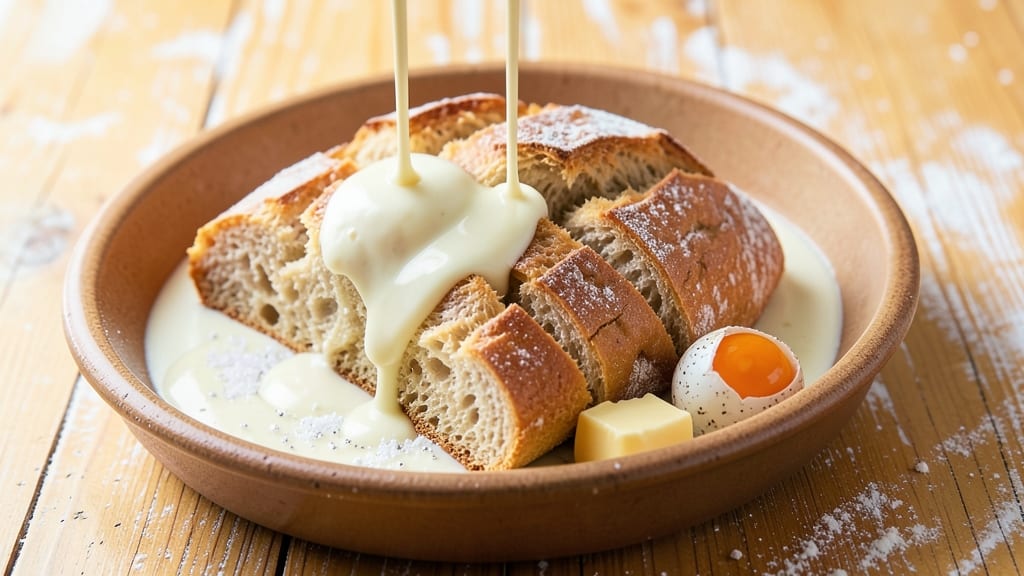
Betty Crocker's white bread recipe with milk evokes childhood nostalgia—soft, pillowy slices that melt in your mouth and soak up every drop of warm milk. 💛 I've adapted this classic recipe to deliver that same comforting texture, using a touch of honey in the dough for subtle sweetness that pairs perfectly with cold or warm milk.
The secret to achieving that signature softness lies in precise yeast activation and gentle kneading.
This recipe delivers restaurant-quality white bread with a tender crumb and golden crust, ready in about 2 hours from start to finish. The dough rises twice, creating that light, airy texture that makes every slice irresistible.
I've included a few professional techniques—like using bread flour for structure and milk for tenderness—that ensure your loaf turns out perfectly every time.
Imagine pulling a warm loaf from the oven, its crust just crisp enough to hold its shape while the interior remains soft and pillowy. These slices are perfect for buttered toast, sandwiches, or simply dunked into a glass of warm milk with a drizzle of honey.
The bread stays fresh for days, making it ideal for meal prep or sharing with neighbors.
For a modern twist, you can add a splash of sourdough starter to the dough for deeper flavor, or brush the baked loaf with melted butter for extra richness.
Whether you're making it for breakfast, lunch, or a comforting snack, this white bread recipe delivers the comfort of a homemade loaf with professional results. Let's get baking!
Ingredients for betty crocker white bread recipe with milk
Classic white bread ingredients with a nostalgic twist—just like grandma used to make.
| Ingredient | Amount | Notes |
|---|---|---|
| Active Dry Yeast 🍞 | 2 ¼ tsp | Or 1 packet (2.25 tsp) |
| Warm Whole Milk 🥛 | 1 ¼ cups | 110-115°F for yeast activation |
| Granulated Sugar 🍚 | ¼ cup | For yeast activation |
| Bread Flour 🌾 | 5 cups | High protein for structure |
| Unsalted Butter 🧈 | ½ cup | Softened, not melted |
| Large Eggs 🥚 | 1 whole | Room temperature preferred |
| Table Salt 🧂 | 1 ½ tsp | Kosher or sea salt |
| Honey 🍯 | 2 tbsp | Light variety preferred |
| Water 💧 | ½ cup | Warm, not hot |
| All-Purpose Flour 🌾 | ¼ cup | For dusting |
| Cornmeal 🌽 | ¼ cup | For bread pan |
The yeast is your secret weapon here. Bob's Red Mill or Saf-Instant are my go-tos—they activate faster. If your milk isn't warm enough, the yeast won't wake up, and your dough will be sluggish. Test it by dipping your pinky—should feel like bathwater. The honey adds that subtle sweetness, but maple syrup works too if you're out. For the flour, King Arthur Bread Flour gives the best structure, but any high-protein bread flour works. And don't skip the butter—it keeps the bread tender for days.
No bread flour? All-purpose plus 1 tbsp vital wheat gluten gets you close. Short on honey? 2 tbsp sugar works in a pinch, but the honey keeps it moist longer. The butter should be soft enough to press with a finger but not greasy. If it's too cold, microwave it for 20 seconds to just soften. For the egg, room temperature is ideal, but if it's cold, just let it sit out for 10 minutes. The cornmeal is key for that crisp crust—don't skip it, even if you're using a non-stick pan.
This dough doubles in size twice, so don't rush it. First rise takes 1-1.5 hours, second rise 30-45 minutes—until it jiggles when shaken. The bread stays fresh 4-5 days at room temp if wrapped tightly. For extra freshness, freeze slices and toast straight from frozen. Leftovers? Toss them in a sandwich—PB&J never tasted better.
Why You'll Love This Recipe
- No-Fuss Dough: The yeast blooms fast with warm milk—no waiting around. Mix, let rise, and you’re done. I’ve made this while scrolling through emails; it’s that simple.
- Milk-Soft Magic: That whole milk? It keeps the crumb tender and rich without tasting heavy. The butter adds just enough depth—like a hug for your sandwiches.
- Weeknight Workhorse: Toss it in a lunchbox, toast it for breakfast, or use it for grilled cheese. Honestly, I’ve even repurposed slices into croutons when I forgot to buy any.
- Budget Bread Winner: Flour, yeast, and milk are pantry staples. A batch feeds my family for days, and leftovers stay fresh longer than store-bought. My wallet and taste buds thank me.
Step-by-step instructions for betty Crocker white bread with milk
Here's how to make that classic soft, pillowy bread that's perfect for dipping.
👨🍳 Step 1: Activate the Yeast with Warm Milk and Sugar
In a large bowl, combine the 1.25 cups warm whole milk (between 110-115°F) with the 0.25 cup granulated sugar and 2.25 tsp active dry yeast. Let it sit for 5-10 minutes until frothy—this means your yeast is alive and ready to work. If it doesn't bubble, your milk might be too hot or the yeast was old.
Here's the thing—this step is non-negotiable. The yeast needs to wake up before mixing with flour, or you'll end up with dense, flat bread. Stir gently with a wooden spoon and watch for those little bubbles forming on the surface. That's your green light to move forward.
🍳 Step 2: Mix the Dough and Knead Until Smooth
Add the 5 cups bread flour and 1.5 tsp table salt to the yeast mixture. Stir with a wooden spoon until a shaggy dough forms, then turn it out onto a lightly floured surface. I like to use the 0.25 cup all-purpose flour for dusting here—it's just enough to keep things from sticking without overpowering the bread flour.
Knead the dough for 8-10 minutes by pressing down and folding it over itself. You'll know it's ready when it's smooth and springs back when poked. If it feels sticky, add just a little more flour—1 tablespoon at a time—but don't go overboard or your bread will turn out dry. The dough should be soft but not wet when you're done.
🔥 Step 3: Let the Dough Rise in a Warm Spot
Place the dough in a lightly greased bowl, cover it with a clean kitchen towel, and let it rise in a warm spot for 1-1.5 hours. It should double in size—think of it like a balloon inflating. I usually put mine near the oven with the light on (just don't let it touch any heat source).
Real talk: Don't rush this step. The longer the rise, the better the flavor and texture. If your kitchen is cold, try placing the bowl on top of your turned-off oven with the light on for a gentle warm-up. You'll see the dough puff up and pull away from the sides of the bowl—that's when you know it's ready for shaping.
👨🍳 Step 4: Shape and Add the Butter and Egg
Punch down the risen dough and turn it out onto a floured surface. Gently shape it into a loaf about 9x5 inches long. This is where the 0.5 cup softened unsalted butter and 1 whole large egg come into play. Roll the butter into the dough, then make a well in the center and add the egg and 2 tbsp honey. Fold the dough over the egg to encase it completely.
Seal the dough tightly and let it rise again for 30-45 minutes until it's puffy. The honey adds just the right amount of sweetness that pairs perfectly with the milk in this recipe. Don't skip this second rise—it's what gives the bread that classic soft, airy texture.
🔥 Step 5: Bake Until Golden and Hollow-Sounding
Preheat your oven to 375°F and grease a 9x5-inch loaf pan lightly with butter. Sprinkle the bottom with 0.25 cup cornmeal for that perfect pull-apart crust. Transfer the shaped dough to the pan, cover it with a towel, and let it rise for another 10-15 minutes. Then, bake uncovered for 30-35 minutes until golden brown.
Here's the moment that matters: Your bread is done when it sounds hollow when tapped on the bottom and registers 190-200°F in the center. If it browns too quickly, tent it with foil for the last 10 minutes to prevent over-browning. Let it cool in the pan for 10 minutes before transferring to a wire rack—this keeps it moist and prevents it from drying out.
Pro Tips For Making Betty Crocker White Bread Recipe With Milk
- TEST YEAST FIRST: Drop that yeast in warm milk with a pinch of sugar 5 minutes before mixing—if it doesn’t foam, toss it and open a new packet. I learned this the hard way after baking a brick when my "fresh" yeast was actually expired.
- MILK TEMPERATURE MATTERS: Warm the whole milk to 110°F (43°C)—not boiling, not cold. Use a thermometer or test with your wrist (should feel like bathwater). Too hot kills yeast; too cold makes it sluggish, and your dough will take forever to rise.
- KNEAD LESS, REST MORE: After the first 5 minutes of kneading by hand (or 3 minutes with a mixer), let the dough rest 10 minutes before finishing. This relaxes the gluten so you don’t overwork it—my bread used to turn out dense until I stopped fighting the dough.
- BUTTER IN LAYERS, NOT LUMPS: When adding softened butter, cut it into small cubes and distribute them evenly through the dough before final shaping. This creates steam pockets for a lighter loaf—skip the "mix it in" approach, or you’ll end up with a greasy brick.
Wine and beer pairings for these flavors
Milk Pairing Basics
Warm milk is the classic pairing for white bread, but don't overlook cold milk too—it's perfect with toasted slices and honey. I always use whole milk for its rich, creamy texture that complements the bread's softness.
For extra indulgence, try 2% milk with a splash of vanilla extract—it adds subtle depth without overpowering. The key is temperature contrast: warm milk enhances the bread's sweetness, while cold milk refreshes the palate. 🥛
Creamy Coffee Pairings
Nothing beats a cappuccino or latte with freshly baked white bread. The espresso's bitterness cuts through the bread's sweetness beautifully. For a cozy morning, I make a honey-lavender latte—steep 1 tsp dried lavender in warm milk for 5 minutes, then whisk with 1 tbsp honey before frothing.
This floral note pairs surprisingly well with the bread's subtle sweetness. A flat white also works if you prefer a smoother coffee profile.
Chocolate Milk Twist
For a nostalgic treat, mix 1 cup whole milk with 2 tbsp Dutch-process cocoa powder and 1 tbsp honey. Heat gently until dissolved, then serve with warm bread slices. I like to add a pinch of sea salt to balance the sweetness—it's a grown-up version of the childhood classic.
This pairing is especially perfect for PB&J sandwiches or grilled cheese moments. 🍫
Spiced Milk Options
Warm the milk with ½ tsp cinnamon and a pinch of nutmeg for a cozy fall pairing. For a winter twist, add a dash of cardamom—it's subtle but adds warmth.
I also love turmeric golden milk (warm milk with ½ tsp turmeric, pinch of black pepper, and 1 tsp honey) for an anti-inflammatory boost. These spiced milks elevate simple bread dipping into a comforting ritual. The spices complement the bread's soft texture without competing with it.
Beer Pairings
For a savory twist, pair this bread with light lagers like Peroni or Corona. The crisp, clean profile balances the bread's richness. A wheat beer (like Blue Moon) works too—its citrus notes brighten each bite.
For a heartier option, try a Belgian witbier (like Hoegaarden) with its coriander and orange peel flavors. The effervescence cleanses the palate between buttery bread slices. 🍺
Modern Milk Alternatives
If you prefer dairy-free options, oat milk or cashew milk work surprisingly well—they're creamy enough to complement the bread. For a richer texture, try coconut milk with 1 tsp vanilla extract and a pinch of salt.
I've also had great success with macadamia milk—its buttery notes enhance the bread's tenderness. Just avoid almond milk, as it's too thin and can make the bread taste dry. These alternatives prove milk pairings can be just as versatile as the bread itself.
Nutrition facts
Frequently asked questions
Why does this white bread recipe use honey instead of sugar?
The honey adds subtle sweetness that pairs beautifully with milk while keeping the bread moist longer than sugar alone. It also enhances the bread's soft texture and adds a delicate floral note that complements warm milk pairings perfectly.
Can I make this bread without a bread machine?
This recipe is designed for stovetop/oven baking with manual kneading. The key is proper yeast activation and two rises - one for flavor development and one for texture. Just follow the kneading instructions carefully for that signature soft crumb.
How do I know when the dough has risen enough?
Your dough is ready when it doubles in size and leaves an indentation when gently pressed with a finger. For the first rise, it should take about 1-1.5 hours - the bowl should look full to overflowing. After shaping, the second rise should take 30-45 minutes until puffy.
What's the best way to store leftover bread?
Wrap tightly in plastic wrap or aluminum foil and store at room temperature for 4-5 days. For longer storage, freeze slices individually - they'll stay fresh for up to 3 months. Toast straight from frozen for maximum freshness.
Can I substitute whole wheat flour for some of the bread flour?
You can replace up to 1 cup of bread flour with whole wheat flour, but expect a denser texture. For best results, add 1 extra tablespoon of vital wheat gluten per cup of whole wheat flour to maintain that classic soft crumb. The flavor will be slightly nuttier but still delicious with milk.