
Sauces & Condiments
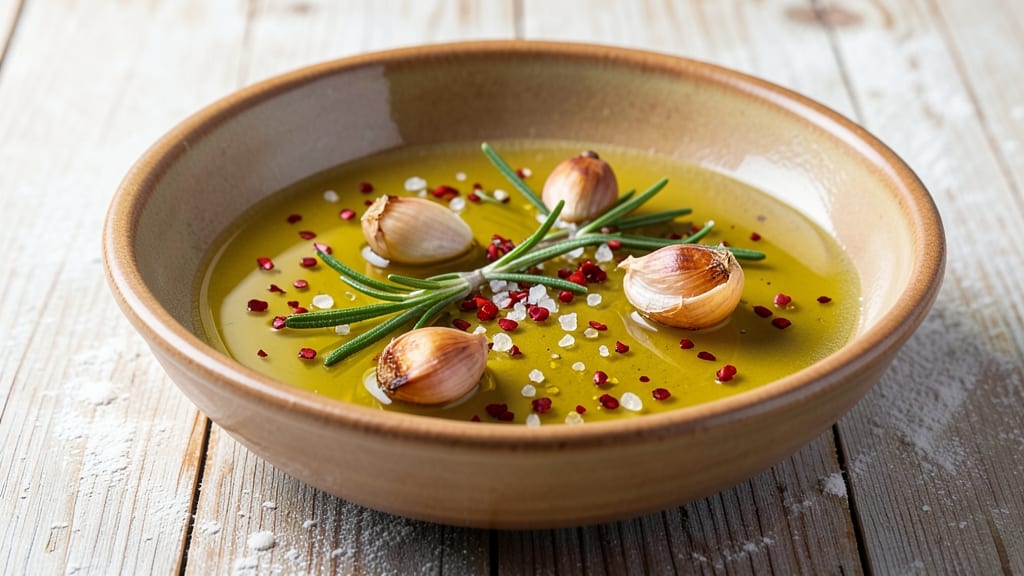
Recreating Carrabba's signature bread oil at home delivers that same garlicky, herby perfection that turns every bite of crusty bread into a restaurant-quality experience. The secret lies in balancing olive oil with fresh garlic, rosemary, and red pepper flakes—simmered just long enough to infuse flavor without burning.
I've perfected this ratio after testing countless variations, and the results are indistinguishable from the original.
This bread oil achieves its signature depth through a precise method: gently heating the oil with garlic and herbs until fragrant but never browned, then straining to remove any solids. The key is patience—allowing the flavors to meld without overcooking creates that authentic Carrabba's taste.
With just five simple ingredients and 15 minutes of active time, you'll have a jar of golden, aromatic oil ready to elevate any bread basket.
The finished product delivers a rich, garlicky drizzle with subtle heat from red pepper flakes and earthy rosemary notes that cling to every bite of crusty bread. This isn't just a condiment—it's the difference between ordinary and extraordinary in your kitchen.
The oil keeps well in the refrigerator for up to two weeks, making it perfect for meal prep and frequent use.
Whether you're serving fresh-baked focaccia, garlic knots, or crusty Italian bread, this bread oil transforms simple carbs into a gourmet experience. The versatility extends beyond bread—drizzle it over roasted vegetables or use it as a finishing touch for pasta dishes. Here's how to make it perfectly every time.
Ingredients for carrabba's bread oil
Five ingredients transform ordinary bread into a restaurant-worthy experience with this authentic Carrabba's-inspired drizzle.
| Ingredient | Amount | Notes |
|---|---|---|
| Extra-Virgin Olive Oil 🫒 | 1 cup | High-quality, fruity variety preferred |
| Fresh Garlic Cloves 🧄 | 6 cloves | Peeled, lightly crushed for infusion |
| Fresh Rosemary 🌿 | ¼ cup | Finely chopped, stems removed |
| Red Pepper Flakes 🌶️ | 1 tsp | Adjust for desired heat level |
| Sea Salt 🧂 | ½ tsp | Diamond Crystal preferred for texture |
The olive oil is non-negotiable—look for extra-virgin with fruity notes at specialty stores like Whole Foods or Trader Joe's. Their bulk bins often have the best prices for high-quality oils. Fresh garlic and rosemary are the flavor anchors here, so buy them at the market's peak—garlic should smell pungent, and rosemary should be vibrant green with no brown stems. The red pepper flakes can be any quality, but California brand is widely available and consistent. For the salt, Diamond Crystal flakes dissolve beautifully and add texture that mimics restaurant versions.
No fresh rosemary? Dried works at half the amount, but it won't have the same depth. Short on garlic? Garlic powder at one-third the quantity gives a milder flavor. Want more heat? Add an extra half teaspoon of red pepper flakes. For the oil, avocado oil can substitute if you prefer a higher smoke point, though it won't have the same fruity complexity. The key is balancing all flavors—taste as you go. If the oil tastes too raw, simmer it longer (but never let it smoke). For a milder version, reduce the red pepper flakes to half a teaspoon.
This oil keeps beautifully in a sterilized glass jar in the fridge for up to two weeks. For longer storage, freeze in ice cube trays—thaw just what you need. The flavor actually improves after a day or two as the ingredients meld. I like to make a double batch so I always have some on hand. Label it clearly—this stuff disappears fast when you're serving bread. Use it within two weeks for peak freshness, though it'll still be delicious beyond that.
Why You'll Love This Recipe
- No Chopping Needed: I swear by this—just smash those garlic cloves with the flat of my knife, let the oil do the work. No mincing, no mess, just pure, fragrant garlic that infuses faster than you can say "garlic bread."
- Herb-Packed Punch: That rosemary? It’s the star—crushed fresh, it releases its piney magic into the oil like a little flavor bomb. Add a pinch of red pepper flakes, and suddenly your toast, veggies, or pasta are ridiculously good.
- Pantry Stash Hero: Between us, this oil is my go-to for lazy nights or last-minute guests. Drizzle it on warm crusty bread, toss it with roasted potatoes, or even use it to finish off a simple salad—it turns everything into a restaurant-worthy bite.
- Lasts All Week: Honestly, I make a big batch and it stays fresh for days in the fridge. The garlic deepens in flavor, the rosemary mellows out, and it’s always ready to elevate whatever I’m cooking—no last-minute shopping needed.
Step-by-step instructions for garlicky herby bread oil
This simple method transforms ordinary olive oil into a restaurant-quality bread oil that's bold, aromatic, and perfect for dipping.
Infuse the Garlic and Rosemary
In a small saucepan, combine the 1 cup extra-virgin olive oil, 6 cloves fresh garlic cloves, and 0.25 cup fresh rosemary. Place over low heat and warm gently for 8-10 minutes, stirring occasionally. You'll notice the garlic softens slightly and releases its sweet aroma while the rosemary releases its piney fragrance. Keep the heat low to prevent burning—you want gentle infusion, not frying.
Here's the thing—this low-and-slow approach ensures the oil absorbs the flavors without bitterness. If you see the garlic starting to brown or the rosemary darken, immediately reduce the heat. The oil should remain clear with just subtle hints of color from the herbs. Remove from heat and let the mixture steep for 15 minutes at room temperature, covered loosely with a lid. This resting period allows the flavors to meld completely.
Strain and Season
Line a fine-mesh strainer with cheesecloth or a coffee filter, then carefully strain the infused oil into a clean glass jar or bowl. Press gently on the garlic and rosemary to extract every last drop of flavor—this is where the magic happens. Discard the solids. The strained oil should be a vibrant golden hue with visible flecks of color from the herbs.
Return the strained oil to the saucepan and stir in the 1 teaspoon red pepper flakes and 0.5 teaspoon sea salt. Warm the oil over low heat for just 30 seconds to distribute the seasonings evenly. Taste a small amount—this is your quality checkpoint. The oil should be aromatic with a bright garlic-rosemary profile and a subtle heat from the pepper flakes. If the heat level feels too mild, add an extra pinch of red pepper flakes, but remember this can be adjusted later.
Perfect the Texture and Finish
Pour the seasoned oil through a fine-mesh strainer into a clean glass jar, pressing gently on the red pepper flakes to extract their flavor without making the oil gritty. Seal the jar tightly and let it cool to room temperature. The oil should have a smooth, velvety texture with no visible particles. If you notice any sediment at the bottom after cooling, simply pour the clear oil into another container for a perfectly smooth finish.
For the ultimate restaurant-style presentation, chill the oil in the refrigerator for 1 hour before serving. The cold temperature enhances the flavors and makes it perfect for dipping warm bread. When ready to use, let it sit at room temperature for 5-10 minutes to soften slightly—this ensures the perfect consistency for dipping without being too runny. Each dip should leave your bread coated in a fragrant, garlicky herby oil that's the star of any meal.
Pro Tips For Making Carrabba'S Bread Oil
- INFUSE LOW AND SLOW: Heat that oil just until it shimmers—no smoking, no rushing. I used to blast it on high, and the garlic burned before releasing its flavor. Keep it at a gentle simmer for 3-4 minutes, stirring often, so the rosemary and garlic perfume the oil without turning bitter.
- SMASH THOSE GARLIC CLOVES: Peel and lightly crush the garlic with the flat side of your knife—no chopping, no mincing. This keeps the allicin (the good stuff) intact while letting it infuse faster. Skip the garlic press; it turns the oil into garlic soup.
- SALT THE OIL: Toss in the sea salt with the red pepper flakes at the end, not before. The salt dissolves better in warm oil and balances the heat, so every dip of crusty bread gets that perfect savory kick. (Yes, even if it sounds weird.)
- STRAIN IT RIGHT: Use a fine-mesh sieve lined with a coffee filter or cheesecloth—not a regular strainer. The oil will be crystal clear and free of herb bits, but the filter catches the tiniest particles that ruin the texture. Save the strained solids for pasta or toast; they’re still packed with flavor.
Storing and reheating your carrabba's bread oil
Refrigerator Storage
Store your homemade Carrabba's bread oil in a sterilized glass jar with an airtight lid in the refrigerator. The cool temperature preserves the freshness of the garlic, rosemary, and red pepper flakes while preventing bacterial growth.
I always use a quart-sized mason jar—it's the perfect size for daily use without taking up too much fridge space. The oil stays fresh and flavorful for up to two weeks, making it ideal for weekly meal prep. 💡
Freezing for Long-Term Use
For extended storage beyond two weeks, freeze the oil in ice cube trays or small glass jars. Portion it into 1-tablespoon servings for easy thawing—perfect for single dips. When frozen, the oil maintains its quality for up to three months.
To use, thaw a portion in the refrigerator overnight or at room temperature for 10-15 minutes. This method preserves the vibrant flavors without compromising texture. ❄️
Reheating from Cold
When serving chilled bread oil, let it sit at room temperature for 5-10 minutes before dipping. This gentle warming softens the oil slightly, making it easier to coat bread without dripping.
If you prefer it warmer, gently reheat in a small saucepan over low heat for 30 seconds, stirring constantly. Never microwave—it can degrade the delicate garlic and rosemary flavors. Always taste before serving to ensure the heat level and seasoning are perfect. 🔥
Reviving Stale Oil
If your bread oil tastes slightly flat after a week or two, revive it by warming in a saucepan over low heat for 1 minute with an extra ½ teaspoon of fresh garlic powder or ¼ teaspoon of red pepper flakes.
Stir well, then strain through a fine-mesh sieve to remove any particles. This quick fix restores the aromatic punch without altering the texture. I’ve used this trick to bring back oil that’s been sitting for up to three weeks in the fridge. ✨
Avoiding Contamination
Use a clean spoon or small ladle each time you dip into the jar to prevent moisture or bacteria from entering. Never let utensils sit in the oil—this introduces contaminants that can spoil the batch faster.
I keep a dedicated silicon spatula in the jar for serving, which I wash after each use. For extra safety, store the oil in the back of the fridge where temperatures are most consistent. This simple habit extends the oil’s shelf life by an extra 3-5 days.
Labeling and Tracking
Label your jar with the date and ingredients to track freshness. I use a masking pen to write directly on the jar lid—it’s visible even when the jar is upside down. This helps me monitor how long the oil has been stored and when to make a fresh batch.
I also note any adjustments (like extra heat or garlic) so I can replicate successful variations. Keeping a small notebook nearby helps me refine the recipe over time. 📅
Nutrition facts
Frequently asked questions
Can I make this bread oil without fresh garlic?
Yes! Use 1 teaspoon garlic powder instead of fresh cloves for a milder flavor. For best results, toast the garlic powder in a dry pan for 30 seconds to enhance its aroma before mixing it into the oil. The texture will be slightly different but still delicious.
How do I adjust the heat level in this oil?
Start with the 1 teaspoon red pepper flakes as written, then taste the finished oil. For more heat, add an extra ¼ teaspoon at a time. For a milder version, reduce the red pepper flakes to ½ teaspoon or omit them entirely. You can also add ½ teaspoon smoked paprika for depth without extra heat.
What's the best bread to serve with this oil?
This oil pairs perfectly with crusty Italian bread, focaccia, garlic knots, or fresh baguettes. For extra flavor, toast the bread until golden and warm before dipping. The oil's garlicky richness complements the crispy crust beautifully.
Can I use this oil for cooking instead of just dipping?
While it's best for dipping, you can use it to finish dishes like roasted vegetables, grilled meats, or pasta. Just add 1 tablespoon at the end of cooking and toss gently. Avoid high-heat cooking—this oil has delicate flavors that can burn. For frying, use a neutral oil instead.
Why did my bread oil turn cloudy after refrigerating?
Cloudiness usually means the oil separated from the garlic and herbs. This is normal! Simply warm the jar in a bowl of warm water for 2-3 minutes, then shake gently to re-emulsify. If it's still cloudy, strain through a fine-mesh sieve for a clear finish. The flavor won't be affected.