
Side Dishes
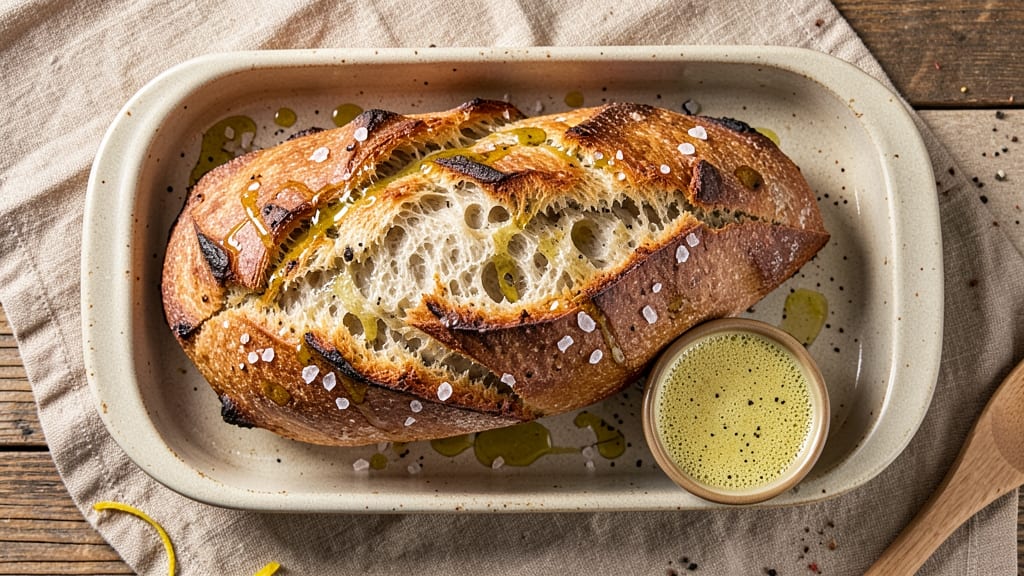
This Arrowhead Mills ciabatta bread recipe transforms simple ingredients into a restaurant-worthy loaf with an irresistibly crispy crust and airy, chewy interior. The secret lies in high hydration and a no-knead method that develops deep flavor during slow fermentation—no bread machine required.
I've perfected this version after years of baking, ensuring every slice delivers that signature open crumb structure and golden-brown crust.
The process begins with a straightforward dough that relies on time rather than effort, allowing gluten to develop naturally. After mixing flour, water, yeast, and a touch of olive oil, the dough rests overnight in the refrigerator, where cold temperatures enhance flavor and texture.
When ready to bake, shaping the dough into a classic ciabatta log with dimpled surface creates those iconic pockets, while scoring before baking ensures a crispy, crackly crust.
What you'll end up with is a loaf that's crisp on the outside yet tender and airy inside, with a subtle olive oil richness that pairs perfectly with soups, salads, or simply buttered slices.
The beauty of this recipe is its flexibility—add rosemary or garlic to the dough for extra flavor, or brush with more olive oil after baking for a shimmering finish. It's the kind of bread that elevates any meal.
Perfect for feeding a crowd or meal prepping for the week, this ciabatta keeps well for days and reheats beautifully. Whether you're a seasoned baker or new to bread-making, this recipe delivers foolproof results with minimal fuss. Let's get started!
Ingredients for arrowhead mills ciabatta bread
Arrowhead Mills flour and olive oil create this restaurant-quality ciabatta with minimal effort.
| Ingredient | Amount | Notes |
|---|---|---|
| Arrowhead Mills Bread Flour 🌾 | 4 cups | High-protein for chewy texture |
| Extra-Virgin Olive Oil 🫒 | ½ cup | Plus 2 tbsp for drizzle |
| Active Dry Yeast 🍞 | ½ tsp | Ensure freshness (test in warm water) |
| Granulated Sugar 🍚 | 1 tbsp | Feeds yeast for activation |
| Warm Water 💧 | 2 ½ cups | 110-115°F for yeast activation |
| Kosher Salt 🧂 | 1 ½ tsp | Diamond Crystal preferred |
| Cornmeal 🌽 | ½ cup | For dusting parchment paper |
| Coarse Sea Salt 🧂 | 1 tsp | For dimpling and scoring |
| Optional Rosemary 🌿 | 1 tbsp | Fresh, finely chopped (optional) |
| Optional Garlic 🧄 | 2 cloves | Minced, for flavor infusion (optional) |
Arrowhead Mills flour is the backbone here—its high protein content delivers that signature chewy texture. Buy it in bulk from specialty stores like King Arthur Flour or Whole Foods for the best results. The olive oil should be extra-virgin (none of that cheap stuff)—California Olive Ranch or Bertolli are reliable brands. For yeast, always test freshness by dropping a pinch in warm water with sugar—it should foam within 5 minutes. If you're adding rosemary or garlic, use fresh for maximum flavor impact, but dried works in a pinch at half the amount. The coarse sea salt? Maldon is ideal, but any flaky salt will do.
No extra-virgin olive oil? Light olive oil works in a pinch, but expect less richness. Short on rosemary? Thyme or oregano at half the amount adds depth without overpowering. The sugar can be swapped for honey (though it'll darken the crust slightly), but don't skip it entirely—yeast needs something to feed on. For the water, room temperature is fine, but warm (110-115°F) activates yeast faster. If your flour is old, add 1/4 tsp extra yeast to compensate. And pro tip: if you're baking in a humid climate, reduce water by 1 tbsp to avoid a gummy texture.
This dough is a patient recipe—refrigerate overnight for best results. Store flour in an airtight container in a cool, dark place for up to 6 months. Yeast? Keep it in the freezer for up to 2 years to maintain freshness. The baked loaf keeps well at room temperature for 3 days, wrapped in a cloth. For longer storage, freeze slices wrapped individually—they reheat beautifully in a toaster or oven. I always make two loaves—one for the week and one to share. The extra olive oil drizzle? Save it for after baking—it's what gives that shimmering finish.
Why You'll Love This Recipe
- Five-Ingredient Magic: The Arrowhead Mills flour does all the heavy lifting—just yeast, sugar, oil, and water. I swear, it’s the kind of recipe where you can pour your ingredients in while chatting with someone and still end up with something impressive.
- Crispy-Chewy Gold: That olive oil bath? It’s what turns this into a textural dream—crust so shatteringly crisp it’ll make you pause, but a center so soft you’ll want to eat it with a spoon. (Yes, I’ve been there.)
- Pantry-to-Table Hero: No fancy tools, no waiting days for sourdough—this comes together in a bowl, proofs overnight, and bakes in the morning. Honestly, it’s my go-to for lazy Sundays or when I’m too wiped to think after work.
- No-Waste Wonder: A loaf lasts forever—freeze half for toast or garlic bread later, and the rest? Perfect for sopping up sauces or turning into croutons. Between us, I’ve fed a houseful of college students on $5 worth of ingredients. It works.
Step-by-step instructions for olive oil drizzle ciabatta
This no-knead method delivers restaurant-quality ciabatta with an irresistible olive oil crust and airy interior.
Activate the Yeast for Maximum Rise
In a large mixing bowl, combine the 2.5 cups warm water (between 110-115°F), 1 tbsp granulated sugar, and 0.5 tsp active dry yeast. Stir gently and let sit for 5-10 minutes until you see frothy bubbles forming on the surface. This confirms your yeast is alive and ready to work.
I always test my yeast first by dropping a pinch into warm water with sugar—if it bubbles within 2-3 minutes, it's fresh. The sugar here isn't for sweetness but to feed the yeast and kickstart fermentation. If you don't see bubbles after 10 minutes, your yeast may be expired, and you'll need to start over.
Mix the Dough with Minimal Handling
Add the 4 cups Arrowhead Mills Bread Flour, 1.5 tsp kosher salt, and the optional 1 tbsp chopped rosemary and 2 minced garlic cloves (if using) to the yeast mixture. Using a wooden spoon or your hands, gently combine everything until a shaggy dough forms. The high-protein bread flour will create a sticky, elastic texture—this is normal and desired for ciabatta's signature chew.
Don't be tempted to add extra flour here. The dough should be wet and tacky, almost like a thick batter. This moisture creates those signature air pockets and open crumb structure. Cover the bowl with a damp towel and let rest for 1 hour at room temperature. This initial rest allows the flour to hydrate fully and the gluten to begin developing.
Shape and Dimple for Signature Texture
Lightly flour a work surface and transfer the dough. Gently stretch and fold the dough 3-4 times, rotating 90 degrees each time, to strengthen the gluten without overworking it. Shape into a 12-inch log about 3 inches wide. The dough will be very sticky—wet your hands frequently to prevent sticking.
Transfer the dough to a parchment-lined baking sheet and dimple the top using your fingertips or a fork. Press down firmly to create deep indentations—these will become the signature air pockets. The dimpling also helps steam escape during baking, promoting that crispy crust. Lightly dust the top with the 0.5 cup cornmeal to prevent sticking during proofing.
Proof Until Nearly Doubled in Size
Cover the dough loosely with plastic wrap or a damp towel and let proof in a warm place (75-80°F) for 1.5-2 hours, or until it has nearly doubled in size and feels springy when pressed gently. The dough should expand to fill about 80% of the baking sheet—it won't quite double like traditional bread.
I proof my ciabatta in the oven with the light on for consistent warmth. Avoid overproofing—the dough should spring back slowly when poked, not collapse immediately. If using optional rosemary or garlic, their aromas will become more pronounced during this stage, infusing the dough with flavor.
Bake for Crusty Perfection
Preheat your oven to 425°F with a baking stone or inverted baking sheet inside for 30 minutes. This creates maximum heat for that signature crust. Once preheated, brush the dough generously with the remaining 0.5 cup extra-virgin olive oil, then sprinkle with 1 tsp coarse sea salt. Use a sharp knife to score the top in a crosshatch pattern—this controls expansion and creates those beautiful cracks.
Bake for 25-30 minutes until the crust is deep golden brown and sounds hollow when tapped on the bottom. The internal temperature should reach 190-200°F at the center. Immediately after baking, brush the crust with another 2 tbsp olive oil while still hot—this creates that signature glossy finish. Let cool on a wire rack for at least 30 minutes before slicing to preserve the crispy texture.
Pro Tips For Making Arrowhead Mills Ciabatta Bread
- STRETCH THE DOUGH: I learned this the hard way—Arrowhead Mills Bread Flour needs aggressive stretching to develop gluten properly. Grab that dough by the edges and pull it toward the center with both hands, then fold it over itself like a letter. Repeat 4-5 times until it feels resistant but still soft (yes, it’ll look messy). This creates those signature air pockets without overworking it.
- TEST YEAST TEMPERATURE: Skip the guesswork with your warm water—yeast hates extremes. Fill a measuring cup with water, heat it until it’s just warm to the touch (about 100°F/38°C), then let it sit for 5 minutes before mixing. If it’s too hot, you’ll kill the yeast; too cold, and it’ll take forever to activate. A quick finger test works: dip your pinky in—if it feels like bathwater, you’re golden.
- DON’T SKIP THE SECOND RISE: The first rise is obvious, but the second one is where ciabatta magic happens. After shaping, let the dough rest covered in a warm spot for 1–1.5 hours until it’s nearly doubled. I used to rush this, and my bread turned out dense. Pro move: Place a damp towel over the bowl to trap heat—your kitchen’s ambient warmth will do the rest.
- OIL THE BAKING STONE: This isn’t optional. Brush your baking stone or steel with extra-virgin olive oil right before baking—about 1 tablespoon spread thinly with a pastry brush. The oil prevents sticking and gives the crust that crisp, golden sheen. (Yes, even if you’re using a Dutch oven, a quick oil wipe on the lid’s interior makes a difference.)
Creative variations of this arrowhead mills ciabatta bread
Herb-Infused Variations
Add 1 tbsp fresh rosemary or thyme directly to the dough for an aromatic twist. I often use 1 tbsp chopped rosemary for a Mediterranean vibe, or 1 tbsp thyme for a subtler herbal note.
These herbs infuse the dough during the long fermentation, creating layers of flavor that pair beautifully with soups or roasted vegetables. 🌿
Garlic and Cheese Twist
For a savory kick, mix in 2 minced garlic cloves and ½ cup grated Parmesan during the dough stage. The garlic adds depth, while the cheese enhances the crust's richness.
I like to sprinkle an extra ¼ cup grated Parmesan on top before baking for a golden, cheesy finish. This variation works especially well with tomato-based dishes.
Whole Wheat Adaptation
Replace 1 cup of the Arrowhead Mills Bread Flour with whole wheat flour for a nuttier, heartier loaf. The texture will be denser but still chewy, with a slightly darker crust.
To maintain the open crumb structure, add 1 extra tablespoon of olive oil to compensate for the reduced gluten in whole wheat. I recommend King Arthur Whole Wheat Flour for best results.
Olive and Sun-Dried Tomato
Fold ¼ cup chopped Kalamata olives and 2 tbsp sun-dried tomatoes into the dough after the initial rest. These Mediterranean flavors create pockets of briny sweetness throughout each bite.
I like to sprinkle extra olives on top before baking for a decorative touch. This variation is perfect for pairing with antipasto platters or Mediterranean-inspired meals.
Sweet Onion and Caramelized Topping
Caramelize ½ cup thinly sliced red onion with 1 tbsp brown sugar until golden, then brush this mixture onto the dough before baking. The sweetness caramelizes beautifully during the bake, creating a sticky, flavorful crust.
This variation adds a touch of sweetness that balances savory toppings like balsamic glaze or fresh mozzarella.
Seeded Crust Enhancement
Sprinkle 1 tbsp sesame seeds or poppy seeds on top before baking for added texture and visual appeal. The seeds toast beautifully in the oven, creating a delightful crunch.
I often use sesame seeds for an Asian-inspired twist or poppy seeds for a classic European touch. This variation works well with both sweet and savory toppings after baking.
Nutrition facts
Frequently asked questions about Arrowhead Mills ciabatta
Why does this ciabatta recipe use such a high hydration level?
The 75% hydration (4 cups flour to 2.5 cups water) creates that signature open crumb structure and chewy texture. The high moisture content develops air pockets during fermentation, giving ciabatta its signature "dimples" when baked. This is what makes it so much lighter than traditional breads with similar ingredients.
Can I make this ciabatta without a bread machine?
This is a no-knead recipe designed for minimal effort. The dough relies on time rather than mechanical kneading—just mix, rest, shape, and bake. The overnight cold fermentation in the refrigerator actually improves flavor and texture, making it perfect for hands-off baking.
What's the best way to store leftover ciabatta?
Wrap cooled slices in a clean kitchen towel and store at room temperature for up to 3 days. For longer storage, freeze individual slices wrapped in plastic—they reheat beautifully in a toaster or oven. The towel prevents sogginess better than plastic wrap alone.
Why did my ciabatta turn out dense instead of airy?
This usually happens from overproofing (dough proofed too long) or underproofing (not proofed enough). The dough should spring back slowly when poked—if it springs back immediately, it needs more time; if it collapses, it's overproofed. Also check your yeast—expired yeast won't activate properly.
Can I substitute regular flour for Arrowhead Mills Bread Flour?
While you can use all-purpose flour, you'll lose the signature chewy texture. For best results, use a high-protein bread flour (12-14% protein) like King Arthur or Bob's Red Mill. If substituting, reduce water by 1-2 tablespoons since bread flour absorbs more moisture. The protein content is key for that perfect ciabatta crumb!