
Side Dishes
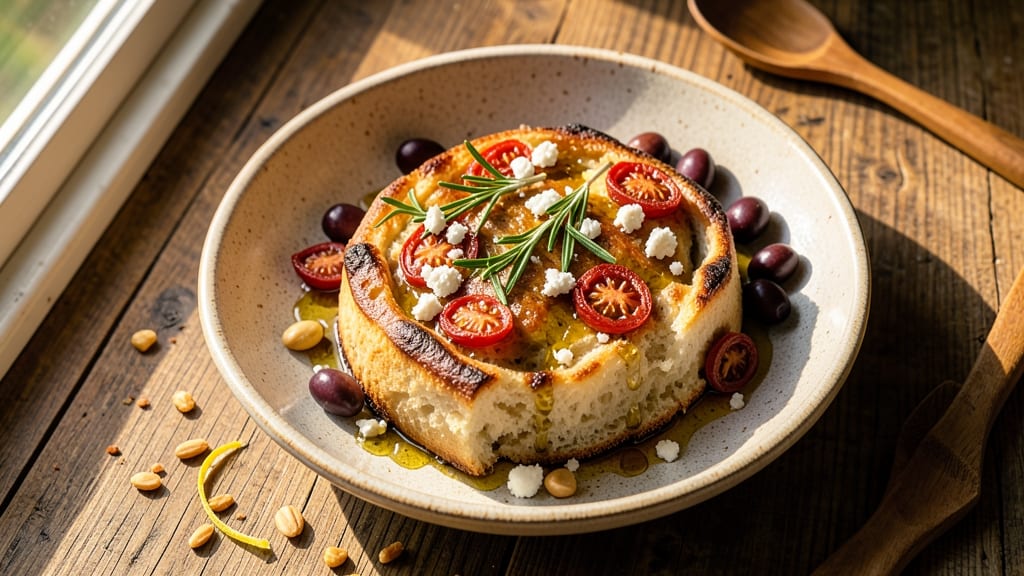
This antipasto bread recipe transforms simple dough into a golden, crisp-topped masterpiece that steals every Italian meal. The secret lies in a generous drizzle of extra-virgin olive oil and fragrant herbs—rosemary, garlic, and thyme—infused into the dough itself, creating layers of savory flavor with every bite.
I developed this version after years of perfecting focaccia, but with a twist: the dough is shaped into a loaf and baked until the top crackles like a perfect crust, while the interior stays tender and pillowy.
The beauty of antipasto bread is its versatility—it works as an appetizer, side dish, or even a base for light meals. Unlike traditional focaccia, this recipe delivers a structured loaf with a crunchy top that holds up to dipping in olive oil or pairing with cured meats and cheeses.
The dough gets its signature flavor from a garlic-infused olive oil that’s brushed on generously before baking, ensuring every slice tastes like a taste of Italy.
What sets this recipe apart is the two-stage proofing—first a slow rise in the refrigerator, then a final burst at room temperature. This creates a light, airy crumb while developing deep, aromatic flavors.
By the time it emerges from the oven, the bread is golden brown, fragrant with herbs, and just crisp enough to satisfy even the most discerning appetizer lovers.
Serve warm with whipped ricotta, prosciutto, or a simple balsamic glaze for dipping. Leftovers stay fresh for days, making it perfect for meal prep or entertaining. Here’s how to make it—step by step—for bread that tastes like a trip to the Mediterranean.
Ingredients for antipasto bread
Transform simple pantry staples into aromatic antipasto bread with golden crust and tender crumb.
| Ingredient | Amount | Notes |
|---|---|---|
| Extra-Virgin Olive Oil 🫒 | ¾ cup | High-quality, fruity variety preferred |
| Active Dry Yeast 🍞 | 2 ¼ tsp | Ensure freshness by checking expiration date |
| All-Purpose Flour 🌾 | 4 cups | King Arthur or similar high-protein flour |
| Granulated Sugar 🍚 | ½ tsp | For yeast activation |
| Diamond Crystal Kosher Salt 🧂 | 1 ½ tsp | Adjust to taste |
| Fresh Rosemary 🌿 | ¼ cup | Finely chopped, stems removed |
| Fresh Thyme 🌿 | ¼ cup | Leaves only, finely chopped |
| Garlic Cloves 🧄 | 4 cloves | Peeled and minced |
| Large Egg 🥚 | 1 whole | Room temperature |
| Warm Water 💧 | 1 ¼ cups | 110°F for optimal yeast activation |
| Coarse Sea Salt 🧂 | ½ tsp | For final sprinkle on top |
| Coarse Black Pepper 🌶️ | ½ tsp | For final sprinkle on top |
| Cornmeal 🌽 | ¼ cup | For dusting baking sheet |
The quality of your olive oil and herbs makes all the difference. Look for extra-virgin olive oil with a fruity, peppery finish—California Olive Ranch or Bertolli are reliable choices. Fresh herbs should be vibrant and fragrant; Whole Foods or local farmers markets offer the best selection. Rosemary and thyme should be finely chopped to infuse the dough thoroughly. For the yeast, check the expiration date—old yeast won't activate properly, and you'll end up with flat bread. Store-bought flour works fine, but King Arthur or Caputo Tipo 00 elevate the texture with their higher protein content.
No fresh rosemary? Dried rosemary at half the amount works in a pinch, though it lacks the same depth. Substitute thyme with oregano if needed, but the flavor profile will shift slightly. For garlic, roasted garlic powder can replace minced garlic, though it lacks the same punch. If you're out of kosher salt, Diamond Crystal or Morton are direct substitutes. The dough requires precise measurements—don't eyeball the flour or yeast. For the garlic-infused oil, toast the minced garlic lightly in olive oil before mixing into the dough to deepen its flavor. This step is non-negotiable for that authentic antipasto taste.
This dough benefits from the two-stage proofing process. After the initial rise in the refrigerator, cover the dough tightly with plastic wrap to prevent drying. The final proof at room temperature should take about 1-2 hours, depending on your kitchen's temperature. For best results, bake immediately after shaping—delaying will compromise the crispy crust. Once baked, let the bread cool for at least 10 minutes before slicing. Store wrapped at room temperature for 2-3 days or freeze for up to 3 months. To revive, reheat slices in a 350°F oven for 5-10 minutes until crispy again.
Why You'll Love This Recipe
- No-Knead Magic: I swear by this dough—just mix, let it rise, and forget it. The yeast does all the work while I sip coffee or scroll through my phone. Honestly, I’ve made it while waiting for a slow roast to finish, and it’s always perfect.
- Olive Oil Luxury: That first brush of extra-virgin olive oil? It’s the secret weapon. The crust gets golden and crisp, while the inside stays tender—like a fancy bread without the bakery price tag. I’ll be real: it’s the only way I’ll eat bread now.
- Party in a Pan: This bread is my go-to for gatherings. Tear it up for charcuterie boards, serve it warm with soup, or freeze slices for toast later. My daughter’s friends always ask for the recipe, and I never say no.
- Budget-Friendly Staple: Five ingredients, endless uses. A loaf costs me pennies but feels like a splurge. Plus, it keeps for days—perfect for when I’m too tired to bake but still want something warm and satisfying. (Yes, even on a Tuesday night.)
Step-by-step instructions for savory olive oil and herb bread
This method delivers a rustic, aromatic loaf with a crispy crust and tender crumb—perfect for serving with antipasto.
Activate the Yeast and Mix the Dough
In a large mixing bowl, combine the 1.25 cups warm water, 0.5 tsp granulated sugar, and 2.25 tsp active dry yeast. Let sit for 5-10 minutes until the mixture becomes frothy and bubbly—this confirms the yeast is active. If no bubbles form, your yeast may be stale, and you'll need to start over.
Add the 0.75 cup extra-virgin olive oil, 1 whole large egg, 4 cups all-purpose flour, 1.5 tsp diamond crystal kosher salt, 0.25 cup finely chopped fresh rosemary, 0.25 cup finely chopped fresh thyme, and 4 cloves minced garlic cloves to the bowl. Using a wooden spoon or dough whisk, stir until a shaggy dough forms. The olive oil will create a rich, aromatic base that carries through the entire loaf.
Knead the Dough Until Elastic
Transfer the dough to a lightly floured surface and knead for 8-10 minutes by hand, or use a stand mixer with a dough hook attachment on medium speed for 5-6 minutes. You're aiming for a smooth, elastic dough that springs back when pressed. If the dough feels too sticky, add flour 1 tablespoon at a time—but avoid over-flouring, as this can make the bread dense.
Here's the thing—proper kneading develops gluten, which gives the bread its structure. You'll know it's ready when the dough pulls away cleanly from the bowl and forms a windowpane when stretched thin. If it tears easily, keep kneading for another minute or two.
Let the Dough Rise for Optimal Texture
Lightly coat a large mixing bowl with olive oil, place the dough inside, and cover with a damp kitchen towel. Let rise in a warm place (like the top of your oven with the light on) for 1-1.5 hours, or until the dough has nearly doubled in size. The warm environment helps the yeast work efficiently, creating that light, airy crumb we want in antipasto bread.
Don't rush this step—proper rising time ensures a well-developed flavor and texture. If your kitchen is cold, place the bowl near a slightly open oven door to maintain warmth. The dough should feel springy when pressed gently; if it springs back slowly, it needs more time.
Shape and Proof the Dough for a Crispy Crust
Punch down the risen dough to release air, then shape it into a 12x6-inch loaf by folding the edges toward the center and pressing firmly. Place the shaped dough on a parchment-lined baking sheet, seam-side up, and lightly brush the top with olive oil. Sprinkle evenly with 0.5 tsp coarse sea salt and 0.5 tsp coarse black pepper, then dust the baking sheet with 0.25 cup cornmeal to prevent sticking.
Cover the loaf again and let it proof for 30-45 minutes until it puffs slightly and feels firm to the touch. This final rise ensures the bread expands properly in the oven, giving you that beautiful, crispy crust. Real talk: don't skip this step—it's what separates a good loaf from a great one.
Bake Until Golden and Crisp
Preheat your oven to 375°F with a baking stone or inverted baking sheet on the middle rack—this creates steam for a crispy crust. Bake the loaf for 30-35 minutes until the top is deep golden brown and the internal temperature reaches 190-200°F when measured with an instant-read thermometer. You'll hear a hollow sound when you tap the bottom, which is your cue that it's done.
For extra crispiness, transfer the loaf to a wire rack and let it cool for 10 minutes before slicing. The crust should be firm and crackly, while the interior remains tender and infused with the aromatic herbs. Serve warm with olive oil drizzled on top for an authentic antipasto experience.
Pro Tips For Making Antipasto Bread
- Bloom Yeast in Warm Oil: DESCRIPTION:
- Measure Salt by Weight: DESCRIPTION:
- Knead Until Silky, Not Tough: DESCRIPTION:
- Let It Rise Twice: DESCRIPTION:
Perfect pairings for this antipasto bread
Olive Oil Drizzle
Finish your antipasto bread with a generous drizzle of extra-virgin olive oil right after baking—this enhances the herby flavors and creates that signature Mediterranean shimmer. I recommend using the same California Olive Ranch or Bertolli oil you used in the dough for consistency.
Warm the oil slightly before drizzling to help it spread evenly. 🫒
Whole Grain Mustard
Spread 2 tablespoons of whole grain mustard on warm slices before serving for a tangy contrast to the rich olive oil and herbs. The mustard’s slight heat and depth pair perfectly with the bread’s savory notes.
I like French’s Classic Yellow for its balanced flavor—avoid spicy varieties unless you want extra kick.
Prosciutto Wraps
Roll slices of antipasto bread around thin strips of prosciutto di Parma for an elegant appetizer. The salty, delicate ham complements the bread’s herby crust beautifully. For extra flair, add a dollop of whipped ricotta and a sprinkle of flaky sea salt.
This makes a stunning presentation for parties or holiday gatherings.
Balsamic Glaze Dip
Simmer ¼ cup balsamic vinegar with 1 tablespoon honey and 1 tsp Dijon mustard until reduced by half. Drizzle over warm bread slices or serve in a small bowl for dipping. The sweet-tart glaze cuts through the richness of the olive oil and herbs, balancing every bite. 🍷
Italian Cheese Platter
Pair your antipasto bread with a selection of Italian cheeses like pecorino romano, gorgonzola dolce, and fresh mozzarella. The bread’s crisp crust holds up perfectly to creamy and aged cheeses alike.
Add cured meats like salami and coppa for a complete antipasto spread that’s ideal for game days or dinner parties.
Herb Butter Spread
Mix ¼ cup softened butter with 1 tbsp chopped fresh rosemary, 1 tsp minced garlic, and a pinch of flaky salt. Spread on warm bread slices for a rich, herby contrast.
This works especially well with the bread’s olive oil flavor, creating a layered taste experience. Store any leftovers in the fridge for up to 3 days.
Nutrition facts
Frequently asked questions
Can I make this antipasto bread without fresh herbs?
Yes, but the flavor will be less vibrant. Use half the amount of dried rosemary and thyme (e.g., 1/4 tsp each instead of 1/4 cup fresh). For garlic, 1 tsp roasted garlic powder works in a pinch, though it won't have the same intensity. The bread will still taste good—just more subtle!
Why did my antipasto bread turn out dense instead of light?
This usually happens from over-kneading (which toughens the gluten) or underproofing (dough didn't rise enough). For this recipe, knead just until smooth (8-10 minutes by hand) and ensure the dough doubles in size during both rises. A food thermometer helps—your kitchen should be 75-80°F for proper yeast activity.
How do I store antipasto bread to keep it fresh?
Wrap cooled bread tightly in plastic wrap or place in an airtight container at room temperature for 2-3 days. For longer storage, freeze slices in a ziplock bag for up to 3 months. To revive, reheat in a 350°F oven for 5-10 minutes until crispy. Never refrigerate—it makes bread stale faster!
Can I add cheese to this recipe?
Try 1/2 cup grated pecorino romano or parmesan mixed into the dough before shaping, or sprinkle feta or mozzarella on top before baking. For extra richness, add 1/4 cup ricotta to the dough. Just reduce flour by 1 tbsp to balance moisture. The cheese will melt slightly, creating pockets of creamy goodness!
What's the best way to reheat antipasto bread?
For crispy crust: Wrap slices in foil and heat at 350°F for 5-7 minutes. For softer bread: Toast in a toaster oven at 375°F for 3-4 minutes. Avoid microwaving—it makes bread gummy. Pro tip: Spritz with water before reheating for extra crispiness!