
Side Dishes
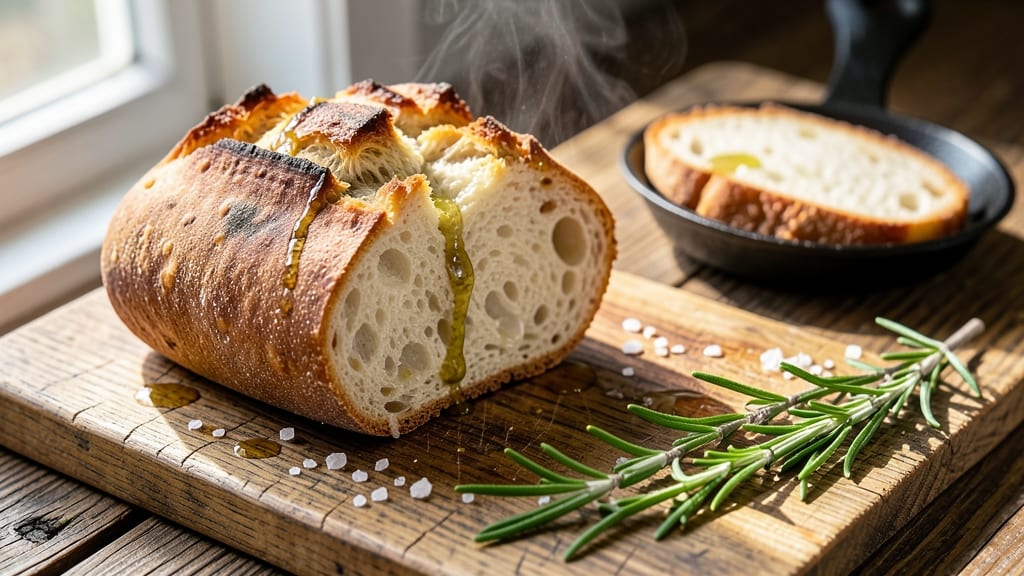
This archipelago bread recipe brings the sun-drenched flavors of the Greek Dodecanese to your kitchen table. 🌟 Crafted with Mediterranean olive oil, fragrant herbs, and a touch of sesame, this loaf delivers a crispy crust and an open crumb that's perfect for soaking up olive oil or pairing with feta and grilled meats.
The secret lies in the dough's balance of flour, yeast, and olive oil—a simple yet transformative combination that yields bread with restaurant-quality texture.
What sets this recipe apart is its authenticity, rooted in traditional Greek baking techniques. The dough proofing and shaping methods create that signature open crumb structure, while the olive oil infusion adds rich, fruity depth.
Unlike dense breads, this loaf stays light yet substantial, making it ideal for side dishes or as a base for antipasto platters. The sesame seeds on top add a delightful crunch and visual appeal that's hard to resist.
By the time you pull this loaf from the oven, you'll have golden-brown crust that's crisp yet tender, with a fragrant interior that's impossible to resist. The herbs infuse the dough with bright, fresh notes that complement any Mediterranean meal.
This isn't just bread—it's a flavor experience that transports you to the islands of the Aegean with every bite.
Perfect for serving alongside grilled fish, roasted vegetables, or as a base for bruschetta, this bread is as versatile as it is delicious. The recipe scales beautifully, whether you're feeding a family or preparing for a gathering.
Let's get started on creating your own taste of the Mediterranean right in your kitchen.
Ingredients for archipelago bread
Six ingredients transform into a fragrant, open-crumbed loaf that tastes like a Greek island breeze.
| Ingredient | Amount | Notes |
|---|---|---|
| All-Purpose Flour 🌾 | 5 cups | Spooned and leveled, not packed |
| Active Dry Yeast 🍞 | 2 ¼ tsp | Fresh yeast at half the amount |
| Extra-Virgin Olive Oil 🫒 | ¾ cup | Mediterranean variety preferred |
| Warm Water 💧 | 1 ¼ cups | 110°F for optimal yeast activation |
| Granulated Sugar 🍚 | 1 tbsp | Helps yeast activation |
| Salt 🧂 | 1 ½ tsp | Fine sea salt preferred |
| Fresh Oregano 🌿 | ¼ cup | Chopped finely, stems removed |
| Fresh Rosemary 🌿 | ⅛ cup | Finely chopped, woody stems discarded |
| Sesame Seeds 🌰 | ¼ cup | Toasted lightly for extra flavor |
| Coarse Sea Salt 🧂 | 1 tbsp | For topping, preferred |
| Cornmeal 🌽 | ¼ cup | For dusting baking sheet |
The olive oil is non-negotiable here—look for Mediterranean varieties with fruity, peppery notes. Trader Joe's or Whole Foods carry excellent options, or grab a small bottle from the international aisle at Kroger. Fresh herbs make all the difference: grab a sprig of oregano and rosemary from the produce section (they keep for 5-7 days in the fridge). For yeast, Bob's Red Mill is reliable, but check the expiration date—yeast loses potency fast. The sesame seeds? Toast them 2-3 minutes in a dry pan before using—they'll add depth and crunch to the crust.
No fresh oregano? Dried works at one-third the amount, but fresh is ideal. Short on rosemary? Thyme or marjoram adds a similar brightness. Running low on olive oil? Avocado oil is a decent substitute, though it lacks that Mediterranean character. For the yeast, if your water isn't warm enough, microwave it 20 seconds to hit that sweet spot. The sesame seeds can be swapped for poppy seeds if you prefer, but sesame's nutty crunch is traditional. And if you're baking at high altitude, reduce the yeast by 0.25 tsp—this dough needs time to develop.
This dough is forgiving but rewards patience—let it rise until doubled, even if it takes 2 hours. Shape it gently to avoid overworking the gluten, which can make the crumb dense. For the sesame topping, mix it with a tiny bit of olive oil before sprinkling so it sticks. Store leftovers wrapped in a clean kitchen towel for 3-4 days at room temperature. Freeze slices for up to 3 months—toast straight from frozen for crispy results. The crust stays fresh for 2 days if wrapped tightly, but the interior stays soft for 5 days.
Why You'll Love This Recipe
- No-Knead Magic: I swear by this recipe—just mix the flour, yeast, olive oil, and warm water, let it rise overnight, then bake. That’s it. No standing at the counter, no overworking the dough, just pure, hands-off simplicity.
- Olive Oil Luxury: The extra-virgin olive oil gives this bread a rich, buttery depth without the butter. That golden crust? It’s crispy enough to hold up to soups or dipping, but tender enough to melt in your mouth.
- Weeknight Workhorse: Between us, this is my go-to for lazy dinners. Toss it with garlic butter for toast, tear it over salads, or freeze slices for quick toast later. It’s the bread equivalent of a good pair of jeans—always works.
- Pantry Staple Payoff: Five ingredients, minimal effort, and it keeps for days (or frozen for weeks). Honestly, I make a loaf every other week just because it’s cheaper than buying decent bread, and it never goes to waste.
Step-by-step instructions for Mediterranean herb and olive oil loaf
Let's bake this fragrant, open-crumb loaf that tastes like a Mediterranean vacation.
👨🍳 Step 1: Activate the Yeast and Mix the Dough
In a large bowl, combine the 1.25 cups warm water (about 110°F—test by touching it, it should feel warm but not hot) with the 1 tbsp granulated sugar and 2.25 tsp active dry yeast. Let it sit for 5-10 minutes until foamy. If it doesn't foam, your yeast is dead—start over with fresh yeast.
In a separate bowl, whisk together the 5 cups all-purpose flour and 1.5 tsp salt. Add the yeast mixture and 0.75 cup extra-virgin olive oil to the dry ingredients. Mix with a wooden spoon until a shaggy dough forms, then turn it out onto a lightly floured surface and knead for 8-10 minutes until smooth and elastic. The dough should be slightly tacky but not sticky.
🥘 Step 2: First Rise and Herb Infusion
Place the dough in a lightly oiled bowl, cover with a damp kitchen towel, and let it rise in a warm place for 1-2 hours or until doubled in size. While it rises, finely chop the 0.25 cup fresh oregano and 0.125 cup fresh rosemary, removing any woody stems. Toast the 0.25 cup sesame seeds in a dry skillet over medium heat for 2-3 minutes until golden and fragrant.
Once the dough has risen, punch it down gently to release air, then fold in the chopped herbs and toasted sesame seeds. This step infuses the dough with incredible flavor—don't skip it! Cover the bowl again and let the dough rise for another 30-45 minutes until puffy.
🔥 Step 3: Shape and Second Rise
Turn the dough out onto a lightly floured surface and shape it into a 12x6-inch loaf. For an open crumb, make a well in the center and press down gently with your fingers to create a slight depression. This technique creates that beautiful Mediterranean-style open crumb we're after.
Place the shaped loaf on a parchment-lined baking sheet dusted with 0.25 cup cornmeal. Cover loosely with plastic wrap and let it rise for 45-60 minutes until it's noticeably puffy. The dough should spring back slowly when pressed gently with your finger—this is your signal it's ready for the oven.
🔥 Step 4: Bake to Golden Perfection
Preheat your oven to 375°F. Brush the loaf with a little more olive oil and sprinkle the 1 tbsp coarse sea salt evenly over the top. Bake for 30-35 minutes until the bread is deep golden brown and sounds hollow when tapped on the bottom. If the top browns too quickly, tent with foil after 20 minutes.
For that perfect crust, I like to spray the oven walls with water during the last 5 minutes of baking. This creates steam that enhances the open crumb structure. Remove the loaf from the oven and let it cool on a wire rack for at least 1 hour before slicing—this ensures clean slices and prevents a gummy interior.
Pro Tips For Making Archipelago Bread
- Bloom the Yeast First: Skip mixing yeast directly into flour—dissolve it in warm water (around 105°F) with sugar first, then let it sit for 5-10 minutes until frothy. This guarantees your yeast is active before it hits the dough, saving you from a dense, flat loaf later. I learned this the hard way when a batch failed because my yeast was old and needed a head start.
- Weigh Your Flour: Ditch the scooping—use a kitchen scale for precise measurements. Archipelago bread relies on a tight dough structure, and even a cup’s worth of extra flour can make it tough. I was skeptical until I tried it; the texture became consistently light and airy every time.
- Knead Until Silky: Stop when the dough pulls cleanly away from the bowl and springs back slowly when poked—about 8-10 minutes by hand. Over-kneading glues the gluten too tight, while under-kneading leaves it gummy. Sounds weird, but it works: your fingers will know when it’s just right.
- Oil the Bowl Twice: Coat the mixing bowl with olive oil before adding dough, then give it a second light coat after shaping. This prevents sticking and makes turning the dough easier—no flour dust messes up the olive oil’s flavor. I skip this when I’m lazy, but the dough always looks and tastes better when I don’t.
Flavor customization for this archipelago bread
Herb Variations
Swap the oregano and rosemary for 1 tbsp dried thyme and 1 tbsp fresh basil for a brighter, more aromatic profile. I love this combo with lemon zest added to the dough—it brightens the flavor and pairs perfectly with grilled fish.
For a smoky twist, add ½ tsp smoked paprika to the dough and top with crushed red pepper flakes before baking. 🌿
Seed Toppings
Toast ¼ cup poppy seeds or ¼ cup pumpkin seeds in a dry pan for 2-3 minutes until fragrant, then mix with 1 tbsp olive oil before sprinkling on top.
The nutty crunch contrasts beautifully with the soft interior. For a sweeter variation, try sesame and sunflower seed mix—it’s a hit with kids and adds a delightful texture. 🌰
Citrus Zest Boost
Add 1 tbsp lemon zest or 1 tbsp orange zest to the dough for a bright, citrusy kick. The zest blends seamlessly and enhances the Mediterranean flavors. Pair this with a sprinkle of coarse sea salt on top for a tangy-salty contrast.
I especially love this variation when serving with olive tapenade or fresh mozzarella. 🍋
Whole Grain Twist
Replace 1 cup of all-purpose flour with 1 cup whole wheat flour or 1 cup spelt flour for a nuttier, heartier loaf. The texture stays light if you knead the dough for an extra 2 minutes to develop the gluten.
Top with extra sesame seeds and a pinch of flaky sea salt for a rustic touch. 🌾
Cheesy Infusion
Fold in ½ cup crumbled feta cheese or ½ cup ricotta cheese during the second rise for a creamy, tangy twist. The cheese adds richness without overpowering the herbs.
Sprinkle with extra sesame seeds and crumbled feta on top before baking for a showstopping finish. Perfect for pairing with grilled lamb or roasted vegetables. 🧀
Nutrition facts
Frequently asked questions
Can I make this bread without fresh herbs?
Use 1 teaspoon dried oregano and ½ teaspoon dried rosemary instead of fresh. Toast the dried herbs in a dry pan for 30 seconds to intensify their flavor before mixing into the dough. The texture will be slightly different but still delicious.
Why does my dough take longer to rise?
Cold temperatures or old yeast slow down rising time. Keep your dough in a warm spot (75-80°F)—try placing the bowl on top of your oven with the light on. If using yeast older than 3 months, reduce it by ½ teaspoon or use 1 extra teaspoon for faster activation.
How do I store leftovers to keep them fresh?
Wrap the cooled loaf in a clean kitchen towel and store at room temperature for 3-4 days. For longer storage, slice and freeze individual portions—thaw at room temperature for 1 hour before serving. The crust stays crispy best when reheated in a 350°F oven for 5 minutes.
Can I make this bread in a Dutch oven?
Yes! Shape the dough into a round loaf and bake in a preheated 400°F Dutch oven for 35-40 minutes. The steam creates an even more open crumb. Brush the top with olive oil after 20 minutes for extra browning. Just reduce the baking time by 5 minutes compared to the sheet pan method.
What's the best way to serve this bread?
Slice it thick and serve with extra-virgin olive oil for dipping, or pair with feta cheese and grilled vegetables. The open crumb makes it perfect for bruschetta or as a base for Mediterranean antipasto platters. For breakfast, toast slices and top with tomato jam and crumbled goat cheese.